Tamanho do texto

() ·

Uma pintura feita para você, à mão

Attempting the Impossible

Reprodução em Óleo Feita à Mão

Óleo sobre tela pintado à mão no tamanho e moldura de sua escolha, feito sob encomenda pelos nossos artistas. ( Alternar para Impressão Alternar para Imagem Digital)

Descrição do Item

Explore René Magritte’s ‘Attempting the Impossible,’ a surrealist masterpiece depicting a man artistically capturing a nude woman's pose, juxtaposed with symbolic bowls and reflecting themes of perception and hidden realities.

Biografia do Artista

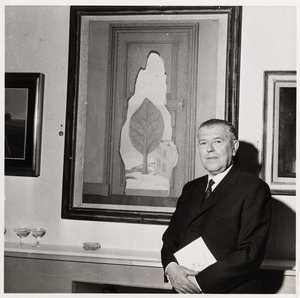
René Magritte (1898-1967): Explore o surrealismo de um mestre belga! Descubra obras icônicas como 'Os Amantes', desafiando a realidade e a percepção. #Magritte #Surrealismo

de ·

Capítulo 1

Qual deve ser o tamanho?

Deslize para alterar o tamanho; a imagem à esquerda mostra a moldura em sua largura real. As proporções originais são mantidas.

Tamanho padrão
personalizado
CM
INCH

Escolha entre os nossos tamanhos pré-definidos que respeitam as proporções originais da obra de arte.

largura
altura

Insira a largura e a altura desejadas para se ajustarem à sua moldura ou parede. Como esta obra é pintada à mão, para um tamanho com proporções diferentes, o artista poderá pintar um pouco mais ao redor da imagem ou reduzir ligeiramente a composição — você escolhe. Enviamos uma maquete digital para sua aprovação antes de iniciar a pintura. A imagem exibida nesta página não representa o resultado real — apenas a maquete mostra o resultado final.

Capítulo 2

Como deve chegar?

Escolha as bordas da tela esticada

Escolha sua moldura

Corner sample of the WhiteWrap canvas edge finish, stretched on madeira maciça bars
Branco €1
Corner sample of the BlurSideWrap canvas edge finish, stretched on madeira maciça bars
Bordas esfumaçadas €1
Corner sample of the ExtendedWrap canvas edge finish, stretched on madeira maciça bars
Bordas estendidas €1
Corner sample of the P118B picture frame: poliestireno moldado, 5 cm wide and 3 cm thick
P118B €10
Corner sample of the P118H picture frame: poliestireno moldado, 5 cm wide and 3 cm thick
P118H €10
Corner sample of the P118W picture frame: poliestireno moldado, 5 cm wide and 3 cm thick
P118W €10
Corner sample of the P438Z picture frame: poliestireno moldado, 5.5 cm wide and 3.5 cm thick
P438Z €10
Corner sample of the P508JH picture frame: poliestireno moldado, 7 cm wide and 3.5 cm thick
P508JH €12
Corner sample of the P508YH picture frame: poliestireno moldado, 7 cm wide and 3.5 cm thick
P508YH €12
Corner sample of the P805H picture frame: poliestireno moldado, 5 cm wide and 3.5 cm thick
P805H €10
Corner sample of the P805Z picture frame: poliestireno moldado, 5 cm wide and 3.5 cm thick
P805Z €10
Corner sample of the P919BZ picture frame: poliestireno moldado, 7 cm wide and 3.5 cm thick
P919BZ €10
Corner sample of the P919G picture frame: poliestireno moldado, 7 cm wide and 3.5 cm thick
P919G €10
Corner sample of the P919XJ picture frame: poliestireno moldado, 7 cm wide and 3.5 cm thick
P919XJ €10
Corner sample of the P959ZH picture frame: poliestireno moldado, 5 cm wide and 3 cm thick
P959ZH €10
Corner sample of the P968JZ picture frame: poliestireno moldado, 6 cm wide and 4 cm thick
P968JZ €12
Corner sample of the W106C picture frame: madeira maciça, 5 cm wide and 3 cm thick
W106C €8
Corner sample of the W218G picture frame: madeira maciça, 5 cm wide and 3 cm thick
W218G €10
Corner sample of the W218JH picture frame: madeira maciça, 5 cm wide and 3 cm thick
W218JH €8
Corner sample of the W218Y picture frame: madeira maciça, 5 cm wide and 3 cm thick
W218Y €10
Corner sample of the W307PJ picture frame: madeira maciça, 6 cm wide and 3 cm thick
W307PJ €10
Corner sample of the W316G picture frame: madeira maciça, 6 cm wide and 3 cm thick
W316G €10
Corner sample of the W316PJ picture frame: madeira maciça, 6 cm wide and 3 cm thick
W316PJ €8
Corner sample of the W316Y picture frame: madeira maciça, 6 cm wide and 3 cm thick
W316Y €10
Corner sample of the W398PJ picture frame: madeira maciça, 5 cm wide and 3 cm thick
W398PJ €8
Corner sample of the W4111J picture frame: madeira maciça, 6.5 cm wide and 3.5 cm thick
W4111J €10
Corner sample of the W500HY picture frame: madeira maciça, 7 cm wide and 5 cm thick
W500HY €15
Corner sample of the W500JH picture frame: madeira maciça, 7 cm wide and 5 cm thick
W500JH €15
Corner sample of the W692G picture frame: madeira maciça, 8 cm wide and 4 cm thick
W692G €12
Corner sample of the W849H picture frame: madeira maciça, 5 cm wide and 3 cm thick
W849H €8
Corner sample of the W940BG picture frame: madeira maciça, 7.5 cm wide and 4.5 cm thick
W940BG €15
Corner sample of the W953PJ picture frame: madeira maciça, 6 cm wide and 3.5 cm thick
W953PJ €8
Corner sample of the H24-GOLD picture frame: madeira entalhada com gesso, 10 cm wide and 6 cm thick
H24-GOLD €30
Corner sample of the H24-SILVER picture frame: madeira entalhada com gesso, 10 cm wide and 6 cm thick
H24-SILVER €30
Corner sample of the H36-GOLD picture frame: madeira entalhada com gesso, 15 cm wide and 6.5 cm thick
H36-GOLD €45
Corner sample of the H36-SILVER picture frame: madeira entalhada com gesso, 15 cm wide and 6.5 cm thick
H36-SILVER €45
Prévia da moldura
Com moldura

Moldura: . Dimensões totais com a moldura: .

Capítulo 3

Quem o pinta, e deveria algo mudar?

Exemplos do que pode ser alterado: Substituir o rosto pela foto do cliente; Adicionar um animal de estimação (ex: substituir gato por cachorro); Incluir uma mensagem oculta no fundo; Alterar a paisagem ou elementos do fundo.
Após o pedido, a equipe da OriginalUniqueArt.com enviará um e-mail ao cliente para instruções e fornecerá uma prévia da montagem

Entrega mundial () em 3 a 4 semanas, em vez das 5 semanas padrão. (3 Novembro). Sem comprometer a qualidade.

Capítulo 4

Os retoques finais

Uma placa de identificação, como em um museu?

Detalhes da Placa de Bronze Gravada

This elegant plaque features the artist's name and the title of the artwork, finely engraved for a timeless presentation.

It is made from bronze with a refined, elegant finish. The text is precisely laser-engraved for a sharp and permanent result. Measuring 9x2 cm, the plaque is compact yet easy to read. It's built to be durable and scratch-resistant, offering a professional, museum-quality look. Mounting is simple thanks to the included adhesive backing.

Detalhes da Placa de Acrílico Transparente

The plaque includes essential engraved details such as the artist's name, the title of the artwork, the date it was created, the type of media used-like oil on canvas or watercolor-a brief description of the piece, and a QR code that links to the complete artwork information.

It is crafted from clear acrylic, offering a sleek, modern appearance. The text is UV-engraved in black to ensure strong visual contrast. With a size of 10x15 cm, it ensures optimal readability. It comes equipped with two metal hooks for secure wall mounting. The plaque is designed to be weather-resistant, making it suitable for various environments, and it includes interactive features that work seamlessly with smartphone scanning.

Detalhes da Placa de Acrílico Preto

This elegant plaque includes engraved information such as the artist's name, the title of the artwork, the date it was created, the type of media used (like oil on canvas or watercolor), a short description of the artwork, and a QR code for quick access to more information.

The plaque itself is made from refined black acrylic with a premium finish. The text is laser-engraved in white for high contrast and readability. Its size is 10x15 cm, designed to be easy to read. It comes with two metal hooks for professional mounting. The design is sleek and fits any interior style. It is also weather-resistant and durable, with built-in digital integration for mobile compatibility.

Um verniz protetor?

Para quando você precisa?

Capítulo 5

A sua pintura, conforme encomendada

Attempting the Impossible

Técnica de Reprodução

Tamanho da Reprodução

-

Artista Sênior de Elite

Mais detalhes, refinamento e tempo de produção adicional

-

Moldura para Reprodução

-

-

Para obras de arte ou reproduções com mais de 105 cm (aproximadamente 41 polegadas) em qualquer um dos lados, a moldura será enviada como um kit desmontado. Este método garante uma entrega segura e evita danos durante o transporte.

Montagem profissional necessária — este não é um produto DIY (faça você mesmo).
O kit deve ser montado e a tela esticada por um profissional de molduraria experiente, utilizando cola de madeira (não inclusa), um alicate de esticar tela e grampos para manter as travessas alinhadas enquanto a cola seca. A montagem incorreta ou a tensão desigual da tela podem danificar permanentemente a obra de arte e não estão cobertas pela nossa garantia.

  • Todas as barras de madeira maciça estão incluídas, precisamente cortadas ao tamanho certo.

  • Montado com os parafusos fornecidos, além de cola para madeira para as junções dos cantos, que não está inclusa e deve ser providenciada pelo seu moldurista.

  • São necessárias ferramentas profissionais não incluídas: um alicate de estiramento de tela (esticador) e grampos para manter as ripas alinhadas enquanto a cola seca.

Importante:
As junções dos cantos requerem cola para madeira, as ripas devem ser mantidas com grampos até que a cola esteja completamente seca, e o estiramento da tela na moldura montada requer um alicate de esticar tela. Nenhum destes itens está incluído no kit. Por favor, certifique-se de contar com um profissional de molduraria experiente antes de encomendar este tamanho.

Etiqueta de identificação

-

-

Verniz de Proteção

Verniz brilhante (realça as cores e protege contra a luz e a umidade)

-

Personalizar minha obra

Exemplos de alterações possíveis: Substituir o rosto por uma foto do cliente; Adicionar um animal de estimação (ex.: substituir gato por cachorro); Incluir uma mensagem oculta no fundo; Alterar a paisagem ou os elementos do fundo.

-

Urgente

Entrega mundial () em 3 a 4 semanas, em vez das 5 semanas padrão. (3 Novembro). Sem comprometer a qualidade.

-

Envio Expresso

Entrega mundial para em 5 semanas. (10 Novembro).

Com envio incluído

Preço Total

€ 268

Preço Total € 268

A opção de vidro está disponível apenas para tamanhos inferiores a 110 cm

Incluído em todos os pedidos

  • Envio expresso gratuito para todo o mundo
  • Tela de Linho de Alta Qualidade
  • Seguro de transporte completo
  • Garantia de Reembolso de Impostos Alfandegários
  • Garantia de Fidelidade Cromática
  • Política de Devolução em 100 Dias (Apenas para Defeitos)
  • Garantia de reembolso de 100%
  • Oferta de desconto por quantidade

Exploring the Paradox of Creation: René Magritte’s “Attempting the Impossible”

René Magritte's "Attempting the Impossible," painted in 1928, isn’t merely a depiction of an artist and his muse; it’s a masterful distillation of Surrealist principles—a deliberate provocation designed to unsettle viewers and invite contemplation about the nature of representation itself. The painting captures a moment frozen in time: a man dressed impeccably in a suit and tie stands beside a nude woman, holding a paintbrush poised before her face as if attempting to capture her essence on canvas. This seemingly straightforward tableau belies a complex web of symbolism and artistic innovation that speaks volumes about Magritte’s intellectual engagement with the anxieties of his era.

A Surrealist Dialogue Between Reality and Illusion

Magritte firmly established himself within the burgeoning Surrealist movement spearheaded by André Breton, rejecting rational thought in favor of exploring the subconscious mind. “Attempting the Impossible” exemplifies this ethos through its unsettling juxtaposition of familiar elements—a man, a woman, a paintbrush, bowls—arranged in an illogical configuration that defies conventional visual logic. The nude woman’s obscured face is particularly significant; it represents not just physical vulnerability but also the elusive nature of identity and perception. Magritte deliberately obscures what we *should* see, forcing us to confront the limitations of our gaze and questioning whether art can ever truly grasp or convey the complexities of human experience. Breton championed the idea that art should liberate the imagination from the constraints of reason, and Magritte brilliantly embodies this ambition.

Technique and Composition: Mastering Illusion

Magritte’s meticulous technique contributes powerfully to the painting's overall effect. Executed in oil on canvas, he employed a smooth blending style—characteristic of École de Paris—that lends an air of understated elegance to the scene. However, it is his masterful use of color and perspective that elevates “Attempting the Impossible” beyond mere visual representation. The muted palette – predominantly browns and creams – reinforces the painting’s sense of stillness and contemplation. Furthermore, Magritte utilizes a slightly flattened perspective, subtly manipulating spatial depth to heighten the feeling of unease and disorientation. This deliberate distortion underscores the Surrealist preoccupation with destabilizing accepted notions of reality.

Historical Context: The Aftermath of Dada and Nietzsche

The painting emerged from the intellectual ferment following World War I, influenced by thinkers like Friedrich Nietzsche who questioned traditional morality and championed the idea that truth is subjective. Dada’s rejection of logic and reason fueled a desire to dismantle established artistic conventions—a rebellion against bourgeois values that Magritte wholeheartedly embraced. Surrealism sought to tap into the primal forces of emotion and instinct, rejecting academic art's focus on idealized beauty in favor of confronting disturbing images and unsettling ideas. “Attempting the Impossible” reflects this spirit of defiance, presenting a visual paradox that challenges viewers to reconsider their assumptions about what constitutes genuine artistic expression.

Emotional Resonance: A Meditation on Representation

Ultimately, "Attempting the Impossible" resonates deeply with its viewer through its exploration of fundamental questions concerning perception and representation. Magritte’s deliberate obfuscation invites us to consider how art shapes our understanding of the world—and conversely, how our perceptions constrain artistic endeavors. The painting lingers in the mind long after viewing, prompting reflection on themes of vulnerability, desire, and the impossibility of capturing the intangible essence of human experience. It serves as a poignant reminder that true artistry lies not merely in replicating reality but in transforming it into something profoundly evocative and intellectually stimulating—a testament to Magritte’s enduring legacy as one of Surrealism's most astute innovators.

Perguntas e Respostas

A obra "Attempting the Impossible" está disponível para download em alta resolução?

"Attempting the Impossible" está disponível como download de imagem digital em alta resolução, podendo ser adquirido diretamente em sua página de Imagem Digital de Alta Resolução.

De onde vêm os visitantes de "Attempting the Impossible", de René Magritte?

As estatísticas sobre "Attempting the Impossible", de René Magritte encontram-se na página de Estatísticas da obra: visitas mensais da obra, visitas às obras do artista e o detalhamento por país e idioma dos visitantes recentes.

A que fase da carreira de René Magritte corresponde a data de 1928 de "Attempting the Impossible"?

Dada a sua data de 1928, "Attempting the Impossible" insere-se no período Mature Period de René Magritte.

Saiba mais sobre esta pintura

Visualizar na parede Visualizar em RA Alternar para Impressão Alternar para Imagem Digital Compartilhar
Detalhes Guia Adicionar aos favoritos Baixar imagem Semelhantes Raio X Ver diaporama Perguntas e Respostas Estatísticas

Em números

  • 1928o ano em que foi pintada
  • 29molduras para escolher
  • tamanhos padrão, em suas próprias proporções
  • 5semanas para pintar e entregar

Sobre o original

Dimensões
105.0 x 81.0 cm
René Magritte

René Magritte

1898 - 1967, Bélgica

Informações rápidas sobre René Magritte

  • Artistic Movement Or Style: Surrealismo
  • Artists Or Movements Influenced By This Artist:
    • Pop Art
    • Minimalismo
  • Artists Who Influenced This Artist: ['Giorgio de Chirico']
  • Date Of Birth: 21 de novembro de 1898
  • Date Of Death: 15 de agosto de 1967
  • Full Name: René François Ghislain Magritte
  • Nationality: Belga
  • Notable Artworks:
    • Les Amants
    • A Queda
    • O Jogador Perdido
  • Place Of Birth: Lessines, Bélgica

Biografia do Artista

Early Life and the Seeds of Surrealism

René Magritte, nascido René François Ghislain Magritte em 21 de novembro de 1898, em Lessines, Bélgica, emergiu em um mundo que moldaria profundamente sua visão artística enigmática. Seus primeiros anos foram marcados por um evento perturbador – o suicídio de sua mãe quando ele tinha apenas treze anos. A imagem do corpo dela sendo recuperado do Rio Sambre, com seu vestido obscurecendo o rosto, tornou-se um motivo assombrador que permeiairia sutilmente suas obras posteriores, manifestando-se em figuras disfarçadas e uma exploração persistente de realidades ocultas. Esse trauma precoce instilou nele uma fascinação por mistério, perda e o poder inquietante do que permanece invisível. Embora os detalhes de sua infância permaneçam um tanto elusivos, fica claro que essa experiência formativa lançou as bases para sua investigação contínua da percepção e representação. Ele começou a estudar desenho aos dez anos, revelando uma inclinação natural para a expressão visual, mas inicialmente explorou o Impressionismo antes de trilhar um caminho que o levaria a se tornar uma das figuras mais significativas do Surrealismo.

Artistic Development and Influences

A jornada artística de Magritte não foi imediata nem direta. Ele estudou na Academia Royale des Beaux-Arts em Bruxelas, mas encontrou seus métodos tradicionais sufocantes. Seu trabalho inicial experimentou com Futurismo e Cubismo, absorvendo elementos desses movimentos vanguardistas, mas acabou rejeitando suas preocupações puramente formais. Não foi até encontrar a pintura *The Song of Love* (1914) de Giorgio de Chirico em 1922 que Magritte descobriu uma ressonância que alteraria irreversivelmente seu curso artístico. A paisagem onírica de De Chirico e suas justaposições perturbadoras desbloquearam para Magritte uma nova maneira de ver – um mundo onde o familiar poderia ser representado de forma estranha, e o ordinário imbuído de mistério profundo. Esse encontro desencadeou seu compromisso com o Surrealismo, embora ele frequentemente mantivesse uma distância única de suas abordagens mais psicológicas ou automáticas. Ele preferiu uma precisão meticulosa, quase clínica, em sua pintura, usando técnicas realistas para representar cenários ilógicos.

The Heart of Surrealism: Challenging Reality

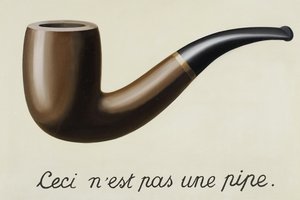
Em 1926, Magritte havia abraçado plenamente os princípios do Surrealismo, produzindo *Le Jockey Perdu (The Lost Jockey)*, amplamente considerado sua primeira obra surrealista genuína. No entanto, seu tipo de Surrealismo era distinto. Ele não estava interessado em explorar o inconsciente por meio da livre associação ou imagens de sonho como alguns de seus contemporâneos. Em vez disso, Magritte procurou desafiar a percepção dos espectadores sobre a realidade ao apresentar objetos cotidianos em contextos inesperados, forçando-os a questionar suas suposições sobre o mundo ao seu redor. Obras icônicas como *The Treachery of Images (This is not a pipe)* (1929) desconstroem brilhantemente a relação entre imagem e objeto, lembrando-nos que uma representação nunca é a coisa em si. *Les Amants (The Lovers)* (1927-1928), com suas figuras envoltas, ecoam o trauma da morte de sua mãe enquanto exploram simultaneamente temas de ocultamento e intimidade. *Time Transfixed* (1938) apresenta um trem atravessando uma parede de tijolos, interrompendo nossa sensação de espaço e tempo. E *The Human Condition* (1933), uma tela dentro de uma tela, borra os limites entre representação e realidade, nos convidando a considerar como percebemos e interpretamos o mundo.

Later Life, Recognition, and Enduring Legacy

Apesar das dificuldades iniciais para receber reconhecimento, o trabalho de Magritte ganhou gradualmente destaque, particularmente nos Estados Unidos com exposições em 1936 e posteriormente exposições retrospectivas no Museu de Arte Moderna (1965) e no Metropolitan Museum of Art (1992). Ele permaneceu politicamente engajado ao longo de sua vida, defendendo a autonomia artística. Ele continuou a refinar seu estilo característico, explorando temas de repetição, ilusão e o poder da linguagem em pinturas que são tanto intelectualmente estimulantes quanto visualmente impressionantes. Magritte morreu em 15 de agosto de 1967, deixando para trás um corpo de trabalho que continua a cativar e desafiar os públicos mundialmente. Sua influência se estende muito além do reino da pintura, impactando o Pop Art, o Minimalismo e o Conceitualismo, e até mesmo a publicidade e o cinema. Hoje, suas pinturas são mantidas em importantes coleções de museus ao redor do mundo, incluindo os Musées royaux des beaux-arts de Belgique em Bruxelas, que abrigam o Magritte Museum – dedicado inteiramente à sua obra e possuindo a maior coleção de suas criações.

  • Coleções de Museus: Musées royaux des beaux-arts de Belgique, Bruxelas; Magritte Museum.

Magritte's enduring legacy lies in his ability to make us see the familiar anew, to question our assumptions about reality, and to appreciate the power of art to provoke thought and inspire wonder. He wasn’t simply painting images; he was crafting visual paradoxes that continue to resonate with viewers decades after their creation, solidifying his position as a true master of Surrealism and a pivotal figure in 20th-century art.

Informações Rápidas

  • Year: 1928
  • Influences: Cubism
  • Subject or theme: Representation and Reality
  • Movement: Surrealism
  • Location: Private Collection
  • Medium: Oil on canvas