

 Visualizar em escala
 Enviar
 Compartilhar
 Ver detalhes

 Baixar imagem
 Semelhantes
 Raio X
 Apresentação de slides
 Estatísticas
Granida and Diafilo


 Ver mais
Adquira uma imagem digital de alta resolução e aprimorada, muito superior à prévia online.
Cada arquivo é meticulosamente preparado por nossos especialistas internos, utilizando ferramentas avançadas e retoques manuais de alta precisão. Garantimos que cada imagem apresente clareza excepcional, fidelidade de cores e detalhes minuciosos.
O arquivo final é entregue por e-mail em até 72 horas, otimizado para uso imediato em ambientes profissionais, editoriais e de impressão. Esta é a mesma qualidade utilizada por estúdios de design de alto nível, editoras e galerias.
Imagem Digital
Baixe um arquivo de alta resolução para exibição pessoal, impressão e projetos criativos. ( Alternar para Impressão Encomendar reprodução pintada à mão)
Incluído em cada pedido de imagem digital
Entrega Digital Especializada e Garantida
Ao escolher o OriginalUniqueArt.com, você não está apenas adquirindo uma imagem — você está recebendo uma obra de arte digital profissionalmente aprimorada, elaborada com precisão e com garantia de satisfação. Aqui está tudo o que acompanha seu pedido, automaticamente:

Entrega rápida por e-mail
O seu arquivo de imagem digital em alta resolução será enviado por e-mail em até 72 horas após o pedido — pronto para uso imediato.

Arquivo Digital com IA Otimizado
Sua obra de arte é otimizada profissionalmente por meio de ferramentas avançadas de IA e edição manual, garantindo o máximo de detalhes, clareza e precisão de cores.

Reenvio gratuito vitalício
Apagou ou perdeu o seu ficheiro acidentalmente? Não se preocupe – nós reenviamos para si a qualquer momento, gratuitamente.

Sem Taxas de Importação - Sempre
Desfrute da sua obra de arte instantaneamente, sem taxas alfandegárias, impostos ou custos de entrega — downloads digitais são sempre isentos de taxas.

Garantia de Precisão de Cores
Garantimos que sua imagem digital reflita as cores originais com a maior fidelidade possível, utilizando ferramentas profissionais e gerenciamento de cores.

Garantia de satisfação de 100 dias
Se não estiver satisfeito com a sua imagem digital, nós a revisaremos ou reembolsaremos 100% dentro de 100 dias — sem perguntas.

Garantia de Reembolso 100%
Não está satisfeito? Receba o reembolso total em até 100 dias após o recebimento do seu arquivo digital — sem perguntas.

Descontos para pedidos em lote
Compre 3 imagens, economize 10% - Compre 5, economize 15% - Compre 10+, economize 20%. Ideal para projetos criativos, galerias e agências.
A Tender Encounter in the Golden Glow of the Baroque
In the delicate interplay of light and shadow, Pieter van der Werff’s 1711 masterpiece, Granida and Diafilo, invites the viewer into a world of profound intimacy and pastoral romance. This exquisite painting captures a fleeting, breathless moment between two lovers, set against a backdrop that feels both timeless and deeply atmospheric. The composition centers on a seated figure, draped in rich, crimson fabrics that command attention, gently offering a small token—perhaps a flower or an apple—to her reclining companion. As the light of a setting sun or rising dawn washes over the scene, it illuminates the soft textures of skin and silk, creating a sense of palpable warmth. The figures are nestled within a lush, natural sanctuary where the foliage breathes with life, and the sky transitions through a dreamlike spectrum of azure and amber, evoking the quiet magic of a twilight encounter.
The artistry of Van der Werff is on full display through his masterful command of the Baroque style, characterized by a refined realism that borders on the porcelain. Unlike the more rugged textures found in some of his contemporaries, Van der Werff’s technique is marked by an extraordinary smoothness and meticulous attention to detail. Every fold of the heavy red drapery, every strand of hair, and the subtle luminosity of the figures' complexions are rendered with a precision that suggests a deep reverence for classical beauty. This smooth, almost enamel-like finish allows light to dance across the surface of the canvas, lending a three-dimensional volume to the bodies and a lifelike vitality to the surrounding landscape. For the discerning collector or interior designer, this level of technical sophistication offers a centerpiece that radiates elegance and a sense of historical prestige.
Symbolism and the Language of Courtly Love
Beyond its visual splendor, Granida and Diafilo serves as a narrative window into the themes of courtship and destiny. The title itself points toward a legendary tale of pastoral romance, where characters often represent the purity of emotion amidst the complexities of fate. The act of presenting a small object—a symbol of affection and a peace offering—acts as the emotional fulcrum of the piece, bridging the space between the seated and reclining figures. This gesture, combined with the soft, adoring gaze of Diafilo, speaks to the universal language of devotion. The setting, a secluded grove at the edge of day and night, symbolizes a liminal space where the boundaries between the human heart and the natural world dissolve, making the painting not just a depiction of a story, but an exploration of the very essence of romantic longing.
For those looking to integrate such a profound work into a curated space, this reproduction offers more than mere decoration; it provides an emotional anchor. The painting’s ability to evoke nostalgia and tranquility makes it an ideal choice for sophisticated living areas or quiet study retreats. It carries with it the weight of the Dutch Golden Age's refined sensibilities, bringing a touch of 18th-century courtly grace into the modern home. Whether viewed as a triumph of light and color or as a poetic meditation on love, Van der Werff’s work remains a captivating testament to the enduring power of classical storytelling through art.
Biografia do Artista
A Refined Vision of the Dutch Golden Age: Pieter van der Werff
Pieter van der Werff, a name perhaps less immediately recognized than those of Rembrandt or Vermeer, nevertheless occupies a significant and fascinating niche within the pantheon of Dutch Golden Age painters. Born in The Hague in 1665 and passing away in Rotterdam in 1722, his career unfolded during a period of immense artistic flourishing in the Netherlands, yet he carved out a distinctive style characterized by elegance, meticulous detail, and an early embrace of innovative pigments. His life was deeply intertwined with that of his older brother, Adriaen van der Werff, who served as both mentor and foundational influence, shaping Pieter’s trajectory from its earliest stages. While Adriaen achieved considerable renown – even securing a prestigious position at the court of the Elector Palatine – Pieter established himself primarily in Rotterdam, becoming the favored portraitist of the city's affluent citizenry and leaving behind a legacy that offers invaluable insights into the social fabric and aesthetic sensibilities of his time.Formative Years and Artistic Development
The artistic education received by Pieter van der Werff was profoundly shaped by familial ties. His older brother, Adriaen, already an established painter, provided not only technical instruction but also a crucial introduction to the prevailing artistic currents of the day. This early tutelage instilled in Pieter a commitment to precision and refinement, qualities that would become hallmarks of his mature style. He quickly distinguished himself through a remarkable ability to capture likenesses with both accuracy and psychological depth. His portraits weren’t merely representations of physical appearance; they were carefully constructed portrayals of status, personality, and social standing. The Baroque aesthetic, dominant during this era, profoundly influenced his work, manifesting in dramatic compositions, rich color palettes, and a heightened sense of emotional intensity. However, Pieter tempered the grandiosity often associated with Baroque art with a distinctly Dutch sensibility – a focus on realism, intimate detail, and a subtle psychological nuance that set him apart from many of his contemporaries. He diligently studied under Adriaen’s guidance, absorbing not only artistic techniques but also the brother's unwavering dedication to portraying human emotion with profound sensitivity.Portraits, Mythological Scenes, and a Pioneering Spirit
Van der Werff’s artistic output was diverse, encompassing portraiture, mythological scenes, historical narratives, and occasional forays into genre painting. However, it is in the realm of portraiture that he truly excelled. He immortalized prominent figures such as Paulus Verschuur, a Burgomaster of Rotterdam, and even Peter the Great of Russia, demonstrating his ability to convey power and authority through masterful brushwork and astute observation. These portraits are not merely historical records; they are compelling studies in character, revealing the inner lives of those who commissioned them. Beyond portraiture, Van der Werff engaged with classical mythology and history, creating works like “Expulsion of Adam and Eve” and “Granida and Diafilo,” which showcase his skill in depicting dramatic narratives and complex compositions. He skillfully rendered figures from Greek legend with meticulous detail and expressive gestures, capturing the drama and pathos inherent in these tales. Furthermore, Van der Werff explored more intimate scenes of everyday life, as seen in paintings such as “Bellen blazen (Bubble Blowing),” revealing a sensitivity to the nuances of human interaction—a characteristic that distinguishes him from many of his peers.A Masterful Palette: The Use of Prussian Blue
Pieter van der Werff’s artistic innovation extended beyond stylistic considerations; he was among the first Dutch painters to embrace and exploit the transformative potential of Prussian blue, a newly synthesized pigment in the early 18th century. Prior to this breakthrough, artists relied primarily on ultramarine – derived from lapis lazuli—a costly pigment that limited its accessibility. Van der Werff recognized the vibrant luminosity of Prussian blue and incorporated it extensively into his paintings, notably in “Johan de Vries portrait,” elevating the emotional impact of his compositions. This daring stylistic choice solidified his reputation as a visionary artist who pushed the boundaries of artistic convention and championed groundbreaking techniques—a testament to his intellectual curiosity and unwavering commitment to excellence.Legacy and Historical Significance
Pieter van der Werff’s importance extends beyond the aesthetic qualities of his paintings. His work serves as a valuable historical document, offering insights into the lives, fashions, and cultural values of Rotterdam's elite during the Dutch Golden Age. His portraits provide a visual record of the individuals who shaped the city’s political, economic, and social landscape—figures like Paulus Verschuur and Peter the Great—demonstrating his ability to capture both grandeur and psychological complexity. Moreover, Van der Werff’s contribution to artistic innovation – specifically his pioneering use of Prussian blue – underscores his role as a catalyst for change within the art world. His paintings continue to be admired for their elegance, precision, and psychological depth, offering a compelling glimpse into a bygone era and securing his place as one of the most influential artists of his time. His enduring legacy resides in his masterful portrayal of human emotion and his unwavering dedication to artistic excellence—a testament to the transformative power of innovation within the context of Dutch Baroque painting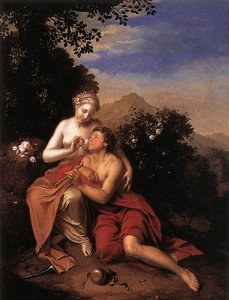
Pieter van der Werff
1665 - 1722 , Países Baixos
Informações Rápidas
- Artistic Movement Or Style: Barroco
- Artists Who Influenced This Artist: Adriaen van der Werff
- Date Of Birth: 1665
- Date Of Death: 1722
- Full Name: Pieter van der Werff
- Nationality: Holandês
- Notable Artworks:
- Expulsão de Adão e Eva
- Granida e Diafilo
- Bellen blazen (Bubble Blowing)
- Retrato de Johan de Vries
- Place Of Birth: The Hague, Netherlands