Post-Impressionism · 1931
In Summer (Pierre Bonnard, 1931)
Pierre Bonnard (1867–1947) criou In Summer. Data de 1931. Pertence ao movimento Post-Impressionism. É feito em Painting. Está conservada no Museu Estatal Pushkin de Artes Visuais, em Moscovo, Federação Russa.
- 1931
- Painting
- Museu Estatal Pushkin de Artes Visuais, Moscovo

 Visualizar na parede

 Pintura a Óleo Feita à Mão
 Compartilhar
 Compartilhar
 Ficha técnica


 Baixar imagem
 Semelhantes
 Raio X
 Ver diaporama
 Perguntas e Respostas

 Estatísticas
In Summer, em resumo
- Título
- In Summer
- Artista
- Pierre Bonnard (1867–1947)
- Artista nascido em
- Fontenay-aux-Roses, França
- Data
- 1931
- Técnica
- Painting
- Onde ver
- Museu Estatal Pushkin de Artes Visuais, Moscovo, Federação Russa
- Movimento
- Post-Impressionism
- Período
- Modern
- Tema
- people, trees, bushes, buildings, red roofs, blue sky
O que In Summer retrata?
A Symphony of Light and Life
In the sun-drenched masterpiece "In Summer," painted in 1931, Pierre Bonnard invites us into a world where the boundaries between nature and human existence dissolve into a vibrant tapestry of color. This exquisite work serves as a quintessential example of the artist's late period, where his mastery of light reached its most profound heights. The scene captures a lively village street, not merely as a geographical location, but as a sensory experience. As the viewer’s eye wanders through the composition, they are greeted by the lush, almost tactile greenery of the foreground. Bonnard employs loose, energetic brushstrokes to render leaves in brilliant shades of emerald, citron, and gold, creating a sense of three-dimensional depth that makes the foliage feel as though it might sway with a passing summer breeze.
The painting functions as a window into a tranquil yet bustling French afternoon. Beyond the verdant frame of trees and bushes, the middle ground reveals the rhythmic pulse of village life. Figures move through the street, their forms rendered with a delicate touch that allows them to blend harmoniously with the architecture. The warm, terracotta hues of the rooftops provide a grounding contrast to the ethereal blue of the distant hills and the clear sky. This careful balance between the structured elements of the village and the wild, organic beauty of the flora creates a dynamic tension, drawing the observer deeper into the heart of this idyllic summer day.
The Intimist Touch and Technical Brilliance
As a prominent figure associated with the Nabis movement and a master of the "Intimist" style, Bonnard’s technique in "In Summer" transcends simple representation. He does not merely paint a landscape; he paints the feeling of warmth on skin and the scent of sun-warmed earth. His use of color is nothing short of revolutionary, utilizing high-contrast palettes to manipulate perception and light. The way the sunlight filters through the canopy, creating dappled patterns of shadow and brilliance, demonstrates a sophisticated understanding of optical effects that predates much of modern color theory. Each stroke is deliberate yet fluid, contributing to an overall atmosphere of movement and vitality.
For the discerning collector or interior designer, this piece offers more than just aesthetic beauty; it provides an emotional sanctuary. The painting’s ability to evoke nostalgia and a sense of peace makes it a transformative addition to any curated space. Whether placed in a sunlit gallery or a sophisticated living area, "In Summer" acts as a focal point that radiates warmth and vitality. It is a celebration of the fleeting moments of beauty that define our lives, captured forever in a permanent state of summer radiance. Owning a high-quality reproduction of this work allows one to bring the timeless, luminous spirit of Bonnard’s France into the modern home, offering a daily encounter with the sublime.
Em qual museu se encontra In Summer?
Museu Estatal Pushkin de Artes Visuais
Moscovo, Federação Russa
Origens e História do Museu O Museu Estatal Pushkin de Artes Visuais iniciou a sua existência em 1912, fundado pelo Professor Ivan Tsvetaev como um braço da Universidade de Moscovo. Em seus primórdios, a instituição ostentava um nome distinto, servindo como o Museu Alexander III em honra ao Imperador Alexander III. Este período inicial dedicava-se a proporcionar aos estudantes o acesso à história da arte através de diversos meios, incluindo o estudo minucioso da estatuária antiga.


Imagens em alta resolução de In Summer

Pierre Bonnard, In Summer (1931), Museu Estatal Pushkin de Artes Visuais. Domínio público.
Perguntas sobre In Summer respondidas
Onde posso ver a obra original "In Summer", de Pierre Bonnard?
A obra original "In Summer", de Pierre Bonnard encontra-se no Museu Estatal Pushkin de Artes Visuais, Moscovo, Federação Russa. Uma reprodução permite que a obra seja exibida em sua casa.
Em que ano foi criado "In Summer", de Pierre Bonnard?
"In Summer", de Pierre Bonnard foi criado em 1931.
Qual técnica foi utilizada em "In Summer", de Pierre Bonnard?
Pierre Bonnard utilizou a técnica de Painting para "In Summer". A técnica define a natureza material da obra original.
Quais temas aparecem em "In Summer", de Pierre Bonnard?
Os temas de "In Summer" são people, trees, bushes, buildings, red roofs, blue sky, green leaves, village street.
"In Summer" está em domínio público?
"In Summer", de Pierre Bonnard está em em domínio público — seus direitos autorais expiraram. Este status determina como a imagem da obra pode ser reproduzida.
Quem é o artista por trás de "In Summer"?
"In Summer" foi criado por Pierre Bonnard. As informações nesta página descrevem a obra original de Pierre Bonnard.
A qual movimento artístico "In Summer", de Pierre Bonnard pertence?
O movimento associado a "In Summer", de Pierre Bonnard é Post-Impressionism. Esta classificação situa a obra entre artistas e obras de arte relacionados.
A que período da carreira de Pierre Bonnard pertence "In Summer"?
"In Summer" representa o Late Period de Pierre Bonnard.
Com que idade Pierre Bonnard criou "In Summer"?
Pierre Bonnard tinha 64 anos quando criou "In Summer" em 1931. A idade é calculada a partir do ano de nascimento do artista, 1867.
Sobre o artista, Pierre Bonnard
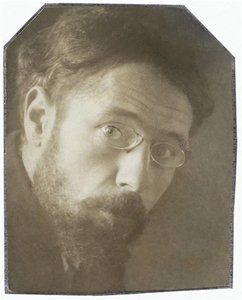
1867–1947, França
Pierre Bonnard
Vida Inicial, Família e Formação Pierre Bonnard chegou ao mundo em 3 de outubro de 1867, em Fontenay-aux-Roses, Hauts-de-Seine, França. Ele nasceu em uma família de expectativas estruturadas; seu pai, Eugène Bonnard, ocupava um cargo de alto escalão no Ministério da Guerra francês. Enquanto sua linhagem estava enraizada na estabilidade administrativa do Estado, a esfera doméstica de Pierre foi moldada por sua mãe, Élisabeth Mertzdorff, originária da Alsácia. Ele cresceu ao lado de seu irmão, Charles, e de sua irmã, Andrée, em um lar que veria sua irmã casar-se, eventualmente, com o compositor Claude Terrasse.
Também de Pierre Bonnard
 Nude1920
 La toilette, ca Private1932
 The almond tree in blossom
 Le placard rouge (The Red Cupboard),1939

Ensaios sobre In Summer
 Renoir’s Impressionist Masterpieces: A Definitive Guide to Light, Color, and the Art of JoyExplore the luminous world of Pierre-Auguste Renoir. Discover the history, technique, and emotional depth behind his Impressionist masterpi…
 The Art of Home: Capturing Intimacy and Light in Impressionist Domestic ScenesDiscover the enchanting world of Impressionist domestic scenes. Explore how masters like Bonnard and Vuillard captured light and intimacy, …
 Os 10 Clássicos do Impressionismo que Transformaram a Arte e Decoram Sua CasaDescubra os 10 quadros impressionistas que revolucionaram a arte! Explore Monet, Renoir e outros mestres do Impressionismo. Encontre reprod…