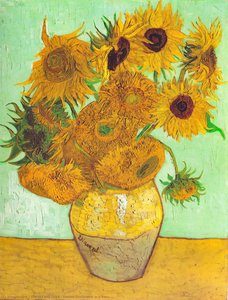
Visualizar em escala
 Enviar
 Compartilhar
 Ver detalhes
 Guia de Obras do Aluno

 Baixar imagem
 Semelhantes
 Raio X
 Apresentação de slides
 Estatísticas
1888
 Óleo sobre tela
- Arte de Parede
- Pós-Impressionismo
 1888
1888- Século XIX
 75.0 x 93.0 cm
 Museu Estatal Pushkin de Artes Visuais
 Ver mais
Reprodução em Óleo Feita à Mão
Óleo sobre tela pintado à mão no tamanho e moldura de sua escolha, feito sob encomenda pelos nossos artistas. ( Alternar para Impressão Ver Imagem Digital)




P118B €10

P118H €10

P118W €10

P438Z €10

P508JH €12

P508YH €12

P805H €10

P805Z €10

P919BZ €10

P919G €10

P919XJ €10

P959ZH €10

P968JZ €12

W106C €8

W218G €10

W218JH €8

W218Y €10

W307PJ €10

W316G €10

W316PJ €8

W316Y €10

W398PJ €8

W4111J €10

W500HY €15

W500JH €15

W692G €12

W849H €8

W940BG €15

W953PJ €8




Escolha entre os nossos tamanhos pré-definidos que respeitam as proporções originais da obra de arte.

Digite a largura e a altura de que necessita, para se ajustar à sua moldura ou à sua parede. Esta obra é pintada à mão, por isso, para um tamanho com uma proporção diferente, o artista pode pintar um pouco mais ao redor da imagem ou cortar um pouco — você escolhe. Enviamos-lhe uma maquete digital para aprovação antes de a pintura começar. A imagem exibida nesta página não mostra o resultado real — apenas a maquete mostra.
Após o pedido, a equipa OriginalUniqueArt.com enviará um e-mail ao cliente para solicitar instruções e fornecer uma prévia do esboço.
Entrega mundial () em 3 a 4 semanas, em vez das 5 semanas padrão. (23 Outubro). Sem comprometer a qualidade.

Envio expresso gratuito para todo o mundo

Tela de Linho Premium

Seguro de transporte total

Garantia de Reembolso de Impostos Alfandegários

Garantia de Fidelidade de Cor

Política de Devolução em 100 Dias (Apenas para Defeitos)

Garantia de reembolso de 100%

Desconto para múltiplas unidades
 A opção de vidro está disponível apenas para tamanhos inferiores a 110 cm

1888
Técnica de Reprodução
Dimensões da Reprodução
-


Preço Total
€ 264
O Vinhedo Vermelho: Uma Janela para a Alma de Van Gogh
A obra "O Vinhedo Vermelho", de Vincent van Gogh, pintada em novembro de 1888 durante sua estadia em Arles, é muito mais do que uma simples representação do trabalho agrícola; é uma exploração profunda da luz, da cor e da conexão humana com a terra. Este óleo sobre tela de estopa, que agora reside no Museu Estatal Pushkin, em Moscou, oferece um vislumbre raro da visão intensamente pessoal do artista – uma visão forjada pela observação, pela emoção e por um anseio quase palpável de pertencimento. A pintura atrai o olhar imediatamente com sua paleta vibrante: tons profundos de vermelho e ocre dominam a cena, pontuados por pinceladas de amarelo e azul que capturam a luz crepuscular de uma tarde de outono. É uma cena repleta de atividade, mas imbuída de uma dignidade silenciosa enquanto vários trabalhadores cuidam diligentemente das uvas em crescimento.
A técnica de Van Gogh é instantaneamente reconhecível – pinceladas ousadas e expressivas criam uma sensação de movimento e textura. Ele não renderiza meticulosamente cada detalhe; em vez disso, utiliza a cor e a forma para transmitir atmosfera e sentimento. As figuras são simplificsadas, quase abstratas, mas suas posturas sugerem o ritmo do trabalho, a experiência compartilhada do labor sob o céu aberto. Note como o artista constrói camadas de tinta, criando uma qualidade luminosa que parece emanar do próprio interior da tela. Esta técnica, característica do Pós-Impressionismo, prioriza a percepção subjetiva em detrimento do realismo estrito – Van Gogh está menos interessado em representar o vinhedo com precisão do que em capturar sua essência.
Um Retrato da Vida Rural e das Influências Artísticas
O contexto histórico da pintura está profundamente entrelaçado com a jornada pessoal de Van Gogh. Criada durante um período de intensa experimentação e turbulência emocional, "O Vinhedo Vermelho" reflete sua fascinação pela vida rural e seu desejo de se conectar com a classe trabalhadora. Ele havia sido profundamente tocado pela pobreza e pelas dificuldades que testemunhou no sul da França, e buscou retratar a dignidade daqueles que labutavam na terra. Esse interesse foi alimentado por sua obra anterior, Os Comedores de Batata, que retratava uma família camponesa partilhando uma refeição escassa – um contraste marcante com as paisagens idealizadas favorecidas por muitos de seus contemporâneos.
Além disso, o desenvolvimento artístico de Van Gogh durante este período foi significativamente moldado pelas xilogravuras japonesas (Ukiyo-e). As perspectivas achatadas, as composições ousadas e a ênfase na cor encontradas nessas gravuras influenciaram profundamente sua abordagem à pintura. Curiosamente, a obra também carrega ecos do Impressionismo, particularmente em seu foco em capturar momentos fugazes de luz e atmosfera – uma técnica que ele inicialmente admirou, mas que acabou rejeitando em favor de seu próprio estilo expressivo. Vale notar que o amigo de Van Gogh e também artista, Eugène Boch, que também era um pintor impressionista, desempenhou um papel na criação da pintura; Anna Boch, irmã de Eugène, adquiriu a obra na exposição Les XX de 1890.
Simbolismo e Ressonância Emocional
Para além de sua representação do trabalho agrícola, "O Vinhedo Vermelho" é rico em significado simbólico. As próprias uvas vermelhas representam a abundância, a fertilidade e a promessa da colheita – um símbolo potente de vida e sustento. As figuras trabalhando no campo encarnam a resiliência, o trabalho árduo e uma conexão com o mundo natural. O cavalo puxando a carroça ou arando a terra reforça ainda mais este tema, simbolizando a relação duradoura entre humanos e animais, e a natureza cíclica do labor agrícola.
No entanto, sob a superfície desta cena aparentemente idílica, reside uma subtil corrente de melancolia. As próprias lutas de Van Gogh com a doença mental são palpáveis na intensidade da pintura – as cores vibrantes parecem quase febris, refletindo seu estado emocional exacerbado. As figuras solitárias trabalhando contra a vasta extensão da paisagem evocam um senso de isolamento e saudade. É esta complexa interação entre beleza e tristeza que torna "O Vinhedo Vermelho" uma obra de arte tão profundamente comovente.
Uma Reprodução para o Seu Espaço
A OriginalUniqueArt oferece reproduções meticulosamente pintadas à mão de “O Vinhedo Vermelho”, capturando a essência da visão original de Van Gogh com excepcional detalhe e fidelidade. Cada reprodução é criada utilizando técnicas tradicionais de pintura a óleo, garantindo que possua a mesma qualidade luminosa e pinceladas expressivas da própria obra-prima. Quer você seja um entusiasta da arte, um colecionador ou alguém que simplesmente busca adicionar um toque de inspiração artística ao seu lar, nossas reproduções proporcionam uma maneira bela e autêntica de vivenciar esta obra icônica. Considere como os vermelhos e amarelos intensos complementarão sua decoração atual, criando uma atmosfera calorosa e convidativa. Explore outras obras-primas de Van Gogh na OriginalUniqueArt.com – incluindo “Le Peintre aux Étoiles” – para construir uma coleção que reflita seu estilo pessoal e sua apreciação pelo gênio artístico.
Perguntas e Respostas
Qual tamanho de reprodução é sugerido para "1888" de Vincent Van Gogh?
O tamanho de impressão recomendado para "1888" de Vincent Van Gogh é Grande formato.
Posso ver "1888" de Vincent Van Gogh sob diferentes luzes?
A página Raio X de "1888" de Vincent Van Gogh é um visualizador interativo que permite percorrer onze camadas ópticas da imagem da obra, incluindo uma visualização em estilo raio-X.
"1888", de Vincent Van Gogh, está em domínio público? E por quê?
"1888" de Vincent Van Gogh está em em domínio público - seus direitos autorais expiraram. O período de direitos autorais conta a partir do falecimento do artista, ocorrido em 1890.
Biografia do Artista
Uma Vida Pintada com Paixão: Vincent van Gogh
Vincent Willem van Gogh, um nome sinônimo de cores vibrantes e emoção pura, permanece como uma das figuras mais reconhecíveis e amadas da história da arte. Nascido em 30 de março de 1853, em Zundert, na Holanda, sua jornada — de um jovem atormentado em busca de propósito a um visionário artístico — é um conto comovente de dedicação, luta e, finalmente, um legado eterno. Embora tenha alcançado pouco sucesso comercial durante sua vida — vendendo apenas uma pintura, A Vinha Tinta, antes de sua morte — o impacto de Van Gogh na arte moderna é imensurável, abrindo caminho para o Expressionismo e influenciando inúmeros artistas que o sucederam. Sua história não trata apenas de pinceladas e telas; é um testemunho do poder da expressão humana diante da adversidade.
Anos Iniciais e o Despertar Artístico
A vida de Van Gogh foi marcada por uma série de aspirações não realizadas. Ele experimentou diversas profissões — negociante de arte, professor e até missionário — antes de finalmente se dedicar à pintura na idade relativamente tardia de 27 anos. Essas experiências anteriores moldaram profundamente sua visão de mundo e encontraram eco em sua arte. Suas obras iniciais, retratando cenas da vida camponesa na zona rural da Bélgica, refletem uma profunda empatia pela classe trabalhadora e uma paleta sombria que espelhava suas dificuldades. Influenciado por artistas como Jean-François Millet, Van Gogh buscou capturar a dignidade e a resiliência desses indivíduos através de um realismo cru. No entanto, foi sua mudança para Paris, em 1886, que se mostrou transformadora. Lá, ele encontrou o Impressionismo e o Pós-Impressionismo, absorvendo as técnicas de mestres como Monet, Renoir e Pissarro. Essa exposição ampliou seus horizontes artísticos, levando-o a experimentar cores mais brilhantes e pinceladas mais soltas, embora mantendo uma intensidade emocional distinta, ausente em muitos de seus contemporâês. Seu irmão Theo, um negociante de arte, desempenhou um papel crucial durante este período, fornecendo apoio financeiro e atuando como um elo vital com o mundo artístico parisiense. A extensa correspondência entre eles oferece percepções inestimáveis sobre o desenvolvimento artístico e as lutas pessoais de Van Gogh.
A Luz do Sul e a Criatividade Explosiva
Buscando uma paisagem mais vibrante e um senso de renovação, Van Gogh mudou-se para Arles, no sul da França, em 1888. Este movimento marcou um período de intensa produção criativa, caracterizado por uma explosão de cores e uma técnica de impasto distinta — aplicando a tinta generosamente sobre a tela, criando uma superfície texturizada que parece pulsar com energia. Foi aqui que ele produziu algumas de suas obras mais icônicas: Girassóis, O Café Noturno e A Noite Estrelada. A luz intensa da Provence parecia incendiar sua imaginação, levando-o a retratar paisagens e naturezas-mortas com uma vivacidade sem precedentes. Seu desejo por colaboração artística o levou a convidar Paul Gauguin para se juntar a ele em Arles, na esperança de estabelecer uma colônia utópica de artistas. No entanto, o relacionamento entre eles provou ser volátil, culminando em um confronto dramático que resultente na automutilação da própria orelha por Van Gogh. Este evento sublinhou a fragilidade de seu estado mental e marcou o início de um período de institucionalização e crescente sofrimento psicológico.
Anos Finais e Legado Duradouro
Após seu colapso, Van Gogh internou-se voluntariamente em um manicômio em Saint-Rémy, onde continuou a pintar profusamente, capturando as paisagens circundantes com beleza e turbulência. Obras como A Noite Estrelada, pintadas durante esse tempo, são imbuídas de um senso de maravilhamento cósmico e profunda profundidade emocional. Mais tarde, ele mudou-se para Auvers-sur-Oise sob os cuidados do Dr. Paul Gachet, mas suas lutas persistiram. Em 29 de julho de 1890, aos 37 anos, Van Gogh morreu tragicamente devido a um ferimento de arma de fogo autoinfligido. Apesar de ter alcançado pouco reconhecimento em vida, seu trabalho começou a ganhar aclamação póstuma graças, em grande parte, aos esforços incansáveis de sua cunhada, Johanna van Gogh-Bonger, que herdou seu espólio e dedicou-se a promover sua arte. Hoje, as pinturas de Van Gogh são celebradas mundialmente por sua intensidade emocional, técnicas inovadoras e beleza duradoura. Seu legado estende-se muito além da tela; ele tornou-se um símbolo da paixão artística, da perseverança diante da adversidade e do poder da arte em expressar as emoções humanas mais profundas.
Principais Influências e Desenvolvimento Artístico
- Realismo Inicial: As representações da vida camponesa de Jean-François Millet influenciaram os primeiros trabalhos de Van Gogh.
- Impressionismo e Pós-Impressionismo: A exposição a Monet, Renoir, Pissarro e outros em Paris ampliou sua paleta e técnica.
- Gravuras Japonesas: Van Gogh foi profundamente influenciado pelas xilogravuras japonesas, que colecionava avidamente. Suas composições ousadas e planos de cores chapados impactaram seu próprio estilo.
- Expressão Emocional: Acima de tudo, Van Gogh buscava transmitir emoção através de sua arte, priorizando a experiência subjetiva sobre a representação objetiva. Esse foco na intensidade emocional tornou-se uma característica definidora de seu trabalho e abriu caminho para o Expressionismo.
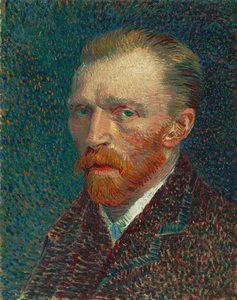
Vincent Van Gogh
1853 - 1890 , Países Baixos
Informações Rápidas
- Artistic Movement Or Style: Pós-Impressionismo
- Artists Or Movements Influenced By This Artist:
- Expressionismo
- Fauvismo
- Artists Who Influenced This Artist:
- Rembrandt
- Millet
- Date Of Birth: 30 de Março de 1853
- Date Of Death: 29 de Julho de 1890
- Full Name: Vincent Willem van Gogh
- Nationality: Holandês
- Notable Artworks:
- O Pintor de Camponeses
- Girassóis
- Noite Estrelada
- Café à Noite
- Place Of Birth: Zundert, Holanda
Artigos Relacionados
Decoding Van Gogh's Turmoil: OriginalUniqueArt’s Masterful Reproductions of Emotional Depth
Discover exquisite Van Gogh reproductions from OriginalUniqueArt – expert art specialists offering museum-quality prints & custom paintings. Trust our authentic process and elevate your collection today.
Beyond Impressionism: Exploring the Emotional Depth of Post-Impressionist Painting
Explore the profound emotional depth & innovative techniques of Post-Impressionism with OriginalUniqueArt. Discover Cézanne, Van Gogh, Gauguin & more – and their lasting impact on modern art.

Rembrandt van Rijn: As 25 Obras-Primas que Definem um Mestre da Luz e Sombra | OriginalUniqueArt
Descubra as 25 obras-primas de Rembrandt van Rijn, o mestre da luz e sombra! Explore a história por trás de 'A Ronda Noturna', seus auto-retratos e muito mais. Encontre reproduções de arte exclusivas para decorar sua casa com OriginalUniqueArt.com.
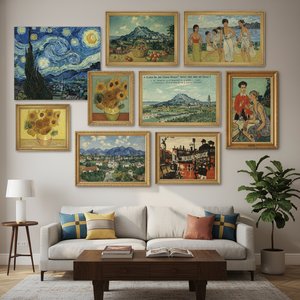
Os 10 Mestres do Pós-Impressionismo: Obras que Transformaram a Arte e Decoram o Lar
Descubra os 10 quadros pós-impressionistas que revolucionaram a arte! Explore Van Gogh, Monet e Cézanne. Encontre reproduções de alta qualidade para decorar sua casa com obras atemporais em OriginalUniqueArt.com.

Os 10 Ícones do Impressionismo para Inspirar sua Decoração | OriginalUniqueArt
Descubra os 10 quadros impressionistas mais icônicos de Monet, Renoir e Degas! Explore a história, cores vibrantes e técnicas revolucionárias do Impressionismo. Encontre reproduções de arte exclusivas para inspirar sua decoração em OriginalUniqueArt.com.