
 Visualizar na parede
 Compartilhar
 Compartilhar
 Detalhes
 Guia
Guia

 Baixar imagem
 Semelhantes
 Raio X
 Ver diaporama
 Perguntas e Respostas
 Estatísticas
The Music Room


 Ler mais
Giclée / Impressão de Arte
Impressão giclée ou em tela de qualidade de museu, com produção rápida e opções flexíveis de acabamento. ( Comprar pintura feita à mão Alternar para Imagem Digital)




P118B €10

P118H €10

P118W €10

P438Z €10

P508JH €12

P508YH €12

P805H €10

P805Z €10

P919BZ €10

P919G €10

P919XJ €10

P959ZH €10

P968JZ €12

W106C €8

W218G €10

W218JH €8

W218Y €10

W307PJ €10

W316G €10

W316PJ €8

W316Y €10

W398PJ €8

W4111J €10

W500HY €15

W500JH €15

W692G €12

W849H €8

W940BG €15

W953PJ €8




Escolha entre os nossos tamanhos pré-definidos que respeitam as proporções originais da obra de arte.

Insira a largura e a altura desejadas para se ajustarem à sua moldura ou parede. Uma impressão pode ser apenas cortada, nunca ampliada além da imagem original; portanto, um tamanho com proporções diferentes resultará na perda de parte da imagem. Enviamos uma maquete digital para sua aprovação antes de realizarmos a impressão. A imagem exibida nesta página não mostra o corte real — apenas a maquete o faz.
Entrega mundial () em 2 semanas, em vez das 4/5 semanas padrão. (6 Novembro)

Envio expresso gratuito para todo o mundo

Tela de Linho de Alta Qualidade

Seguro de transporte completo

Garantia de Reembolso de Impostos Alfandegários

Garantia de Fidelidade Cromática

Política de Devolução em 100 Dias (Apenas para Defeitos)

Garantia de reembolso de 100%

Oferta de desconto por quantidade
 A opção de vidro está disponível apenas para tamanhos inferiores a 110 cm

The Music Room
Giclée / Impressão de Arte
Tamanho da Reprodução
-


Preço Total
€ 72
A Moment of Intimacy: Philip Wilson Steer’s “The Music Room”
Philip Wilson Steer's "The Music Room," painted in 1906, isn’t merely a depiction of two women playing the violin; it’s a carefully constructed tableau of serenity and domestic grace, imbued with the subtle nuances of Impressionism. This captivating work offers a glimpse into a world of refined leisure, capturing an ephemeral moment within a richly furnished room—a space that speaks volumes about its inhabitants and the era in which it was created.
Steer, a British painter deeply influenced by the French Impressionists, particularly Monet and Renoir, possessed a remarkable ability to translate light and atmosphere onto canvas. “The Music Room” exemplifies this talent. He masterfully employs broken brushstrokes and delicate layering of color—primarily soft blues, greens, and ochres—to create an illusion of diffused light filtering through the windows. Notice how he doesn’t attempt to render every detail with photographic precision; instead, he prioritizes capturing the *feeling* of the scene – a sense of warmth, quiet contemplation, and understated elegance.
The Scene Unfolds: Composition and Detail
The composition is deceptively simple yet profoundly effective. The two women, positioned in the foreground, are bathed in gentle light, their faces partially obscured, inviting the viewer to project their own emotions onto them. One woman, seated on the floor with a violin resting gracefully in her lap, appears to be leading the music, while the other stands behind her, also holding an instrument. The arrangement feels natural and unforced, as if captured during a spontaneous moment of shared enjoyment. The room itself is meticulously rendered—a luxurious space filled with comfortable furnishings: a plush sofa, a chair draped in velvet, and several framed pictures adorning the walls – each contributing to the overall sense of wealth and refinement.
Steer’s attention to detail is noteworthy. The instruments are depicted with remarkable accuracy, reflecting the craftsmanship of the period. The clock on the wall subtly anchors the scene within a specific time, adding another layer of realism. However, it's the subtle details—the folds in the fabric, the glint of light on polished wood—that truly elevate the painting and draw the viewer into its world.
A Window into Edwardian England
"The Music Room" is firmly rooted in the Edwardian era (1901-1910), a period characterized by social conservatism, burgeoning prosperity, and a renewed interest in art and culture. The painting reflects this atmosphere of restrained elegance and refined leisure—a world where music, literature, and conversation were considered essential components of a cultured life. The room’s furnishings and the women's attire – though not overtly extravagant – suggest a comfortable level of affluence.
Steer was particularly interested in capturing scenes of everyday life, imbuing them with an artistic sensibility. He wasn’t simply painting portraits; he was attempting to convey the *essence* of human experience—the quiet joys and subtle connections that define our lives. “The Music Room” is a testament to his ability to achieve this goal.
Symbolism and Emotional Resonance
Beyond its realistic depiction, "The Music Room" carries symbolic weight. The act of playing music itself represents harmony, connection, and the pursuit of beauty. The intimate setting suggests a shared bond between the women—a moment of companionship and mutual appreciation. The soft lighting and muted colors evoke feelings of tranquility, nostalgia, and perhaps even a touch of melancholy.
Steer’s masterful use of light and color creates an emotional resonance that transcends mere representation. The painting invites us to step into the scene, to imagine ourselves as silent observers of this quiet moment—a reminder of the simple pleasures and enduring beauty found in everyday life. It's a work that speaks to our shared humanity and our appreciation for art’s ability to capture and convey profound emotions.
Perguntas e Respostas
Quais cores predominam em "The Music Room", de Philip Wilson Steer?
"The Music Room", de Philip Wilson Steer utiliza uma paleta Earthy, com Rosy Brown (#baa581) como cor dominante.
Para qual ambiente se sugere "The Music Room", de Philip Wilson Steer?
"The Music Room", de Philip Wilson Steer é recomendado para um(a) Hotel Lobby. Esta sugestão baseia-se no tema, nas cores e na atmosfera da obra.
Qual é a saturação e a intensidade de "The Music Room", de Philip Wilson Steer?
A cor de "The Music Room" apresenta Balanced Soft de saturação e Balanced de intensidade.
Biografia do Artista
Os Primeiros Anos e a Formação Artística de Philip Wilson Steer
Philip Wilson Steer, nascido em Birkenhead em 1860, floresceu num ambiente familiar profundamente imerso no mundo da arte – seu pai era tanto retratista quanto um dedicado professor de artes. Essa exposição precoce revelou-se fundamental, nutrindo uma sensibilidade que definiria o curso de sua vida. A mudança para Whitchurch, perto de Monmouth, quando tinha apenas três anos, instilou uma conexão com a paisagem britânica que ressoaria ao longo de toda a sua obra. Sua educação formal começou na Hereford Cathedral School, proporcionando uma base sólida antes de se dedicar integralmente às suas ambições artísticas. A formação de Steer continuou na Gloucester School of Art e nas South Kensington Drawing Schools, mas foi sua estadia em Paris entre 1880 e 1884 que provou ser verdadeiramente transformadora. Estudando na Académie Julian e posteriormente com Alexandre Cabanel na École des Beaux Arts, ele encontrou um mundo repleto de novas ideias e abordagens para a pintura.A Adoção do Impressionismo e um Estilo Distinto
Paris tornou-se um cadinho para o desenvolvimento artístico de Steer. Ele ficou profundamente comovido pelas obras de Édouard Manet e James McNeill Whistler, absorvendo suas técnicas inovadoras na captura da luz, cor e atmosfera. Essa exposição acendeu nele uma paixão pelo Impressionismo, embora ele nunca o tenha simplesmente replicado. Steer habilmente combinou essas influências francesas com sua sensibilidade inglesa inerente, forjando um estilo exclusivamente seu. Suas pinturas são caracterizadas por uma notável capacidade de capturar momentos fugazes – o jogo da luz solar na água, a qualidade efêmera do ar costeiro. Ele empregou pinceladas soltas e cores vibrantes não apenas para retratar cenas, mas para evocar emoções e criar uma sensação imersiva de imediatismo. Temas recorrentes em seu trabalho incluem cenas de praia e paisagens marinhas, frequentemente banhadas por luz prateada e translúcida, demonstrando um domínio na representação do frescor e da luminosidade desses ambientes. Obras como The Music Room, no início de sua carreira, mostram sua crescente habilidade com composição e luz, enquanto peças como Girls Running: Walberswick Pier explodem com a energia e a vitalidade de uma cidade costeira de Suffolk.Um Defensor da Arte Moderna e a Influência de Étaples
Steer não se contentou apenas em pintar; ele moldou ativamente o cenário artístico da Grã-Bretanha. Ele desempenhou um papel fundamental na fundação do New English Art Club, uma organização dedicada à defesa da expressão artística moderna – uma mudança ousada num momento em que os gostos tradicionais ainda prevaleciam. Através desta plataforma e exposições regulares na Royal Academy, incluindo a participação na inovadora London Impressionist Exhibition de 1889, ele ajudou a introduzir novas ideias e desafiar as normas convencionais. Seu tempo gasto na colônia artística de Étaples em 1887 refinou ainda mais sua visão artística. Esta vibrante comunidade de artistas proporcionou um ambiente estimulante para experimentação e colaboração, solidificando sua capacidade de capturar a luz e a atmosfera com crescente nuance e habilidade. Steer inspirou-se numa variedade diversificada de mestres – John Constable, J.M.W. Turner e até mesmo François Boucher – mas sempre filtrava essas influências através de sua própria perspectiva única.Legado, Reconhecimento e Influência Duradoura
Philip Wilson Steer continuou a pintar prolificamente até que problemas de saúde o forçaram a parar em 1940, falecendo dois anos depois aos 81 anos. Suas contribuições foram amplamente reconhecidas durante sua vida, culminando numa Ordem do Mérito. Hoje, suas obras estão presentes em coleções prestigiadas em todo o mundo, incluindo a Tate Gallery e até mesmo a Galeria Uffizi – um testemunho de seu reconhecimento internacional. Além de suas pinturas, o legado de Steer se estende por sua longa atuação como tutor de pintura na Slade School of Art. Por muitos anos, ele influenciou profundamente gerações de jovens artistas, transmitindo não apenas habilidades técnicas, mas também uma profunda apreciação pela observação e integridade artística. Sua contribuição para o desenvolvimento e aceitação do Impressionismo na Grã-Bretanha é inegável, consolidando seu lugar como uma figura significativa na história da arte britânica – um pintor que conseguiu preencher a lacuna entre tradição e modernidade, deixando uma marca duradoura na paisagem artística britânica. Obras notáveis como Convalescent, com suas ricas texturas e olhar evocativo, e The Teme at Ludlow, destacando a beleza serena e o magistral trabalho de pincel, continuam a cativar o público hoje, demonstrando a qualidade atemporal de sua visão artística.
Philip Wilson Steer
1860 - 1942 , Reino Unido
Dados Rápidos
- Artistas Que O Influenciaram:
- Manet
- Whistler
- Artistas/Movimentos Influenciados: ['Impressionismo Britânico']
- Data Da Morte: 18 de março de 1942
- Data De Nascimento: 28 de dezembro de 1860
- Local De Nascimento: Birkenhead, Reino Unido
- Movimento Artístico: Impressionismo
- Nacionalidade: Britânico
- Nome Completo: Philip Wilson Steer
- Obras Notáveis:
- The Music Room
- Girls Running
Artigos Relacionados

Os 10 Ícones do Impressionismo para Inspirar sua Decoração | OriginalUniqueArt
Descubra os 10 quadros impressionistas mais icônicos de Monet, Renoir e Degas! Explore a história, cores vibrantes e técnicas revolucionárias do Impressionismo. Encontre reproduções de arte exclusivas para inspirar sua decoração em OriginalUniqueArt.com.
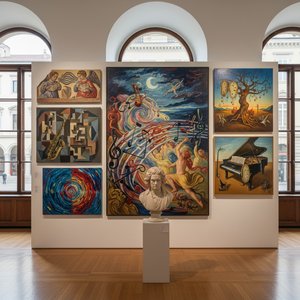
Harmonies on Canvas: Exploring the Visual Representation of Music in Art History
Explore the fascinating history of music's visual representation in art! From ancient symbolism to modern abstraction, discover how artists have captured sound and emotion on canvas. Expert insights & stunning examples.

Paul Cézanne: As 25 Obras-Primas que Definiram um Gênio da Arte Moderna | OriginalUniqueArt
Descubra as 25 obras-primas de Paul Cézanne, o mestre do pós-impressionismo! Explore a história, técnica e cores vibrantes por trás de quadros icônicos como 'Les Baigneurs' e 'Mont Sainte-Victoire'. Encontre reproduções de arte exclusivas para decorar sua casa com elegância em OriginalUniqueArt.com.

Claude Monet: As 25 Obras-Primas Essenciais para Amantes da Arte e Decoração
Descubra as 25 obras-primas de Claude Monet, o mestre do Impressionismo! Explore a história por trás dos nenúfares, paisagens e cores vibrantes que revolucionaram a arte. Encontre reproduções de alta qualidade para decorar sua casa com a beleza atemporal de Monet em OriginalUniqueArt.com.

Philip Wilson Steer: Capturing Modern Life & British Impressionism's Essence
Explore the life & art of Philip Wilson Steer, a leading British Impressionist painter. Discover his coastal scenes, influences, and legacy. Expert analysis & high-quality reproductions at OriginalUniqueArt.
