
 Visualizar na parede
 Compartilhar
 Compartilhar
 Detalhes
 Guia
Guia

 Baixar imagem
 Semelhantes
 Raio X
 Ver diaporama
 Perguntas e Respostas
 Estatísticas
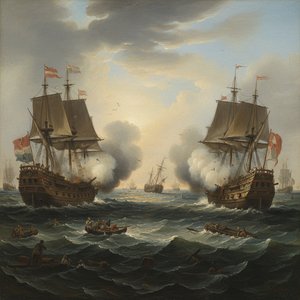
Shipwreck

- 58.0 x 81.0 cm


 Ler mais
Giclée / Impressão de Arte
Impressão giclée ou em tela de qualidade de museu, com produção rápida e opções flexíveis de acabamento. ( Comprar pintura feita à mão Alternar para Imagem Digital)




P118B €10

P118H €10

P118W €10

P438Z €10

P508JH €12

P508YH €12

P805H €10

P805Z €10

P919BZ €10

P919G €10

P919XJ €10

P959ZH €10

P968JZ €12

W106C €8

W218G €10

W218JH €8

W218Y €10

W307PJ €10

W316G €10

W316PJ €8

W316Y €10

W398PJ €8

W4111J €10

W500HY €15

W500JH €15

W692G €12

W849H €8

W940BG €15

W953PJ €8




Escolha entre os nossos tamanhos pré-definidos que respeitam as proporções originais da obra de arte.

Insira a largura e a altura desejadas para se ajustarem à sua moldura ou parede. Uma impressão pode ser apenas cortada, nunca ampliada além da imagem original; portanto, um tamanho com proporções diferentes resultará na perda de parte da imagem. Enviamos uma maquete digital para sua aprovação antes de realizarmos a impressão. A imagem exibida nesta página não mostra o corte real — apenas a maquete o faz.
Entrega mundial () em 2 semanas, em vez das 4/5 semanas padrão. (6 Novembro)

Envio expresso gratuito para todo o mundo

Tela de Linho de Alta Qualidade

Seguro de transporte completo

Garantia de Reembolso de Impostos Alfandegários

Garantia de Fidelidade Cromática

Política de Devolução em 100 Dias (Apenas para Defeitos)

Garantia de reembolso de 100%

Oferta de desconto por quantidade
 A opção de vidro está disponível apenas para tamanhos inferiores a 110 cm

Shipwreck
Giclée / Impressão de Arte
Tamanho da Reprodução
-


Preço Total
€ 72
A Tempestuous Vision: Philip James de Loutherbourg’s “Shipwreck”
Philip James de Loutherbourg's "Shipwreck," painted in 1793, isn’t merely a depiction of maritime disaster; it’s a visceral exploration of human vulnerability against the overwhelming power of nature. This dramatic landscape, now housed within the Southampton City Art Gallery, transcends simple realism to become a potent allegory for survival, desperation, and the precariousness of existence – themes that resonated deeply with the burgeoning Romantic movement of the late 18th century.
The painting immediately commands attention through its turbulent composition. A colossal wave, rendered in thick, swirling brushstrokes of indigo, ochre, and grey, dominates the scene, threatening to engulf a shattered vessel – the remnants of a once-proud ship now reduced to splintered wood and clinging figures. Loutherbourg masterfully employs chiaroscuro, utilizing stark contrasts between light and shadow to heighten the drama and emphasize the immediate threat. The dark, brooding sky, pregnant with impending storm, mirrors the despair etched on the faces of those struggling for survival amidst the wreckage.
The Baroque Influence & Dramatic Lighting
While firmly rooted in the Romantic sensibility, "Shipwreck" reveals a clear debt to the Baroque tradition, particularly in its theatrical use of light and shadow. Loutherbourg, who had trained under Charles-André van Loo, inherited a penchant for dramatic effects – a skill he honed not only as a painter but also as a stage designer for London’s Drury Lane Theatre. This influence is evident in the painting's heightened emotional intensity and its carefully orchestrated composition, designed to draw the viewer directly into the heart of the scene.
The figures themselves are illuminated from the left, casting long, dramatic shadows that accentuate their vulnerability and heighten the sense of urgency. Loutherbourg’s technique is particularly noteworthy in his rendering of water – not as a smooth, reflective surface, but as a chaotic, dynamic force, teeming with movement and energy. The artist's attention to detail extends to the depiction of the ship itself, meticulously rendered with a sense of both grandeur and impending doom. The use of layered textures—the rough splintered wood, the slickness of the waves, the ragged clothing of the survivors—adds considerable depth and realism to the scene.
Symbolism & The Romantic Spirit
Beyond its immediate depiction of a shipwreck, “Shipwreck” is rich in symbolic meaning. The storm represents not just a natural event but also the unpredictable forces that govern human life – fate, adversity, and the limitations of control. The survivors, huddled together on the rocks, embody the resilience of the human spirit in the face of overwhelming odds. Their desperate struggle for survival speaks to our shared vulnerability and our innate desire to endure.
The inclusion of bandits attacking the lifeboat adds another layer of complexity, suggesting a broader theme of exploitation and injustice. It’s a subtle but powerful commentary on the darker aspects of human nature – the willingness to prey upon the weak in times of crisis. This painting perfectly encapsulates the Romantic spirit's fascination with both the sublime beauty and terrifying power of the natural world, alongside its exploration of profound emotional experiences.
A Legacy of Dramatic Art
Philip James de Loutherbourg’s “Shipwreck” stands as a testament to his artistic versatility and his ability to capture the drama and intensity of human experience. It's a work that continues to resonate with viewers today, prompting reflection on our own vulnerabilities and our capacity for both despair and resilience. The painting’s enduring appeal lies in its masterful composition, its evocative use of light and shadow, and its profound exploration of timeless themes – all rendered with the skill and passion characteristic of a true Romantic artist.
Perguntas e Respostas
Como "Shipwreck" equilibra luz e sombra?
Os valores registrados para "Shipwreck", de Philip James de Loutherbourg são: deep_shadow de brilho e Dark de luminância.
Quais são as dimensões da obra original "Shipwreck"?
"Shipwreck" mede 58 x 81 cm em sua forma original. As dimensões originais são uma referência útil ao escolher o tamanho de uma reprodução.
Em que fase da carreira de Philip James de Loutherbourg se situa "Shipwreck", considerando a sua data?
"Shipwreck", criado em 1767, pertence ao Mature Period da carreira de Philip James de Loutherbourg.
Biografia do Artista
Philip James de Loutherbourg: Uma Vida de Arte, Teatro e Intriga
- Nascimento: Estrasburgo, França (1740)
- Falecimento: 1812
Philip James de Loutherbourg, também conhecido como Philip Jacques de Loutherbourg, foi um pintor franco-britânico celebrado por suas representações dramáticas de batalhas navais, paisagens expansivas e contribuições inovadoras para o design teatral. Sua carreira estendeu-se por várias décadas, marcada por uma versatilidade artística singular, uma breve incursão no ocultismo e uma influência significativa sobre as gerações subsequentes de artistas.
Primeiros Anos e Formação Artística
Nascido em Estrasburgo em 1740, a infância de Loutherbourg foi moldada pela figura de seu pai, um gravador e miniaturista. Embora inicialmente destinado ao ministério, ele abandonou esse caminho para perseguir uma carreira nas artes. Sua formação formal teve início em Paris, sob a tutela de Charles-André van Loo e Francesco Giuseppe Casanova. Loutherbourg demonstrou rapidamente um talento excepcional, conquistando reconhecimento no Salão de 1763 com sua paisagem repleta de figuras e animais. Ele continuou a exibir com sucesso em Salões subsequentes, recebendo elogios de críticos influentes como Denis Diderot. Em 1767, foi eleito para a Academia Francesa, um testemunho de sua reputação crescente.
Carreira na Inglaterra: Cenas Navais, Paisagens e Teatro
Em 1771, Loutherbourg mudou-se para Londres, onde rapidamente se estabeleceu como um artista proeminente. Uma apresentação crucial feita por David Garrick levou a encomendas significativas de cenografia para o Drury Lane Theatre. Suas inovações teatrais foram revolucionárias, incluindo a criação do Eidophusikon em 1781 – um teatro mecânico que utilizava perspectiva e efeitos ilusionistas para criar cenas imersivas. Esta invenção demonstrou sua engenhosidade e o consagrou como um pioneiro na tecnologia teatral.
Simultaneamente, Loutherbourg ganhou renome por suas pinturas históricas, particularmente suas representações de batalhas navais. Sua obra mais famosa, Lord Howe's Action, or the Glorious First of June (1795), comemorou uma vitória britânica significativa e o estabeleceu como um dos principais cronistas de eventos marítimos. Suas paisagens, embora por vezes criticadas por serem um tanto teatrais, capturavam a beleza pitoresca da campiña inglesa e refletiam os ideais estéticos da época.
- Obras Notáveis: Lord Howe's Action, or the Glorious First of June, The Destruction of the Armada, Coalbrookdale by Night
Um Período de Interesses Ocultos e Anos Tardios
Em uma reviravolta surpreendente, Loutherbourg abandonou temporariamente a pintura em 1789 para perseguir um interesse pela alquimia e pelo sobrenatural. Ele associou-se a Alessandro di Cagliostro, uma figura notória conhecida por suas alegações fraudulentas de imortalidade e poderes ocultos. Loutherbourg viajou com Cagliostro antes da condenação deste à morte, embora os detalhes deste período permaneçam um tanto obscuros. Após a oposição pública às suas práticas de cura pela fé, ele retornou à pintura, concentrando-se em temas históricos e continuando a produzir paisagens e retratos.
Legado e Influência
Philip James de Loutherbourg deixou um legado duradouro como um artista versátil que uniu a pintura histórica, a arte da paisagem e o design teatral. Seu inovador Eidophusikon influenciou desenvolvimentos posteriores na cenografia, enquanto suas dramáticas cenas navais capturaram o espírito de uma era definida pelo poder marítimo. Sua obra pode ser encontrada em inúmeros museus ao redor do mundo, incluindo o National Maritime Museum e o British Museum. Ele também é reconhecido por influenciar artistas como J.M.W. Turner, demonstrando sua contribuição significativa para o desenvolvimento da arte Romântica na Grã-Bretanha.

Philip James de Loutherbourg
1740 - 1812 , França
Dados Rápidos
- Artistic Movement Or Style: Romanticismo
- Artists Or Movements Influenced By This Artist: ['Turner']
- Date Of Birth: 1740-10-31
- Date Of Death: 1812-03-11
- Full Name: Philip James de Loutherbourg
- Nationality: Franco-Britânico
- Notable Artworks:
- Lord Howe's Action, or the Glorious First of June
- The Destruction of the Armada
- Coalbrookdale by Night
- Place Of Birth: Strasbourg, França
Artigos Relacionados
Masterpieces of Maritime Warfare: The Artistry and Intensity of Naval Combat in Historical Painting
Explore the dramatic intensity of naval combat through art history. From Romanticism to classical maritime masterpieces, discover how legendary painters captured the chaos, light, and heroism of sea battles in breathtaking oil paintings.

Sobre nós
Descubra a nossa história! Levamos arte de classe mundial à sua vida através de uma seleção especializada, criações personalizadas e prévias gratuitas. Aprovado por particulares e empresas desde 2000.

Willem van de Velde the Elder: Master of Maritime Painting & Chronicler of the Dutch Golden Age
Discover the captivating maritime paintings of Willem van de Velde the Elder, a master chronicler of the Dutch Golden Age. Explore his unparalleled realism and lasting influence on naval art history.

Philip James de Loutherbourg: Romantic Visions of Maritime Life & the Sublime
Explore the dramatic naval scenes & landscapes of Philip James de Loutherbourg (1740-1812), a key figure in Romantic painting. Discover his legacy, theatrical innovations & iconic works like 'The Battle of the Nile' at OriginalUniqueArt.

Goya: As 25 Obras-Primas que Definem um Mestre da Arte Espanhola | OriginalUniqueArt
Descubra as 25 obras-primas de Francisco Goya, o mestre espanhol do Romantismo. Explore retratos icônicos, gravuras impactantes e a história por trás de 'Saturno Devorando seu Filho' e 'A Majas'. Encontre reproduções de arte exclusivas para decorar sua casa com OriginalUniqueArt.com.
