
 Visualizar na parede
 Compartilhar
 Compartilhar
 Detalhes
 Guia
Guia

 Baixar imagem
 Semelhantes
 Raio X
 Ver diaporama
 Perguntas e Respostas
 Estatísticas
The Crucifixion

- 269.0 x 307.0 cm


 Ler mais
Giclée / Impressão de Arte
Impressão giclée ou em tela de qualidade de museu, com produção rápida e opções flexíveis de acabamento. ( Comprar pintura feita à mão Alternar para Imagem Digital)




P118B €10

P118H €10

P118W €10

P438Z €10

P508JH €12

P508YH €12

P805H €10

P805Z €10

P919BZ €10

P919G €10

P919XJ €10

P959ZH €10

P968JZ €12

W106C €8

W218G €10

W218JH €8

W218Y €10

W307PJ €10

W316G €10

W316PJ €8

W316Y €10

W398PJ €8

W4111J €10

W500HY €15

W500JH €15

W692G €12

W849H €8

W940BG €15

W953PJ €8




Escolha entre os nossos tamanhos pré-definidos que respeitam as proporções originais da obra de arte.

Insira a largura e a altura desejadas para se ajustarem à sua moldura ou parede. Uma impressão pode ser apenas cortada, nunca ampliada além da imagem original; portanto, um tamanho com proporções diferentes resultará na perda de parte da imagem. Enviamos uma maquete digital para sua aprovação antes de realizarmos a impressão. A imagem exibida nesta página não mostra o corte real — apenas a maquete o faz.
Entrega mundial () em 2 semanas, em vez das 4/5 semanas padrão. (9 Novembro)

Envio expresso gratuito para todo o mundo

Tela de Linho de Alta Qualidade

Seguro de transporte completo

Garantia de Reembolso de Impostos Alfandegários

Garantia de Fidelidade Cromática

Política de Devolução em 100 Dias (Apenas para Defeitos)

Garantia de reembolso de 100%

Oferta de desconto por quantidade
 A opção de vidro está disponível apenas para tamanhos inferiores a 110 cm

The Crucifixion
Giclée / Impressão de Arte
Tamanho da Reprodução
-


Preço Total
€ 72
A Vision of Suffering: The Isenheim Altarpiece’s Central Panel
Matthias Grünewald's “The Crucifixion,” a cornerstone of the Isenheim Altarpiece, isn’t merely a depiction of a religious scene; it’s an immersive experience of profound sorrow and spiritual intensity. Completed around 1512-1516 for the Unterlinden Museum in Colmar, France, this panel transcends traditional iconography to deliver a visceral portrayal of Christ's agony – a testament to Grünewald’s mastery of late medieval German art. The painting immediately commands attention with its stark contrasts: the deep, bruised blues and purples of the background against the pallid flesh tones of the central figure, creating an atmosphere thick with despair. It’s a scene deliberately designed to evoke empathy, not through idealized beauty, but through unflinching realism.
Grünewald eschewed the polished elegance favored by Renaissance Italy, instead embracing the expressive power and emotional depth characteristic of Northern European art. He prioritized conveying feeling over precise anatomical detail, resulting in a Christ whose body is contorted with pain, his muscles strained, and his face etched with an almost unbearable suffering. The artist’s use of impasto – thick layers of paint applied directly to the panel – adds texture and dynamism to the scene, emphasizing the physicality of Christ's torment. The rough, unfinished quality of the brushstrokes contributes to a sense of immediacy, as if we are witnessing this event unfold before our very eyes.
Symbolism Woven into Suffering
Beyond its immediate emotional impact, “The Crucifixion” is rich in symbolic meaning. The figure of Christ isn’t presented as a noble martyr but as a profoundly human being experiencing the full weight of his sacrifice. To his left, John the Evangelist, depicted with an expression of anguish and grief, supports the Virgin Mary, who herself embodies sorrow. The presence of Saint Sebastian, traditionally associated with healing through suffering, and Saint Anthony, contemplating God’s will, further underscores the theme of redemption through pain. The lamb at the foot of the cross, a potent symbol of Christ as “the Lamb of God,” reinforces this central theological message.
The inclusion of figures like Mary Magdalene, kneeling in despair, highlights the universal human experience of loss and suffering connected to Christ’s death. Even the background landscape—a desolate, almost apocalyptic scene—contributes to the overall sense of foreboding and spiritual crisis. Grünewald masterfully integrates these symbolic elements into a single, unified composition, creating an artwork that speaks volumes about faith, sacrifice, and the enduring power of human emotion.
Technique and Context: A Masterpiece Forged in Darkness
The Isenheim Altarpiece was created during a period of significant religious upheaval in Europe. The Black Death had ravaged the continent, leaving behind widespread death, disease, and social disruption. This context profoundly shaped Grünewald’s artistic vision. The altarpiece was intended for a hospital dedicated to St. Anthony, where patients suffered from various ailments, including ergotism (St. Anthony's Fire), a debilitating illness characterized by hallucinations and convulsions. The painting’s raw emotional intensity and unflinching depiction of suffering were precisely what the patients needed – a visual reminder of their own mortality and the promise of salvation.
Grünewald employed oil paint on wood, a technique that allowed for rich colors and detailed textures. The use of grisaille (monochrome painting) in the outer panels—featuring saints depicted in shades of gray—contrasts sharply with the vibrant colors of the central panel, further emphasizing its dramatic impact. The altarpiece’s complex folding mechanism – allowing it to be displayed in three different configurations – was a groundbreaking innovation for its time, adding another layer of visual and spiritual complexity.
A Legacy of Emotional Resonance
“The Crucifixion” remains one of the most powerful and moving religious paintings ever created. Its enduring appeal lies not only in Grünewald’s technical skill but also in his ability to capture the essence of human suffering with such profound honesty and empathy. Reproductions of this masterpiece continue to inspire awe and contemplation, offering viewers a glimpse into the heart of medieval faith and artistic expression. It stands as a poignant reminder of Christ's sacrifice and the enduring power of art to connect us to our deepest emotions and spiritual longings.
Perguntas e Respostas
Qual tamanho de impressão de "The Crucifixion", de Matthias Grünewald se adequa ao ambiente recomendado?
Para um(a) Living Room, o tamanho de impressão recomendado para "The Crucifixion", de Matthias Grünewald é Large.
Qual é a técnica e o tamanho da obra original "The Crucifixion", de Matthias Grünewald?
A técnica de "The Crucifixion", de Matthias Grünewald é Oil On Canvas, e suas dimensões registradas são 269 x 307 cm.
Que tom emocional acompanha o estilo Late Medieval Northern Renaissance de "The Crucifixion"?
Dentro do movimento Late Medieval Northern Renaissance, "The Crucifixion" é registrada com um tom Melancholic.
Biografia do Artista
Matthias Grünewald: Vida e Legado
Primeiros Anos e Inícios Artísticos
Matthias Grünewald, nascido como Mathis Gothart Neithardt por volta de 1470-1475 em Würzburg, Alemanha, foi uma figura fundamental do Renascimento Alemão. Apesar de viver em um período cada vez mais influenciado pelos ideais do Renascimento Italiano, Grünewanc permaneceu profundamente enraizado nas tradições artísticas da Europa Central do final da Idade Média. Embora os detalhes sobre sua juventude sejam escassos, sabe-se que ele recebeu treinamento artístico, provavelmente dentro de oficinas locais, onde moldou sua base técnica.
Desenvolvimento Artístico e Influências
O desenvolvimento artístico de Grünewald foi esculpido pelas tradições predominantes do norte da Europa, marcadas pelo realismo, pela intensidade emocional e por uma observação minuciosa dos detalhes. Sua obra revela influências de mestres como Albrecht Dürer e Martin Schongauer, mas ele trilhou um caminho único, caracterizado por uma expressão dramática e cores vibrantes. Diferente de outros contemporâneos, ele não esteve diretamente envolvido com os círculos humanistas que prevaleciam na Itália; em vez disso, sua arte serviu primordialmente a propósitos religiosos, refletindo as ansiedades espirituais de sua época.
Obras Primordiais e Estilo Artístico
A maestria de Grünewald atinge seu ápice em obras que transcendem o tempo. Entre seus maiores feitos, destaca-se:
- O Retábulo de Isenheim (1512-1516): Esta obra-prima, abrigada no Musée d'Unterlinden, em Colmar, é considerada a magna opus de Grünewald. Ela retrata cenas da vida de Cristo com um realismo lancinante, focando intensamente no sofrimento e na redenção.
- A Crucifixão (c. 1502-1503): Um trabalho de sua fase inicial que demonstra o desenvolvimento de seu estilo, exibindo uma emoção intensa e um detalhamento anatômico impressionante.
- Virgem da Anunciação (1512-14): Um estudo preparatório para o Retábulo de Isenheim, que revela seu processo meticuloso de planejamento.
- Moisés (1511): Um desenho que ressalta a habilidade do artista em capturar figuras expressivas e poses dramáticas.
O estilo de Grünewald é singularmente distinguível por sua composição dramática, utilizando arranjos dinâmicos para intensificar o impacto emocional no espectador. Sua paleta de cores vívidas, composta por tons intensos e frequentemente contrastantes, cria uma experiência visual poderosa. Além disso, ele não recuou diante da representação realista do sofrimento, retratando com crueza a dor física e emocional inerente às narrativas religiosas, conferindo às suas figuras uma profundidade psicológica e uma carga emocional inigualáveis.
Significância Histórica e Legado
A obra de Grünewald permanece como um testemunho do poder duradouro das tradições artísticas medievais na Alemanha durante o Renascimento. Ele serviu como uma ponte entre o estilo gótico tardio e o emergente Renascimento, criando uma linguagem visual única que ressoou profundamente com seus contemporâneos. Sua influência pode ser observada em artistas alemães posteriores, que continuaram a explorar temas de fervor religioso e intensidade emocional. Embora tenha permanecido amplamente esquecido por séculos após sua morte em 1528, Grünewald experimentou um renascimento no século XIX. Hoje, ele é reconhecido como um dos pintores mais importantes do Renascimento Alemão, e sua arte continua a cativar o público com sua emoção bruta, brilhantismo técnico e profunda profundidade espiritual.
Exploração Adicional
Descubra mais sobre a vida e as obras de Matthias Grünewald em: OriginalUniqueArt

Matthias Grünewald
1480 - 1528 , Alemanha
Dados Rápidos
- Artistic Movement Or Style: Gótico tardio
- Artists Or Movements Influenced By This Artist: ['Expressionismo']
- Artists Who Influenced This Artist:
- Albrecht Dürer
- Martin Schongauer
- Date Of Birth: c. 1470-1475
- Date Of Death: 31 agosto de 1528
- Full Name: Mathis Gothart Neithardt
- Nationality: Germânico
- Notable Artworks:
- O Escárnio de Cristo
- Retábulo da Igreja dos Antoninos
- Place Of Birth: Würzburg, Alemanha
Artigos Relacionados
Renascimento Nórdico: 10 Obras-Primas que Moldaram a Arte | OriginalUniqueArt.com
Descubra as 10 obras-primas do Renascimento Nórdico! Explore a história, simbolismo e técnica de artistas como Jan van Eyck e Dürer. Encontre reproduções de arte exclusivas para decorar sua casa com elegância em OriginalUniqueArt.com.
Illuminating Belief: A Visual Exploration of Faith Across Artistic Movements & Historical Contexts
Explore the rich history of faith through art! Discover Renaissance masterpieces, iconic artists & religious symbolism with expert analysis from OriginalUniqueArt. Perfect for collectors and enthusiasts.

The Northern Renaissance: A Flourishing of Realism, Religious Reform & Artistic Innovation
Explore the Northern Renaissance! Discover Jan van Eyck's innovations, religious shifts, & key artists of this influential period. Expert analysis and insights into Early Netherlandish painting at OriginalUniqueArt.
Northern Mannerism: The Dramatic Evolution of Renaissance Art and the Mastery of Elegant Distortion
Explore the dramatic evolution of Northern Mannerism. Discover how masters like Bosch and Grünewald transitioned from Renaissance harmony to profound, elegant distortion through an expert analysis of symbolism, emotional intensity, and artistic innovation.
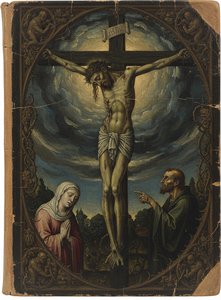
Matthias Grünewald: Devotion, Distortion & Spiritual Turmoil in Renaissance Art
Explore the profound religious art of Matthias Grünewald, master of the Isenheim Altarpiece. Discover his unique expressionism, symbolism & lasting impact on Renaissance painting. A guide for collectors and enthusiasts.


