

 Visualizar em escala
 Enviar
 Compartilhar
 Ver detalhes
 Guia de Obras do Aluno

 Baixar imagem
 Semelhantes
 Raio X
 Apresentação de slides
 Estatísticas
St Antony the Hermit
 Oil On Panel
- WallArt
- German Renaissance
 1515
1515- Renaissance
 232.0 x 75.0 cm
 Musée d’Unterlinden
 Ver mais
Giclée / Impressão de Arte
Impressão giclée ou em tela de qualidade de museu, com produção rápida e opções flexíveis de acabamento. ( Encomendar reprodução pintada à mão Ver Imagem Digital)




P118B €10

P118H €10

P118W €10

P438Z €10

P508JH €12

P508YH €12

P805H €10

P805Z €10

P919BZ €10

P919G €10

P919XJ €10

P959ZH €10

P968JZ €12

W106C €8

W218G €10

W218JH €8

W218Y €10

W307PJ €10

W316G €10

W316PJ €8

W316Y €10

W398PJ €8

W4111J €10

W500HY €15

W500JH €15

W692G €12

W849H €8

W940BG €15

W953PJ €8




Escolha entre os nossos tamanhos pré-definidos que respeitam as proporções originais da obra de arte.

Digite a largura e a altura de que necessita, para se ajustar à sua moldura ou à sua parede. Uma impressão só pode ser cortada, nunca ampliada além da imagem original, pelo que um tamanho com uma proporção diferente perderá parte da imagem. Enviamos-lhe uma maquete digital para aprovação antes de imprimirmos qualquer coisa. A imagem apresentada nesta página não mostra o corte real — apenas a maquete o faz.
Entrega mundial () em 2 semanas, em vez das 4/5 semanas padrão. (25 Outubro)

Envio expresso gratuito para todo o mundo

Tela de Linho Premium

Seguro de transporte total

Garantia de Reembolso de Impostos Alfandegários

Garantia de Fidelidade de Cor

Política de Devolução em 100 Dias (Apenas para Defeitos)

Garantia de reembolso de 100%

Desconto para múltiplas unidades
 A opção de vidro está disponível apenas para tamanhos inferiores a 110 cm

St Antony the Hermit
Giclée / Impressão de Arte
Dimensões da Reprodução
-


Preço Total
€ 70
A Vision of Solitude: The Spiritual Depth of St Antony the Hermit
In the quiet, shadowed corners of art history, few works command the soul with such profound stillness as Matthias Grünewald’s St Antony the Hermit. Completed in 1515, this monumental oil on panel serves as a breathtaking window into the late medieval spirit, captured at the very moment it began to merge with the burgeoning Renaissance aesthetic. The painting does not merely depict a saint; it invites the viewer into a sacred, meditative space. As one gazes upon the elderly figure of St Antony, there is an immediate sense of being transported to a time when art was a direct conduit for the divine. His long, flowing beard and alabaster skin are rendered with a meticulousness that transcends mere representation, offering instead a portrait of spiritual asceticism that feels both ancient and eternally present.
The composition is a masterclass in atmospheric storytelling. Grünewald places the saint within a darkened chamber, where rough stone walls enclose him in a cocoon of isolation. This setting is far from accidental; it symbolizes the hermit’s deliberate detachment from the cacophony of the worldly life in pursuit of a higher truth. The presence of a barred window suggests the confines of a cell or monastery, yet the spiritual expanse within the painting feels limitless. For the collector or the lover of fine art, this piece offers more than just visual beauty; it provides a focal point for contemplation, making it an extraordinary addition to any space dedicated to reflection and peace.
The Alchemy of Color and Light
Technically, Grünewald’s work is a triumph of texture and chiaroscuro. The artist employs a rich, somber palette—deep blacks, muted browns, and earthy tones—which allows the sudden, vibrant strike of crimson to resonate with startling intensity. St Antony’s red robe, draped over a dark tunic, acts as a visual heartbeat within the gloom, drawing the eye toward the saint's contemplative gesture. His right hand, resting gently upon his chest, is a silent testament to prayerful devotion and an unwavering faith that refuses to be extinguished by the surrounding shadows.
The interplay of light and shadow in this work creates a sculptural depth that is rare even among the masters of the Northern Renaissance. Every fold of the fabric and every line etched into the saint's weathered face tells a story of endurance. For interior designers seeking to infuse a room with character and gravitas, a high-quality reproduction of this masterpiece brings a sense of historical weight and dramatic elegance. The painting’s ability to balance heavy, textured realism with an ethereal, spiritual glow makes it a versatile yet commanding presence in sophisticated decor.
A Legacy of Devotion for the Modern Collector
To understand St Antony the Hermit is to understand the unique genius of Matthias Grünewald. Unlike his contemporary Albrecht Dürer, who embraced the classical humanism of Italy, Grünewald remained a poet of the Northern tradition, prioritizing emotional resonance and raw, spiritual truth over formal perfection. This dedication to the "inner life" ensures that his work remains perpetually relevant. In an era of constant digital distraction, the profound silence captured in this panel offers a much-needed sanctuary.
Owning or displaying a reproduction of this work is an act of preserving a piece of German Renaissance history. It is an opportunity to surround oneself with the textures of the past and the enduring power of faith. Whether placed in a private study, a quiet library, or a curated gallery space, St Antony the Hermit serves as a constant reminder of the beauty found in solitude and the strength found in stillness. It is not just a painting; it is an invitation to breathe, to reflect, and to find meaning in the shadows.
Perguntas e Respostas
A qual corrente artística "St Antony the Hermit" de Matthias Grünewald pertence?
O movimento associado a "St Antony the Hermit" de Matthias Grünewald é German Renaissance. Esta classificação situa a obra entre artistas e obras de arte relacionados.
Em que período foi feita a obra "St Antony the Hermit" de Matthias Grünewald?
O período histórico de "St Antony the Hermit" de Matthias Grünewald é Renaissance. Esta classificação situa a obra na história da arte.
Quem criou "St Antony the Hermit" e em que ano?
Matthias Grünewald criou "St Antony the Hermit" em 1515.
Biografia do Artista
Matthias Grünewald: Vida e Legado
Primeiros Anos e Inícios Artísticos
Matthias Grünewald, nascido como Mathis Gothart Neithardt por volta de 1470-1475 em Würzburg, Alemanha, foi uma figura fundamental do Renascimento Alemão. Apesar de viver em um período cada vez mais influenciado pelos ideais do Renascimento Italiano, Grünewanc permaneceu profundamente enraizado nas tradições artísticas da Europa Central do final da Idade Média. Embora os detalhes sobre sua juventude sejam escassos, sabe-se que ele recebeu treinamento artístico, provavelmente dentro de oficinas locais, onde moldou sua base técnica.
Desenvolvimento Artístico e Influências
O desenvolvimento artístico de Grünewald foi esculpido pelas tradições predominantes do norte da Europa, marcadas pelo realismo, pela intensidade emocional e por uma observação minuciosa dos detalhes. Sua obra revela influências de mestres como Albrecht Dürer e Martin Schongauer, mas ele trilhou um caminho único, caracterizado por uma expressão dramática e cores vibrantes. Diferente de outros contemporâneos, ele não esteve diretamente envolvido com os círculos humanistas que prevaleciam na Itália; em vez disso, sua arte serviu primordialmente a propósitos religiosos, refletindo as ansiedades espirituais de sua época.
Obras Primordiais e Estilo Artístico
A maestria de Grünewald atinge seu ápice em obras que transcendem o tempo. Entre seus maiores feitos, destaca-se:
- O Retábulo de Isenheim (1512-1516): Esta obra-prima, abrigada no Musée d'Unterlinden, em Colmar, é considerada a magna opus de Grünewald. Ela retrata cenas da vida de Cristo com um realismo lancinante, focando intensamente no sofrimento e na redenção.
- A Crucifixão (c. 1502-1503): Um trabalho de sua fase inicial que demonstra o desenvolvimento de seu estilo, exibindo uma emoção intensa e um detalhamento anatômico impressionante.
- Virgem da Anunciação (1512-14): Um estudo preparatório para o Retábulo de Isenheim, que revela seu processo meticuloso de planejamento.
- Moisés (1511): Um desenho que ressalta a habilidade do artista em capturar figuras expressivas e poses dramáticas.
O estilo de Grünewald é singularmente distinguível por sua composição dramática, utilizando arranjos dinâmicos para intensificar o impacto emocional no espectador. Sua paleta de cores vívidas, composta por tons intensos e frequentemente contrastantes, cria uma experiência visual poderosa. Além disso, ele não recuou diante da representação realista do sofrimento, retratando com crueza a dor física e emocional inerente às narrativas religiosas, conferindo às suas figuras uma profundidade psicológica e uma carga emocional inigualáveis.
Significância Histórica e Legado
A obra de Grünewald permanece como um testemunho do poder duradouro das tradições artísticas medievais na Alemanha durante o Renascimento. Ele serviu como uma ponte entre o estilo gótico tardio e o emergente Renascimento, criando uma linguagem visual única que ressoou profundamente com seus contemporâneos. Sua influência pode ser observada em artistas alemães posteriores, que continuaram a explorar temas de fervor religioso e intensidade emocional. Embora tenha permanecido amplamente esquecido por séculos após sua morte em 1528, Grünewald experimentou um renascimento no século XIX. Hoje, ele é reconhecido como um dos pintores mais importantes do Renascimento Alemão, e sua arte continua a cativar o público com sua emoção bruta, brilhantismo técnico e profunda profundidade espiritual.
Exploração Adicional
Descubra mais sobre a vida e as obras de Matthias Grünewald em: OriginalUniqueArt

Matthias Grünewald
1480 - 1528 , Alemanha
Informações Rápidas
- Artistic Movement Or Style: Gótico tardio
- Artists Or Movements Influenced By This Artist: ['Expressionismo']
- Artists Who Influenced This Artist:
- Albrecht Dürer
- Martin Schongauer
- Date Of Birth: c. 1470-1475
- Date Of Death: 31 agosto de 1528
- Full Name: Mathis Gothart Neithardt
- Nationality: Germânico
- Notable Artworks:
- O Escárnio de Cristo
- Retábulo da Igreja dos Antoninos
- Place Of Birth: Würzburg, Alemanha
Artigos Relacionados
High Medieval Art: 10 Masterpieces That Shaped an Era | OriginalUniqueArt
Journey through High Medieval Art! Explore 10 iconic masterpieces – from Giotto's frescoes to stunning Gothic cathedrals. Discover the stories behind these timeless paintings, sculptures & illuminated manuscripts. Find museum-quality art reproductions at OriginalUniqueArt.com.
Late Medieval Masterpieces: 10 Artworks That Defined an Era | OriginalUniqueArt
Journey through 10 defining Late Medieval masterpieces – from Giotto's frescoes to Jan van Eyck’s realism. Explore the stories, techniques & vibrant colors of Gothic art. Find museum-quality reproductions and elevate your home decor with OriginalUniqueArt.com! Discover all masterpieces on OriginalUniqueArt.com
Illuminating Belief: A Visual Exploration of Faith Across Artistic Movements & Historical Contexts
Explore the rich history of faith through art! Discover Renaissance masterpieces, iconic artists & religious symbolism with expert analysis from OriginalUniqueArt. Perfect for collectors and enthusiasts.
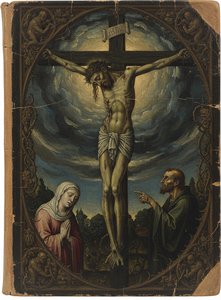
Matthias Grünewald: Devotion, Distortion & Spiritual Turmoil in Renaissance Art
Explore the profound religious art of Matthias Grünewald, master of the Isenheim Altarpiece. Discover his unique expressionism, symbolism & lasting impact on Renaissance painting. A guide for collectors and enthusiasts.

Divine Splendor: A Guide to the Sacred Beauty and Symbolic Depth of High Medieval Art
Embark on a scholarly journey through the sacred beauty of High Medieval art. Discover the profound symbolism, luminous iconography, and spiritual depth of Gothic masterpieces in this expert guide for classical art enthusiasts.


