Visualizar em escala
 Enviar
 Compartilhar
 Ver detalhes
 Guia de Obras do Aluno

 Baixar imagem
 Semelhantes
 Raio X
 Apresentação de slides
 Estatísticas
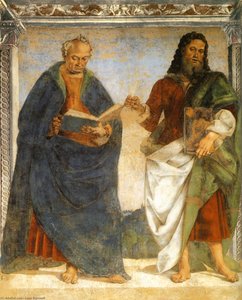
The Trinity, the Virgin and Two Saints
 Oil
Oil- WallArt
- High Renaissance
 1510
1510 272.0 x 180.0 cm
 Galleria degli Uffizi
 Ver mais
Giclée / Impressão de Arte
Impressão giclée ou em tela de qualidade de museu, com produção rápida e opções flexíveis de acabamento. ( Encomendar reprodução pintada à mão Ver Imagem Digital)




P118B $10

P118H $10

P118W $10

P438Z $10

P508JH $12

P508YH $12

P805H $10

P805Z $10

P919BZ $10

P919G $10

P919XJ $10

P959ZH $10

P968JZ $12

W106C $8

W218G $10

W218JH $8

W218Y $10

W307PJ $10

W316G $10

W316PJ $8

W316Y $10

W398PJ $8

W4111J $10

W500HY $15

W500JH $15

W692G $12

W849H $8

W940BG $15

W953PJ $8




Escolha entre os nossos tamanhos pré-definidos que respeitam as proporções originais da obra de arte.

Você pode inserir suas próprias dimensões para se ajustar a uma moldura ou espaço específico. Se o tamanho selecionado não corresponder às proporções da imagem original, iremos recortar a obra de arte ou estender a imagem com uma borda espelhada ou preenchimento sólido. Um mockup digital será enviado para sua aprovação antes do início da produção.
Por favor, observe que a visualização na tela não reflete o recorte ou a extensão real. Apenas o mockup mostrará com precisão a composição final.
Embora tamanhos personalizados estejam disponíveis, recomendamos selecionar uma dimensão da lista predefinida para preservar as proporções originais.
Entrega mundial () em 2 semanas, em vez das 4/5 semanas padrão. (27 Setembro)

Envio expresso gratuito para todo o mundo

Tela de Linho Premium

Seguro de transporte total

Garantia de Reembolso de Impostos Alfandegários

Garantia de Fidelidade de Cor

Política de Devolução em 100 Dias (Apenas para Defeitos)

Garantia de reembolso de 100%

Desconto para múltiplas unidades
 A opção de vidro está disponível apenas para tamanhos inferiores a 110 cm

The Trinity, the Virgin and Two Saints
Giclée / Impressão de Arte
Dimensões da Reprodução
-


Preço Total
$ 80
Luca Signorelli’s Divine Embrace: A Study in Florentine High Renaissance
Luca Signorelli's “The Trinity, the Virgin and Two Saints,” painted around 1510, is more than just a religious depiction; it’s a profound meditation on faith, grace, and the intricate relationships within the Christian narrative. Born in Cortona, Italy, in 1450, Signorelli was a master of draftsmanship and foreshortening – techniques he employed here to create an astonishingly dynamic and deeply layered composition. The painting immediately draws the eye to the central figure: the Virgin Mary, rendered with a serene dignity that speaks volumes about her role as both mother and mediator between humanity and divinity. Her pose is deliberately balanced, reflecting the harmonious order of the universe she embodies, while the subtle folds of her garments hint at the earthly reality from which she emerges.
The scene unfolds within a carefully constructed architectural space, reminiscent of Florentine High Renaissance ideals. The backdrop isn’t merely decorative; it establishes a sense of depth and perspective, guiding the viewer's eye through the complex arrangement of figures. Notice the deliberate use of light – a soft, diffused illumination that highlights key elements while leaving others in shadow, creating an atmosphere of contemplative solemnity. Signorelli wasn’t simply illustrating a biblical story; he was crafting a visual theology, inviting viewers to contemplate the mysteries of faith and salvation.
The Trinity: A Symbol of Divine Unity
At the heart of the composition lies the depiction of the Holy Trinity – Father, Son, and Holy Spirit. Signorelli masterfully avoids overt symbolism, instead conveying this complex theological concept through a carefully orchestrated visual dialogue. The central figure, often interpreted as Christ, is flanked by the Archangels Michael and Gabriel, representing divine judgment and grace respectively. The arrangement isn’t haphazard; it's meticulously planned to create a sense of balance and harmony, reflecting the fundamental unity of God. The subtle gestures and expressions of these figures – Michael’s outstretched hand and Gabriel’s serene countenance – communicate profound spiritual truths without resorting to explicit iconography.
The inclusion of Saint Augustine and Saint Athanasius adds another layer of intellectual depth to the scene. These prominent theologians, representing reason and faith, underscore the importance of both intellect and spirituality in understanding God's will. Their placement alongside the central figures highlights the interconnectedness of divine revelation and human understanding.
Technique and Artistic Innovation
Signorelli’s technical skill is immediately apparent in the painting’s remarkably detailed rendering. He employed a technique known as *sfumato*, subtly blurring lines and edges to create an atmospheric effect, particularly noticeable in the drapery and the background architecture. This creates a sense of softness and depth, drawing the viewer into the scene. His mastery of foreshortening is equally impressive – evidenced by the figures on the left side of the painting, which appear to recede dramatically into space, creating a powerful illusion of three-dimensionality.
The color palette is restrained yet sophisticated, dominated by earthy tones—ochres, browns, and deep blues—that evoke a sense of solemnity and reverence. However, Signorelli also incorporates touches of vibrant color – particularly in the robes of the saints – to draw attention to key figures and enhance the overall visual impact. The painting’s surface is rich with texture, achieved through meticulous layering of paint and subtle variations in brushstroke.
A Legacy of Renaissance Beauty
“The Trinity, the Virgin and Two Saints” stands as a testament to Luca Signorelli's artistic genius and his deep understanding of religious iconography. It’s a painting that rewards careful study, revealing new layers of meaning with each viewing. The work was originally commissioned for pilgrims in Cortona, reflecting the artist’s connection to his community and his desire to inspire faith and devotion. Today, it resides in the Uffizi Gallery in Florence, where it continues to captivate viewers with its beauty, complexity, and profound spiritual message. A high-quality reproduction offers a remarkable opportunity to experience this masterpiece firsthand, bringing its timeless elegance and intellectual depth into your home or studio.
Biografia do Artista
Luca Signorelli (c. 1450-1523) – A Titan of Fresco Painting
Luca Signorelli, born around 1441/1445 in Cortona, Tuscany, stands as one of the most influential figures within the Italian Renaissance artistic landscape. His mastery of disegno—drawing—combined with an unparalleled understanding of perspective and anatomy cemented his place among the foremost painters of his era, leaving behind a breathtaking corpus of monumental frescoes that continue to inspire awe centuries later. While precise biographical details remain elusive due to incomplete archival records, Signorelli’s formative years were steeped in the artistic fervor of Perugia, where he absorbed the stylistic nuances of artists like Benedetto Bonfigli and Pinturicchio—influences that would profoundly shape his distinctive approach to artmaking.Early Training and Apprenticeship
Giorgio Vasari recounts Signorelli's apprenticeship under Piero della Francesca by his maternal uncle, Lazaro Vasari, marking a pivotal moment in establishing his artistic foundation. This association instilled within him the principles of classical observation and meticulous detail—traits that would become hallmarks of Signorelli’s oeuvre. The young Signorelli honed his skills diligently, demonstrating an innate talent for capturing human form with remarkable accuracy and conveying emotion through subtle shading techniques. His early works reveal a preoccupation with idealized beauty and a fascination with humanist ideals prevalent during the Renaissance.Notable Works: A Symphony of Vision
Signorelli’s artistic output is characterized by ambitious projects that pushed the boundaries of artistic innovation. Perhaps his most celebrated achievement is “The Last Judgment,” executed between 1499 and 1503 for Orvieto Cathedral—a colossal fresco cycle depicting the apocalyptic vision of Judgement Day with unparalleled grandeur and psychological depth. The sheer scale of this undertaking, coupled with Signorelli’s masterful manipulation of perspective and chiaroscuro, established him as a pioneer in monumental painting and solidified his reputation as one of the greatest artists of his time. Equally impressive is “The Polyptych of St. Medard,” completed in 1507 for the Museo San Medardo in Arcevia—a testament to Signorelli’s meticulous attention to detail and his ability to convey spiritual contemplation through exquisitely rendered figures and landscapes.Technique and Artistic Innovation
Signorelli's artistic genius resided not merely in his technical prowess but also in his groundbreaking conceptual innovations. He championed the use of foreshortening—a technique that dramatically compressed spatial dimensions—creating an illusionistic depth that captivated viewers and revolutionized painting conventions. Signorelli’s meticulous anatomical studies, informed by humanist scholarship, ensured that his figures possessed a palpable sense of realism and conveyed profound emotional resonance. Furthermore, he skillfully employed chiaroscuro—the dramatic interplay between light and shadow—to sculpt forms with remarkable subtlety and to heighten the expressive power of his compositions.Legacy and Influence
Luca Signorelli’s impact on subsequent generations of artists is undeniable. His unwavering commitment to disegno and his masterful execution of monumental frescoes established him as a cornerstone of Renaissance art, influencing painters like Fra Angelico and shaping artistic trends throughout Europe. Today, Signorelli's works continue to inspire admiration for their beauty, psychological complexity, and technical brilliance—serving as enduring symbols of the humanist spirit and artistic excellence that defined the Italian Renaissance. His legacy persists in museums worldwide, where visitors can contemplate masterpieces that encapsulate the pinnacle of artistic achievement during a transformative period in Western history.
Luca Signorelli
1450 - 1523 , Itália
Informações Rápidas
- Artistic Movement Or Style: Renascimento
- Artists Or Movements Influenced By This Artist: ['Impressionismo']
- Artists Who Influenced This Artist:
- Piero della Francesca
- Fra Angelico
- Date Of Death: 16 outubro 1523
- Full Name: Luca di Egidio di Ventura Signorelli
- Nationality: Italiano
- Notable Artworks:
- Último Julgamento
- Escola de Pan
- Place Of Birth: Cortona, Itália
Artigos Relacionados

Divine Grace: An Art Historian's Journey Through Iconic Masterpieces of the Virgin Mary
Explore the profound beauty of Marian iconography through an art historian's lens. Discover iconic masterpieces by Raphael and Renaissance masters, celebrating the divine grace and timeless elegance of the Virgin Mary in classical fine art.
Divine Grace: A Journey Through the Most Iconic Depictions of the Virgin Mary in Art History
Embark on a profound journey through art history with our exploration of the most iconic depictions of the Virgin Mary. Discover the divine grace, symbolism, and masterful techniques found in Renaissance masterpieces and sacred iconography.

Luca Signorelli: Renaissance Innovation & Dramatic Foreshadowing of Modern Artistic Expression
Explore the revolutionary art of Luca Signorelli, a High Renaissance master renowned for his dramatic frescoes & anatomical precision. Discover his lasting impact on art history and techniques like foreshortening.
Jacob Henricus Maris: A Master of Dutch Atmospheric Realism & the Intimate Landscape
Explore the captivating world of Jacob Henricus Maris, a leading figure of the Dutch Hague School. Discover his atmospheric landscapes, signature brushstrokes & lasting influence on 19th-century art. Learn more at OriginalUniqueArt.
Fra Angelico: As 25 Obras-Primas que Definem a Arte Renascentista | OriginalUniqueArt
Descubra as 25 obras-primas de Fra Angelico, o mestre renascentista da arte sacra. Explore a beleza dos afrescos e pinturas que inspiram fé e contemplação. Reproduções de alta qualidade em OriginalUniqueArt.com!