
 Visualizar em escala
 Enviar
 Compartilhar
 Ver detalhes

 Baixar
 Semelhantes
 Raio X
 Apresentação de slides
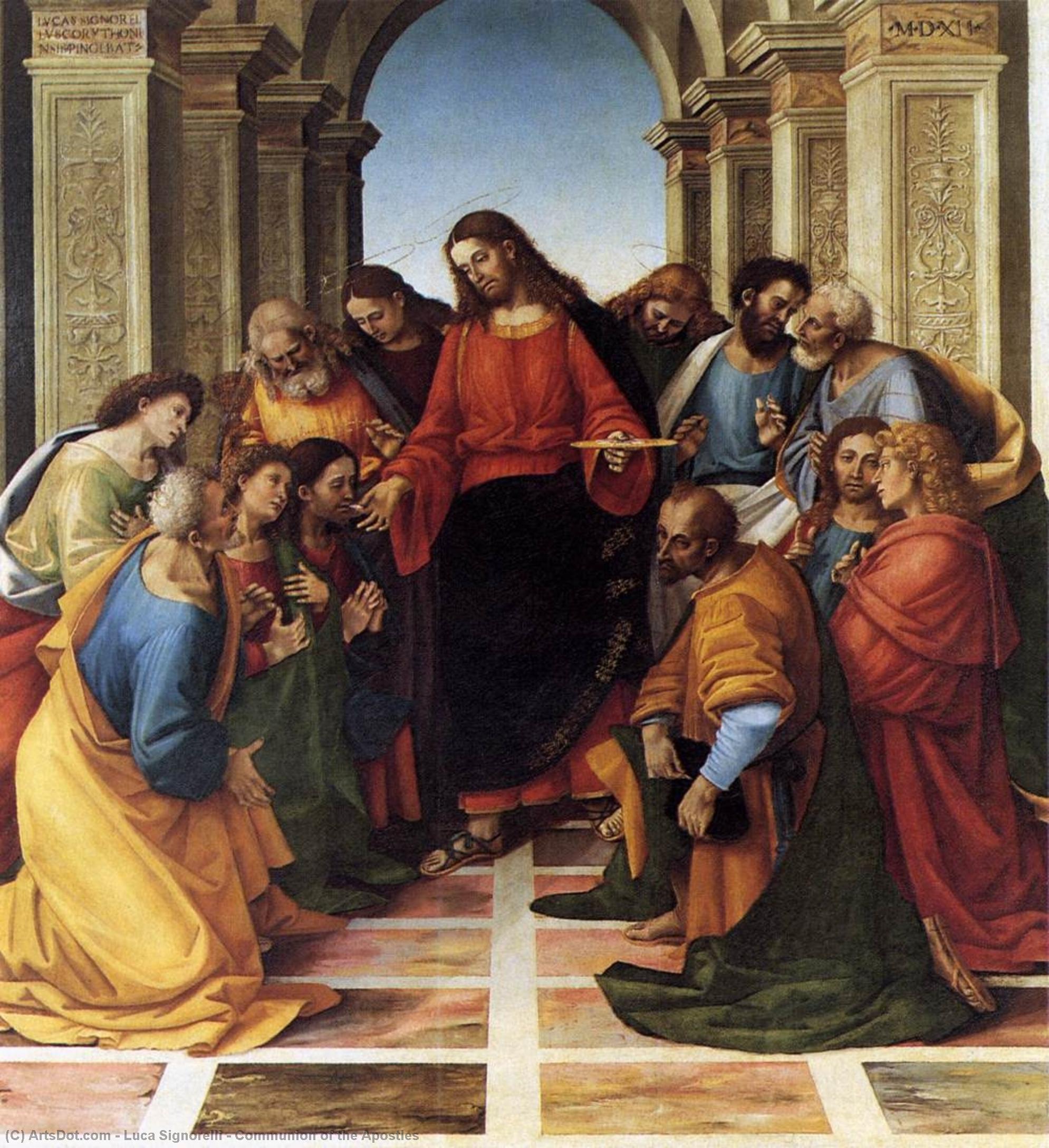
Communhão dos Apóstolos
 Acrílico sobre tela
- Arte de Parede
- Renaissance
 1512
1512 232.0 x 220.0 cm
 Museo Diocesano
 Ver mais
Reprodução em Óleo Feita à Mão
Óleo sobre tela pintado à mão no seu tamanho e moldura, feito sob encomenda pelos nossos artistas. ( Encomendar impressão Comprar imagem em alta resolução)




P118B $10

P118H $10

P118W $10

P438Z $10

P508JH $12

P508YH $12

P805H $10

P805Z $10

P919BZ $10

P919G $10

P919XJ $10

P959ZH $10

P968JZ $12

W106C $8

W218G $10

W218JH $8

W218Y $10

W307PJ $10

W316G $10

W316PJ $8

W316Y $10

W398PJ $8

W4111J $10

W500HY $15

W500JH $15

W692G $12

W849H $8

W940BG $15

W953PJ $8




Escolha entre os nossos tamanhos pré-definidos que respeitam as proporções originais da obra de arte.

Pode inserir as suas próprias dimensões para se adequar a uma moldura ou espaço específico. Se o tamanho selecionado não corresponder às proporções da imagem original, iremos cortar a obra de arte ou estender a pintura com elementos adicionais pintados à mão. Um esboço digital será enviado para sua aprovação antes do início da produção.
Tenha em atenção que a pré-visualização no ecrã não reflete o corte ou extensão real. Apenas o esboço mostrará com precisão a composição final.
Embora tamanhos personalizados estejam disponíveis, recomendamos selecionar uma dimensão da lista predefinida para preservar as proporções originais.
Após o pedido, a equipa OriginalUniqueArt.com enviará um e-mail ao cliente para solicitar instruções e fornecer uma prévia do esboço.
Entrega mundial () em 3 a 4 semanas, em vez das 5 semanas padrão. (18 Agosto). Sem comprometer a qualidade.

Envio Expresso Gratuito para todo o Mundo

Tela de Linho Premium

Seguro de transporte total

Garantia de Reembolso de Impostos Alfandegários

Garantia de Fidelidade de Cor

Política de Devolução de 60 Dias (Apenas para Defeitos)

Garantia de reembolso de 100%

Desconto para múltiplas unidades
 A opção de vidro está disponível apenas para tamanhos inferiores a 110 cm

Communhão dos Apóstolos
Técnica de Reprodução
Dimensões da Reprodução
-


Preço Total
$ 300
Descrição da Obra
Luca Signorelli’s Communion of the Apostles: A Moment Frozen in Tuscan Renaissance Faith
Luca Signorelli (c. 1450 – 16 October 1523) stands as a cornerstone of Florentine Renaissance art, celebrated not merely for his prolific output but for his unparalleled mastery of disegno—drawing—and his profound understanding of humanist ideals. His legacy rests primarily on monumental frescoes adorning Orvieto Cathedral’s Upper Chapel, specifically “The Last Judgment,” which solidified his reputation as one of the era's foremost artists. However, Signorelli’s artistic journey extended beyond ecclesiastical commissions, encompassing projects in Arezzo and Siena, demonstrating a versatility that reflects the broader intellectual currents shaping Renaissance Italy. This meticulous draftsman honed his skills under the tutelage of Piero della Francesca, absorbing influences from masters like Benedetto Bonfigli and Pinturicchio – artists who championed naturalism and expressive realism.A Study in Foreshortening and Dramatic Composition
Signorelli’s distinctive style is characterized by an astonishing command of foreshortening—a technique that convincingly portrays depth and perspective—which he employed with breathtaking precision throughout his oeuvre. This masterful manipulation of spatial illusion elevates the visual impact of his paintings, creating a palpable sense of immediacy and realism. Furthermore, Signorelli skillfully orchestrates dramatic compositions, guiding the viewer’s gaze towards key figures and emphasizing emotional intensity. The “Communion of the Apostles,” painted circa 1512, exemplifies these stylistic hallmarks perfectly; it's not simply a depiction of biblical narrative but an embodiment of Renaissance artistic ambition.The Fresco Technique: Layered Color and Texture
Signorelli’s technique involved applying pigment onto wet plaster—a process known as fresco—resulting in durable, luminous paintings that retain their vibrancy for centuries. This method demanded painstaking planning and execution, requiring artists to prepare the wall surface meticulously and apply paint in successive layers while the plaster remained workable. Signorelli achieved remarkable textural effects through careful blending of pigments and layering glazes, capturing subtle nuances of light and shadow—a hallmark of Florentine painting during this period. The resulting surface possesses a velvety smoothness that enhances the visual richness of the scene.Historical Context: Orvieto Cathedral and Renaissance Piety
The “Communion of the Apostles” resides within Orvieto Cathedral’s Upper Chapel, commissioned by Pope Sixtus IV in 1499. This monumental fresco represents a pivotal moment in Renaissance art—a culmination of humanist ideals combined with devout Christian symbolism. The chapel itself embodies the splendor and grandeur of papal patronage during the High Renaissance, reflecting a fervent desire to express faith through artistic magnificence. Signorelli’s work responded directly to this cultural climate, aligning with prevailing aesthetic sensibilities that prioritized realism and emotional resonance – qualities paramount in conveying spiritual truths.Symbolism Rooted in Christian Tradition
The “Communion of the Apostles” transcends mere representation; it’s imbued with profound theological symbolism. Jesus Christ, positioned at the center of the composition, holds aloft the Eucharist—the consecrated bread and wine—representing divine grace and communion with God. The apostles kneeling before him convey humility and reverence, symbolizing their submission to Christ's authority and acceptance of his teachings. The careful positioning of figures contributes to a narrative that underscores the importance of faith and spiritual contemplation – core tenets of Renaissance Christian piety.Emotional Resonance: Reverence and Spiritual Contemplation
Ultimately, Signorelli’s “Communion of the Apostles” succeeds in evoking a powerful emotional response from the viewer. The artist's masterful use of chiaroscuro—the interplay between light and dark—creates an atmosphere of solemn grandeur, drawing attention to the central figure and amplifying the spiritual significance of the scene. The expressive faces of the apostles convey emotion – awe, devotion, and humility – inviting contemplation on themes of faith, sacrifice, and divine love. It remains a testament to Signorelli’s ability to translate theological concepts into compelling visual art—a masterpiece that continues to inspire admiration for its artistic excellence and spiritual depth.Biografia do Artista
Luca Signorelli (c. 1450-1523) – A Titan of Fresco Painting
Luca Signorelli, born around 1441/1445 in Cortona, Tuscany, stands as one of the most influential figures within the Italian Renaissance artistic landscape. His mastery of disegno—drawing—combined with an unparalleled understanding of perspective and anatomy cemented his place among the foremost painters of his era, leaving behind a breathtaking corpus of monumental frescoes that continue to inspire awe centuries later. While precise biographical details remain elusive due to incomplete archival records, Signorelli’s formative years were steeped in the artistic fervor of Perugia, where he absorbed the stylistic nuances of artists like Benedetto Bonfigli and Pinturicchio—influences that would profoundly shape his distinctive approach to artmaking.Early Training and Apprenticeship
Giorgio Vasari recounts Signorelli's apprenticeship under Piero della Francesca by his maternal uncle, Lazaro Vasari, marking a pivotal moment in establishing his artistic foundation. This association instilled within him the principles of classical observation and meticulous detail—traits that would become hallmarks of Signorelli’s oeuvre. The young Signorelli honed his skills diligently, demonstrating an innate talent for capturing human form with remarkable accuracy and conveying emotion through subtle shading techniques. His early works reveal a preoccupation with idealized beauty and a fascination with humanist ideals prevalent during the Renaissance.Notable Works: A Symphony of Vision
Signorelli’s artistic output is characterized by ambitious projects that pushed the boundaries of artistic innovation. Perhaps his most celebrated achievement is “The Last Judgment,” executed between 1499 and 1503 for Orvieto Cathedral—a colossal fresco cycle depicting the apocalyptic vision of Judgement Day with unparalleled grandeur and psychological depth. The sheer scale of this undertaking, coupled with Signorelli’s masterful manipulation of perspective and chiaroscuro, established him as a pioneer in monumental painting and solidified his reputation as one of the greatest artists of his time. Equally impressive is “The Polyptych of St. Medard,” completed in 1507 for the Museo San Medardo in Arcevia—a testament to Signorelli’s meticulous attention to detail and his ability to convey spiritual contemplation through exquisitely rendered figures and landscapes.Technique and Artistic Innovation
Signorelli's artistic genius resided not merely in his technical prowess but also in his groundbreaking conceptual innovations. He championed the use of foreshortening—a technique that dramatically compressed spatial dimensions—creating an illusionistic depth that captivated viewers and revolutionized painting conventions. Signorelli’s meticulous anatomical studies, informed by humanist scholarship, ensured that his figures possessed a palpable sense of realism and conveyed profound emotional resonance. Furthermore, he skillfully employed chiaroscuro—the dramatic interplay between light and shadow—to sculpt forms with remarkable subtlety and to heighten the expressive power of his compositions.Legacy and Influence
Luca Signorelli’s impact on subsequent generations of artists is undeniable. His unwavering commitment to disegno and his masterful execution of monumental frescoes established him as a cornerstone of Renaissance art, influencing painters like Fra Angelico and shaping artistic trends throughout Europe. Today, Signorelli's works continue to inspire admiration for their beauty, psychological complexity, and technical brilliance—serving as enduring symbols of the humanist spirit and artistic excellence that defined the Italian Renaissance. His legacy persists in museums worldwide, where visitors can contemplate masterpieces that encapsulate the pinnacle of artistic achievement during a transformative period in Western history.
Luca Signorelli
1450 - 1523 , Itália
Informações Rápidas
- Artistic Movement Or Style: Renascimento
- Artists Or Movements Influenced By This Artist: ['Impressionismo']
- Artists Who Influenced This Artist:
- Piero della Francesca
- Fra Angelico
- Date Of Death: 16 outubro 1523
- Full Name: Luca di Egidio di Ventura Signorelli
- Nationality: Italiano
- Notable Artworks:
- Último Julgamento
- Escola de Pan
- Place Of Birth: Cortona, Itália
Artigos Relacionados

OriginalUniqueArt.com F.A.Q.: Elevating Interiors with Bespoke Wall Murals & Masterpiece Frescoes
Discover the pinnacle of bespoke interior transformation with OriginalUniqueArt.com. Our master fresco artists create exquisite, hand-painted wall murals and ceiling masterpieces tailored to your estate. Elevate your architectural space with timeless, museum-quality artistry.



