
 Visualizar na parede
 Compartilhar
 Compartilhar
 Detalhes
 Guia
Guia

 Baixar imagem
 Semelhantes
 Raio X
 Ver diaporama
 Perguntas e Respostas
 Estatísticas
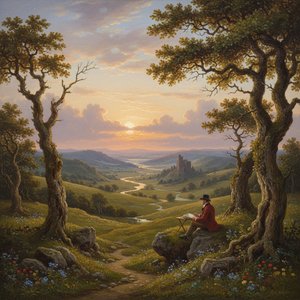
Grove Scene


 Ler mais
Giclée / Impressão de Arte
Impressão giclée ou em tela de qualidade de museu, com produção rápida e opções flexíveis de acabamento. ( Comprar pintura feita à mão Alternar para Imagem Digital)




P118B €10

P118H €10

P118W €10

P438Z €10

P508JH €12

P508YH €12

P805H €10

P805Z €10

P919BZ €10

P919G €10

P919XJ €10

P959ZH €10

P968JZ €12

W106C €8

W218G €10

W218JH €8

W218Y €10

W307PJ €10

W316G €10

W316PJ €8

W316Y €10

W398PJ €8

W4111J €10

W500HY €15

W500JH €15

W692G €12

W849H €8

W940BG €15

W953PJ €8




Escolha entre os nossos tamanhos pré-definidos que respeitam as proporções originais da obra de arte.

Insira a largura e a altura desejadas para se ajustarem à sua moldura ou parede. Uma impressão pode ser apenas cortada, nunca ampliada além da imagem original; portanto, um tamanho com proporções diferentes resultará na perda de parte da imagem. Enviamos uma maquete digital para sua aprovação antes de realizarmos a impressão. A imagem exibida nesta página não mostra o corte real — apenas a maquete o faz.
Entrega mundial () em 2 semanas, em vez das 4/5 semanas padrão. (10 Novembro)

Envio expresso gratuito para todo o mundo

Tela de Linho de Alta Qualidade

Seguro de transporte completo

Garantia de Reembolso de Impostos Alfandegários

Garantia de Fidelidade Cromática

Política de Devolução em 100 Dias (Apenas para Defeitos)

Garantia de reembolso de 100%

Oferta de desconto por quantidade
 A opção de vidro está disponível apenas para tamanhos inferiores a 110 cm

Grove Scene
Giclée / Impressão de Arte
Tamanho da Reprodução
-


Preço Total
€ 73
A Norfolk Woodland Clearing
A small clearing within a Norfolk forest provides the setting for this 1820 oil on canvas. Two figures stand amidst the trees, appearing as quiet observers of the landscape. Nearby, a horse grazes in the grass, contributing to the pastoral stillness of the scene. The composition uses these figures to anchor the expansive vista, establishing a connection between the human presence and the natural environment.
The work reflects the Romantic movement's emphasis on emotion and imagination. Rather than focusing on precise botanical detail, the artist prioritizes atmosphere. Dappled sunlight filters through the branches, creating a sense of depth and luminosity through the layering of yellows and greens. This technique produces a textural richness that suggests the movement of light through a dense canopy.
Technique and Influence
The brushwork is bold and loose, eschewing academic conventions in favor of conveying a specific mood. This approach is heavily influenced by the Dutch Masters, particularly the way light and shadow are used to define space. The palette is dominated by warm hues, which contribute to the emotional resonance of the woodland setting.
The painting aligns with the principles of the Norwich School, a movement dedicated to the direct observation of the English countryside. By capturing the specific character of the Norfolk landscape, the work moves beyond mere visual representation to reflect how the scene is felt. It remains a significant example of how regional identity was expressed through the study of light and natural forms.
Perguntas e Respostas
Qual artista e qual estilo estão por trás de "Grove Scene"?
"Grove Scene" foi criada por John Crome no estilo Romanticism. O artista e o movimento identificam a tradição da obra.
Qual é o lugar de "Grove Scene", de John Crome na história da arte?
"Grove Scene", de John Crome pertence ao movimento Romanticism, dentro do período 19th Century. Juntos, eles conferem à obra o seu lugar na história da arte.
Posso encomendar uma reprodução a óleo de "Grove Scene"?
Você pode encomendar uma reprodução pintada à mão de "Grove Scene", de John Crome diretamente em sua página de Reprodução Pintada à Mão: uma reprodução a óleo pintada à mão sobre tela de linho, feita sob encomenda.
Biografia do Artista
A Norfolk Son: The Life and Art of John Crome
John Crome, affectionately known as “Old Crome” to distinguish him from his artist son, stands as a pivotal figure in British art history—a founder and leading light of the celebrated Norwich School. Born in 1768 in the bustling market town of Norwich, Norfolk, Crome’s journey was one of remarkable self-education and dedication, rising from humble beginnings to become a respected landscape painter who captured the very essence of his beloved East Anglian countryside. His father, a weaver, instilled a strong work ethic, but it was an apprenticeship with house, coach, and sign painter Francis Whisler that first nurtured Crome’s artistic inclinations, providing him with foundational skills in design and color. This practical training proved invaluable as he began to explore his passion for depicting the natural world around him. A formative friendship with Robert Ladbrooke, a fellow aspiring artist, further fueled his development; together they sketched en plein air, honing their observational abilities and sharing a burgeoning enthusiasm for art.Early Life and Artistic Training
John Crome’s early life was marked by modest circumstances—his father operated a weaving workshop, shaping young John’s understanding of labor and craftsmanship. Recognizing his innate talent, Whisler secured him an apprenticeship at the age of fourteen, granting him access to invaluable artistic instruction. This formative experience encompassed not only painting techniques but also design principles and color theory—skills that would prove instrumental in Crome’s subsequent artistic endeavors. Crucially, Ladbrooke became a lifelong companion and collaborator, fostering a shared passion for art and encouraging Crome's exploration of the Norfolk landscape. Their sketching expeditions cemented their observational prowess and instilled within him a profound appreciation for capturing the subtleties of natural light and atmosphere—a characteristic that would define his distinctive style.The Norwich School: Founding Principles
In 1803, John Crome irrevocably altered the course of British art history by co-founding the Norwich Society of Artists with Robert Ladbrooke. This bold initiative represented a decisive break from the prevailing artistic conventions of London and signaled the formal genesis of the Norwich School—a movement that championed direct observation of nature as paramount to artistic expression. Unlike many artists of his time who sought inspiration in idealized representations or classical models, Crome’s vision centered on portraying Norfolk’s rural landscapes with uncompromising honesty and accuracy. The Society's members embraced a shared commitment to capturing the region’s distinctive character—its rolling hills, meandering rivers, and ancient woodlands—rejecting academic formalism for a more emotive and responsive approach. This ethos profoundly influenced subsequent generations of painters who hailed from Norwich and established a lasting legacy as one of England’s most influential artistic movements.Influences and Artistic Style
Crome’s artistic sensibilities were deeply rooted in the traditions of Dutch landscape painting, particularly those championed by Jacob van Ruisdael and Rembrandt Hobbema—artists whose mastery of light and atmosphere captivated him from a young age. He meticulously studied their techniques, absorbing their compositional strategies and striving to emulate their ability to convey mood and emotion through subtle tonal variations. Furthermore, Crome acknowledged the influence of Richard Wilson’s lyrical landscapes, recognizing Wilson's dedication to portraying the beauty of England with poetic sensitivity. However, Crome distinguished himself from his peers by prioritizing meticulous botanical observation—a skill honed during his apprenticeship and reinforced throughout his life—resulting in paintings that accurately depict tree species and their habitats. His distinctive style is characterized by loose brushwork, atmospheric perspective, and a luminous palette—elements that contribute to the profound emotional resonance of his works.Legacy and Recognition
John Crome’s contribution extended far beyond his artistic output. He served as president of the Norwich Society of Artists for many years, fostering a vibrant community of painters who embraced his unwavering belief in the importance of direct observation and truthful representation. Despite initial skepticism from London art critics—who questioned the merits of his seemingly unpolished technique—Crome gained national acclaim through thirteen exhibitions at the Royal Academy between 1806 and 1818, securing a place among England’s most respected artists. His etchings, though unpublished during his lifetime, revealed another facet of his talent—a meticulous attention to detail and an unwavering commitment to capturing the essence of Norfolk scenery. Even today, Crome’s legacy endures—not merely through his paintings but also in the geographical landmarks that bear his name: Crome’s Broad and Crome ward stand as enduring testaments to his lasting impact on Norwich and Norfolk. His life serves as an inspiring example of how artistic vision, combined with a deep connection to one's surroundings, can create a body of work that resonates across generations. His paintings continue to captivate viewers with their quiet beauty, evocative atmosphere, and enduring connection to the heart of Norfolk
John Crome
1768 - 1821 , Reino Unido
Dados Rápidos
- Artistic Movement Or Style: Escola de Norwich
- Artists Or Movements Influenced By This Artist: ['Norwich School']
- Artists Who Influenced This Artist:
- Meindert Hobbema
- William Beechey
- Date Of Birth: 1768
- Full Name: John Crome
- Nationality: Inglês
- Notable Artworks:
- A Lime Kiln
- Grove Scene
- Mousehold Heath
- Place Of Birth: Norwich, Reino Unido
Artigos Relacionados
John Varley I: Intimate Observation & the British Romantic Landscape
Explore the serene landscapes of John Varley I, a key figure in British Romanticism. Discover his unique watercolour style, collaboration with William Blake & lasting artistic legacy. Learn about collecting Varley's work.

John Constable: As 25 Obras-Primas que Definem o Mestre da Paisagem Inglesa | OriginalUniqueArt
Descubra as 25 obras-primas de John Constable, o mestre da paisagem inglesa! Explore a arte romântica, cores vibrantes e histórias fascinantes por trás de 'Hay Wain' e outras pinturas icônicas. Encontre reproduções de alta qualidade para decorar sua casa com OriginalUniqueArt.com.

The Sublime and the Picturesque: Exploring Emotion & Nature in Romantic Landscape Painting
Explore the emotional power of Romantic landscape painting! Discover the sublime & picturesque traditions, key artists like Friedrich & Cole, and find your perfect artwork at OriginalUniqueArt.

Os 10 Mestres da Paisagem Romântica: Arte para Inspirar a Sua Casa
Descubra os 10 quadros mais emblemáticos da Paisagem Romântica! Explore a história de Turner, Friedrich e outros mestres. Encontre reproduções de arte exclusivas para inspirar sua decoração em OriginalUniqueArt.com.

John Singer Sargent: As 25 Obras-Primas que Definem um Ícone da Arte
Descubra as 25 obras-primas de John Singer Sargent, o mestre do retrato e do impressionismo americano. Explore a história, técnica e beleza atemporal de seus quadros mais famosos. Encontre reproduções de arte exclusivas para decorar sua casa com elegância em OriginalUniqueArt.com.

