Menu
Consultoria de arte gratuita
Visualizar em escalaVisualizar em escala Visualizar em RAVisualizar em RA Ver impressão do pedido Ver impressão do pedidoBaixar imagem em alta resolução Baixar imagem em alta resolução EnviarEnviar
Ver detalhesVer detalhes Adicionar aos favoritos Adicionar aos favoritos BaixarBaixar SemelhantesSemelhantes Raio XRaio X Apresentação de slidesApresentação de slides

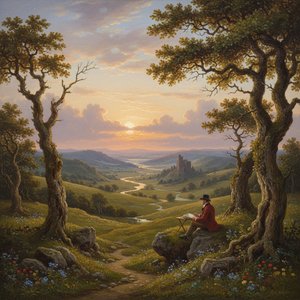
Grove Scene

This artwork is part of the Norwich Castle Museum & Art Gallery collection. It exemplifies John Crome's signature Norwich School aesthetic – simplicity, light, and atmospheric depictions of rural Norfolk. Further research reveals connections to Dutch Masters and Constable, highlighting Crome’s artistic influences.

John Crome (1768-1821): Um mestre da paisagem romântica e fundador da Escola de Norwich! Explore suas obras marcantes, influências holandesas e a beleza única do Norfolk.

Reprodução em Óleo Feita à Mão

Óleo sobre tela pintado à mão no seu tamanho e moldura, feito sob encomenda pelos nossos artistas. (Ver impressão do pedido Ver impressão do pedidoBaixar imagem em alta resolução Baixar imagem em alta resolução)

P118B $10
P118H $10
P118W $10
P438Z $10
P508JH $12
P508YH $12
P805H $10
P805Z $10
P919BZ $10
P919G $10
P919XJ $10
P959ZH $10
P968JZ $12
W106C $8
W218G $10
W218JH $8
W218Y $10
W307PJ $10
W316G $10
W316PJ $8
W316Y $10
W398PJ $8
W4111J $10
W500HY $15
W500JH $15
W692G $12
W849H $8
W940BG $15
W953PJ $8

Standard
custom
CM
INCH

Escolha entre os nossos tamanhos pré-definidos que respeitam as proporções originais da obra de arte.

largura
altura

Pode inserir as suas próprias dimensões para se adequar a uma moldura ou espaço específico. Se o tamanho selecionado não corresponder às proporções da imagem original, iremos cortar a obra de arte ou estender a pintura com elementos adicionais pintados à mão. Um esboço digital será enviado para sua aprovação antes do início da produção.
Tenha em atenção que a pré-visualização no ecrã não reflete o corte ou extensão real. Apenas o esboço mostrará com precisão a composição final.
Embora tamanhos personalizados estejam disponíveis, recomendamos selecionar uma dimensão da lista predefinida para preservar as proporções originais.

Exemplos do que pode ser personalizado: Substituir o rosto pela foto do cliente; Adicionar um animal de estimação (ex: substituir gato por cão); Incluir uma mensagem oculta no fundo; Alterar a paisagem ou elementos do fundo.
Após o pedido, a equipa OriginalUniqueArt.com enviará um e-mail ao cliente para solicitar instruções e fornecer uma prévia do esboço.

Entrega mundial () em 3 a 4 semanas, em vez das 5 semanas padrão. (9 Agosto). Sem comprometer a qualidade.

why_choose_icon
Envio Expresso Gratuito para todo o Mundo
why_choose_icon
Tela de Linho Premium
why_choose_icon
Seguro de transporte total
why_choose_icon
Garantia de Reembolso de Impostos Alfandegários
why_choose_icon
Garantia de Fidelidade de Cor
why_choose_icon
Política de Devolução de 60 Dias (Apenas para Defeitos)
why_choose_icon
Garantia de reembolso de 100%
why_choose_icon
Desconto para múltiplas unidades

Preço Total

$ 300

reproduction

Grove Scene

Técnica de Reprodução

Dimensões da Reprodução

-

Preço Total

$ 300

Detalhes Rápidos

  • Artist: John Crome
  • Year: 1820
  • Artistic style: Simplicity, Light and Air
  • Influences:
    • Dutch Masters
    • Constable
  • Notable elements or techniques: Bold brushstrokes, Warm colors
  • Title: Grove Scene
  • Location: Norwich Castle Museum & Art Gallery

Teste de Conhecimentos Artísticos

Cada pergunta possui apenas uma resposta correta.

Questão 1:
What artistic movement is John Crome’s ‘Grove Scene’ associated with?
Questão 2:
Which British artist heavily influenced John Crome's style and technique?
Questão 3:
What is a prominent characteristic of Crome’s painting style, as exemplified by ‘Grove Scene’?
Questão 4:
The Norwich School of artists is known for depicting what type of subjects?
Questão 5:
What does the warm color palette in ‘Grove Scene’ contribute to the overall mood and atmosphere of the painting?

Descrição da Obra

Grove Scene by John Crome: A Window Into Norfolk’s Romantic Landscape

The Norwich Castle Museum & Art Gallery proudly showcases “Grove Scene,” an oil on canvas masterpiece created in 1820 by the celebrated British artist John Crome, a cornerstone of the Norwich School. More than just a depiction of trees and figures; this painting embodies the spirit of Romanticism—a movement that prioritized emotion and imagination alongside observation—capturing a moment of serene beauty within the Norfolk countryside.

A Masterful Rendition of Light and Texture

Crome’s technique is characterized by bold brushstrokes and an unwavering commitment to capturing the nuances of natural light. He eschewed academic conventions, favoring instead a looser style that prioritized conveying atmosphere over precise detail. The canvas itself appears to breathe with life, thanks to Crome's masterful layering of pigments—particularly yellows and greens—to achieve remarkable luminosity and textural richness. Notice how the artist skillfully renders the dappled sunlight filtering through the branches, creating an illusion of depth and inviting viewers into the tranquil woodland setting.

The Scene: Figures Amidst Nature’s Embrace

“Grove Scene” depicts a small clearing in a Norfolk forest, populated by two individuals—likely strolling companions—who stand quietly observing the landscape. A horse grazes peacefully nearby, adding to the sense of pastoral tranquility. The placement of these figures isn't accidental; Crome deliberately uses them as anchors within the expansive vista, emphasizing the human connection with the natural world – a central theme in Romantic art. Their posture exudes calmness and contemplation, mirroring the stillness of the grove itself.

Influenced by Dutch Masters and Constable

Crome’s artistic vision was profoundly shaped by the Impressionists and particularly by Constable's dedication to portraying rural England with uncompromising honesty. Like Constable, Crome sought to capture not just what he saw but also how it *felt*. This approach is evident in his use of color—warm hues dominate the palette—creating an emotional resonance that transcends mere visual representation. The painting speaks volumes about the beauty and restorative power of nature, reflecting a broader cultural preoccupation with escaping urban pressures and reconnecting with simpler pleasures.

A Legacy of Norfolk Landscape Painting

John Crome’s “Grove Scene” stands as a testament to his enduring legacy—a symbol of Norfolk's artistic heritage and an exemplar of Romantic landscape painting. Its continued presence in the Norwich Castle Museum ensures that generations to come can appreciate the profound artistry and emotional depth of this iconic work. For those seeking inspiration or desiring a stunning reproduction, OriginalUniqueArt.com offers exceptional quality prints that faithfully recreate Crome’s evocative vision. Explore more about John Crome's life and art at OriginalUniqueArt.com and delve deeper into the Norwich School’s contribution to British art history on Wikipedia.
  • Artist: John Berney Crome
  • Born Year: 1794
  • Death Year: 1842
  • Birth City: Norwich
  • Birth Country: United Kingdom

Additional Resources:

Size:

Unknown

Date:

1820

Biografia do Artista

A Norfolk Son: The Life and Art of John Crome

John Crome, affectionately known as “Old Crome” to distinguish him from his artist son, stands as a pivotal figure in British art history—a founder and leading light of the celebrated Norwich School. Born in 1768 in the bustling market town of Norwich, Norfolk, Crome’s journey was one of remarkable self-education and dedication, rising from humble beginnings to become a respected landscape painter who captured the very essence of his beloved East Anglian countryside. His father, a weaver, instilled a strong work ethic, but it was an apprenticeship with house, coach, and sign painter Francis Whisler that first nurtured Crome’s artistic inclinations, providing him with foundational skills in design and color. This practical training proved invaluable as he began to explore his passion for depicting the natural world around him. A formative friendship with Robert Ladbrooke, a fellow aspiring artist, further fueled his development; together they sketched en plein air, honing their observational abilities and sharing a burgeoning enthusiasm for art.

Early Life and Artistic Training

John Crome’s early life was marked by modest circumstances—his father operated a weaving workshop, shaping young John’s understanding of labor and craftsmanship. Recognizing his innate talent, Whisler secured him an apprenticeship at the age of fourteen, granting him access to invaluable artistic instruction. This formative experience encompassed not only painting techniques but also design principles and color theory—skills that would prove instrumental in Crome’s subsequent artistic endeavors. Crucially, Ladbrooke became a lifelong companion and collaborator, fostering a shared passion for art and encouraging Crome's exploration of the Norfolk landscape. Their sketching expeditions cemented their observational prowess and instilled within him a profound appreciation for capturing the subtleties of natural light and atmosphere—a characteristic that would define his distinctive style.

The Norwich School: Founding Principles

In 1803, John Crome irrevocably altered the course of British art history by co-founding the Norwich Society of Artists with Robert Ladbrooke. This bold initiative represented a decisive break from the prevailing artistic conventions of London and signaled the formal genesis of the Norwich School—a movement that championed direct observation of nature as paramount to artistic expression. Unlike many artists of his time who sought inspiration in idealized representations or classical models, Crome’s vision centered on portraying Norfolk’s rural landscapes with uncompromising honesty and accuracy. The Society's members embraced a shared commitment to capturing the region’s distinctive character—its rolling hills, meandering rivers, and ancient woodlands—rejecting academic formalism for a more emotive and responsive approach. This ethos profoundly influenced subsequent generations of painters who hailed from Norwich and established a lasting legacy as one of England’s most influential artistic movements.

Influences and Artistic Style

Crome’s artistic sensibilities were deeply rooted in the traditions of Dutch landscape painting, particularly those championed by Jacob van Ruisdael and Rembrandt Hobbema—artists whose mastery of light and atmosphere captivated him from a young age. He meticulously studied their techniques, absorbing their compositional strategies and striving to emulate their ability to convey mood and emotion through subtle tonal variations. Furthermore, Crome acknowledged the influence of Richard Wilson’s lyrical landscapes, recognizing Wilson's dedication to portraying the beauty of England with poetic sensitivity. However, Crome distinguished himself from his peers by prioritizing meticulous botanical observation—a skill honed during his apprenticeship and reinforced throughout his life—resulting in paintings that accurately depict tree species and their habitats. His distinctive style is characterized by loose brushwork, atmospheric perspective, and a luminous palette—elements that contribute to the profound emotional resonance of his works.

Legacy and Recognition

John Crome’s contribution extended far beyond his artistic output. He served as president of the Norwich Society of Artists for many years, fostering a vibrant community of painters who embraced his unwavering belief in the importance of direct observation and truthful representation. Despite initial skepticism from London art critics—who questioned the merits of his seemingly unpolished technique—Crome gained national acclaim through thirteen exhibitions at the Royal Academy between 1806 and 1818, securing a place among England’s most respected artists. His etchings, though unpublished during his lifetime, revealed another facet of his talent—a meticulous attention to detail and an unwavering commitment to capturing the essence of Norfolk scenery. Even today, Crome’s legacy endures—not merely through his paintings but also in the geographical landmarks that bear his name: Crome’s Broad and Crome ward stand as enduring testaments to his lasting impact on Norwich and Norfolk. His life serves as an inspiring example of how artistic vision, combined with a deep connection to one's surroundings, can create a body of work that resonates across generations. His paintings continue to captivate viewers with their quiet beauty, evocative atmosphere, and enduring connection to the heart of Norfolk
John Crome

John Crome

1768 - 1821 , Reino Unido

Informações Rápidas

  • Artistic Movement Or Style: Escola de Norwich
  • Artists Or Movements Influenced By This Artist: ['Norwich School']
  • Artists Who Influenced This Artist:
    • Meindert Hobbema
    • William Beechey
  • Date Of Birth: 1768
  • Full Name: John Crome
  • Nationality: Inglês
  • Notable Artworks:
    • A Lime Kiln
    • Grove Scene
    • Mousehold Heath
  • Place Of Birth: Norwich, Reino Unido
Explore obras de arte organizadas por temas, estilos e características.