

 Visualizar na parede
 Compartilhar
 Compartilhar
 Detalhes
 Guia
Guia

 Baixar imagem
 Semelhantes
 Raio X
 Ver diaporama
 Q&A
Q&A Estatísticas
Retrato de altar
 Acrílico sobre tela
- Arte de Parede
- Baroque Decorative Style
 1725
1725 5.0 x 66.0 cm
 Castelo Real de Wawel
 Ler mais
Giclée / Impressão de Arte
Impressão giclée ou em tela de qualidade de museu, com produção rápida e opções flexíveis de acabamento. ( Comprar pintura feita à mão Alternar para Imagem Digital)




P118B €10

P118H €10

P118W €10

P438Z €10

P508JH €12

P508YH €12

P805H €10

P805Z €10

P919BZ €10

P919G €10

P919XJ €10

P959ZH €10

P968JZ €12

W106C €8

W218G €10

W218JH €8

W218Y €10

W307PJ €10

W316G €10

W316PJ €8

W316Y €10

W398PJ €8

W4111J €10

W500HY €15

W500JH €15

W692G €12

W849H €8

W940BG €15

W953PJ €8




Escolha entre os nossos tamanhos pré-definidos que respeitam as proporções originais da obra de arte.

Insira a largura e a altura desejadas para se ajustarem à sua moldura ou parede. Uma impressão pode ser apenas cortada, nunca ampliada além da imagem original; portanto, um tamanho com proporções diferentes resultará na perda de parte da imagem. Enviamos uma maquete digital para sua aprovação antes de realizarmos a impressão. A imagem exibida nesta página não mostra o corte real — apenas a maquete o faz.
Entrega mundial () em 2 semanas, em vez das 4/5 semanas padrão. (30 Outubro)

Envio expresso gratuito para todo o mundo

Tela de Linho de Alta Qualidade

Seguro de transporte completo

Garantia de Reembolso de Impostos Alfandegários

Garantia de Fidelidade Cromática

Política de Devolução em 100 Dias (Apenas para Defeitos)

Garantia de reembolso de 100%

Oferta de desconto por quantidade
 A opção de vidro está disponível apenas para tamanhos inferiores a 110 cm

Retrato de altar
Giclée / Impressão de Arte
Tamanho da Reprodução
-


Preço Total
€ 71
Uma Elegância Silenciosa: O Retrato de um Altar Renascentista
O Gemälde "Palace Altarpiece" atribuído a Johann Andreas Thelott, pintado em 1725, representa uma obra que transcende o mero registro visual para comunicar uma profunda mensagem estética e espiritual. Esta peça artística, agora disponível como reprodução de alta qualidade em OriginalUniqueArt.com, oferece um olhar fascinante sobre o período barroco alemão e a maestria técnica da época.A Beleza da Observação Detalhada
Carel de Moor, considerado um dos mais importantes artistas da escola holandesa do século XVII, consagrou-se à arte do *fijnschilding*, uma abordagem inovadora que buscava capturar a essência da realidade através de meticulosas observações e detalhes minuciosos. Thelott, influenciado por figuras como Gerrit Dou e Frans van Mieris, adotou essa filosofia estética, buscando criar imagens que fossem tanto precisas quanto emocionalmente significativas. Como mencionado na pesquisa adicional sobre artistas renomados como Johann Ludwig Andreae, o foco em detalhes é uma característica comum entre os grandes mestres da época.Um Olhar Sobre o Ambiente Religioso
O altar retratado não apenas demonstra habilidades técnicas excepcionais, mas também reflete um contexto histórico rico em simbolismo religioso. A composição cuidadosamente planejada apresenta uma escultura central adornada por uma estrutura dourada elaborada, destacando elementos como três vasos estrategicamente posicionados e um relojoeiro que adicionam profundidade à cena. Os livros colocados lado a lado reforçam o tema da fé e do conhecimento, elementos importantes na cultura barroca. Uma análise mais profunda revela que este altar era propriedade da família Potocki em Cracóvia, adquirida entre 1966 e 1967, como evidenciado pela pesquisa sobre obras de arte específicas.A Técnica do Pintor: Um Legado de Precisão
O estilo artístico empregado por Thelott é caracterizado pela aplicação cuidadosa da tinta sobre tela, utilizando técnicas que garantem uma textura suave e uma paleta de cores delicada. A atenção aos detalhes é evidente em cada elemento da pintura, desde as esculturas até os objetos decorativos, demonstrando o compromisso do artista com a busca pela perfeição estética. Esta abordagem técnica, compartilhada por outros artistas importantes como Johann Andreas Äglawer, reflete o espírito da época e contribui para a beleza atemporal da obra.- Reprodução disponível em OriginalUniqueArt.com
- Tamanho: 5 x 66 cm
- Artista: Johann Andreas Thelott
- Data: 1725
Perguntas e Respostas
Como é descrita a paleta de "Retrato de altar", de Johann Andreas Thelott?
As cores de "Retrato de altar" compõem uma paleta Tons neutros. Esta classificação descreve as famílias de cores predominantes.
Que tipo de obra é "Retrato de altar"?
"Retrato de altar", de Johann Andreas Thelott é classificado como Arte de Parede. A categoria descreve o tipo de obra de arte que a peça original representa.
Qual é a intensidade das cores de "Retrato de altar", de Johann Andreas Thelott?
A intensidade de cor de "Retrato de altar" é Monocromático. A intensidade descreve o quão vibrantes as cores parecem ser.
Biografia do Artista
Carel de Moor: A Dutch Master of Subtle Detail
Carel de Moor (the Younger), born on February 25, 1655, in Leiden, Netherlands, was a pivotal figure in the development of Dutch Golden Age painting. His life and career unfolded within a vibrant artistic landscape, shaped by the legacy of his father, Carel de Moor (the Elder), an ebony woodworker and art dealer, and influenced by masters like Gerrit Dou and Frans van Mieris. De Moor’s journey wasn't one of dramatic innovation but rather a meticulous refinement of existing techniques, earning him recognition as a master of *fijnschilding* – a style characterized by subtle details, atmospheric effects, and a quiet realism. He stands as a testament to the enduring power of observation and skillful execution within the Dutch artistic tradition.Early Training and Influences
De Moor’s early education was deeply rooted in his family's trade and artistic connections. His father, a skilled craftsman and art dealer, exposed him to the world of art from a young age. Recognizing his son’s innate talent for drawing, he sent Carel to Gerrit Dou (1613–75), a renowned Leiden master known for his atmospheric effects and meticulous rendering of textures. This early mentorship instilled in De Moor a deep appreciation for observation and a commitment to capturing the nuances of light and shadow. Later, seeking a bolder brush handling, he traveled to Amsterdam to study with Abraham van den Tempel (1622/23–72), another influential painter whose work emphasized realism and psychological insight. These formative experiences laid the foundation for De Moor’s distinctive style, blending the lessons of his teachers into a cohesive and personal artistic vision.Style and Technique
De Moor's paintings are distinguished by their remarkable subtlety and restraint. Unlike some of his contemporaries who favored dramatic compositions or bold colors, he cultivated a more understated approach, focusing on capturing fleeting moments and conveying psychological depth through carefully rendered details. His works often feature figures engaged in quiet activities – a woman listening to a scolding, a couple sharing a private moment, or a scholar absorbed in his studies. These scenes are presented with an almost photographic realism, achieved through meticulous attention to texture, light, and shadow. He employed a technique of *sfumato*, blurring outlines and softening edges to create a sense of atmosphere and ambiguity. This careful control of detail, combined with a masterful understanding of color and composition, is what sets De Moor’s work apart.Notable Works and Commissions
De Moor's career spanned several decades, during which he produced a substantial body of work encompassing history paintings, genre scenes, and portraits. He was a prolific member of the Leiden Guild of St. Luke, holding various leadership positions, including headman and dean, demonstrating his influence within the artistic community. Among his most celebrated works are *The Duet* (1674), a captivating depiction of two women engaged in conversation; and his series of paintings illustrating the life of Saint Bruno, commissioned for the Charterhouse Monastery in Paris. These later works showcase De Moor’s evolving style, incorporating elements of both realism and classical influence. His dedication to his craft is evident in the numerous drawings he created, many of which are now housed in museums worldwide.Legacy and Historical Significance
Carel de Moor (the Younger) remains a significant figure in Dutch Golden Age painting, representing a crucial link between the earlier masters and subsequent generations of artists. His commitment to subtlety, realism, and psychological insight established him as a leading exponent of *fijnschilding*. He wasn’t a revolutionary; rather, he perfected existing techniques, contributing significantly to the development of a refined and nuanced style that continues to be admired for its quiet beauty and profound observation of human nature. His influence can be seen in the work of later Dutch painters, solidifying his place as a master of detail and a testament to the enduring legacy of Leiden’s artistic tradition.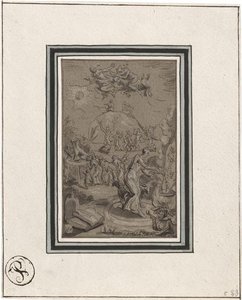
Johann Andreas Thelott
1655 - 1734 , Germany
Dados Rápidos
- Full Name: Eustache Le Sueur
- Nationality: French
- Date Of Birth: 1655
- Date Of Death: 1734
- Place Of Birth: Augsburg, Germany
- Notable Artworks:
- Angel and Hagar
- Tobias and Tobit
- Martyrdom St Lawrence
- Life of St Bruno
- Artistic Movement Or Style: Neoclassical
- Artists Who Influenced This Artist:
- Vouet
- Poussin
- Artists Or Movements Influenced By This Artist: ["Le Sueur's style influenced later artists."]
Artigos Relacionados

Os 10 Mestres do Barroco: Obras-Primas que Moldaram a Arte e Decoram o Lar
Descubra os 10 maiores ícones do Barroco! Explore a história, técnica e emoção por trás de Caravaggio, Rembrandt, Bernini e outros mestres. Encontre reproduções de arte barroca para decorar seu lar com luxo em OriginalUniqueArt.com.

Barroco Brasileiro: Opulência e Emoção para Interiores Contemporâneos
Descubra como o Barroco brasileiro pode transformar seus interiores! Explore a história, elementos-chave e dicas para integrar este estilo luxuoso e cheio de emoção em sua casa.

The Visceral Stage: Exploring Dramatic Narratives & Emotional Intensity in Baroque Art
Explore the dramatic world of Baroque art! Discover iconic masters like Caravaggio & Rembrandt, their techniques, and the movement's lasting impact. Expert insights for collectors & enthusiasts at OriginalUniqueArt.

The Dramatic Flourish: Exploring the Baroque Movement's Enduring Legacy in Art History
Explore the dramatic world of Baroque art! Discover iconic artists like Caravaggio & Rubens, defining techniques, and its lasting impact on art history. Expert insights for collectors & enthusiasts at OriginalUniqueArt.

Baroque Classicism: The Grandeur of Order and Drama in 17th-Century Art History
Explore the profound elegance of Baroque Classicism. Discover how 17th-century masters synthesized dramatic emotion with classical order through the lens of the Counter-Reformation and the works of legends like Carlo Maratta and Andrea Sacchi.
