

 Visualizar em escala
 Enviar
 Compartilhar
 Ver detalhes

 Baixar
 Semelhantes
 Raio X
 Apresentação de slides
Retrato de altar
 Acrílico sobre tela
- Arte de Parede
- Baroque Decorative Style
 1725
1725 5.0 x 66.0 cm
 Castelo Real de Wawel
 Ver mais
Adquira uma imagem digital de alta resolução e aprimorada, muito superior à prévia online.
Cada arquivo é meticulosamente preparado por nossos especialistas internos, utilizando ferramentas avançadas e retoques manuais de alta precisão. Garantimos que cada imagem apresente clareza excepcional, fidelidade de cores e detalhes minuciosos.
O arquivo final é entregue por e-mail em até 72 horas, otimizado para uso imediato em ambientes profissionais, editoriais e de impressão. Esta é a mesma qualidade utilizada por estúdios de design de alto nível, editoras e galerias.
Imagem Digital
Baixe um arquivo de alta resolução para exibição pessoal, impressão e projetos criativos. ( Encomendar impressão Encomendar reprodução pintada à mão)
Incluído em cada pedido de imagem digital
Entrega Digital Especializada e Garantida
Ao escolher o OriginalUniqueArt.com, você não está apenas adquirindo uma imagem — você está recebendo uma obra de arte digital profissionalmente aprimorada, elaborada com precisão e com garantia de satisfação. Aqui está tudo o que acompanha seu pedido, automaticamente:

Entrega rápida por e-mail
O seu arquivo de imagem digital em alta resolução será enviado por e-mail em até 72 horas após o pedido — pronto para uso imediato.

Arquivo Digital com IA Otimizado
Sua obra de arte é otimizada profissionalmente por meio de ferramentas avançadas de IA e edição manual, garantindo o máximo de detalhes, clareza e precisão de cores.

Reenvio gratuito vitalício
Apagou ou perdeu o seu ficheiro acidentalmente? Não se preocupe – nós reenviamos para si a qualquer momento, gratuitamente.

Sem Taxas de Importação - Sempre
Desfrute da sua obra de arte instantaneamente, sem taxas alfandegárias, impostos ou custos de entrega — downloads digitais são sempre isentos de taxas.

Garantia de Precisão de Cores
Garantimos que sua imagem digital reflita as cores originais com a maior fidelidade possível, utilizando ferramentas profissionais e gerenciamento de cores.

Garantia de Satisfação de 60 Dias
Se você não estiver satisfeito com sua imagem digital, nós a revisaremos ou reembolsaremos 100% dentro de 60 dias — sem perguntas.

Garantia de Reembolso 100%
Não está satisfeito? Receba o reembolso total em até 60 dias após o recebimento do seu arquivo digital — sem perguntas.

Descontos para pedidos em lote
Compre 3 imagens, economize 10% - Compre 5, economize 15% - Compre 10+, economize 20%. Ideal para projetos criativos, galerias e agências.
Descrição do Colecionável
Uma Elegância Silenciosa: O Retrato de um Altar Renascentista
O Gemälde "Palace Altarpiece" atribuído a Johann Andreas Thelott, pintado em 1725, representa uma obra que transcende o mero registro visual para comunicar uma profunda mensagem estética e espiritual. Esta peça artística, agora disponível como reprodução de alta qualidade em OriginalUniqueArt.com, oferece um olhar fascinante sobre o período barroco alemão e a maestria técnica da época.A Beleza da Observação Detalhada
Carel de Moor, considerado um dos mais importantes artistas da escola holandesa do século XVII, consagrou-se à arte do *fijnschilding*, uma abordagem inovadora que buscava capturar a essência da realidade através de meticulosas observações e detalhes minuciosos. Thelott, influenciado por figuras como Gerrit Dou e Frans van Mieris, adotou essa filosofia estética, buscando criar imagens que fossem tanto precisas quanto emocionalmente significativas. Como mencionado na pesquisa adicional sobre artistas renomados como Johann Ludwig Andreae, o foco em detalhes é uma característica comum entre os grandes mestres da época.Um Olhar Sobre o Ambiente Religioso
O altar retratado não apenas demonstra habilidades técnicas excepcionais, mas também reflete um contexto histórico rico em simbolismo religioso. A composição cuidadosamente planejada apresenta uma escultura central adornada por uma estrutura dourada elaborada, destacando elementos como três vasos estrategicamente posicionados e um relojoeiro que adicionam profundidade à cena. Os livros colocados lado a lado reforçam o tema da fé e do conhecimento, elementos importantes na cultura barroca. Uma análise mais profunda revela que este altar era propriedade da família Potocki em Cracóvia, adquirida entre 1966 e 1967, como evidenciado pela pesquisa sobre obras de arte específicas.A Técnica do Pintor: Um Legado de Precisão
O estilo artístico empregado por Thelott é caracterizado pela aplicação cuidadosa da tinta sobre tela, utilizando técnicas que garantem uma textura suave e uma paleta de cores delicada. A atenção aos detalhes é evidente em cada elemento da pintura, desde as esculturas até os objetos decorativos, demonstrando o compromisso do artista com a busca pela perfeição estética. Esta abordagem técnica, compartilhada por outros artistas importantes como Johann Andreas Äglawer, reflete o espírito da época e contribui para a beleza atemporal da obra.- Reprodução disponível em OriginalUniqueArt.com
- Tamanho: 5 x 66 cm
- Artista: Johann Andreas Thelott
- Data: 1725
Biografia do Artista
Carel de Moor: A Dutch Master of Subtle Detail
Carel de Moor (the Younger), born on February 25, 1655, in Leiden, Netherlands, was a pivotal figure in the development of Dutch Golden Age painting. His life and career unfolded within a vibrant artistic landscape, shaped by the legacy of his father, Carel de Moor (the Elder), an ebony woodworker and art dealer, and influenced by masters like Gerrit Dou and Frans van Mieris. De Moor’s journey wasn't one of dramatic innovation but rather a meticulous refinement of existing techniques, earning him recognition as a master of *fijnschilding* – a style characterized by subtle details, atmospheric effects, and a quiet realism. He stands as a testament to the enduring power of observation and skillful execution within the Dutch artistic tradition.Early Training and Influences
De Moor’s early education was deeply rooted in his family's trade and artistic connections. His father, a skilled craftsman and art dealer, exposed him to the world of art from a young age. Recognizing his son’s innate talent for drawing, he sent Carel to Gerrit Dou (1613–75), a renowned Leiden master known for his atmospheric effects and meticulous rendering of textures. This early mentorship instilled in De Moor a deep appreciation for observation and a commitment to capturing the nuances of light and shadow. Later, seeking a bolder brush handling, he traveled to Amsterdam to study with Abraham van den Tempel (1622/23–72), another influential painter whose work emphasized realism and psychological insight. These formative experiences laid the foundation for De Moor’s distinctive style, blending the lessons of his teachers into a cohesive and personal artistic vision.Style and Technique
De Moor's paintings are distinguished by their remarkable subtlety and restraint. Unlike some of his contemporaries who favored dramatic compositions or bold colors, he cultivated a more understated approach, focusing on capturing fleeting moments and conveying psychological depth through carefully rendered details. His works often feature figures engaged in quiet activities – a woman listening to a scolding, a couple sharing a private moment, or a scholar absorbed in his studies. These scenes are presented with an almost photographic realism, achieved through meticulous attention to texture, light, and shadow. He employed a technique of *sfumato*, blurring outlines and softening edges to create a sense of atmosphere and ambiguity. This careful control of detail, combined with a masterful understanding of color and composition, is what sets De Moor’s work apart.Notable Works and Commissions
De Moor's career spanned several decades, during which he produced a substantial body of work encompassing history paintings, genre scenes, and portraits. He was a prolific member of the Leiden Guild of St. Luke, holding various leadership positions, including headman and dean, demonstrating his influence within the artistic community. Among his most celebrated works are *The Duet* (1674), a captivating depiction of two women engaged in conversation; and his series of paintings illustrating the life of Saint Bruno, commissioned for the Charterhouse Monastery in Paris. These later works showcase De Moor’s evolving style, incorporating elements of both realism and classical influence. His dedication to his craft is evident in the numerous drawings he created, many of which are now housed in museums worldwide.Legacy and Historical Significance
Carel de Moor (the Younger) remains a significant figure in Dutch Golden Age painting, representing a crucial link between the earlier masters and subsequent generations of artists. His commitment to subtlety, realism, and psychological insight established him as a leading exponent of *fijnschilding*. He wasn’t a revolutionary; rather, he perfected existing techniques, contributing significantly to the development of a refined and nuanced style that continues to be admired for its quiet beauty and profound observation of human nature. His influence can be seen in the work of later Dutch painters, solidifying his place as a master of detail and a testament to the enduring legacy of Leiden’s artistic tradition.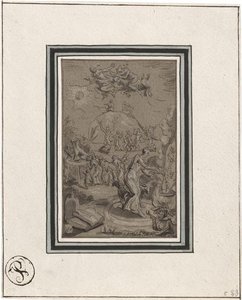
johann andreas thelott
1655 - 1734 , Germany
Informações Rápidas
- Artistic Movement Or Style: Neoclassical
- Artists Or Movements Influenced By This Artist: ["Le Sueur's style influenced later artists."]
- Artists Who Influenced This Artist:
- Vouet
- Poussin
- Date Of Birth: 1616-11-19
- Date Of Death: 1655-04-30
- Full Name: Eustache Le Sueur
- Nationality: French
- Notable Artworks:
- Angel and Hagar
- Tobias and Tobit
- Martyrdom St Lawrence
- Life of St Bruno
- Place Of Birth: Paris, France

