Tamanho do texto

() ·

Uma pintura feita para você, à mão

O Céu Estrelado

Reprodução em Óleo Feita à Mão

Óleo sobre tela pintado à mão no tamanho e moldura de sua escolha, feito sob encomenda pelos nossos artistas. ( Alternar para Impressão Alternar para Imagem Digital)

Descrição do Item

Uma obra-prima de Jean-François Millet que captura a beleza da paisagem Fontainebleau e o simbolismo religioso. Explore 'O Céu Estrelado' – uma pintura icônica inspirada na natureza e na espiritualidade.

Biografia do Artista

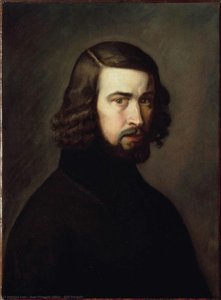
Jean-François Millet (1814-1875): Pintor realista da Escola de Barbizon, famoso por retratos dignos do trabalho rural e da vida simples. Explore sua obra icônica!

de ·

Capítulo 1

Qual deve ser o tamanho?

Deslize para alterar o tamanho; a imagem à esquerda mostra a moldura em sua largura real. As proporções originais são mantidas.

Tamanho padrão
personalizado
CM
INCH

Escolha entre os nossos tamanhos pré-definidos que respeitam as proporções originais da obra de arte.

largura
altura

Insira a largura e a altura desejadas para se ajustarem à sua moldura ou parede. Como esta obra é pintada à mão, para um tamanho com proporções diferentes, o artista poderá pintar um pouco mais ao redor da imagem ou reduzir ligeiramente a composição — você escolhe. Enviamos uma maquete digital para sua aprovação antes de iniciar a pintura. A imagem exibida nesta página não representa o resultado real — apenas a maquete mostra o resultado final.

Capítulo 2

Como deve chegar?

Escolha as bordas da tela esticada

Escolha sua moldura

Corner sample of the WhiteWrap canvas edge finish, stretched on madeira maciça bars
Branco €1
Corner sample of the BlurSideWrap canvas edge finish, stretched on madeira maciça bars
Bordas esfumaçadas €1
Corner sample of the ExtendedWrap canvas edge finish, stretched on madeira maciça bars
Bordas estendidas €1
Corner sample of the P118B picture frame: poliestireno moldado, 5 cm wide and 3 cm thick
P118B €10
Corner sample of the P118H picture frame: poliestireno moldado, 5 cm wide and 3 cm thick
P118H €10
Corner sample of the P118W picture frame: poliestireno moldado, 5 cm wide and 3 cm thick
P118W €10
Corner sample of the P438Z picture frame: poliestireno moldado, 5.5 cm wide and 3.5 cm thick
P438Z €10
Corner sample of the P508JH picture frame: poliestireno moldado, 7 cm wide and 3.5 cm thick
P508JH €12
Corner sample of the P508YH picture frame: poliestireno moldado, 7 cm wide and 3.5 cm thick
P508YH €12
Corner sample of the P805H picture frame: poliestireno moldado, 5 cm wide and 3.5 cm thick
P805H €10
Corner sample of the P805Z picture frame: poliestireno moldado, 5 cm wide and 3.5 cm thick
P805Z €10
Corner sample of the P919BZ picture frame: poliestireno moldado, 7 cm wide and 3.5 cm thick
P919BZ €10
Corner sample of the P919G picture frame: poliestireno moldado, 7 cm wide and 3.5 cm thick
P919G €10
Corner sample of the P919XJ picture frame: poliestireno moldado, 7 cm wide and 3.5 cm thick
P919XJ €10
Corner sample of the P959ZH picture frame: poliestireno moldado, 5 cm wide and 3 cm thick
P959ZH €10
Corner sample of the P968JZ picture frame: poliestireno moldado, 6 cm wide and 4 cm thick
P968JZ €12
Corner sample of the W106C picture frame: madeira maciça, 5 cm wide and 3 cm thick
W106C €8
Corner sample of the W218G picture frame: madeira maciça, 5 cm wide and 3 cm thick
W218G €10
Corner sample of the W218JH picture frame: madeira maciça, 5 cm wide and 3 cm thick
W218JH €8
Corner sample of the W218Y picture frame: madeira maciça, 5 cm wide and 3 cm thick
W218Y €10
Corner sample of the W307PJ picture frame: madeira maciça, 6 cm wide and 3 cm thick
W307PJ €10
Corner sample of the W316G picture frame: madeira maciça, 6 cm wide and 3 cm thick
W316G €10
Corner sample of the W316PJ picture frame: madeira maciça, 6 cm wide and 3 cm thick
W316PJ €8
Corner sample of the W316Y picture frame: madeira maciça, 6 cm wide and 3 cm thick
W316Y €10
Corner sample of the W398PJ picture frame: madeira maciça, 5 cm wide and 3 cm thick
W398PJ €8
Corner sample of the W4111J picture frame: madeira maciça, 6.5 cm wide and 3.5 cm thick
W4111J €10
Corner sample of the W500HY picture frame: madeira maciça, 7 cm wide and 5 cm thick
W500HY €15
Corner sample of the W500JH picture frame: madeira maciça, 7 cm wide and 5 cm thick
W500JH €15
Corner sample of the W692G picture frame: madeira maciça, 8 cm wide and 4 cm thick
W692G €12
Corner sample of the W849H picture frame: madeira maciça, 5 cm wide and 3 cm thick
W849H €8
Corner sample of the W940BG picture frame: madeira maciça, 7.5 cm wide and 4.5 cm thick
W940BG €15
Corner sample of the W953PJ picture frame: madeira maciça, 6 cm wide and 3.5 cm thick
W953PJ €8
Corner sample of the H24-GOLD picture frame: madeira entalhada com gesso, 10 cm wide and 6 cm thick
H24-GOLD €30
Corner sample of the H24-SILVER picture frame: madeira entalhada com gesso, 10 cm wide and 6 cm thick
H24-SILVER €30
Corner sample of the H36-GOLD picture frame: madeira entalhada com gesso, 15 cm wide and 6.5 cm thick
H36-GOLD €45
Corner sample of the H36-SILVER picture frame: madeira entalhada com gesso, 15 cm wide and 6.5 cm thick
H36-SILVER €45
Prévia da moldura
Com moldura

Moldura: . Dimensões totais com a moldura: .

Capítulo 3

Quem o pinta, e deveria algo mudar?

Exemplos do que pode ser alterado: Substituir o rosto pela foto do cliente; Adicionar um animal de estimação (ex: substituir gato por cachorro); Incluir uma mensagem oculta no fundo; Alterar a paisagem ou elementos do fundo.
Após o pedido, a equipe da OriginalUniqueArt.com enviará um e-mail ao cliente para instruções e fornecerá uma prévia da montagem

Entrega mundial () em 3 a 4 semanas, em vez das 5 semanas padrão. (7 Novembro). Sem comprometer a qualidade.

Capítulo 4

Os retoques finais

Uma placa de identificação, como em um museu?

Detalhes da Placa de Bronze Gravada

This elegant plaque features the artist's name and the title of the artwork, finely engraved for a timeless presentation.

It is made from bronze with a refined, elegant finish. The text is precisely laser-engraved for a sharp and permanent result. Measuring 9x2 cm, the plaque is compact yet easy to read. It's built to be durable and scratch-resistant, offering a professional, museum-quality look. Mounting is simple thanks to the included adhesive backing.

Detalhes da Placa de Acrílico Transparente

The plaque includes essential engraved details such as the artist's name, the title of the artwork, the date it was created, the type of media used-like oil on canvas or watercolor-a brief description of the piece, and a QR code that links to the complete artwork information.

It is crafted from clear acrylic, offering a sleek, modern appearance. The text is UV-engraved in black to ensure strong visual contrast. With a size of 10x15 cm, it ensures optimal readability. It comes equipped with two metal hooks for secure wall mounting. The plaque is designed to be weather-resistant, making it suitable for various environments, and it includes interactive features that work seamlessly with smartphone scanning.

Detalhes da Placa de Acrílico Preto

This elegant plaque includes engraved information such as the artist's name, the title of the artwork, the date it was created, the type of media used (like oil on canvas or watercolor), a short description of the artwork, and a QR code for quick access to more information.

The plaque itself is made from refined black acrylic with a premium finish. The text is laser-engraved in white for high contrast and readability. Its size is 10x15 cm, designed to be easy to read. It comes with two metal hooks for professional mounting. The design is sleek and fits any interior style. It is also weather-resistant and durable, with built-in digital integration for mobile compatibility.

Um verniz protetor?

Para quando você precisa?

Capítulo 5

A sua pintura, conforme encomendada

O Céu Estrelado

Técnica de Reprodução

Tamanho da Reprodução

-

Artista Sênior de Elite

Mais detalhes, refinamento e tempo de produção adicional

-

Moldura para Reprodução

-

-

Para obras de arte ou reproduções com mais de 105 cm (aproximadamente 41 polegadas) em qualquer um dos lados, a moldura será enviada como um kit desmontado. Este método garante uma entrega segura e evita danos durante o transporte.

Montagem profissional necessária — este não é um produto DIY (faça você mesmo).
O kit deve ser montado e a tela esticada por um profissional de molduraria experiente, utilizando cola de madeira (não inclusa), um alicate de esticar tela e grampos para manter as travessas alinhadas enquanto a cola seca. A montagem incorreta ou a tensão desigual da tela podem danificar permanentemente a obra de arte e não estão cobertas pela nossa garantia.

  • Todas as barras de madeira maciça estão incluídas, precisamente cortadas ao tamanho certo.

  • Montado com os parafusos fornecidos, além de cola para madeira para as junções dos cantos, que não está inclusa e deve ser providenciada pelo seu moldurista.

  • São necessárias ferramentas profissionais não incluídas: um alicate de estiramento de tela (esticador) e grampos para manter as ripas alinhadas enquanto a cola seca.

Importante:
As junções dos cantos requerem cola para madeira, as ripas devem ser mantidas com grampos até que a cola esteja completamente seca, e o estiramento da tela na moldura montada requer um alicate de esticar tela. Nenhum destes itens está incluído no kit. Por favor, certifique-se de contar com um profissional de molduraria experiente antes de encomendar este tamanho.

Etiqueta de identificação

-

-

Verniz de Proteção

Verniz brilhante (realça as cores e protege contra a luz e a umidade)

-

Personalizar minha obra

Exemplos de alterações possíveis: Substituir o rosto por uma foto do cliente; Adicionar um animal de estimação (ex.: substituir gato por cachorro); Incluir uma mensagem oculta no fundo; Alterar a paisagem ou os elementos do fundo.

-

Urgente

Entrega mundial () em 3 a 4 semanas, em vez das 5 semanas padrão. (7 Novembro). Sem comprometer a qualidade.

-

Envio Expresso

Entrega mundial para em 5 semanas. (14 Novembro).

Com envio incluído

Preço Total

€ 290

Preço Total € 290

A opção de vidro está disponível apenas para tamanhos inferiores a 110 cm

Incluído em todos os pedidos

  • Envio expresso gratuito para todo o mundo
  • Tela de Linho de Alta Qualidade
  • Seguro de transporte completo
  • Garantia de Reembolso de Impostos Alfandegários
  • Garantia de Fidelidade Cromática
  • Política de Devolução em 100 Dias (Apenas para Defeitos)
  • Garantia de reembolso de 100%
  • Oferta de desconto por quantidade

A Elegância Atemporal da Devoção Rural

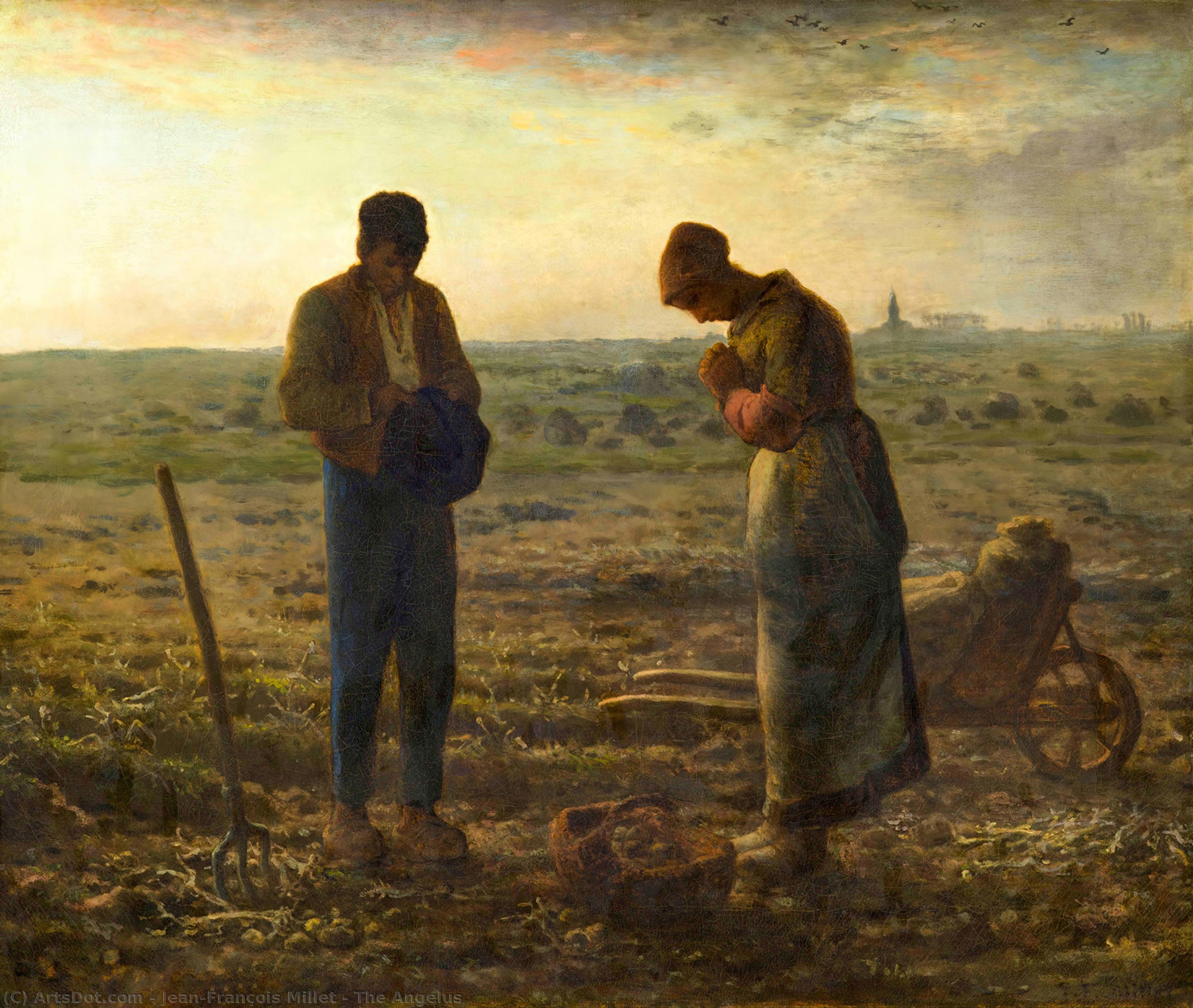
A obra "O Angelus", de Jean-François Millet, é uma obra-prima que captura a essência da vida rural e da devoção espiritual na França do século XIX. Esta pintura icônica, concluída entre 1857 e 1859, retrata dois camponeses pausando sua colheita de batatas para recitar a oração do Angelus ao crepúsculo. A cena é ambientada em uma vasta paisagem aberta sob um céu suave e difuso, evocando uma sensação de contemplação silenciosa e trabalho árduo.

Uma Obra-Prima do Realismo

Millet, figura fundamental no movimento artístico realista e na Escola Barbizon, é renomado por suas representações pungentes da vida camponesa. "O Angelus" exemplifica seu compromisso em retratar a dignidade e a resiliência dos trabalhadores rurais. O estilo realista da pintura combina representações detalhadas das figuras e do ambiente com um tratamento mais suave e atmosférico de luz e cor.

Técnica e Composição

A obra é dividida em duas seções principais: o primeiro plano, onde as figuras estão situadas, e o plano de fundo, que apresenta um campo expansivo e um horizonte distante. A pincelada meticulosa de Millet realça as texturas das roupas e das ferramentas, enquanto o fundo é tratado de forma mais fluida, mesclando cores para criar uma sensação de profundidade. O uso de linhas horizontais enfatiza a vastidão da paisagem, ao passo que elementos verticais conferem profundidade e dinamismo à composição.

Contexto Histórico e Simbolismo

"O Angelus" foi inicialmente intitulado "Oração para a Colheita de Batatas", mas foi renomeado após Millet adicionar o campanário de uma igreja ao fundo distante. A pintura reflete o cotidiano dos camponeses rurais, que interrompiam seu trabalho para recitar a oração do Angelus ao som do sino da igreja. Este ritual marcava o fim de um dia de labor e proporcionava um momento de reflexão espiritual.

Impacto Emocional

O tom emocional de "O Angelus" é contemplativo e sóbrio, evocando empatia pela existência laboriosa das figuras. O contraste entre o primeiro plano detalhado e o fundo suave cria uma dinâmica visual envolvente, atraindo o espectador para dentro da cena enquanto enfatiza sua amplitude. Esta pintura não é apenas uma representação da vida rural, mas também uma meditação sobre a fé, as dificuldades e a natureza cíclica da vida.

Por Que Escolher Esta Reprodução?

Para amantes da arte, colecionadores e designers de interiores que buscam adicionar um toque de elegância atemporal aos seus espaços, "O Angelus" é uma escolha ideal. Sua rica história, simbolismo profundo e profundidade emocional tornam esta obra uma adição valiosa a qualquer coleção. Uma reprodução de alta qualidade desta obra-prima trará a beleza e o significado do trabalho de Millet para sua casa ou escritório, inspirando contemplação e admiração.

Perguntas e Respostas

Qual é o lugar de "O Céu Estrelado" na história da arte?

A classificação histórico-artística de "O Céu Estrelado", de Jean-François Millet é Contemporary Realism, do período Século XIX.

"O Céu Estrelado", de Jean-François Millet é uma obra de arte clara ou escura?

A luminosidade percebida de "O Céu Estrelado", de Jean-François Millet é equilibrada. Ela pode ser harmonizada com a iluminação do espaço pretendido.

"O Céu Estrelado" é uma obra famosa do Contemporary Realism?

"O Céu Estrelado", de Jean-François Millet é classificada como Icônico e pertence ao movimento Contemporary Realism.

Saiba mais sobre esta pintura

Visualizar na parede Visualizar em RA Alternar para Impressão Alternar para Imagem Digital Compartilhar
Detalhes Guia Adicionar aos favoritos Baixar imagem Semelhantes Raio X Ver diaporama Perguntas e Respostas Estatísticas

Em números

  • 29molduras para escolher
  • tamanhos padrão, em suas próprias proporções
  • 5semanas para pintar e entregar
Jean-François Millet

Jean-François Millet

1814 - 1875, França

Informações rápidas sobre Jean-François Millet

  • Artistic Movement Or Style: Realismo, Barbizon
  • Artists Or Movements Influenced By This Artist:
    • Impressionismo
    • Realismo Social
  • Artists Who Influenced This Artist:
    • Holandeses
    • Delaroche
  • Date Of Birth: 4 de Outubro de 1814
  • Date Of Death: 20 de Janeiro de 1875
  • Full Name: Jean-François Millet
  • Nationality: Francês
  • Notable Artworks:
    • Os Recolhidores
    • O Angelus
    • O Semeador
  • Place Of Birth: Gruchy, França

Biografia do Artista

A Life Rooted in the Soil: The World of Jean-François Millet

Jean-François Millet, a name inextricably linked to the dignity of rural life and the burgeoning Realist movement in 19th-century France, was not born into the rarefied atmosphere of artistic privilege. Instead, he emerged from the very earth that would become the subject and inspiration of his enduring legacy. On October 4, 1814, he arrived in Gruchy, a small Norman village nestled within a landscape dominated by agricultural tradition – a place where life revolved around the rhythms of the seasons and the labor of the land. This upbringing wasn’t merely a geographical backdrop; it *was* his foundation, shaping his artistic vision with an authenticity that resonated deeply with a society undergoing profound transformation. His parents, Jean-Louis-Nicolas and Aimée-Henriette-Adélaïde Henry Millet, were themselves farmers, instilling in young Jean-François not just a love for the land but also a deep understanding of its hardships and rewards. Early education wasn’t confined to formal schooling – facilitated by local priests who recognized his intellectual potential – but was equally shaped by the practical realities of farm life: sowing seeds, reaping harvests, threshing grain – tasks that would later become recurring motifs in his paintings, imbued with a visceral sense of purpose and toil. This intimate connection to the land wasn’t simply observational; it was experiential, a profound understanding forged through direct engagement with the physical world.

From Academic Aspirations to Rural Revelation

Millet's artistic journey began within the confines of formal training, initially under the guidance of portrait painter Bon Du Mouchel in Cherbourg, followed by Théophile Langlois de Chèvreville, a student of Baron Gros. In 1837, he ventured to Paris and enrolled at the prestigious École des Beaux-Arts, immersing himself in the rigorous environment of the Académie des Beaux-Arts, studying under Paul Delaroche. However, the rigid expectations and conventions of the Salon system quickly proved stifling. Despite initial successes, Millet faced repeated rejections, grappling with a growing sense of disillusionment as he found himself at odds with the prevailing artistic norms. A pivotal moment arrived in the 1840s – marked by personal tragedy following the loss of his beloved wife, Pauline-Virginie Ono – and a burgeoning dissatisfaction with the romanticized depictions of peasant life that dominated the art world. He began to actively reject these idealized pastoral scenes, seeking instead to portray rural existence with an unflinching honesty and a commitment to representing the lives of ordinary people. This shift in direction was further solidified by his association with a group of like-minded artists – Constant Troyon, Narcisse Diaz, Charles Jacque, and Théodore Rousseau – who formed the core of the Barbizon school. These painters shared a common belief in *plein air* painting – working directly from nature – and a rejection of the artificiality and academic conventions that characterized much of Salon art. Millet’s decision to relocate to Barbizon in 1849 represented a decisive break with Parisian artistic circles and an embrace of his artistic destiny, inextricably linked to the landscapes and lives surrounding him.

The Poetry of Labor: Themes and Techniques

Millet's oeuvre is profoundly characterized by its deep empathy for the working class, particularly peasant farmers. He didn’t merely depict their labor; he elevated it to a level of dignity and spiritual significance previously unseen in art. His paintings are not sentimental idealizations but rather honest portrayals of hardship, resilience, and quiet devotion. The Gleaners (1857), perhaps one of his most iconic works, exemplifies this approach. The three women depicted gathering leftover grain after the harvest aren’t romanticized figures; they are laborers, bent double by toil, yet possessing a remarkable sense of dignity and inner strength. The Angelus (1850-1861), another masterpiece, captures a moment of profound spirituality – a peasant couple pausing for prayer at sunset – transforming an everyday act into something sacred and imbued with a sense of timelessness. The Sower (1850) stands as an enduring symbol of the cyclical nature of agricultural labor and humanity’s fundamental connection to the land, representing the beginning of the harvest season. Millet's technical approach was deeply influenced by the Dutch Masters, particularly their masterful use of light and shadow to create a sense of depth and atmosphere. He also drew inspiration from classical sculpture, evident in the monumental quality of his figures and their carefully rendered musculature. Millet employed a restrained palette, primarily utilizing earthy tones – ochres, browns, and grays – that reflected the colors of the countryside, and he built up layers of paint to create a rich, textured surface that conveyed the tactile qualities of the landscape and the garments worn by his subjects.

A Lasting Legacy: Millet’s Influence and Historical Significance

Jean-François Millet died in Barbizon on January 20, 1875, leaving behind a body of work that profoundly impacted the course of modern art. He played a pivotal role in establishing Realism as a dominant force in painting, challenging the conventions of academic art and paving the way for future movements like Impressionism and Social Realism. His unwavering focus on everyday life and social issues resonated with artists who sought to depict the world around them with honesty and authenticity. His influence extended far beyond the realm of painting; his images became powerful symbols of rural virtue, working-class solidarity, and the dignity of labor, inspiring writers, poets, and political thinkers alike. Artists such as Correa Benito Rebolledo continued to explore themes of rural life and social justice, directly influenced by Millet’s pioneering example. Today, Millet's paintings continue to captivate audiences with their timeless beauty, emotional depth, and enduring message of human dignity – a testament to his profound understanding of the human condition and his ability to capture its essence on canvas.

Major Works

  • The Gleaners (1857): A poignant depiction of women gathering leftover grain.
  • The Angelus (1850-1861): A symbol of rural piety and a moment of quiet devotion.
  • The Sower (1850): An iconic image representing the cycle of agricultural labor.
  • Man with a Hoe: A powerful representation of physical toil and human endurance.
  • Harvesters Resting: Capturing a moment of respite amidst arduous work.

Informações Rápidas

  • Artist: Jean-François Millet
  • Title: O Angelus
  • Medium: Óleo sobre tela
  • Movement: Realismo
  • Year: 1857

Quiz de Arte

Cada pergunta possui apenas uma resposta correta.

Pergunta 1:
¿Cuál es el movimiento artístico al que pertenece "El Ángelus"?
Pergunta 2:
¿Quién pintó "El Ángelus"?
Pergunta 3:
¿Qué representa la escena en el cuadro?
Pergunta 4:
¿Cómo Millet utilizó la luz y el color en "El Ángelus"?
Pergunta 5:
¿Por qué Millet añadió un campanario al paisaje?