- Início

- Reprodução de Pintura a Óleo
- Jean-François Millet
- O Homem com o Trado

 Comprar impressão Comprar imagem em alta resolução
 Enviar
 Compartilhar
 Detalhes da obra
 Adicionar aos favoritos

 Baixar
 Semelhantes
 Raio X
 Slideshow
O Homem com o Trado
 Óleo sobre tela
- Arte de Parede
- Realist Movement
 1862
1862- Século XIX
 80.0 x 99.0 cm
 Getty Center
 Ver mais
Reprodução em Óleo Feita à Mão
Óleo sobre tela pintado à mão no seu tamanho e moldura, feito sob encomenda pelos nossos artistas.




P118B $10

P118H $10

P118W $10

P438Z $10

P508JH $12

P508YH $12

P805H $10

P805Z $10

P919BZ $10

P919G $10

P919XJ $10

P959ZH $10

P968JZ $12

W106C $8

W218G $10

W218JH $8

W218Y $10

W307PJ $10

W316G $10

W316PJ $8

W316Y $10

W398PJ $8

W4111J $10

W500HY $15

W500JH $15

W692G $12

W849H $8

W940BG $15

W953PJ $8




Escolha entre os nossos tamanhos pré-definidos que respeitam as proporções originais da obra de arte.

Pode inserir as suas próprias dimensões para se adequar a uma moldura ou espaço específico. Se o tamanho selecionado não corresponder às proporções da imagem original, iremos cortar a obra de arte ou estender a pintura com elementos adicionais pintados à mão. Um esboço digital será enviado para sua aprovação antes do início da produção.
Tenha em atenção que a pré-visualização no ecrã não reflete o corte ou extensão real. Apenas o esboço mostrará com precisão a composição final.
Embora tamanhos personalizados estejam disponíveis, recomendamos selecionar uma dimensão da lista predefinida para preservar as proporções originais.
Após o pedido, a equipa OriginalUniqueArt.com enviará um e-mail ao cliente para solicitar instruções e fornecer uma prévia do esboço.
Entrega Mundial () em 3 a 4 semanas, em vez das 5 semanas padrão. (16 Julho). Sem comprometer a qualidade.

Envio Expresso Gratuito para todo o Mundo

Tela de Linho Premium

Seguro de envio completo

Garantia de Reembolso de Impostos Alfandegários

Garantia de Fidelidade de Cores

Política de Devolução de 60 Dias (Apenas para Defeitos)

Garantia de 100% de Reembolso

Desconto para múltiplas unidades
 A opção de vidro está disponível apenas para tamanhos inferiores a 110 cm

O Homem com o Trado
Técnica de Reprodução
Dimensões da Reprodução
-


Preço Total Final
-
Descrição da Obra
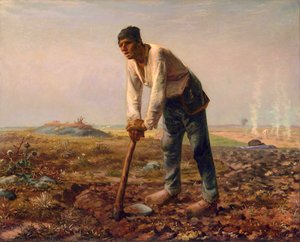
A Reflexão Silenciosa do Trabalho: "O Homem com a Enxada" de Jean-François Millet
Em 1862, o artista francês Jean-François Millet entregou ao mundo “O Homem com a Enxada”, uma obra que transcendeu a mera representação da paisagem rural para se tornar um poderoso manifesto sobre a condição humana. Mais do que um retrato de um camponês, a pintura é um grito silencioso, um testemunho da dureza do trabalho árduo e da dignidade inerente àqueles que sustentam a sociedade. A imagem, agora alojada no J. Paul Getty Museum em Los Angeles, continua a provocar reflexões profundas sobre justiça social, desigualdade e a relação entre o homem e a natureza.
A composição da obra é magistralmente equilibrada, utilizando a regra dos terços para guiar o olhar do espectador através da cena. A figura central, um camponês de rosto marcado pelo tempo e pela labuta, está posicionada ligeiramente fora do centro, conferindo dinamismo à imagem. As linhas diagonais do corpo do homem contrastam com as linhas horizontais da paisagem, criando uma tensão visual que reflete a luta constante entre o indivíduo e o ambiente hostil. A paleta de cores terrosáutica – marrons, verdes e beges – evoca a rusticidade do campo e a atmosfera melancólica da cena.
A Realidade Crua: Contexto Histórico e Estilo Realista
“O Homem com a Enxada” foi pintado em um período de grandes transformações sociais na França, durante o Segundo Império. A Revolução Industrial havia gerado novas desigualdades, concentrando riqueza nas mãos de poucos enquanto a maioria da população vivia em condições precárias. Millet, profundamente sensibilizado para as dificuldades dos camponeses, decidiu retratar essa realidade com honestidade e sem idealizações. O estilo realista do artista, caracterizado pela representação fiel da vida cotidiana e pela ausência de embelezamentos, foi um choque para a Academia de Belas Artes, que preferia temas mitológicos ou históricos.
A obra gerou uma reação imediata e controversa na exposição de 1863. Críticos como Paul Saint-Victor consideraram a pintura “repulsiva” e acusaram Millet de glorificar a miséria do trabalho. A imagem, com sua representação crua da pobreza e da força física do camponês, desafiou os valores burgueses da época e questionou as relações de poder na sociedade francesa.
A Linguagem Visual: Técnica e Simbolismo
A técnica de Millet é notável pela aplicação visível das pinceladas, que conferem textura e profundidade à pintura. As cores são aplicadas em camadas suaves, criando um efeito de fosca luminosidade. O artista utiliza o *impasto*, uma técnica que consiste em aplicar a tinta em camadas espessas, para destacar as formas e os volumes do corpo do camponês e da terra. A atenção aos detalhes é evidente na representação das roupas, dos instrumentos de trabalho e da paisagem.
O simbolismo da obra é rico e complexo. A enxada, símbolo do trabalho árduo, representa a luta pela sobrevivência. As espinhos e as ervas daninhas que o camponês está removendo da terra simbolizam os obstáculos que ele enfrenta na vida. O olhar fixo do homem no chão pode ser interpretado como um sinal de resignação ou de esperança. A luz fraca que ilumina a cena sugere a melancolia e a solidão do camponês.
Um Legado Duradouro: Impacto e Inspiração
“O Homem com a Enxada” é uma obra-prima da arte realista, que continua a inspirar artistas, intelectuais e ativistas sociais em todo o mundo. A pintura foi objeto de inúmeras análises e interpretações, sendo considerada um símbolo da luta por justiça social e igualdade. Edwin Markham, poeta americano do século XIX, escreveu o poema homônimo, que se tornou um hino à dignidade do trabalho e à necessidade de transformação social.
Hoje, a obra permanece como um poderoso lembrete das condições de vida dos camponeses franceses no século XIX e da importância de lutar por uma sociedade mais justa. A imagem evoca sentimentos de compaixão, empatia e respeito pela força do trabalho humano. Sua beleza reside na sua honestidade brutal, na sua capacidade de transmitir a essência da experiência humana com profundidade e emoção.
Biografia do Artista
A Life Rooted in the Soil: The World of Jean-François Millet
Jean-François Millet, a name inextricably linked to the dignity of rural life and the burgeoning Realist movement in 19th-century France, was not born into the rarefied atmosphere of artistic privilege. Instead, he emerged from the very earth that would become the subject and inspiration of his enduring legacy. On October 4, 1814, he arrived in Gruchy, a small Norman village nestled within a landscape dominated by agricultural tradition – a place where life revolved around the rhythms of the seasons and the labor of the land. This upbringing wasn’t merely a geographical backdrop; it *was* his foundation, shaping his artistic vision with an authenticity that resonated deeply with a society undergoing profound transformation. His parents, Jean-Louis-Nicolas and Aimée-Henriette-Adélaïde Henry Millet, were themselves farmers, instilling in young Jean-François not just a love for the land but also a deep understanding of its hardships and rewards. Early education wasn’t confined to formal schooling – facilitated by local priests who recognized his intellectual potential – but was equally shaped by the practical realities of farm life: sowing seeds, reaping harvests, threshing grain – tasks that would later become recurring motifs in his paintings, imbued with a visceral sense of purpose and toil. This intimate connection to the land wasn’t simply observational; it was experiential, a profound understanding forged through direct engagement with the physical world.From Academic Aspirations to Rural Revelation
Millet's artistic journey began within the confines of formal training, initially under the guidance of portrait painter Bon Du Mouchel in Cherbourg, followed by Théophile Langlois de Chèvreville, a student of Baron Gros. In 1837, he ventured to Paris and enrolled at the prestigious École des Beaux-Arts, immersing himself in the rigorous environment of the Académie des Beaux-Arts, studying under Paul Delaroche. However, the rigid expectations and conventions of the Salon system quickly proved stifling. Despite initial successes, Millet faced repeated rejections, grappling with a growing sense of disillusionment as he found himself at odds with the prevailing artistic norms. A pivotal moment arrived in the 1840s – marked by personal tragedy following the loss of his beloved wife, Pauline-Virginie Ono – and a burgeoning dissatisfaction with the romanticized depictions of peasant life that dominated the art world. He began to actively reject these idealized pastoral scenes, seeking instead to portray rural existence with an unflinching honesty and a commitment to representing the lives of ordinary people. This shift in direction was further solidified by his association with a group of like-minded artists – Constant Troyon, Narcisse Diaz, Charles Jacque, and Théodore Rousseau – who formed the core of the Barbizon school. These painters shared a common belief in *plein air* painting – working directly from nature – and a rejection of the artificiality and academic conventions that characterized much of Salon art. Millet’s decision to relocate to Barbizon in 1849 represented a decisive break with Parisian artistic circles and an embrace of his artistic destiny, inextricably linked to the landscapes and lives surrounding him.The Poetry of Labor: Themes and Techniques
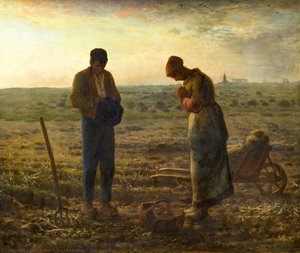
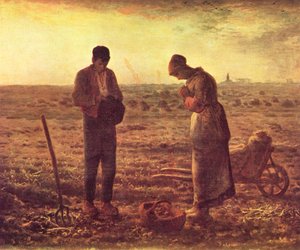
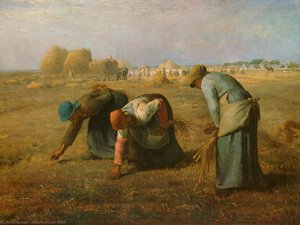
Millet's oeuvre is profoundly characterized by its deep empathy for the working class, particularly peasant farmers. He didn’t merely depict their labor; he elevated it to a level of dignity and spiritual significance previously unseen in art. His paintings are not sentimental idealizations but rather honest portrayals of hardship, resilience, and quiet devotion. The Gleaners (1857), perhaps one of his most iconic works, exemplifies this approach. The three women depicted gathering leftover grain after the harvest aren’t romanticized figures; they are laborers, bent double by toil, yet possessing a remarkable sense of dignity and inner strength. The Angelus (1850-1861), another masterpiece, captures a moment of profound spirituality – a peasant couple pausing for prayer at sunset – transforming an everyday act into something sacred and imbued with a sense of timelessness. The Sower (1850) stands as an enduring symbol of the cyclical nature of agricultural labor and humanity’s fundamental connection to the land, representing the beginning of the harvest season. Millet's technical approach was deeply influenced by the Dutch Masters, particularly their masterful use of light and shadow to create a sense of depth and atmosphere. He also drew inspiration from classical sculpture, evident in the monumental quality of his figures and their carefully rendered musculature. Millet employed a restrained palette, primarily utilizing earthy tones – ochres, browns, and grays – that reflected the colors of the countryside, and he built up layers of paint to create a rich, textured surface that conveyed the tactile qualities of the landscape and the garments worn by his subjects.A Lasting Legacy: Millet’s Influence and Historical Significance
Jean-François Millet died in Barbizon on January 20, 1875, leaving behind a body of work that profoundly impacted the course of modern art. He played a pivotal role in establishing Realism as a dominant force in painting, challenging the conventions of academic art and paving the way for future movements like Impressionism and Social Realism. His unwavering focus on everyday life and social issues resonated with artists who sought to depict the world around them with honesty and authenticity. His influence extended far beyond the realm of painting; his images became powerful symbols of rural virtue, working-class solidarity, and the dignity of labor, inspiring writers, poets, and political thinkers alike. Artists such as Correa Benito Rebolledo continued to explore themes of rural life and social justice, directly influenced by Millet’s pioneering example. Today, Millet's paintings continue to captivate audiences with their timeless beauty, emotional depth, and enduring message of human dignity – a testament to his profound understanding of the human condition and his ability to capture its essence on canvas.Major Works
- The Gleaners (1857): A poignant depiction of women gathering leftover grain.
- The Angelus (1850-1861): A symbol of rural piety and a moment of quiet devotion.
- The Sower (1850): An iconic image representing the cycle of agricultural labor.
- Man with a Hoe: A powerful representation of physical toil and human endurance.
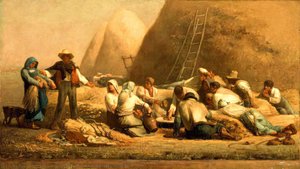
- Harvesters Resting: Capturing a moment of respite amidst arduous work.

Jean-François Millet
1814 - 1875 , França
Informações Rápidas
- Artistic Movement Or Style: Realismo, Barbizon
- Artists Or Movements Influenced By This Artist:
- Impressionismo
- Realismo Social
- Artists Who Influenced This Artist:
- Holandeses
- Delaroche
- Date Of Birth: 4 de Outubro de 1814
- Date Of Death: 20 de Janeiro de 1875
- Full Name: Jean-François Millet
- Nationality: Francês
- Notable Artworks:
- Os Recolhidores
- O Angelus
- O Semeador
- Place Of Birth: Gruchy, França
Artigos Relacionados
Realismo na Arte: 10 Obras-Primas que Mudaram a História | OriginalUniqueArt
Descubra as 10 obras-primas do Realismo que revolucionaram a arte! Explore Courbet, Millet e outros mestres. Reproduções de alta qualidade para decorar sua casa com história e emoção. Explore a coleção completa em OriginalUniqueArt.com
Rosa Bonheur: Realism, Rural Life & Redefining Women's Roles in 19th-Century Art
Explore the life & art of Rosa Bonheur, a pioneering Realist painter who redefined women's roles in 19th-century France. Discover her iconic animal paintings and lasting influence on art history. Learn more at OriginalUniqueArt.
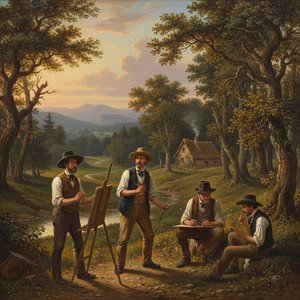
The Barbizon School: Pioneering Realism & the Pastoral Vision in 19th-Century French Painting
Explore the Barbizon School's pivotal role in 19th-century French painting. Discover how these artists revolutionized landscape art with their commitment to Realism and a profound connection to nature. Learn about key figures like Rousseau, Millet & Corot.

As 10 Pinturas Mais Famosas em Tons de Areia: Uma Elegância Atemporal para sua Casa
Descubra as 10 pinturas mais icônicas em tons de areia, de Monet a Van Gogh! Explore a história, técnica e beleza atemporal destas obras-primas. Encontre reproduções de alta qualidade para decorar sua casa com arte clássica em OriginalUniqueArt.com.

Echoes of Rural Life: Nostalgia, Labor & Identity in Art History
Explore the rich history of rural life in art! Discover how Realism captured labor & identity through masterpieces by Van Gogh, Millet & more. Expert analysis for collectors and enthusiasts.