Visualizar na parede
 Compartilhar
 Compartilhar
 Detalhes
 Guia
Guia

 Baixar imagem
 Semelhantes
 Raio X
 Ver diaporama
 Perguntas e Respostas
 Estatísticas
Farmhouse

- 130.0 x 212.0 cm


 Ler mais
Giclée / Impressão de Arte
Impressão giclée ou em tela de qualidade de museu, com produção rápida e opções flexíveis de acabamento. ( Comprar pintura feita à mão Alternar para Imagem Digital)




P118B €10

P118H €10

P118W €10

P438Z €10

P508JH €12

P508YH €12

P805H €10

P805Z €10

P919BZ €10

P919G €10

P919XJ €10

P959ZH €10

P968JZ €12

W106C €8

W218G €10

W218JH €8

W218Y €10

W307PJ €10

W316G €10

W316PJ €8

W316Y €10

W398PJ €8

W4111J €10

W500HY €15

W500JH €15

W692G €12

W849H €8

W940BG €15

W953PJ €8




Escolha entre os nossos tamanhos pré-definidos que respeitam as proporções originais da obra de arte.

Insira a largura e a altura desejadas para se ajustarem à sua moldura ou parede. Uma impressão pode ser apenas cortada, nunca ampliada além da imagem original; portanto, um tamanho com proporções diferentes resultará na perda de parte da imagem. Enviamos uma maquete digital para sua aprovação antes de realizarmos a impressão. A imagem exibida nesta página não mostra o corte real — apenas a maquete o faz.
Entrega mundial () em 2 semanas, em vez das 4/5 semanas padrão. (6 Novembro)

Envio expresso gratuito para todo o mundo

Tela de Linho de Alta Qualidade

Seguro de transporte completo

Garantia de Reembolso de Impostos Alfandegários

Garantia de Fidelidade Cromática

Política de Devolução em 100 Dias (Apenas para Defeitos)

Garantia de reembolso de 100%

Oferta de desconto por quantidade
 A opção de vidro está disponível apenas para tamanhos inferiores a 110 cm

Farmhouse
Giclée / Impressão de Arte
Tamanho da Reprodução
-


Preço Total
€ 72
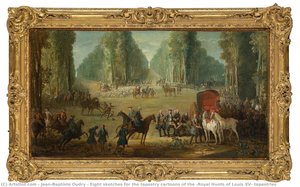
A Pastoral Dream in Rococo Hues
To gaze upon Jean-Baptiste Oudry's "Farmhouse" is to step directly into an idealized vision of 18th-century French rural life. This painting, executed in 1750, transcends a mere depiction of farmstead; it is a carefully orchestrated symphony of light, color, and pastoral tranquility. The Rococo style, with its inherent lightness and elegant exuberance, bathes the entire scene in a soft, almost dreamlike glow. One feels an immediate sense of calm wash over the viewer as the eye wanders from the rustic farmhouse, crowned with its thatched roof, across the fertile expanse of farmland stretching toward the horizon.
Mastery of Light and Detail
Oudry’s technical brilliance is immediately apparent in every meticulously rendered element. His handling of light is nothing short of masterful; it seems to emanate naturally from the scene itself, highlighting the textures of the wood, the softness of the sheep's wool, and the delicate folds of the clouds overhead. The composition is a study in balance, framed beautifully by lush trees that flank both sides, lending an almost theatrical depth to the foreground. Notice the scattered life—the contented cows grazing near the structure, the busy chickens pecking at the earth. These animals are not mere props; they imbue the scene with palpable vitality, suggesting the rhythm of daily existence.
Symbolism of Abundance and Harmony
Beyond its surface beauty, "Farmhouse" carries deep symbolic weight. It speaks to an era's idealized relationship with nature—a time when agricultural bounty was celebrated as a source of both sustenance and aesthetic pleasure. The combination of the thriving farmland, the sheltering farmhouse, and the gentle presence of human figures engaged in labor suggests themes of harmony, prosperity, and settled domestic bliss. Even the inclusion of farm implements hints at a life lived in respectful partnership with the land.
Bringing the Countryside Home
For the collector or designer seeking to infuse a space with timeless elegance, this piece offers unparalleled depth. The warm palette, dominated by rich earth tones punctuated by soft pastels, ensures that "Farmhouse" can anchor any room, whether it be a grand salon yearning for rustic charm or a sunlit breakfast nook desiring an air of cultivated serenity. Owning a reproduction allows one to possess not just a painting, but a tangible piece of 18th-century French artistry—a window into a bygone era of idyllic simplicity and exquisite craftsmanship.
Perguntas e Respostas
Qual origem nacional fundamenta o Rococo Style de "Farmhouse"?
"Farmhouse" foi criada por Jean-Baptiste Oudry, nascido em França, dentro do movimento Rococo Style. A origem do artista vincula a obra ao Rococo Style, tal como praticado por artistas de França.
Qual disposição melhor se adapta ao formato de "Farmhouse", de Jean-Baptiste Oudry?
Com o seu formato Panoramic, uma reprodução de "Farmhouse" é sugerida para um(a) Living Room.
Quão harmoniosas são as cores de "Farmhouse" entre si?
As cores de "Farmhouse", de Jean-Baptiste Oudry apresentam uma harmonia Balanced Harmony. A harmonia descreve como as cores se relacionam entre si.
Biografia do Artista
Jean-Baptiste Oudry: Uma Vida na Arte
Primeiros Anos e Formação
- Nascimento: 17 de março de 1686, em Paris, França.
- Oudry era fruto de uma linhagem artística; seu pai, Jacques Oudório, era pintor e marchand de arte. Sua mãe, Nicole Papillon, possuía laços com o célebre gravador Jean-Baptiste-Michel Papillon.
- Ele iniciou sua formação na Académie de Saint-Luc, estudando sob a tutela de Nicolas de Largillière entre 1707 e 1712. Este período fundamental moldou suas primeiras habilidades em retratística e observação minuciosa.
- Sua ascensão foi rápida, tornando-se professor assistente na Académie de Saint-Luc em 1714 e alcançando o título de professor titular já em 1717.
Desenvolvimento Artístico e Estilo
- Embora tenha focado inicialmente no retrato, Oudry expandiu gradualmente seu repertório para incluir naturezas-mortas, particularmente de frutas e animais, além de temas religiosos.
- Seu estilo evoluiu em direção ao Rococó, movimento caracterizado pela elegância, pelo naturalismo e por uma representação lúdica da vida aristocrática e do lazer.
- A atenção meticulosa de Oudry aos detalhes e sua capacidade de capturar as texturas e as características singulares dos animais tornaram-se as marcas registradas de sua obra.
- Ele demonstrou um domínio magistral tanto na pintura quanto no design, transitando com fluidez entre a criação em tela e a concepção de tapeçarias.
Grandes Conquistas e Obras Notáveis
- Os Diversões Pastoris (Les Amusements Champêtres): Uma série de tapeçarias projetadas para a Real Manufatura de Tapeçaria de Beauvais, exibindo cenas idílicas da vida rural e da caça.
- Luís XV Caçando um Cervo na Floresta de Saint-Germain (1730): Esta pintura consolidou a reputação de Oudry como o pintor oficial da caça real, exemplificando sua habilidade em retratar tanto a grandiosidade do evento quanto o ambiente natural.
- Caçadas Reais de Luís XV (Chasses Royales Gobelins): Uma série de designs para tapeçaria destinados à Manufatura de Gobelins, estabelecendo ainda mais o prestígio de Oudry como designer têxtil.
- Inúmeros retratos de caça morta encomendados pelo Rei Luís XV, que demonstram sua perícia em anatomia animal e composição de natureza-morta.
Influências e Legado
- Influenciado por: Nicolas de Largillière desempenhou um papel crucial no desenvolvimento artístico inicial de Oudry, fornecendo a base técnica e o treinamento em retratística.
- A obra de Oudry influenciou gerações subsequentes de pintores de animais e designers de tapeçaria; seu estilo naturalista e rigoroso estabeleceu um novo padrão para a representação da vida selvagem.
- Ele contribuiu significativamente para as artes decorativas da corte francesa, criando tapeçarias luxuosas que adornaram residências reais.
Significância Histórica
- O trabalho de Oudry oferece visões valiosas sobre a vida aristocrática do século XVIII e a importância da caça como um passatempo essencial para a nobreza francesa.
- Suas tapeçarias são consideradas obras-primas das artes decorativas francesas, exibindo a habilidade técnica e a criatividade artística de sua época.
- Sua nomeação para cargos prestigiados na Académie Royale de Peinture et de Sculpture demonstra o reconhecimento de sua posição como um dos principais artistas de seu tempo.
- Falecimento: 30 de abril de 1755, deixando um legado de pinturas e tapeçarias requintadas que continuam a ser admiradas até os dias de hoje.

Jean-Baptiste Oudry
1686 - 1755 , França
Dados Rápidos
- Artistic Movement Or Style: Rococo
- Artists Who Influenced This Artist: ['Nicolas de Largillière']
- Date Of Birth: 17 Mar 1686
- Full Name: Jean-Baptiste Oudry
- Nationality: Francês
- Notable Artworks:
- Les Amusements Champêtres
- Louis XV Hunting a Deer in the Forest of Saint-Germain
- Place Of Birth: Paris, França
Artigos Relacionados
Idyllic Visions: Exploring the Pastoral Tradition in Western Art – Themes, Techniques & Enduring Appeal
Explore the rich history of pastoral art from classical Arcadia to contemporary interpretations. Discover key artists, themes & collecting tips at OriginalUniqueArt.

Léon Augustin L'Hermitte: Capturing the Soul of French Rural Life
Discover the captivating realist paintings of Léon Augustin L'Hermitte, masterfully depicting French rural life. Explore his technique, influences & legacy – a cornerstone of 19th-century art.

Rococó: 10 Obras-Primas que Definiram um Movimento Artístico Elegante | OriginalUniqueArt.com
Descubra as 10 obras-primas do Rococó! Explore a elegância de Fragonard, Boucher e Watteau. A arte do século XVIII ganha vida com cores pastel e detalhes luxuosos. Encontre reproduções de alta qualidade em OriginalUniqueArt.com.
Animalia: A Presença Duradoura dos Animais na Arte e no Design de Interiores
Explore a rica história da representação animal na arte e como ela inspira o design de interiores. Descubra simbolismos, tendências e artistas que celebram a beleza do reino animal.

The Rococo Aesthetic: Opulence, Rebellion & the Pursuit of Pleasure in 18th-Century Art
Explore the opulent world of Rococo art! Discover its origins, key artists like Watteau & Boucher, and lasting influence on design. Expert insights for collectors & enthusiasts.