() ·

A painting made for you, by hand

Mrs Cay

Reprodução em Óleo Feita à Mão

Óleo sobre tela pintado à mão no tamanho e moldura de sua escolha, feito sob encomenda pelos nossos artistas. ( Alternar para Impressão Alternar para Imagem Digital)

Descrição do Item

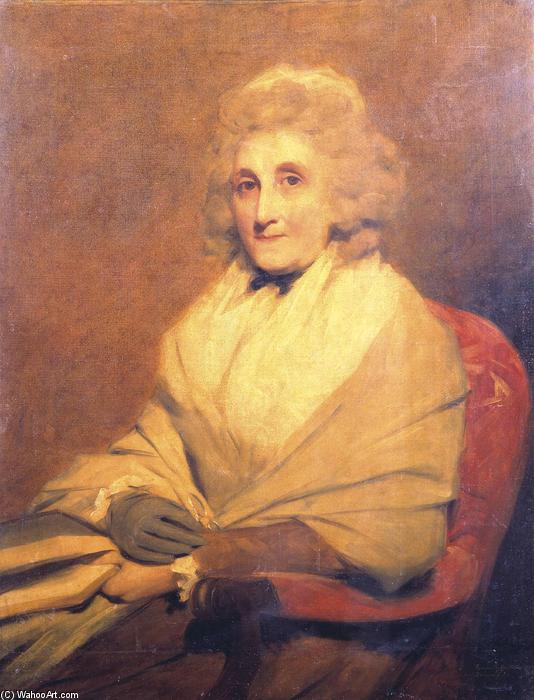
'Mrs Cay', by Sir Henry Raeburn, is a captivating oil painting on canvas depicting a woman with serene dignity. Executed in 1823, it exemplifies Raeburn's signature style—characterized by luminous light and nuanced observation of character—solidifying his place as Scotland’s foremost portraitist.

Biografia do Artista

Sir Henry Raeburn (1756-1823) foi um pintor escocês pioneiro, conhecido por retratos realistas que capturam a essência de figuras importantes. Explore sua obra e legado artístico!

from ·

Chapter 1

How large should it be?

Slide to change the size; the picture on the left shows the frame at its real width. The proportions of the original are kept.

Tamanho padrão
personalizado
CM
INCH

Escolha entre os nossos tamanhos pré-definidos que respeitam as proporções originais da obra de arte.

largura
altura

Insira a largura e a altura desejadas para se ajustarem à sua moldura ou parede. Como esta obra é pintada à mão, para um tamanho com proporções diferentes, o artista poderá pintar um pouco mais ao redor da imagem ou reduzir ligeiramente a composição — você escolhe. Enviamos uma maquete digital para sua aprovação antes de iniciar a pintura. A imagem exibida nesta página não representa o resultado real — apenas a maquete mostra o resultado final.

Chapter 2

How should it arrive?

Choose the edges of the stretched canvas

Choose your frame

Corner sample of the WhiteWrap canvas edge finish, stretched on madeira maciça bars
White €1
Corner sample of the BlurSideWrap canvas edge finish, stretched on madeira maciça bars
Blurside €1
Corner sample of the ExtendedWrap canvas edge finish, stretched on madeira maciça bars
Extended €1
Corner sample of the P118B picture frame: poliestireno moldado, 5 cm wide and 3 cm thick
P118B €10
Corner sample of the P118H picture frame: poliestireno moldado, 5 cm wide and 3 cm thick
P118H €10
Corner sample of the P118W picture frame: poliestireno moldado, 5 cm wide and 3 cm thick
P118W €10
Corner sample of the P438Z picture frame: poliestireno moldado, 5.5 cm wide and 3.5 cm thick
P438Z €10
Corner sample of the P508JH picture frame: poliestireno moldado, 7 cm wide and 3.5 cm thick
P508JH €12
Corner sample of the P508YH picture frame: poliestireno moldado, 7 cm wide and 3.5 cm thick
P508YH €12
Corner sample of the P805H picture frame: poliestireno moldado, 5 cm wide and 3.5 cm thick
P805H €10
Corner sample of the P805Z picture frame: poliestireno moldado, 5 cm wide and 3.5 cm thick
P805Z €10
Corner sample of the P919BZ picture frame: poliestireno moldado, 7 cm wide and 3.5 cm thick
P919BZ €10
Corner sample of the P919G picture frame: poliestireno moldado, 7 cm wide and 3.5 cm thick
P919G €10
Corner sample of the P919XJ picture frame: poliestireno moldado, 7 cm wide and 3.5 cm thick
P919XJ €10
Corner sample of the P959ZH picture frame: poliestireno moldado, 5 cm wide and 3 cm thick
P959ZH €10
Corner sample of the P968JZ picture frame: poliestireno moldado, 6 cm wide and 4 cm thick
P968JZ €12
Corner sample of the W106C picture frame: madeira maciça, 5 cm wide and 3 cm thick
W106C €8
Corner sample of the W218G picture frame: madeira maciça, 5 cm wide and 3 cm thick
W218G €10
Corner sample of the W218JH picture frame: madeira maciça, 5 cm wide and 3 cm thick
W218JH €8
Corner sample of the W218Y picture frame: madeira maciça, 5 cm wide and 3 cm thick
W218Y €10
Corner sample of the W307PJ picture frame: madeira maciça, 6 cm wide and 3 cm thick
W307PJ €10
Corner sample of the W316G picture frame: madeira maciça, 6 cm wide and 3 cm thick
W316G €10
Corner sample of the W316PJ picture frame: madeira maciça, 6 cm wide and 3 cm thick
W316PJ €8
Corner sample of the W316Y picture frame: madeira maciça, 6 cm wide and 3 cm thick
W316Y €10
Corner sample of the W398PJ picture frame: madeira maciça, 5 cm wide and 3 cm thick
W398PJ €8
Corner sample of the W4111J picture frame: madeira maciça, 6.5 cm wide and 3.5 cm thick
W4111J €10
Corner sample of the W500HY picture frame: madeira maciça, 7 cm wide and 5 cm thick
W500HY €15
Corner sample of the W500JH picture frame: madeira maciça, 7 cm wide and 5 cm thick
W500JH €15
Corner sample of the W692G picture frame: madeira maciça, 8 cm wide and 4 cm thick
W692G €12
Corner sample of the W849H picture frame: madeira maciça, 5 cm wide and 3 cm thick
W849H €8
Corner sample of the W940BG picture frame: madeira maciça, 7.5 cm wide and 4.5 cm thick
W940BG €15
Corner sample of the W953PJ picture frame: madeira maciça, 6 cm wide and 3.5 cm thick
W953PJ €8
Corner sample of the H24-GOLD picture frame: madeira entalhada com gesso, 10 cm wide and 6 cm thick
H24-GOLD €30
Corner sample of the H24-SILVER picture frame: madeira entalhada com gesso, 10 cm wide and 6 cm thick
H24-SILVER €30
Corner sample of the H36-GOLD picture frame: madeira entalhada com gesso, 15 cm wide and 6.5 cm thick
H36-GOLD €45
Corner sample of the H36-SILVER picture frame: madeira entalhada com gesso, 15 cm wide and 6.5 cm thick
H36-SILVER €45
Prévia da moldura
Com moldura

Moulding: . Overall size with the frame: .

Chapter 3

Who paints it, and should anything change?

Examples of what can be changed: Replace face with customer photo; Add pet (e.g., replace cat with dog); Include hidden message in background; Change background landscape or elements.
After order, OriginalUniqueArt.com team will email client for instructions and provide a mockup preview

Entrega mundial () em 3 a 4 semanas, em vez das 5 semanas padrão. (1 Novembro). Sem comprometer a qualidade.

Chapter 4

The finishing touches

A nameplate, as in a museum?

Detalhes da Placa de Bronze Gravada

This elegant plaque features the artist's name and the title of the artwork, finely engraved for a timeless presentation.

It is made from bronze with a refined, elegant finish. The text is precisely laser-engraved for a sharp and permanent result. Measuring 9x2 cm, the plaque is compact yet easy to read. It's built to be durable and scratch-resistant, offering a professional, museum-quality look. Mounting is simple thanks to the included adhesive backing.

Detalhes da Placa de Acrílico Transparente

The plaque includes essential engraved details such as the artist's name, the title of the artwork, the date it was created, the type of media used-like oil on canvas or watercolor-a brief description of the piece, and a QR code that links to the complete artwork information.

It is crafted from clear acrylic, offering a sleek, modern appearance. The text is UV-engraved in black to ensure strong visual contrast. With a size of 10x15 cm, it ensures optimal readability. It comes equipped with two metal hooks for secure wall mounting. The plaque is designed to be weather-resistant, making it suitable for various environments, and it includes interactive features that work seamlessly with smartphone scanning.

Detalhes da Placa de Acrílico Preto

This elegant plaque includes engraved information such as the artist's name, the title of the artwork, the date it was created, the type of media used (like oil on canvas or watercolor), a short description of the artwork, and a QR code for quick access to more information.

The plaque itself is made from refined black acrylic with a premium finish. The text is laser-engraved in white for high contrast and readability. Its size is 10x15 cm, designed to be easy to read. It comes with two metal hooks for professional mounting. The design is sleek and fits any interior style. It is also weather-resistant and durable, with built-in digital integration for mobile compatibility.

A protective varnish?

When do you need it?

Chapter 5

Your painting, as you ordered it

Mrs Cay

Técnica de Reprodução

Tamanho da Reprodução

-

Artista Sênior de Elite

Mais detalhes, refinamento e tempo de produção adicional

-

Moldura para Reprodução

-

-

Para obras de arte ou reproduções com mais de 105 cm (aproximadamente 41 polegadas) em qualquer um dos lados, a moldura será enviada como um kit desmontado. Este método garante uma entrega segura e evita danos durante o transporte.

Montagem profissional necessária — este não é um produto DIY (faça você mesmo).
O kit deve ser montado e a tela esticada por um profissional de molduraria experiente, utilizando cola de madeira (não inclusa), um alicate de esticar tela e grampos para manter as travessas alinhadas enquanto a cola seca. A montagem incorreta ou a tensão desigual da tela podem danificar permanentemente a obra de arte e não estão cobertas pela nossa garantia.

  • Todas as barras de madeira maciça estão incluídas, precisamente cortadas ao tamanho certo.

  • Montado com os parafusos fornecidos, além de cola para madeira para as junções dos cantos, que não está inclusa e deve ser providenciada pelo seu moldurista.

  • São necessárias ferramentas profissionais não incluídas: um alicate de estiramento de tela (esticador) e grampos para manter as ripas alinhadas enquanto a cola seca.

Importante:
As junções dos cantos requerem cola para madeira, as ripas devem ser mantidas com grampos até que a cola esteja completamente seca, e o estiramento da tela na moldura montada requer um alicate de esticar tela. Nenhum destes itens está incluído no kit. Por favor, certifique-se de contar com um profissional de molduraria experiente antes de encomendar este tamanho.

Etiqueta de identificação

-

-

Verniz de Proteção

Verniz brilhante (realça as cores e protege contra a luz e a umidade)

-

Personalizar minha obra

Exemplos de alterações possíveis: Substituir o rosto por uma foto do cliente; Adicionar um animal de estimação (ex.: substituir gato por cachorro); Incluir uma mensagem oculta no fundo; Alterar a paisagem ou os elementos do fundo.

-

Urgente

Entrega mundial () em 3 a 4 semanas, em vez das 5 semanas padrão. (1 Novembro). Sem comprometer a qualidade.

-

Envio Expresso

Entrega mundial para em 5 semanas. (8 Novembro).

Com envio incluído

Preço Total

€ 267

Preço Total € 267

A opção de vidro está disponível apenas para tamanhos inferiores a 110 cm

Included with every order

  • Envio expresso gratuito para todo o mundo
  • Tela de Linho de Alta Qualidade
  • Seguro de transporte completo
  • Garantia de Reembolso de Impostos Alfandegários
  • Garantia de Fidelidade Cromática
  • Política de Devolução em 100 Dias (Apenas para Defeitos)
  • Garantia de reembolso de 100%
  • Oferta de desconto por quantidade

Henry Raeburn: A Scottish Portraitist's Mastery of Light, Character & National Identity

Sir Henry Raeburn (1756–1823) stands as an unparalleled figure in the annals of British portraiture—a testament to artistic vision and unwavering dedication. Born amidst the intellectual fervor of the Scottish Enlightenment, his journey from humble beginnings to royal patronage exemplifies the transformative power of talent and perseverance. Orphaned at a young age, Raeburn’s formative years were shaped by the steadfast support of his brother William, who secured him an education at Heriot's Hospital in Edinburgh—a foundation that would prove instrumental in nurturing his burgeoning artistic inclinations. This early grounding instilled within him a meticulous attention to detail and a profound understanding of observation, qualities that would become hallmarks of his distinctive style. His apprenticeship under James Gilliland, the esteemed goldsmith, honed his technical skills and introduced him to the intricacies of crafting miniature portraits on ivory—a medium favored by discerning collectors and celebrated for its ability to capture subtle nuances of expression. However, Raeburn’s artistic ambitions extended far beyond mere replication; he sought to imbue his canvases with a palpable sense of life, striving to convey not just likeness but also the very essence of his subjects' personalities. This pursuit of psychological realism distinguishes him from many of his contemporaries and elevates his work to a level of enduring artistic merit. The influence of David Martin—Allan Ramsay’s former assistant—further solidified Raeburn’s stylistic trajectory, guiding him toward mastering oil painting techniques that prioritized tonal gradation and atmospheric perspective. He meticulously studied the works of Michelangelo, recognizing the importance of capturing monumental grandeur while simultaneously conveying emotional depth—a lesson that profoundly impacted his artistic sensibilities. Notably, he embraced a revolutionary approach to portraiture by utilizing a technique known as “drawing from life,” painstakingly sketching his subjects before applying paint—a method that ensured unparalleled accuracy and immediacy. Raeburn’s prolific output spanned decades, producing an impressive array of portraits depicting figures from across the spectrum of Scottish society—aristocrats, clergymen, scholars, and statesmen alike. His canvases are imbued with a remarkable sensitivity to light and shadow, skillfully manipulating tonal values to sculpt form and evoke mood. Moreover, Raeburn's compositions often incorporate symbolic elements that reflect his subjects’ virtues or aspirations—a characteristic feature of Neo-classical portraiture that underscores the artist’s intellectual engagement with philosophical ideas. Consider “Mrs Cay,” a captivating depiction of Lady Georgiana Stuart (née Sutherland), commissioned by her husband Robert Stewart, 3rd Earl of Uxbridge. Painted in 1823, shortly before Raeburn's death, this portrait exemplifies his mastery of tonal gradation and psychological observation. The muted palette—dominated by earthy browns and creams—creates a serene atmosphere that subtly conveys Lady Stuart’s dignified composure. Her gaze is direct yet contemplative, hinting at inner thoughts and emotions beyond the surface appearance. The inclusion of a shawl draped around her shoulders adds textural richness to the composition and reinforces the image's sense of intimacy. Raeburn’s meticulous attention to detail—evident in the rendering of Lady Stuart’s hair and clothing—demonstrates his unwavering commitment to artistic excellence. Ultimately, Henry Raeburn’s legacy resides not merely in his technical prowess but also in his profound understanding of human character and his ability to translate complex psychological states onto canvas. His portraits continue to resonate with viewers today, offering glimpses into the lives and sensibilities of a bygone era—a testament to the enduring power of art to illuminate the human condition.
  • Artist: Henry Raeburn (1756–1823)
  • Medium: Oil on Canvas
  • Style: Neo-Classical
  • Notable Technique: Drawing from Life, Atmospheric Perspective
  • Historical Context: Scottish Enlightenment

Symbolism & Emotional Impact

The subdued color palette of “Mrs Cay”—primarily browns and creams—serves to heighten the portrait’s contemplative mood. The careful positioning of Lady Stuart's gaze directs the viewer's attention inward, inviting reflection on her inner thoughts and emotions. Furthermore, the shawl symbolizes warmth and comfort, subtly conveying Lady Stuart’s grace and refinement. Raeburn’s masterful use of tonal gradation sculpts form and creates a sense of depth—enhancing the portrait’s visual impact and capturing the essence of its subject's personality.

Technical Considerations

Raeburn’s technique involved painstakingly sketching his subjects from life before applying paint—a method that ensured unparalleled accuracy and immediacy. He meticulously studied Michelangelo’s monumental sculptures, recognizing the importance of conveying grandeur while simultaneously capturing emotional depth. The artist's mastery of oil painting techniques—particularly tonal gradation and atmospheric perspective—contributed significantly to the portrait’s luminous quality and its ability to evoke mood.

Legacy & Influence

Henry Raeburn remains a pivotal figure in British art history, celebrated for his innovative approach to portraiture and his unwavering dedication to artistic excellence. His influence can be discerned in subsequent generations of painters who sought to emulate his stylistic vision—solidifying his place as one of Scotland’s most revered artists.

Perguntas e Respostas

Como é descrita a atmosfera de "Mrs Cay", de Henry Raeburn?

A atmosfera geral de "Mrs Cay", de Henry Raeburn é Elegant. O clima descreve a sensação predominante da obra.

Que tipo de obra de arte é "Mrs Cay", de Henry Raeburn?

"Mrs Cay" é uma obra de WallArt.

"Mrs Cay" possui uma prévia em realidade aumentada?

Visualize "Mrs Cay", de Henry Raeburn na sua própria parede através da página de Prévia em RA da obra, utilizando realidade aumentada em um dispositivo compatível.

More about this painting

Visualizar na parede Visualizar em RA Alternar para Impressão Alternar para Imagem Digital Compartilhar
Detalhes Guia Adicionar aos favoritos Baixar imagem Semelhantes Raio X Ver diaporama Q&A Estatísticas

In numbers

  • 29frames to choose from
  • standard sizes, in its own proportions
  • 5weeks to paint and deliver it
Henry Raeburn

Henry Raeburn

1756 - 1823, Escócia

Quick facts about Henry Raeburn

  • Artistic Movement Or Style: Retratismo, Realismo
  • Artists Or Movements Influenced By This Artist: ['Arte Escocesa']
  • Artists Who Influenced This Artist:
    • David Martin
    • Joshua Reynolds
  • Date Of Birth: 4 Mar 1756
  • Date Of Death: 8 Jul 1823
  • Full Name: Henry Raeburn
  • Nationality: Escocês
  • Notable Artworks:
    • O Jogador de Polo Jovem
    • Alexander Allan
    • Sir John Hay
  • Place Of Birth: Stockbridge, UK

Biografia do Artista

A Ascensão de um Mestre Escocês: A Vida e a Arte de Sir Henry Raeburn

Sir Henry Raeburn surgiu no final do século XVIII, um período de intensa transformação cultural na Escócia – o chamado Iluminismo. Sua trajetória é uma ode à paixão pela arte, ao autodidatismo e à capacidade de capturar a essência da alma humana através da pintura. Nascido em 1756, em Stockbridge, uma vila nos arredores de Edimburgo, Raeburn enfrentou as adversidades típicas da época: a perda precoce dos pais e a necessidade de se sustentar desde cedo. Essa experiência formativa moldaria sua visão artística, influenciando-o a valorizar a autenticidade e a individualidade em seus retratos. Inicialmente, Raeburn trilhou um caminho pouco convencional para o mundo da arte. Após abandonar os estudos formais na Heriot’s Hospital, Edimburgo, onde aprendera alguns princípios de desenho, ele se dedicou à aprendizagem do ofício de ourives e joalheiro, sob a tutela de James Gilliland. Essa experiência, aparentemente distante da pintura, proporcionou-lhe uma base sólida em detalhes minuciosos e precisão técnica – habilidades que seriam cruciais para o desenvolvimento de seu estilo característico. A atenção aos mínimos detalhes, a capacidade de reproduzir com fidelidade as texturas e os contornos, tornaram-se marcas registradas de sua obra. A transição para a pintura a óleo foi gradual, mas decisiva. Raeburn mergulhou nesse novo meio com uma dedicação incansável, absorvendo conhecimento através do estudo das obras de mestres como Joshua Reynolds, que conhecera durante uma breve viagem à Inglaterra. No entanto, ele não se limitou a imitar os modelos; Raeburn desenvolveu um estilo próprio, marcado por uma abordagem direta e espontânea. Abandonando as técnicas tradicionais de desenho preparatório, ele pintava diretamente sobre a tela, criando composições dinâmicas e expressivas. Essa liberdade criativa permitiu-lhe capturar a personalidade e o estado de espírito de seus modelos com uma intensidade incomum.

Da Miniatura à Grandiosidade: A Evolução Artística

A vida de Raeburn tomou um rumo inesperado em 1778, quando ele se casou com Anne Edgar, uma viúva rica que lhe proporcionou estabilidade financeira e acesso a um círculo social influente. Essa união permitiu-lhe dedicar-se integralmente à pintura, abandonando as preocupações comerciais e mergulhando de corpo e alma em seu trabalho artístico. A partir da década de 1780, Raeburn começou a produzir retratos de grande qualidade, que rapidamente lhe renderam reconhecimento na sociedade escocesa. Seus primeiros trabalhos revelavam uma técnica ainda em desenvolvimento, mas já prenunciavam o estilo vigoroso e expressivo que viria a consagrá-lo como um dos maiores pintores de retrato da época. Um marco fundamental em sua carreira foi a viagem a Roma, por volta de 1786. Lá, Raeburn teve a oportunidade de estudar as obras dos grandes mestres clássicos, absorvendo técnicas e inspirações que enriqueceriam seu repertório artístico. Embora tenha permanecido na cidade apenas por um curto período, essa experiência transformadora influenciou profundamente sua visão da arte, despertando-o para a importância da luz, da cor e da composição. Ao retornar à Escócia, Raeburn incorporou esses novos conhecimentos em sua obra, criando retratos mais sofisticados e expressivos.

Capturando a Alma Humana: A Técnica e o Estilo de Raeburn

A técnica de Raeburn é caracterizada por uma combinação única de precisão e espontaneidade. Ele era mestre na reprodução fiel das características físicas de seus modelos, mas também possuía um talento excepcional para capturar sua personalidade e seu estado de espírito. Para isso, ele utilizava uma paleta de cores vibrantes e contrastes dramáticos, criando efeitos de luz e sombra que conferiam profundidade e realismo às suas obras. Um dos aspectos mais marcantes do estilo de Raeburn é o uso da “técnica quadrada”, como ficou conhecida. Essa técnica consistia em pintar com pinceladas rápidas e vigorosas, criando uma sensação de movimento e dinamismo. Ao contrário dos artistas que utilizavam pinceladas suaves e delicadas, Raeburn preferia pinceladas ousadas e expressivas, que transmitiam a energia e a vitalidade de seus modelos. Além disso, Raeburn era conhecido por sua habilidade em criar retratos psicológicos, que revelavam a complexidade da alma humana. Ele não se contentava em simplesmente reproduzir a aparência física de seus modelos; ele buscava capturar suas emoções, seus pensamentos e suas aspirações. Seus retratos são, portanto, testemunhos valiosos da sociedade escocesa do século XVIII, oferecendo um retrato multifacetado de uma época de grandes transformações culturais e sociais.

Reconhecimento e Legado: Um Ícone Escocês

Ao longo de sua carreira, Raeburn conquistou o reconhecimento de seus pares e a admiração do público. Em 1815, foi eleito membro da Royal Academy de Londres, um feito notável para um artista que havia surgido nos arredores de Edimburgo. Sua nomeação representava um reconhecimento oficial de sua importância no cenário artístico britânico. Raeburn faleceu em Edimburgo em 1823, deixando um legado duradouro na história da arte escocesa. Seus retratos são considerados obras-primas do gênero, admirados por sua beleza estética, sua expressividade psicológica e sua precisão técnica. As pinturas de Raeburn estão expostas em importantes museus e galerias ao redor do mundo, incluindo a Scottish National Gallery em Edimburgo e o Frick Collection em Nova York. Sua obra continua a inspirar artistas e estudiosos, perpetuando seu nome como um dos maiores pintores de retrato da história.

Informações Rápidas

  • Title: Mrs Cay
  • Subject or theme: Portraiture
  • Artistic style: Realism
  • Medium: Oil on canvas
  • Year: 1823
  • Location: Tate Britain