Visualizar na parede
 Compartilhar
 Compartilhar
 Detalhes
 Guia
Guia

 Baixar imagem
 Semelhantes
 Raio X
 Ver diaporama
 Q&A
Q&A Estatísticas
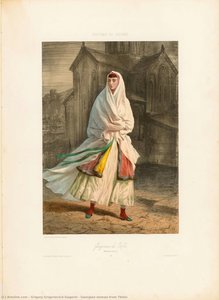
Kurd dari Ararat
 Acrílico sobre tela
- Arte de Parede
- Romantic Painting
 1855
1855 59.0 x 42.0 cm
 Palácio da Arte da Geórgia - Museu de História Cultural
 Ler mais
Giclée / Impressão de Arte
Impressão giclée ou em tela de qualidade de museu, com produção rápida e opções flexíveis de acabamento. ( Comprar pintura feita à mão Alternar para Imagem Digital)




P118B €10

P118H €10

P118W €10

P438Z €10

P508JH €12

P508YH €12

P805H €10

P805Z €10

P919BZ €10

P919G €10

P919XJ €10

P959ZH €10

P968JZ €12

W106C €8

W218G €10

W218JH €8

W218Y €10

W307PJ €10

W316G €10

W316PJ €8

W316Y €10

W398PJ €8

W4111J €10

W500HY €15

W500JH €15

W692G €12

W849H €8

W940BG €15

W953PJ €8




Escolha entre os nossos tamanhos pré-definidos que respeitam as proporções originais da obra de arte.

Insira a largura e a altura desejadas para se ajustarem à sua moldura ou parede. Uma impressão pode ser apenas cortada, nunca ampliada além da imagem original; portanto, um tamanho com proporções diferentes resultará na perda de parte da imagem. Enviamos uma maquete digital para sua aprovação antes de realizarmos a impressão. A imagem exibida nesta página não mostra o corte real — apenas a maquete o faz.
Entrega mundial () em 2 semanas, em vez das 4/5 semanas padrão. (29 Outubro)

Envio expresso gratuito para todo o mundo

Tela de Linho de Alta Qualidade

Seguro de transporte completo

Garantia de Reembolso de Impostos Alfandegários

Garantia de Fidelidade Cromática

Política de Devolução em 100 Dias (Apenas para Defeitos)

Garantia de reembolso de 100%

Oferta de desconto por quantidade
 A opção de vidro está disponível apenas para tamanhos inferiores a 110 cm

Kurd dari Ararat
Giclée / Impressão de Arte
Tamanho da Reprodução
-


Preço Total
€ 71
Uma Jornada ao Caucaso Pintada por Grigory Gagarin
Grigory Grigorievich Gagarin (1810-1893) foi um pintor russo, Major General e diplomata cuja obra permanece como uma janela fascinante para o século XIX russo e suas influências culturais. Mais do que apenas um retrato de um homem em roupas tradicionais, “Kurd from Ararat” é um testemunho da visão artística de um período marcado por reformas sociais e políticas significativas.
- Artista: Grigory Grigorievich Gagarin
- Nascimento: 1810 – Saint Petersburg
- Morte: 1893 – Moscou
Apesar de não ter recebido uma educação artística formal, Gagarin encontrou inspiração na companhia de figuras literárias renomadas como Alexander Pushkin e Mikhail Lermontov. Sua colaboração com Pushkin foi particularmente frutífera, ilustrando obras emblemáticas como “A Rainha de Espadas” e “O Conto do Tsar Saltan”, obras que capturam o espírito da época e exploram temas universais como destino e heroísmo.
- Estilo: O estilo artístico de Gagarin é caracterizado por uma atenção meticulosa aos detalhes e uma busca pela beleza estética, refletindo influências do neoclassicismo e do romantismo.
- Técnica: Sua maestria na pintura à guache permite obter efeitos luminosos e expressivos que transmitem emoções profundas ao espectador.
A obra “Kurd from Ararat” foi criada em 1855, durante o período em que Gagarin desempenhou um papel importante na revitalização cultural do Caucaso Georgiano. Sua participação na construção de um teatro inovador e na decoração da Catedral Sioni de Tbilisi demonstra seu compromisso com a transformação urbana e artística da região.
- Contexto Histórico: O trabalho reflete o clima intelectual e artístico do século XIX russo, marcado pela ascensão da burguesia e pelo interesse crescente pela cultura oriental.
- Simbolismo: A figura do kurd – um guerreiro tradicional caucasiano – pode simbolizar força, resistência e conexão com as raízes culturais da região.
“Kurd from Ararat” permanece como uma obra de arte poderosa que convida à contemplação e à reflexão sobre a beleza da natureza humana e o legado artístico de um período histórico excepcional. Sua presença no Art Palace of Georgia – Museu da História Cultural (Tbilisi, Georgie) garante que sua mensagem continue inspirando gerações futuras.
Perguntas e Respostas
"Kurd dari Ararat", de Grigório Grigórievich Gagarin, está em domínio público? E por quê?
"Kurd dari Ararat", de Grigório Grigórievich Gagarin está em em domínio público — seus direitos autorais expiraram. O período de direitos autorais conta a partir do falecimento do artista, ocorrido em 1893.
A que fase da carreira de Grigório Grigórievich Gagarin corresponde a data de 1855 de "Kurd dari Ararat"?
Dada a sua data de 1855, "Kurd dari Ararat" insere-se no período Mature Period de Grigório Grigórievich Gagarin.
Que atmosfera "Kurd dari Ararat" traria para um ambiente?
Com sua atmosfera Elegante, "Kurd dari Ararat" é sugerida para um(a) Lobbies de Hotéis.
Biografia do Artista
Early Life and Education
Grigory Grigorievich Gagarin (1810 – 1893), a Russian painter, major general, and administrator, was born in Saint Petersburg to the noble Rurikid princely Gagarin family. His father, Prince Grigory Ivanovich Gagarin, served as a diplomat in France and later became the ambassador to Italy—a lineage steeped in aristocratic tradition and international engagement that would profoundly shape Gagarin’s own life trajectory. Despite lacking formal artistic training, Gagarin pursued his passion for painting through private lessons with Karl Briullov, arguably Russia's most celebrated painter of the Romantic era. This mentorship proved pivotal, instilling in him a deep understanding of artistic principles and fostering an unwavering dedication to capturing beauty on canvas.Artistic Career and Notable Works
Gagarin’s artistic career blossomed amidst the vibrant intellectual milieu of his time, characterized by fervent discussions about art, literature, and philosophy. He quickly established himself as a collaborator with literary luminaries such as Alexander Pushkin and Mikhail Lermontov—artists whose works resonated deeply within Gagarin's soul. Notably, he undertook the monumental task of illustrating Pushkin’s masterpieces, including “The Queen of Spades” and “The Tale of Tsar Saltan,” demonstrating his meticulous attention to detail and his ability to convey narrative emotion through visual imagery. His oeuvre encompasses a remarkable range of subjects—from portraits of Caucasian peoples to landscapes imbued with Romantic idealism—reflecting his adventurous spirit and his fascination with documenting the diverse cultures of Russia’s periphery. Among his most iconic paintings are “Caucasian Prince,” “Circassian Woman,” “A Priest from Armenia,” “Kurds from Ararat,” and “Georgian Man”—each piece a testament to Gagarin's artistic skill and his profound engagement with the visual arts.Military Service and Administrative Roles
Beyond his artistic pursuits, Gagarin distinguished himself as a military officer and administrator—a dual vocation that underscored his commitment to service and responsibility. He served as a diplomat in Paris, Rome, and Constantinople, navigating the complexities of European politics with grace and intelligence. His return to Russia in 1839 marked a significant turning point, propelling him into positions of influence within the Imperial bureaucracy. He played an instrumental role in revitalizing the Russian Academy of Arts, fostering artistic innovation and promoting scholarly excellence—a legacy that continues to inspire artists and scholars alike.Influences and Artistic Style
Gagarin’s artistic style evolved throughout his career, reflecting both the stylistic conventions of Romanticism and the influence of Karl Briullov's teachings. Initially captivated by Briullov’s dramatic compositions and masterful use of chiaroscuro—the interplay of light and shadow—Gagarin adopted a technique that prioritized expressive intensity and emotional resonance. However, he also embraced elements of Russian Byzantine art, incorporating iconography and symbolism into his paintings to convey spiritual depth and artistic sophistication. This synthesis of influences resulted in a distinctive visual language characterized by meticulous detail, vibrant color palettes, and an unwavering commitment to capturing the essence of human experience—a style that cemented Gagarin’s place among Russia's foremost artists of the 19th century.Legacy and Historical Significance
Grigory Gagarin remains a celebrated figure in Russian art history—a testament to the enduring power of artistic talent combined with intellectual curiosity and civic engagement. His paintings continue to captivate audiences worldwide, offering invaluable insights into the cultural landscape of his era and demonstrating the transformative potential of artistic vision. Furthermore, his contributions to the Academy of Arts and his unwavering dedication to serving Russia solidified his reputation as a statesmanly artist—a rare distinction that underscores the profound impact he exerted on Russian culture and intellectual life. His work stands as an enduring symbol of Romantic idealism and artistic excellence—a legacy that continues to inspire artists and scholars generations later.
Grigório Grigórievich Gagarin
1810 - 1893 , Rússia
Dados Rápidos
- Artistic Movement Or Style: Romanticismo
- Artists Who Influenced This Artist: ['Karl Briullov']
- Date Of Birth: 29 Abril 1810
- Date Of Death: 30 Janeiro 1893
- Full Name: Grigory Grigorievich Gagarin
- Nationality: Russo
- Notable Artworks:
- Príncipe Caucaso
- Mulher Circassiana
- Um sacerdote da Armênia
- Curdo de Aragão
- Homem Georgiano
- Place Of Birth: São Petersburgo, Rússia
Artigos Relacionados

Século XIX na Arte: 10 Obras que Definem uma Era | OriginalUniqueArt
Mergulhe no século XIX com 10 obras de arte icônicas! Explore Monet, Renoir e Van Gogh. Descubra a história, técnica e emoção por trás dos mestres do Impressionismo e Realismo. Encontre reproduções de alta qualidade em OriginalUniqueArt.com.
Iconic Art of the 18th & 19th Centuries: Masterpieces for Your Home | OriginalUniqueArt
Journey through 18th & 19th century art! Explore iconic masterpieces by Monet, Van Gogh & more. Discover the stories behind these timeless paintings and find museum-quality reproductions for your home at OriginalUniqueArt.com.

Echoes of Change: Exploring Themes & Techniques in 19th-Century Art
Explore the captivating world of 19th-century art! Discover Romanticism & Realism's key artists, masterpieces, and social commentary. Expert insights for collectors & enthusiasts.
Niko Pirosmani: A Georgian Visionary – Life, Legacy, and the Poetics of Outsider Art
Discover the captivating life & art of Niko Pirosmani, Georgia’s celebrated primitivist painter. Explore his unique oilcloth paintings, lasting influence, and enduring legacy with OriginalUniqueArt.

Reflections of an Era: Identity & Social Commentary in 19th-Century Portraiture
Explore the captivating world of 19th-century portraiture! Discover key artists, movements like Realism & Impressionism, and the powerful social commentary embedded within these iconic artworks. Expert insights at OriginalUniqueArt.