Visualizar na parede
 Compartilhar
 Compartilhar
 Detalhes
 Guia
Guia

 Baixar imagem
 Semelhantes
 Raio X
 Ver diaporama
 Perguntas e Respostas
 Estatísticas
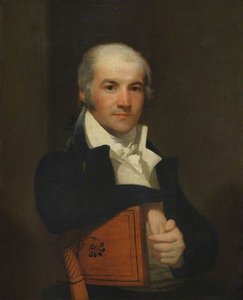
Thomas Robinson (1738–1786), 2nd Baron Grantham

- 76.0 x 64.0 cm


 Ler mais
Giclée / Impressão de Arte
Impressão giclée ou em tela de qualidade de museu, com produção rápida e opções flexíveis de acabamento. ( Comprar pintura feita à mão Alternar para Imagem Digital)




P118B €10

P118H €10

P118W €10

P438Z €10

P508JH €12

P508YH €12

P805H €10

P805Z €10

P919BZ €10

P919G €10

P919XJ €10

P959ZH €10

P968JZ €12

W106C €8

W218G €10

W218JH €8

W218Y €10

W307PJ €10

W316G €10

W316PJ €8

W316Y €10

W398PJ €8

W4111J €10

W500HY €15

W500JH €15

W692G €12

W849H €8

W940BG €15

W953PJ €8




Escolha entre os nossos tamanhos pré-definidos que respeitam as proporções originais da obra de arte.

Insira a largura e a altura desejadas para se ajustarem à sua moldura ou parede. Uma impressão pode ser apenas cortada, nunca ampliada além da imagem original; portanto, um tamanho com proporções diferentes resultará na perda de parte da imagem. Enviamos uma maquete digital para sua aprovação antes de realizarmos a impressão. A imagem exibida nesta página não mostra o corte real — apenas a maquete o faz.
Entrega mundial () em 2 semanas, em vez das 4/5 semanas padrão. (6 Novembro)

Envio expresso gratuito para todo o mundo

Tela de Linho de Alta Qualidade

Seguro de transporte completo

Garantia de Reembolso de Impostos Alfandegários

Garantia de Fidelidade Cromática

Política de Devolução em 100 Dias (Apenas para Defeitos)

Garantia de reembolso de 100%

Oferta de desconto por quantidade
 A opção de vidro está disponível apenas para tamanhos inferiores a 110 cm

Thomas Robinson (1738–1786), 2nd Baron Grantham
Giclée / Impressão de Arte
Tamanho da Reprodução
-


Preço Total
€ 72
A Glimpse into Georgian Grandeur: The Portrait of Thomas Robinson
To stand before this portrait of Thomas Robinson, the 2nd Baron Grantham, is to step directly into the refined drawing rooms of late eighteenth-century England. Painted in 1785 by the masterful hand of Gilbert Stuart, the work transcends a mere likeness; it is a carefully constructed monument to status, intellect, and enduring masculine dignity. The subject gazes out with an unwavering directness that seems to challenge the viewer, inviting an immediate, intimate connection across the span of two centuries. Every element—from the crisp fall of his white hair and meticulously arranged wig to the tailored lines of his suit—speaks volumes about the sitter's elevated position within the social strata of the time.
The Artistry of Gilbert Stuart: Technique and Presence
Gilbert Stuart, celebrated for capturing the essence of his sitters, employed a technique that balances formal portraiture with startling psychological depth. The composition is dominated by the figure against a deep, velvety dark background. This dramatic use of chiaroscuro serves not only to isolate Robinson but also to heighten the luminosity of his face and the texture of his garments. Observe the brushwork: it is both remarkably detailed in rendering the fine strands of hair and the subtle sheen on the fabric, yet simultaneously loose enough to suggest life and movement rather than rigid formality. Stuart’s genius lies in making the portrait feel immediate, as if the man has paused momentarily for this very sitting.
Historical Context and Symbolism of Attire
The year 1785 places this work squarely within a period of immense cultural flux—the cusp between Georgian opulence and the burgeoning Enlightenment ideals. The subject’s attire, with its structured suit and formal neckwear, is emblematic of the landed gentry who navigated the shifting tides of political and social change. The wig itself, while adhering to contemporary fashion, functions as a powerful symbol of inherited rank and adherence to established societal codes. The direct gaze, therefore, becomes more than personal; it is a performance of belonging, a visual assertion of lineage and authority that collectors today find endlessly compelling.
An Enduring Emotional Resonance for the Modern Collector
For the contemporary admirer, this reproduction offers far more than just decorative appeal. It provides an anchor to history, allowing one to contemplate the weight of portraiture—the desire to be remembered, to be seen, and to be understood by posterity. The emotional impact is one of stately contemplation; it suggests narratives untold behind that steady gaze. Whether adorning a formal study or lending gravitas to a sophisticated salon, this piece captures an aura of timeless refinement. It is a wearable piece of history, inviting quiet reflection upon the passage of time and the enduring power of human character.
Perguntas e Respostas
Como "Thomas Robinson (1738–1786), 2nd Baron Grantham" se posiciona entre os temas recorrentes de Gilbert Stuart?
Os temas recorrentes de Gilbert Stuart incluem stuart’s neoclassical style, aristocratic dignity, british nobility, formal portraiture, royal patronage legacy; "Thomas Robinson (1738–1786), 2nd Baron Grantham" foca em portraiture, british art, baron grantham, scottish heritage, royal academy, 18th century painting, formal dignity, aristocracy.
A que fase da carreira de Gilbert Stuart corresponde a data de 1785 de "Thomas Robinson (1738–1786), 2nd Baron Grantham"?
"Thomas Robinson (1738–1786), 2nd Baron Grantham", criado em 1785, pertence ao Mature Period da carreira de Gilbert Stuart.
Qual artista e qual estilo estão por trás de "Thomas Robinson (1738–1786), 2nd Baron Grantham"?
Por trás de "Thomas Robinson (1738–1786), 2nd Baron Grantham" estão Gilbert Stuart e o movimento Neoclassicism.
Biografia do Artista
Gilbert Stuart: Uma Vida na Retratística
- Nascimento: 3 de dezembro de 1755, Saunderstown, Rhode Island
- Falecimento: 9 de julho de 1828, Boston, Massachusetts
- Nacionalidade: Americano
- Movimento: Neoclassicismo
- Conhecido por: Retratística, particularmente retratos de figuras proeminentes da história inicial da América.
Primeira Infância e Formação
- Gilbert Stuart nasceu em uma família com raíções escocesas; seu pai, também chamado Gilbert, era um inventor que estabeleceu o primeiro moinho de tabaco em Rhode Island.
- Seu talento artístico emergiu ainda muito jovem, demonstrando habilidade desde a infância.
- Aos 14 anos, ele pintou "Os Spaniels do Dr. Hunter", revelando uma promessa precoce.
- Ele viajou para a Escócia por volta de 1771 para estudar com Cosmo Alexander, mas retornou após a morte de Alexander em 1775.
- Um treinamento mais profundo ocorreu em Londres com Benjamin West, um proeminente pintor americano que residia na Inglaterra, de 1775 a 1780. Este período foi crucial para o desenvolvimento de seu estilo artístico e para ganhar reconhecimento dentro da Royal Academy.
Carreira Artística e Grandes Obras
- A carreira de Stuart enfrentou desafios durante a Revolução Americana, o que o levou a se mudar para a Inglaterra em 1775.
- Ele alcançou o sucesso inicial com "O Patinador" (1782), um retrato que estabeleceu sua reputação.
- Sua obra mais famosa é o retrato inacabado de George Washington, conhecido como o Retrato Athenaeum (iniciado em 1796). Esta imagem tornou-se icônica, aparecendo na moeda dos EUA e em selos postais. Stuart produziu inúmeras cópias deste retrato para patronos em toda a América e Europa.
- Ele pintou retratos de várias outras figuras proeminentes, incluindo John Adams, Thomas Jefferson, James Madison e muitos membros da elite Federalista.
- O estilo de Stuart era caracterizado por uma abordagem Neoclássica, enfatizando o realismo e capturando a semelhança e o caráter de seus modelos. Ele frequentemente empregava um uso dramático de luz e sombra para aumentar o impacto dos retratos.
Influências e Desenvolvimento
- Cosmo Alexander proporcionou o treinamento inicial em técnica e composição.
- A influência de Benjamin West foi significativa, moldando a compreensão de Stuart sobre a retratística e os princípios artísticos.
- O movimento Neoclássico, com sua ênfase em formas e ideais clássicos, influenciou fortemente seu estilo.
- As próprias observações e interações de Stuart com seus modelos contribuíram para a profundidade psicológica e o realismo em seus retratos. Ele buscava capturar não apenas uma semelhança física, mas também o caráter e a personalidade daqueles que pintava.
Significância Histórica e Legado
- Gilbert Stuart é considerado um dos mais importantes retratistas da América, desempenhando um papel vital na documentação dos primeiros anos dos Estados Unidos.
- O Retrato Athenaeum de George Washington tornou-se um símbolo duradouro da identidade e liderança americana.
- Seus retratos oferecem valiosas percepções históricas sobre a vida e a aparência de figuras proeminentes do final do século XVIII e início do século XIX.
- A obra de Stuart está representada em grandes museus nos Estados Unidos e na Europa, garantindo que seu legado continue sendo apreciado por gerações.
- Ele estabeleceu um estilo americano distinto de retratística, que fundiu técnicas europeias com sensibilidades unicamente americanas.

Gilbert Stuart
1755 - 1828 , Reino Unido
Dados Rápidos
- Artistic Movement Or Style: Neoclassicismo
- Artists Who Influenced This Artist:
- Cosmo Alexander
- Benjamin West
- Date Of Birth: 3 de dezembro de 1755
- Date Of Death: 9 de julho de 1828
- Full Name: Gilbert Charles Stuart
- Nationality: Americano
- Notable Artworks:
- O Ateneu e o Retrato inacabado
- George Washington
- Place Of Birth: Saunderstown, Rhode Island
Artigos Relacionados
Thomas Hudson: A Study in 18th-Century Portraiture & British Artistic Identity
Explore the life & work of Thomas Hudson, a leading 18th-century British portraitist. Discover his mastery of the 'Grand Manner,' influential style, and lasting impact on British art. Learn about his notable portraits like Judge William Noel & Alexander Van Aken.

Thomas Stuart Smith: A Study in British Impressionism & the Poetic Landscape
Explore the captivating world of Thomas Stuart Smith (1815-1869), a Scottish painter bridging Romantic realism and British Impressionism. Discover his genre scenes, philanthropic legacy & stunning interiors.

John Gilbert: A Comprehensive Exploration of Technique, Context, and Enduring Legacy in Victorian Genre Painting
Explore the life & art of John Gilbert, a prolific Victorian painter renowned for his captivating genre scenes and Venetian-inspired style. Discover his legacy with OriginalUniqueArt.
Thomas Luny (1759–1837): Maritime Mastery & the Evolution of British Marine Painting
Explore the captivating world of Thomas Luny (1759–1837), a celebrated British marine artist. Discover his dramatic naval scenes, detailed ship portraits & lasting legacy. Learn about his life, influences & artworks.

25 Obras-Primas do Museu Britânico: Arte, História e Decoração Inspiradora
Descubra as 25 obras mais emblemáticas do Museu Britânico! Explore a história, artistas e técnicas por trás de tesouros como a Pedra de Roseta e os Mármores de Elgin. Encontre reproduções de arte exclusivas para decorar sua casa com elegância em OriginalUniqueArt.com.