Alternar para Impressão
 Ler mais







































 Para obras de arte ou reproduções com mais de 105 cm (aproximadamente 41 polegadas) em qualquer um dos lados, a moldura será enviada como um kit desmontado. Este método garante uma entrega segura e evita danos durante o transporte.


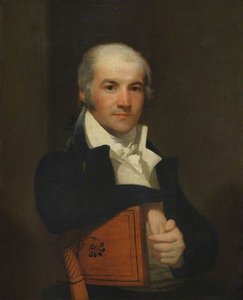
A Glimpse into Georgian Grandeur: The Portrait of Thomas Robinson
To stand before this portrait of Thomas Robinson, the 2nd Baron Grantham, is to step directly into the refined drawing rooms of late eighteenth-century England. Painted in 1785 by the masterful hand of Gilbert Stuart, the work transcends a mere likeness; it is a carefully constructed monument to status, intellect, and enduring masculine dignity. The subject gazes out with an unwavering directness that seems to challenge the viewer, inviting an immediate, intimate connection across the span of two centuries. Every element—from the crisp fall of his white hair and meticulously arranged wig to the tailored lines of his suit—speaks volumes about the sitter's elevated position within the social strata of the time.
The Artistry of Gilbert Stuart: Technique and Presence
Gilbert Stuart, celebrated for capturing the essence of his sitters, employed a technique that balances formal portraiture with startling psychological depth. The composition is dominated by the figure against a deep, velvety dark background. This dramatic use of chiaroscuro serves not only to isolate Robinson but also to heighten the luminosity of his face and the texture of his garments. Observe the brushwork: it is both remarkably detailed in rendering the fine strands of hair and the subtle sheen on the fabric, yet simultaneously loose enough to suggest life and movement rather than rigid formality. Stuart’s genius lies in making the portrait feel immediate, as if the man has paused momentarily for this very sitting.
Historical Context and Symbolism of Attire
The year 1785 places this work squarely within a period of immense cultural flux—the cusp between Georgian opulence and the burgeoning Enlightenment ideals. The subject’s attire, with its structured suit and formal neckwear, is emblematic of the landed gentry who navigated the shifting tides of political and social change. The wig itself, while adhering to contemporary fashion, functions as a powerful symbol of inherited rank and adherence to established societal codes. The direct gaze, therefore, becomes more than personal; it is a performance of belonging, a visual assertion of lineage and authority that collectors today find endlessly compelling.
An Enduring Emotional Resonance for the Modern Collector
For the contemporary admirer, this reproduction offers far more than just decorative appeal. It provides an anchor to history, allowing one to contemplate the weight of portraiture—the desire to be remembered, to be seen, and to be understood by posterity. The emotional impact is one of stately contemplation; it suggests narratives untold behind that steady gaze. Whether adorning a formal study or lending gravitas to a sophisticated salon, this piece captures an aura of timeless refinement. It is a wearable piece of history, inviting quiet reflection upon the passage of time and the enduring power of human character.
Perguntas e Respostas
Como "Thomas Robinson (1738–1786), 2nd Baron Grantham" se posiciona entre os temas recorrentes de Gilbert Stuart?
Os temas recorrentes de Gilbert Stuart incluem stuart’s neoclassical style, aristocratic dignity, british nobility, formal portraiture, royal patronage legacy; "Thomas Robinson (1738–1786), 2nd Baron Grantham" foca em portraiture, british art, baron grantham, scottish heritage, royal academy, 18th century painting, formal dignity, aristocracy.
A que fase da carreira de Gilbert Stuart corresponde a data de 1785 de "Thomas Robinson (1738–1786), 2nd Baron Grantham"?
"Thomas Robinson (1738–1786), 2nd Baron Grantham", criado em 1785, pertence ao Mature Period da carreira de Gilbert Stuart.
Qual artista e qual estilo estão por trás de "Thomas Robinson (1738–1786), 2nd Baron Grantham"?
Por trás de "Thomas Robinson (1738–1786), 2nd Baron Grantham" estão Gilbert Stuart e o movimento Neoclassicism.
 Visualizar na parede
 Compartilhar
 Compartilhar
 Detalhes
 Guia
Guia

 Baixar imagem
 Semelhantes
 Raio X
 Ver diaporama
 Perguntas e Respostas
 Estatísticas