
 Visualizar na parede
 Compartilhar
 Compartilhar
 Detalhes
 Guia
Guia

 Baixar imagem
 Semelhantes
 Raio X
 Ver diaporama
 Perguntas e Respostas
 Estatísticas
A Monkey

- 70.0 x 56.0 cm


 Ler mais
Obtenha um arquivo pronto para impressão que vai muito além da visualização na web. Cada imagem digital que vendemos provém de um arquivo mestre de alta resolução em nosso banco de dados — geralmente entre 5.000 e 15.000 pixels de largura — para que você possa imprimir em grandes formatos, realizar cortes precisos ou reproduzir detalhes minuciosos com total confiança.
Nenhum arquivo sai do nosso estúdio sem passar por um cuidadoso processo de revisão. Um especialista digital verifica as cores em relação à pintura original e as corrige se necessário, aumentando então a clareza e o detalhe com ferramentas profissionais de retoque — sempre mantendo a fidelidade às pinceladas e ao estilo do artista. O resultado é uma imagem que se assemelha à pintura, e não a um scan com filtros.
Aprovação antes da finalização: nosso especialista enviará a imagem por e-mail em até 72 horas para sua revisão. Não ficou satisfeito? Solicite melhorias ou correções, ou peça o reembolso caso a qualidade não atenda às suas expectativas.
Esta é a qualidade em que confiam editoras, estúdios de design, galerias e gráficas.
Imagem Digital
Baixe um arquivo de alta resolução para exibição pessoal, impressão e projetos criativos. ( Alternar para Impressão Comprar pintura feita à mão)
Incluído em cada compra de imagem digital
Entrega Digital Especializada e Garantida
Ao escolher o OriginalUniqueArt.com, você não está apenas adquirindo uma imagem — você está recebendo uma obra de arte digital profissionalmente aprimorada, elaborada com precisão e com garantia de satisfação. Aqui está tudo o que acompanha seu pedido, automaticamente:

Entrega rápida por e-mail
O seu arquivo de imagem digital em alta resolução será enviado por e-mail em até 72 horas após o pedido — pronto para uso imediato.

Arquivo Digital com IA Otimizado
Sua obra de arte é otimizada profissionalmente por meio de ferramentas avançadas de IA e edição manual, garantindo o máximo de detalhes, clareza e precisão de cores.

Reenvio gratuito vitalício
Apagou ou perdeu o seu ficheiro acidentalmente? Não se preocupe – nós reenviamos para si a qualquer momento, gratuitamente.

Sem Taxas de Importação - Sempre
Desfrute da sua obra de arte instantaneamente, sem taxas alfandegárias, impostos ou custos de entrega — downloads digitais são sempre isentos de taxas.

Garantia de Fidelidade de Cores
Garantimos que sua imagem digital reflita as cores originais com a maior fidelidade possível, utilizando ferramentas profissionais e gerenciamento de cores.

Garantia de satisfação de 100 dias
Se não estiver satisfeito com a sua imagem digital, nós a revisaremos ou reembolsaremos 100% dentro de 100 dias — sem perguntas.

Garantia de Reembolso 100%
Não está satisfeito? Receba o reembolso total em até 100 dias após o recebimento do seu arquivo digital — sem perguntas.

Descontos para pedidos em lote
Compre 3 imagens, economize 10% - Compre 5, economize 15% - Compre 10+, economize 20%. Ideal para projetos criativos, galerias e agências.
The Enigmatic Subject: A Monkey’s Contemplative Gaze
George Stubbs' "A Monkey," painted in 1799, isn’t merely a depiction of an animal; it’s a carefully constructed tableau brimming with layered meaning. The subject itself – a monkey seated upon what appears to be a weathered rock or piece of wood – possesses an almost unnerving stillness. Its head is turned slightly away from the viewer, lending it a contemplative air, as if lost in its own thoughts. The pose, combined with the subtle tension in its muscles and the alert expression around its eyes, suggests a creature both intelligent and wary. This isn’t a playful romp through a jungle; there's an underlying sense of observation, perhaps even judgment, radiating from this primate. The artist masterfully captures a fleeting moment of awareness, inviting us to contemplate the animal’s inner world.
- Composition: The monkey is centrally positioned within a dark, shadowed environment, creating a dramatic contrast between light and shadow. This technique draws attention to the subject while simultaneously hinting at an unseen, potentially ominous, backdrop.
- Color Palette: Stubbs employs a muted palette dominated by earthy tones – browns, ochres, and grays – that evoke the feeling of a dense forest or jungle. These subdued colors contribute to the painting’s overall sense of mystery and depth.
Anatomical Mastery and the Roots of Romanticism
Stubbs was renowned for his unparalleled anatomical accuracy, particularly in his depictions of animals. “A Monkey” exemplifies this skill, showcasing a meticulous attention to detail in rendering the monkey’s fur, musculature, and skeletal structure. This dedication stemmed from his early training as an assistant to a surgeon, Charles Atkinson at York County Hospital, where he dissected horses to understand their anatomy. This scientific rigor is evident in the painting's realistic portrayal of the animal’s form—a hallmark of the burgeoning Romantic movement. The emphasis on observation and detailed representation, rather than idealized beauty, was revolutionary for its time.
The painting reflects a shift away from Neoclassical ideals that prioritized order and restraint towards a celebration of nature's power and complexity – a core tenet of Romanticism.Symbolic Layers: Fruit, Observation, and the Garden of Eden
Beyond its anatomical brilliance, “A Monkey” is rich in symbolic potential. The monkey’s grasp of two apples—one held delicately in its hand, the other resting nearby—immediately evokes the biblical story of Adam and Eve. This imagery suggests themes of temptation, knowledge, and perhaps even a critique of humanity's relationship with nature. The shadowed background further reinforces this sense of mystery and foreboding. The artist’s choice to depict the monkey in a contemplative pose, rather than engaging in playful activity, adds another layer of complexity—suggesting an awareness of its own situation and the potential consequences of its actions.
Furthermore, some scholars suggest that the painting may be a commentary on the role of artists and their relationship to nature, mirroring the themes explored in Jean Siméon Chardin’s “The Monkey Painter,” which depicts a monkey holding a paintbrush.A Legacy of Precision and Romantic Vision
“A Monkey” stands as a testament to George Stubbs' extraordinary talent and his pivotal role in shaping the course of British art. Its meticulous detail, evocative atmosphere, and symbolic depth continue to captivate viewers today. Reproductions of this iconic painting offer an opportunity to experience firsthand the artistry and intellectual curiosity that defined one of England’s greatest painters. It is a piece that invites repeated viewing, revealing new nuances with each encounter—a true masterpiece of anatomical precision and Romantic vision.
Perguntas e Respostas
Qual é a atmosfera de "A Monkey"?
"A Monkey" possui uma atmosfera Calm.
De que técnica é feita a obra "A Monkey"?
A técnica de "A Monkey", de George Stubbs é Acrylic On Canvas. As reproduções visam reproduzir a aparência desta técnica.
Qual é a cor predominante de "A Monkey", de George Stubbs?
A cor dominante de "A Monkey", de George Stubbs é Espresso (#332f34).
Biografia do Artista
Vida Inicial, Família e Formação
Liverpool, Reino Unido, 1724. George Stubbs chega ao mundo como filho de John Stubbs, um curtidor de couro, e Mary. Sua infância transcorre entre os limites do negócio familiar, lidando com peles e ferramentas. Essa exposição precoce às propriedades físicas das peles animais oferece uma base tátil para uma curiosidade em constante desenvolvimento. Aos 15 anos, a inclinação para a representação visual torna-se impossível de ignorar. Ele inicia sua trajetória artística não por meio de academias formais, mas através de um impulso implacável e autodidata para compreender a mecânica da vida.
O caminho é tortuoso. Um breve aprendizado com Hamlet Winstanley, um pintor e gravador de Lancashire, oferece um vislumbre do ofício profissional, mas permanece como um capítulo curto. Stubbs busca algo mais rigoroso do que a mera imitação. Ele se desloca para York, onde o foco se desloca da aparência superficial para a estrutura interna. Sob a orientação do cirurgião Charles Atkinson, no Hospital do Condado de York, ele inicia um estudo profundo da anatomia. Este período de dissecação transforma sua abordagem, convertendo o artista em um estudioso dos sistemas esquelético e muscular.
Ele permanece, em grande parte, autodidata, construindo sua proficiência técnica ao observar o trabalho de contemporâneos do século XVIII. Ele absorve os métodos de grandes artistas como Joshua Reynolds e Thomas Gainsborough, mas seu foco permanece ancorado no científico. Ele não deseja apenas pintar um sujeito; ele quer compreender a tensão do tendão e o posicionamento do osso sob a pele. Esta intersecção entre o cirúrgico e o estético define o seu desenvolvimento inicial.
Patronos, Ateliê e Encomendas
O sucesso de George Stubbs abre as portas da aristocracia inglesa. Em 1759, o 3º Duque de Richmond encomenda três grandes telas, um movimento que consolida definitivamente o seu prestígio profissional. A sua habilidade extraordinária em retratar a realidade física dos animais atrai rapidamente o olhar de importantes patronos aristocráticos. Assim, o artista transita da periferia do mundo das artes para os círculos mais íntimos da elite, produzindo obras para diversos duques e lordes. Este fluxo constante de encomendas de alto status proporciona a estabilidade financeira necessária para estabelecer uma presença permanente na capital, levando-o a adquirir uma casa em Marylebone, em Londres, onde permaneceria pelo resto de sua vida.
A demanda por sua expertise técnica estende-se aos níveis mais elevados da sociedade, culminando no reconhecimento através do patrocínio real. A sua reputação é construída sobre a capacidade de satisfazer os desejos específicos de proprietários que veem nos seus cavalos verdadeiros símbolos de status. Estes patronos não procuram meros semblantes; eles exigem a precisão anatômica que apenas George Stubbs consegue entregar. O seu ateliê transforma-se, então, num centro de produção significativa, atendendo aos gostos de uma classe obcecada pela excelência equestre e pelo refinamento da criação de animais de linhagem nobre.
Técnica e Estilo
George Stubbs opera na intersecção entre a investigação científica e as belas-artes. Sua abordagem fundamenta-se em um realismo pioneiro, profundamente enraizado na realidade física da forma animal. Ao combinar a exatidão anatômica com detalhes expressivos, ele transcende o mero semblante para capturar a própria mecânica da vida. Através de gradações sutis de sombra, o artista consegue infundir vida em cada músculo e tendão, retratando a estrutura subjacente de seus temas com uma clareza que é o reflexo direto de seus profundos estudos de anatomia.
Essa obsessão pela mecânica do movimento manifesta-se, com frequência, em cenas de alta tensão. O artista torna-se obcecado pelo tema do cavalo selvagem ameaçado por um leão, um assunto que explora através de diversas variações. Estas representações de um leão atacando um cavalo constituem exemplos precoces e significativos do movimento Romântico. Nestas obras, o foco desloca-se do retrato estático para a energia visceral da sobrevivência, utilizando a tensão da musculatura para impulsionar toda a composição.
- Cavalo Atacado por um Leão
- Leão Devorando um Cavalo
- Leão Atacando um Cavalo
- Cavalo Assustado por um Leão
Obras-Primas e Legado
O ano de 1766 marca uma mudança definitiva na intersecção entre a arte e a ciência. George Stubbs publica A Anatomia do Cavalo, um tratado revolucionário que transcende a mera observação. O livro contém 18 ilustrações detalhadas, fruto de anos dedicados à dissecação de carcaças para compreender a mecânica da vida. Este trabalho estabelece-o como uma autoridade na estrutura equina, fornecendo uma linguagem visual para a musculatura e os tendões que definem um animal vivo.
No mesmo ano, o foco desloca-se do interno para o visceral. Um Leão Atacando um Cervo captura um momento de sobrevivência bruta e espontânea. A tensão é palpável na representação do predador e da presa. Este tema de conflito — o cavalo selvagem ameaçado por um leão — torna-se uma obsessão recorrente, surgindo em várias iterações ao longo de sua carreira. É um estudo de poder e movimento que preenche a lacuna entre a documentação científica e o florescente movimento Romântico.
O apogeu de sua retratística equestre chega com Whistlejacket. Encomendada pelo 2º Marquês de Rockingham, a pintura retrata um cavalo saltitante contra um fundo neutro, rompendo com as convenções da época. A presença do sujeito é imediata. Por volta de 1780, ele produz o Árabe do Marquês de Rockingham, consolidando ainda mais seu status nos círculos da alta sociedade da era. Sua habilidade de capturar a essência de um animal específico permanece como sua contribuição mais duradoura ao gênero.
- Whistlejacket
- A Anatomia do Cavalo (1766)
- Um Leão Atacando um Cervo (1766)
- O Árabe do Marquês de Rockingham (c. 1780)
Onde Ver as Obras Hoje
O legado da precisão anatômica de George Stubbs sobrevive nos salões de grandes instituições internacionais. Em Londres, a National Gallery abriga Whistlejacket, um retrato de grandes proporções de um cavalo de corrida puro-sangue. A Tate Gallery também mantém diversas de suas pinturas em sua coleção. Estas obras oferecem um olhar direto sobre a precisão que definiu sua carreira.
Do outro lado do Atlântico, o Yale Center for British Art, em New Haven, detém um número significativo de suas obras. Esta coleção proporciona uma visão concentrada de sua produção artística. No Reino Unido, a Walker Art Gallery, em Liverpool, preserva suas pinturas, devolvendo sua imaginação à região de seu nascimento. A influência de George Stubbs estende-se para além da tela, alcançando o domínio científico; seu livro, The Anatomy of the Horse, permanece como uma obra de referência fundamental para o estudo da anatomia equina.
- Whistlejacket - National Gallery, Londres
- Lion Devouring a Horse - Tate Gallery, Londres
- Molly Long-legs with her Jockey - Walker Art Gallery, Liverpool
- The Milbanke and Melbourne Families - National Gallery, Londres
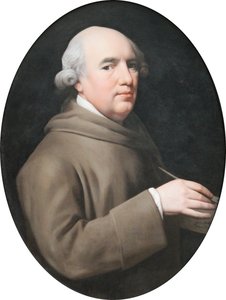
George Stubbs
1724 - 1806 , Reino Unido
Breve Biografia
- Artistic Movement Or Style: Movimento Romântico
- Artists Or Movements Influenced By This Artist: ['Movimento Romântico']
- Artists Who Influenced This Artist:
- Joshua Reynolds
- Thomas Gainsborough
- Date Of Birth: 1724
- Date Of Death: 1806
- Full Name: George Stubbs
- Nationality: Inglês
- Notable Artworks:
- Whistlejacket
- A Anatomia do Cavalo
- Um Leão Atacando um Cavalo
- Place Of Birth: Liverpool, Reino Unido