Visualizar em escala
 Enviar
 Compartilhar
 Ver detalhes
 Guia de Obras do Aluno

 Baixar imagem
 Semelhantes
 Raio X
 Apresentação de slides
 Estatísticas
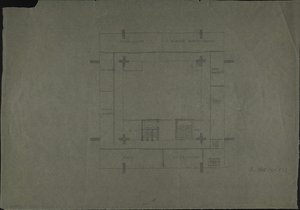
DEVELOPMENT SCHEMES. Existing buildings / development as currently intended / development as it should be intended
 Acrylic On Canvas
- WallArt
- Architectural Drafting
 47.0 x 36.0 cm
 Fundação Bauhaus Dessau
 Ver mais
A obra de arte exibida nesta página é protegida por leis de direitos autorais, o que significa que não podemos criar ou vender legalmente uma reprodução idêntica. Esta proteção é aplicada por meio de acordos internacionais, tais como a Convenção de Berna e pelas leis nacionais, incluindo as estabelecidas por Lei de Direitos Autorais dos EUA - Título 17.
Como uma alternativa respeitosa e legal, oferecemos obras de arte personalizadas e pintadas à mão, inspiradas na obra original. Nossos artistas profissionais e experientes estudam cuidadosamente o estilo, a atmosfera e a essência artística da obra original para criar uma peça nova e única que evoque a mesma sensação — permanecendo como uma criação original por direito próprio.
Este método cumpre plenamente as regulamentações de direitos autorais, pois não envolve a cópia ou duplicação da obra protegida. Em vez disso, trata-se de uma reinterpretação criativa — uma nova pintura que é influenciada pela original, mas não idêntica a ela.
Reprodução em Óleo Feita à Mão
Óleo sobre tela pintado à mão no tamanho e moldura de sua escolha, feito sob encomenda pelos nossos artistas. ( Alternar para Impressão Ver Imagem Digital)




P118B €10

P118H €10

P118W €10

P438Z €10

P508JH €12

P508YH €12

P805H €10

P805Z €10

P919BZ €10

P919G €10

P919XJ €10

P959ZH €10

P968JZ €12

W106C €8

W218G €10

W218JH €8

W218Y €10

W307PJ €10

W316G €10

W316PJ €8

W316Y €10

W398PJ €8

W4111J €10

W500HY €15

W500JH €15

W692G €12

W849H €8

W940BG €15

W953PJ €8




Escolha entre os nossos tamanhos pré-definidos que respeitam as proporções originais da obra de arte.

Digite a largura e a altura de que necessita, para se ajustar à sua moldura ou à sua parede. Esta obra é pintada à mão, por isso, para um tamanho com uma proporção diferente, o artista pode pintar um pouco mais ao redor da imagem ou cortar um pouco — você escolhe. Enviamos-lhe uma maquete digital para aprovação antes de a pintura começar. A imagem exibida nesta página não mostra o resultado real — apenas a maquete mostra.
Após o pedido, a equipa OriginalUniqueArt.com enviará um e-mail ao cliente para solicitar instruções e fornecer uma prévia do esboço.
Entrega mundial () em 3 a 4 semanas, em vez das 5 semanas padrão. (22 Outubro). Sem comprometer a qualidade.

Envio expresso gratuito para todo o mundo

Tela de Linho Premium

Seguro de transporte total

Garantia de Reembolso de Impostos Alfandegários

Garantia de Fidelidade de Cor

Política de Devolução em 100 Dias (Apenas para Defeitos)

Garantia de reembolso de 100%

Desconto para múltiplas unidades
 A opção de vidro está disponível apenas para tamanhos inferiores a 110 cm

DEVELOPMENT SCHEMES. Existing buildings / development as currently intended / development as it should be intended
Técnica de Reprodução
Dimensões da Reprodução
-


Preço Total
€ 262
Franz Ehrlich’s Development Schemes: A Blueprint for Vision
This meticulously crafted architectural drawing by Franz Ehrlich, dated unknown but originating from the mid-20th century, transcends mere technical documentation; it embodies a profound reflection of modernist ideals and the ambition to reshape urban landscapes. Executed in black ink on paper—a testament to traditional drafting techniques—the artwork presents a striking visual narrative that speaks volumes about its creator’s artistic sensibilities and intellectual engagement with the burgeoning field of architectural planning.- Subject Matter: The drawing focuses squarely on urban development, depicting detailed plans for constructing new buildings alongside existing structures. It's not simply about construction; it’s about reimagining spaces and integrating them harmoniously into the broader cityscape.
- Style & Technique: Ehrlich adheres to a distinctly architectural drafting style—characterized by orthogonal projection and prioritizing dimensional accuracy over artistic embellishment. The use of hatching patterns subtly conveys depth and shading, lending an illusion of realism to the schematic representation. Precise lines delineate building outlines and structural elements, reflecting the meticulous attention to detail demanded by professional architects.
- Historical Context: Produced during a period marked by significant architectural experimentation—particularly influenced by the Bauhaus movement—the drawing embodies the modernist ethos of functionality, simplicity, and rational design. The Bauhaus’s emphasis on uniting art and craft aimed to liberate architecture from ornamentation and elevate it to a higher level of aesthetic expression.
- Composition & Visual Elements: The image is dominated by three horizontal rows of building designs arranged in a grid format—a deliberate choice that underscores the systematic planning inherent in urban development schemes. A rectangular border frames the artwork, reinforcing its formal character and conveying a sense of seriousness.
- Symbolism & Emotional Impact: Beyond its technical precision, the drawing evokes a powerful feeling of order, control, and optimism—reflecting the belief that architecture could contribute to creating more efficient and aesthetically pleasing environments. It’s a visual manifesto for shaping cities according to enlightened principles.
Detailed Examination of Drawing Techniques
Ehrlich's masterful use of hatching is particularly noteworthy. Rather than relying on shading gradients, he employs dense lines to simulate tonal variations within the building facades—a technique that maximizes clarity and minimizes visual distortion. The density of hatching corresponds directly to the perceived level of illumination, creating a convincing illusion of depth without resorting to perspective conventions. This deliberate stylistic choice underscores Ehrlich’s commitment to conveying spatial information accurately while maintaining an understated aesthetic sensibility.Exploring Connections to Bauhaus Ideals
The drawing's stylistic lineage can be traced directly back to the Bauhaus school in Dessau, where Ehrlich honed his artistic skills during a formative period of experimentation and innovation. Like other Bauhaus architects, Ehrlich championed the concept of “Gesamtkunstwerk”—a holistic approach to design that integrates various art forms into a unified aesthetic experience—rejecting the decorative excesses of Victorian architecture. This commitment to functionality and simplicity aligns perfectly with the drawing’s core message: architecture should serve humanity's needs while elevating its visual beauty.A Legacy of Precision and Vision
Franz Ehrlich’s “Development Schemes” remains a compelling exemplar of modernist architectural drafting—a testament to his artistic talent and intellectual curiosity. Its enduring appeal lies not only in its technical accuracy but also in its ability to communicate a powerful vision for shaping urban spaces—a vision rooted in the belief that architecture could contribute meaningfully to improving human life and fostering a more harmonious relationship between art and society.Perguntas e Respostas
Qual é o sentimento geral de "DEVELOPMENT SCHEMES. Existing buildings / development as currently intended / development as it should be intended" de Franz Ehrlich?
"DEVELOPMENT SCHEMES. Existing buildings / development as currently intended / development as it should be intended" possui uma atmosfera Serene.
Qual é o tom emocional de "DEVELOPMENT SCHEMES. Existing buildings / development as currently intended / development as it should be intended" de Franz Ehrlich?
"DEVELOPMENT SCHEMES. Existing buildings / development as currently intended / development as it should be intended" de Franz Ehrlich transmite um tom emocional Reflective.
Onde se recomenda exibir o formato Portrait de "DEVELOPMENT SCHEMES. Existing buildings / development as currently intended / development as it should be intended"?
Com o seu formato Portrait, uma reprodução de "DEVELOPMENT SCHEMES. Existing buildings / development as currently intended / development as it should be intended" é sugerida para um(a) Living Room.
Biografia do Artista
vida inicial e educação
Franz Ehrlich, um renomado arquiteto alemão, calígrafo e designer gráfico, nasceu em 1907. Seus anos formativos foram marcados por uma inclinação inata pelas artes, o que o levou a se matricular na Bauhaus em Dessau de 1927 a 1930. Esta prestigiada instituição desempenhou um papel fundamental na moldagem da perspectiva artística de Ehrlich, apresentando-lhe aos movimentos de vanguarda da época.carreira artística e filiação comunista
A filiação de Ehrlich ao Partido Comunista teve um impacto profundo em sua vida e carreira. Em 1935, ele foi preso e encarcerado pelo regime nazista, um evento que alterou significativamente a trajetória de seus propósitos artísticos. Apesar desses desafios, Ehrlich continuou a contribuir para o mundo da arte, deixando um legado tanto inspirador quanto instigante à reflexão.obras notáveis
Algumas das obras mais notáveis de Ehrlich incluem:- 800 yrs. das buch [o livro]. planta baixa e vistas (prateleiras de exposição, feira comercial de Leipzig), um testemunho de sua abordagem inovadora para o design e a arquitetura.
- execução da casa do prof. dr. baumann (planta de fundação), exibindo sua perícia em planejamento arquitetônico.
- 1933 (projeto de publicidade foto-escultural), uma fusão única de fotografia e escultura, destacando sua natureza experimental.
museus e coleções com obras de ehrlich
O OriginalUniqueArt.com apresenta uma vasta coleção de obras de Ehrlich, incluindo aquelas mencionadas acima. A fundação Bauhaus Dessau (Dessau-Roßlau, Alemanha) é também um repositório significativo de seus esforços artísticos.legado e impacto
As contribuições de Franz Ehrlich para o mundo da arte são multifacetadas, refletindo sua ampla gama de interesses e talentos. Suas experiências, tanto criativas quanto pessoais, oferecem valiosos insights sobre a intersecção entre arte e política durante um momento crucial na história alemã.- veja mais obras de ehrlich em https://OriginalUniqueArt.com/@/franz-ehrlich
- explore a fundação Bauhaus Dessau e sua coleção em fundação Bauhaus Dessau (Dessau-Roßlau, Alemanha)
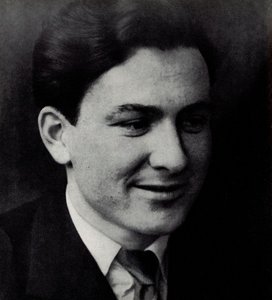
Franz Ehrlich
1907 - 1984 , Alemanha
Informações Rápidas
- Artistic Movement Or Style: Bauhaus, Expressionismo
- Artists Or Movements Influenced By This Artist:
- Bauhaus
- Jovem Liga Comunista
- Artists Who Influenced This Artist:
- Walter Gropius
- Moholy-Nagy
- Klee
- Joost Schmidt
- Date Of Birth: 1907
- Date Of Death: 1984
- Full Name: Franz Ehrlich
- Nationality: Alemão
- Notable Artworks:
- PAREDE ESTRUTURAL DE 800 ANOS 3
- Sem Título (HKB I ou II)
- Pintura com Violino
- Place Of Birth: Reuth, Alemanha
Artigos Relacionados

Edmund Dulac: A Master of Golden Age Illustration – Exploring Myth, Symbolism & Art Nouveau Legacy
Explore the captivating world of Edmund Dulac, a master of Golden Age illustration! Discover his enchanting fairy tales, Art Nouveau style, and lasting influence on art & design. Learn about *The Rubaiyat* and more.

The Refined Aesthetic of Victorian Illustration: A Study in Narrative & Technique
Explore the captivating world of Victorian illustration! Discover Pre-Raphaelite influences, key artists like Rossetti & Stephens, and the era's rich narrative detail. A deep dive for art enthusiasts.

Angelo Chiacchio: A Mid-Century American Illustration Master & the Rise of Commercial Art
Explore the captivating world of Angelo Chiacchio, a master of mid-century American illustration. Discover his evolution, signature style, and lasting impact on commercial art & design. Learn about his legacy at the Museum of American Illustration.
Franz Ehrlich: Bridging Expressionism, Bauhaus & the Shadows of History
Explore the life of Franz Ehrlich, a pivotal Bauhaus architect whose career spanned Expressionism, resistance during Nazi Germany, and GDR reconstruction. Discover his complex legacy & view museum-quality reproductions at OriginalUniqueArt.

Kay Rasmus Nielsen: A Golden Age Illustrator's Enchanting Legacy of Symbolism & Narrative
Explore the captivating world of Kay Rasmus Nielsen, a celebrated Golden Age illustrator renowned for his Art Nouveau fairy tale art & Disney contributions. Discover his unique style, enduring legacy, and how to collect his enchanting works.