
 Visualizar na parede
 Compartilhar
 Compartilhar
 Detalhes
 Guia
Guia

 Baixar imagem
 Semelhantes
 Raio X
 Ver diaporama
 Q&A
Q&A Estatísticas
Work

- 137.0 x 197.0 cm


 Ler mais
Giclée / Impressão de Arte
Impressão giclée ou em tela de qualidade de museu, com produção rápida e opções flexíveis de acabamento. ( Comprar pintura feita à mão Alternar para Imagem Digital)




P118B €10

P118H €10

P118W €10

P438Z €10

P508JH €12

P508YH €12

P805H €10

P805Z €10

P919BZ €10

P919G €10

P919XJ €10

P959ZH €10

P968JZ €12

W106C €8

W218G €10

W218JH €8

W218Y €10

W307PJ €10

W316G €10

W316PJ €8

W316Y €10

W398PJ €8

W4111J €10

W500HY €15

W500JH €15

W692G €12

W849H €8

W940BG €15

W953PJ €8




Escolha entre os nossos tamanhos pré-definidos que respeitam as proporções originais da obra de arte.

Insira a largura e a altura desejadas para se ajustarem à sua moldura ou parede. Uma impressão pode ser apenas cortada, nunca ampliada além da imagem original; portanto, um tamanho com proporções diferentes resultará na perda de parte da imagem. Enviamos uma maquete digital para sua aprovação antes de realizarmos a impressão. A imagem exibida nesta página não mostra o corte real — apenas a maquete o faz.
Entrega mundial () em 2 semanas, em vez das 4/5 semanas padrão. (2 Novembro)

Envio expresso gratuito para todo o mundo

Tela de Linho de Alta Qualidade

Seguro de transporte completo

Garantia de Reembolso de Impostos Alfandegários

Garantia de Fidelidade Cromática

Política de Devolução em 100 Dias (Apenas para Defeitos)

Garantia de reembolso de 100%

Oferta de desconto por quantidade
 A opção de vidro está disponível apenas para tamanhos inferiores a 110 cm

Work
Giclée / Impressão de Arte
Tamanho da Reprodução
-


Preço Total
€ 71
Ford Madox Brown’s “Work”: A Symphony of Labor and Salvation
Ford Madox Brown's "Work," completed between 1852 and 1865, isn’t merely a depiction of a bustling Victorian street scene; it’s a profound meditation on the very nature of labor, morality, and the spiritual condition of an era grappling with rapid industrialization. This monumental oil painting, now residing in the Manchester City Art Gallery, stands as a testament to Brown's Pre-Raphaelite vision—a fusion of meticulous realism, vibrant color, and deeply embedded social commentary. The canvas explodes with activity, yet within this apparent chaos lies a carefully orchestrated narrative designed to provoke reflection on the value of honest toil and its connection to divine grace.
The scene unfolds in Hampstead Heath, capturing a group of navvies – laborers constructing a new water supply system—engaged in their arduous task. Brown’s genius lies not just in his technical mastery but in his ability to imbue these figures with dignity and humanity. He avoids the typical romanticized portrayal of manual labor often found in earlier works; instead, he presents them as complex individuals, each contributing to a larger communal effort. The composition is dominated by a semi-circular arrangement, drawing the viewer’s eye towards a central female figure, arguably representing both the Virgin Mary and a symbol of domestic virtue. Surrounding her are a diverse cast—a young couple struggling to feed their child, an unemployed haymaker, a pious middle-class woman distributing temperance tracts, and even a skeptical aristocrat observing the scene from horseback.
A Pre-Raphaelite Vision: Color, Detail, and Symbolism
Brown’s artistic approach is deeply rooted in the Pre-Raphaelite movement's core tenets. He employs a remarkably rich and vibrant palette—a departure from the muted tones often associated with academic painting—to capture the intensity of sunlight and the textures of clothing and skin. The meticulous detail, evident in every brushstroke, invites close scrutiny, revealing an astonishing level of observation and technical skill. The figures are rendered with a heightened sense of realism, yet imbued with a symbolic weight that elevates the scene beyond a simple snapshot of daily life.
Symbolism permeates “Work.” The bright sunlight, for instance, isn’t merely atmospheric; it represents divine illumination—a metaphorical light guiding the laborers towards salvation through honest labor. The placement of figures within the composition is deliberate, creating a visual hierarchy that underscores Brown's moral argument. The central female figure acts as a focal point, connecting the earthly realm of labor with the spiritual realm of grace. Even seemingly mundane details, such as the discarded temperance leaflet or the broken wheelbarrow, carry symbolic weight, highlighting the social injustices and inequalities prevalent in Victorian England.
Historical Context: Industrialization and Moral Reform
“Work” was painted during a period of profound social and economic upheaval. The rise of industrialization had transformed Britain into an empire fueled by factories and railways, but it also created immense poverty, overcrowding, and social unrest. The Pre-Raphaelites, including Brown, sought to challenge the prevailing artistic conventions and address pressing social issues through their art. They were influenced by thinkers like Thomas Carlyle, who argued that labor was a moral imperative—a means of achieving spiritual fulfillment. Carlyle’s ideas resonated deeply with Brown, informing his depiction of work as a pathway to salvation.
The painting reflects the broader intellectual and religious currents of the time. The Victorian era witnessed a resurgence of interest in biblical themes and a renewed emphasis on Christian morality. Brown's decision to depict laborers—often marginalized and ignored by mainstream society—as potential heroes underscores this shift in values. He suggests that true nobility lies not in wealth or status, but in the dedication and perseverance required to earn one’s livelihood through honest work.
Emotional Resonance: A Timeless Message
“Work” continues to resonate with viewers today because of its enduring message about the dignity of labor and the importance of social justice. The painting's raw energy, vibrant colors, and complex symbolism create a powerful emotional experience—one that challenges us to consider our own relationship to work, community, and spirituality. It’s a reminder that even in the midst of hardship and struggle, there is inherent value in contributing to something larger than oneself.
Reproductions of “Work” offer a remarkable opportunity to bring this masterpiece into your home or office—a visual testament to the enduring power of art to inspire reflection and promote social awareness. Each brushstroke captures not just a scene, but an entire era’s anxieties and aspirations, making it a truly timeless addition to any collection.
Perguntas e Respostas
Que tema e atmosfera combinam em "Work", de Ford Madox Brown?
"Work", de Ford Madox Brown combina labor, victorian england, social commentary, pre-raphaelite, morality, figures, industry com uma atmosfera Dramatic.
Quais cores predominam em "Work", de Ford Madox Brown?
"Work", de Ford Madox Brown utiliza uma paleta Earthy, com Phthalo Green (#2a241e) como cor dominante.
Qual é a orientação de "Work", de Ford Madox Brown?
"Work", de Ford Madox Brown é uma composição em Landscape. Vale a pena conferir as proporções antes de escolher o tamanho da impressão.
Biografia do Artista
Uma Vida Pintada sob uma Luz Moral e Histórica
Ford Madox Brown, nascido em 16 de abril de 1821, em Calais, França, foi uma figura que navegou perpetuamente pelas correntes de mudança artística durante a era vitoriana. Sua infância foi marcada pela transitoriedade, ditada pela busca de seus pais por uma vida mais acessível — uma existência errante entre a costa francesa e parentes em Kent. Essa criação nômade, embora tenha limitado sua educação formal, cultivou um olhar observador e um talento emergente para replicar gravuras de Mestres Antigos, lançando as bases para seus futuros empreendimentos artísticos. As sementes do estilo único de Brown não foram plantadas em grandes academias, mas na prática silenciosa da cópia, absorvendo as técnicas e composições dos mestres do passado. As aspirações iniciais de seu pai para uma carreira naval para o jovem Ford foram, por fim, superadas pelo inegável chamado da arte, levando-o a estudos em Bruges, Gante e Antuérpia, sob a tutela de artistas notáveis como Albert Gregorius e Pieter van Hanselaere. Esses anos formativos instilaram nele uma base técnica rigorosa, mas Brown logo traçaria seu próprio caminho, divergindo das normas artísticas convencionais. A perda precoce de familiares — sua mãe em 1839, seguida por sua irmã e seu pai nos anos seguintes — lançou uma sombra sobre sua vida pessoal, talvez contribuindo para a qualidade muitas vezes sombria e reflexiva encontrada em sua obra.A Afinidade Pré-Rafaelita e a Inovação Artística
Embora nunca tenha sido formalmente um membro da Irmandade Pré-Rafaelita, Ford Madox Brown exerceu uma influência significativa em seu desenvolvimento e compartilhou muitos de seus princípios fundamentais. Ele foi conselheiro e amigo dos membros fundadores do grupo — Rossetti, Millais e Hunt — e seu compromisso com a veracidade na representação, o detalhe meticuloso e a cor vibrante ressoou profundamente com as filosofias artísticas deles. No entanto, o estilo de Brown possuía um caráter distinto que o diferenciava. Enquanto os Pré-Rafaelitas frequentemente focavam em narrativas romantizadas ou temas literários, Brown voltava-se frequentemente para a vida contemporânea e temas morais, imbuindo suas pinturas com uma consciência social raramente vista na arte vitoriana. Work, iniciada em 1852 e trabalhada incansavelmente ao longo de treze anos, ergue-se como talvez sua conquista mais ambiciosa e icônica. Esta tela monumental não é meramente uma representação de trabalhadores; é um comentário profundo sobre as condições sociais da classe operária, capturando seu esforço, dignidade e vulnerabilidade com um realismo implacável. A qualidade gráfica da pintura, muitas vezes descrita como hogarthiana em seu detalhamento narrativo, distingue ainda mais a abordagem de Brown. Seu compromisso em retratar a vida moderna estendeu-se para além de Work, manifestando-se em outras peças significativas que exploraram temas de pobreza, fé e a condição humana. The Last of England, por exemplo, captura um momento pungente de emigração, refletindo as ansiedades sobre a identidade nacional durante um período de agitação social.Murais, Obras-Primas e um Legado Duradendo
Além de suas pinturas de cavalete, o legado artístico de Ford Madox Brown está indelivelmente ligado aos Murais de Manchester. Encomendados para a Prefeitura de Manchester, estas doze obras monumentais narram a história da cidade, desde suas origens romanas até seu presente industrial. Os murais são um testemunho da habilidade de Brown como pintor narrativo e sua capacidade de sintetizar a pesquisa histórica com a visão artística. Eles representam alguns dos mais belos exemplos da pintura mural pré-rafaelita, exibindo cores vibrantes, detalhes meticulosos e um sentido de drama envolvente. Estas obras não foram isentas de desafios; Brown enfrentou dificuldades financeiras e obstáculos logísticos durante sua criação, mas perseverou, deixando para trás um monumento duradouro à história de Manchester e à inovação artística. Sua influência estendeu-se além de seu círculo imediato, inspirando artistas como Thomas Benjamin Kennington, cuja obra The Pinch of Poverty ecoa o realismo social encontrado nas pinturas de Brown. Sua dedicação em capturar a essência da vida moderna também é evidente em peças como Study for the Head of Chaucer, um retrato pungente que exibe detalhes realistas e um clima melancólico.Vida Pessoal e Influência Perene
A vida pessoal de Ford Madox Brown foi marcada tanto por alegria quanto por tristeza. Casou-se duas vezes — primeiro com Elizabeth Bromley em 1841, que tragicamente morreu cinco anos depois, e depois com Emily Hill em 1853. Foi pai de cinco filhos, incluindo Lucy Madox Brown, também uma artista talentosa, e Catherine Madox Brown, que também seguiu um caminho criativo. Essas conexões familiares enriqueceram ainda mais sua vida e forneceram inspiração para parte de seu trabalho. Apesar de enfrentar lutas financeiras durante grande parte de sua carreira, Brown permaneceu dedicado à sua arte, experimentando continuamente novas técnicas e explorando temas desafiadores. Seu compromisso com a integridade artística e o comentário social consolidou seu lugar como um pioneiro do movimento Pré-Rafaelita e uma figura significativa na arte britânica do século XIX. Ele faleceu em 6 de outubro de 1893, deixando para trás um corpo de trabalho que permanece como um testemunho de sua visão artística e compromisso inabalável com a verdade e a beleza.Explorando o Mundo de Ford Madox Brown Hoje
Inúmeros recursos oferecem oportunidades para mergulhar mais profundamente no mundo de Ford Madox Brown. Suas obras podem ser encontradas em coleções proeminentes, como a Manchester Art Gallery e a Lady Lever Art Gallery, oferecendo aos visitantes a chance de vivenciar suas obras-primas pessoalmente. Plataformas online fornecem reproduções pintadas à mão de alta qualidade, permitindo que entusiastas da arte tragam sua visão para seus próprios lares. Pesquisas adicionais podem ser realizadas através de recursos como Wikipedia e Britannica, que oferecem informações biográficas abrangentes e análises críticas de seu trabalho.- Temas Principais: Realismo social, comentário moral, narrativa histórica, vida vitoriana.
- Influências: Mestres Antigos, Nazarenos, William Hogarth, Thomas Carlyle.
- Principais Obras: Work, The Last of England, Murais de Manchester, Study for the Head of Chaucer.

Ford Madox Brown
1821 - 1893 , França
Dados Rápidos
- Artistic Movement Or Style: Pre-Raphaelita
- Artists Or Movements Influenced By This Artist: ['Nazarenes']
- Artists Who Influenced This Artist:
- William Hogarth
- Thomas Carlyle
- Date Of Birth: 16 Abril 1821
- Date Of Death: 6 Outubro 1893
- Full Name: Ford Madox Brown
- Nationality: Britânico
- Notable Artworks:
- Work
- A Última da Inglaterra
- Murais de Manchester
- Place Of Birth: Calais, França
Artigos Relacionados

Pre-Raphaelite Romanticism: A Guide to Vivid Detail and Medieval Beauty in Victorian Art
Explore the vivid detail and medieval beauty of Pre-Raphaelite Romanticism. Discover the history of masters like Rossetti and Millais through our expert guide to Victorian art, perfect for collectors and professionals seeking authentic, museum-quality reproductions.

Sir John Everett Millais: Pre-Raphaelite Rebellion & Victorian Narrative Detail
Explore the revolutionary art of Sir John Everett Millais & the Pre-Raphaelite Brotherhood. Discover their radical realism, symbolic narratives, and lasting impact on Victorian aesthetics. A deep dive into 19th-century masterpieces.
The Pre-Raphaelite Brotherhood: Reclaiming Beauty, Nature, and Truth in Victorian Art History
Explore the revolutionary Pre-Raphaelite Brotherhood. Discover how these visionary artists rejected academic tradition to reclaim beauty, nature, and truth through luminous detail and literary depth in Victorian art history.

Dante Gabriel Rossetti: As 25 Obras-Primas do Mestre Pré-Rafaelita | OriginalUniqueArt
Descubra as 25 obras-primas de Dante Gabriel Rossetti, o mestre pré-rafaelita! Explore a beleza, simbolismo e paixão em pinturas icônicas como 'Proserpina' e 'Beata Beatrix'. Encontre reproduções de arte exclusivas para transformar sua casa com OriginalUniqueArt.com.
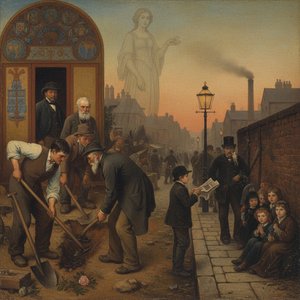
Ford Madox Brown: Pre-Raphaelite Visionary & Victorian Social Commentary
Explore the life & art of Ford Madox Brown, a pivotal Pre-Raphaelite painter renowned for his powerful social commentary and masterpiece 'Work'. Discover his lasting influence on British art history.