Tamanho do texto

() ·

Uma gravura feita para você, com cuidado

Excursion into Philosophy

Giclée / Impressão de Arte

Impressão giclée ou em tela de qualidade de museu, com produção rápida e opções flexíveis de acabamento. ( Comprar pintura feita à mão Alternar para Imagem Digital)

Descrição do Item

Explore Edward Hopper’s "Excursion into Philosophy." A poignant American Realist painting capturing solitude & contemplation. Discover its symbolism & masterful oil technique.

Biografia do Artista

Realista americano do isolamento urbano e da luz evocativa, capturando a quietude de uma lanchonete de madrugada ou de um posto de gasolina solitário.

de ·

Capítulo 1

Em que suporte deve ser impresso?

A tela é impressa com tintas giclée e pode ser esticada ou emoldurada como uma pintura; o papel é enviado plano ou emoldurado com vidro.

Capítulo 2

Qual deve ser o tamanho?

Deslize para alterar o tamanho; a imagem à esquerda mostra a moldura em sua largura real. As proporções originais são mantidas.

Tamanho padrão
personalizado
CM
INCH

Escolha entre os nossos tamanhos pré-definidos que respeitam as proporções originais da obra de arte.

largura
altura

Insira a largura e a altura desejadas para se ajustarem à sua moldura ou parede. Uma impressão pode ser apenas cortada, nunca ampliada além da imagem original; portanto, um tamanho com proporções diferentes resultará na perda de parte da imagem. Enviamos uma maquete digital para sua aprovação antes de realizarmos a impressão. A imagem exibida nesta página não mostra o corte real — apenas a maquete o faz.

Capítulo 3

Como deve chegar?

Escolha as bordas da tela esticada

Escolha sua moldura

Corner sample of the WhiteWrap canvas edge finish, stretched on madeira maciça bars
Branco €1
Corner sample of the BlurSideWrap canvas edge finish, stretched on madeira maciça bars
Bordas esfumaçadas €1
Corner sample of the ExtendedWrap canvas edge finish, stretched on madeira maciça bars
Bordas estendidas €1
Corner sample of the P118B picture frame: poliestireno moldado, 5 cm wide and 3 cm thick
P118B €10
Corner sample of the P118H picture frame: poliestireno moldado, 5 cm wide and 3 cm thick
P118H €10
Corner sample of the P118W picture frame: poliestireno moldado, 5 cm wide and 3 cm thick
P118W €10
Corner sample of the P438Z picture frame: poliestireno moldado, 5.5 cm wide and 3.5 cm thick
P438Z €10
Corner sample of the P508JH picture frame: poliestireno moldado, 7 cm wide and 3.5 cm thick
P508JH €12
Corner sample of the P508YH picture frame: poliestireno moldado, 7 cm wide and 3.5 cm thick
P508YH €12
Corner sample of the P805H picture frame: poliestireno moldado, 5 cm wide and 3.5 cm thick
P805H €10
Corner sample of the P805Z picture frame: poliestireno moldado, 5 cm wide and 3.5 cm thick
P805Z €10
Corner sample of the P919BZ picture frame: poliestireno moldado, 7 cm wide and 3.5 cm thick
P919BZ €10
Corner sample of the P919G picture frame: poliestireno moldado, 7 cm wide and 3.5 cm thick
P919G €10
Corner sample of the P919XJ picture frame: poliestireno moldado, 7 cm wide and 3.5 cm thick
P919XJ €10
Corner sample of the P959ZH picture frame: poliestireno moldado, 5 cm wide and 3 cm thick
P959ZH €10
Corner sample of the P968JZ picture frame: poliestireno moldado, 6 cm wide and 4 cm thick
P968JZ €12
Corner sample of the W106C picture frame: madeira maciça, 5 cm wide and 3 cm thick
W106C €8
Corner sample of the W218G picture frame: madeira maciça, 5 cm wide and 3 cm thick
W218G €10
Corner sample of the W218JH picture frame: madeira maciça, 5 cm wide and 3 cm thick
W218JH €8
Corner sample of the W218Y picture frame: madeira maciça, 5 cm wide and 3 cm thick
W218Y €10
Corner sample of the W307PJ picture frame: madeira maciça, 6 cm wide and 3 cm thick
W307PJ €10
Corner sample of the W316G picture frame: madeira maciça, 6 cm wide and 3 cm thick
W316G €10
Corner sample of the W316PJ picture frame: madeira maciça, 6 cm wide and 3 cm thick
W316PJ €8
Corner sample of the W316Y picture frame: madeira maciça, 6 cm wide and 3 cm thick
W316Y €10
Corner sample of the W398PJ picture frame: madeira maciça, 5 cm wide and 3 cm thick
W398PJ €8
Corner sample of the W4111J picture frame: madeira maciça, 6.5 cm wide and 3.5 cm thick
W4111J €10
Corner sample of the W500HY picture frame: madeira maciça, 7 cm wide and 5 cm thick
W500HY €15
Corner sample of the W500JH picture frame: madeira maciça, 7 cm wide and 5 cm thick
W500JH €15
Corner sample of the W692G picture frame: madeira maciça, 8 cm wide and 4 cm thick
W692G €12
Corner sample of the W849H picture frame: madeira maciça, 5 cm wide and 3 cm thick
W849H €8
Corner sample of the W940BG picture frame: madeira maciça, 7.5 cm wide and 4.5 cm thick
W940BG €15
Corner sample of the W953PJ picture frame: madeira maciça, 6 cm wide and 3.5 cm thick
W953PJ €8
Corner sample of the H24-GOLD picture frame: madeira entalhada com gesso, 10 cm wide and 6 cm thick
H24-GOLD €30
Corner sample of the H24-SILVER picture frame: madeira entalhada com gesso, 10 cm wide and 6 cm thick
H24-SILVER €30
Corner sample of the H36-GOLD picture frame: madeira entalhada com gesso, 15 cm wide and 6.5 cm thick
H36-GOLD €45
Corner sample of the H36-SILVER picture frame: madeira entalhada com gesso, 15 cm wide and 6.5 cm thick
H36-SILVER €45
Prévia da moldura
Com moldura

Moldura: . Dimensões totais com a moldura: .

Capítulo 4

Entrega mundial () em 2 semanas, em vez das 4/5 semanas padrão. (23 Novembro)

Os retoques finais

Uma placa de identificação, como em um museu?

Detalhes da Placa de Bronze Gravada

This elegant plaque features the artist's name and the title of the artwork, finely engraved for a timeless presentation.

It is made from bronze with a refined, elegant finish. The text is precisely laser-engraved for a sharp and permanent result. Measuring 9x2 cm, the plaque is compact yet easy to read. It's built to be durable and scratch-resistant, offering a professional, museum-quality look. Mounting is simple thanks to the included adhesive backing.

Detalhes da Placa de Acrílico Transparente

The plaque includes essential engraved details such as the artist's name, the title of the artwork, the date it was created, the type of media used-like oil on canvas or watercolor-a brief description of the piece, and a QR code that links to the complete artwork information.

It is crafted from clear acrylic, offering a sleek, modern appearance. The text is UV-engraved in black to ensure strong visual contrast. With a size of 10x15 cm, it ensures optimal readability. It comes equipped with two metal hooks for secure wall mounting. The plaque is designed to be weather-resistant, making it suitable for various environments, and it includes interactive features that work seamlessly with smartphone scanning.

Detalhes da Placa de Acrílico Preto

This elegant plaque includes engraved information such as the artist's name, the title of the artwork, the date it was created, the type of media used (like oil on canvas or watercolor), a short description of the artwork, and a QR code for quick access to more information.

The plaque itself is made from refined black acrylic with a premium finish. The text is laser-engraved in white for high contrast and readability. Its size is 10x15 cm, designed to be easy to read. It comes with two metal hooks for professional mounting. The design is sleek and fits any interior style. It is also weather-resistant and durable, with built-in digital integration for mobile compatibility.

Um verniz protetor?

Para quando você precisa?

Capítulo 5

Sua impressão, conforme o seu pedido

Excursion into Philosophy

Técnica de Reprodução

Tamanho da Reprodução

-

Moldura para Reprodução

-

-

Para obras de arte ou reproduções com mais de 105 cm (aproximadamente 41 polegadas) em qualquer um dos lados, a moldura será enviada como um kit desmontado. Este método garante uma entrega segura e evita danos durante o transporte.

Montagem profissional necessária — este não é um produto DIY (faça você mesmo).
O kit deve ser montado e a tela esticada por um profissional de molduraria experiente, utilizando cola de madeira (não inclusa), um alicate de esticar tela e grampos para manter as travessas alinhadas enquanto a cola seca. A montagem incorreta ou a tensão desigual da tela podem danificar permanentemente a obra de arte e não estão cobertas pela nossa garantia.

  • Todas as barras de madeira maciça estão incluídas, precisamente cortadas ao tamanho certo.

  • Montado com os parafusos fornecidos, além de cola para madeira para as junções dos cantos, que não está inclusa e deve ser providenciada pelo seu moldurista.

  • São necessárias ferramentas profissionais não incluídas: um alicate de estiramento de tela (esticador) e grampos para manter as ripas alinhadas enquanto a cola seca.

Importante:
As junções dos cantos requerem cola para madeira, as ripas devem ser mantidas com grampos até que a cola esteja completamente seca, e o estiramento da tela na moldura montada requer um alicate de esticar tela. Nenhum destes itens está incluído no kit. Por favor, certifique-se de contar com um profissional de molduraria experiente antes de encomendar este tamanho.

Etiqueta de identificação

-

-

Verniz de Proteção

Verniz brilhante (realça as cores e protege contra a luz e a umidade)

-

Urgente

Entrega mundial () em 2 semanas, em vez do prazo padrão de 4/5 semanas. (23 Novembro)

-

Envio Expresso

Entrega mundial () em 4 a 5 semanas. (30 Novembro).

Com envio incluído

Preço Total

€ 72

Preço Total € 72

A opção de vidro está disponível apenas para tamanhos inferiores a 110 cm

Incluído em todos os pedidos

  • Envio expresso gratuito para todo o mundo
  • Tela de Linho de Alta Qualidade
  • Seguro de transporte completo
  • Garantia de Reembolso de Impostos Alfandegários
  • Garantia de Fidelidade Cromática
  • Política de Devolução em 100 Dias (Apenas para Defeitos)
  • Garantia de reembolso de 100%
  • Oferta de desconto por quantidade

A Quiet Drama: Unveiling Edward Hopper’s “Excursion into Philosophy”

Edward Hopper's "Excursion into Philosophy" is a profoundly evocative work that encapsulates the core tenets of American Realism, offering a glimpse into the introspective lives of ordinary individuals. Painted during a period of rapid social and cultural change in America, this piece transcends mere representation to become a meditation on solitude, contemplation, and the passage of time. Hopper masterfully captures a moment suspended between action and reflection, inviting viewers to project their own narratives onto the scene.

Decoding the Scene: Subject & Composition

The painting depicts an intimate interior – a sparsely furnished room dominated by a bed and a window allowing soft, natural light to flood the space. A man sits on the edge of the bed, his gaze directed towards a woman lying prone on the floor nearby. A small table between them holds a book, suggesting intellectual engagement or perhaps a shared moment of quiet study. The composition is deliberately restrained; Hopper eschews dramatic gestures in favor of subtle positioning and nuanced body language. Two figures are partially visible in the background, adding to the sense of enclosure and hinting at lives unfolding beyond the immediate frame. The overall impression is one of stillness and psychological tension.

Technique & Style: A Masterclass in Realism

Hopper’s technical prowess shines through in his meticulous rendering of light and shadow. Executed in oil, the painting boasts a rich texture and depth, achieved through careful layering and blending of pigments. His use of color is equally deliberate – a muted palette of blues, browns, and grays creates a somber yet serene atmosphere. The flattened perspective contributes to the sense of theatricality, almost as if we are observing a scene unfolding on a stage. This stylistic choice emphasizes the emotional weight of the moment rather than strict adherence to realistic spatial representation. Hopper’s dedication to realism wasn't about photographic accuracy; it was about capturing the essence of modern American life with honesty and psychological insight.

Symbolism & Interpretation: Layers of Meaning

Several symbolic elements enrich the painting’s narrative complexity. The clock prominently displayed above the man serves as a potent reminder of time's relentless march, adding a philosophical dimension to the scene. Is it a symbol of lost opportunities, impending change, or simply the inevitable flow of existence? The book on the table suggests intellectual pursuit, but its closed position could imply stagnation or unresolved questions. The figures themselves are imbued with symbolic weight – their postures and expressions hinting at unspoken emotions and complex relationships. The expansive view visible through the window offers a contrasting sense of freedom and possibility, perhaps representing a longing for escape from the confines of the room—and potentially, from the constraints of life itself.

Historical Context & Hopper’s Legacy

“Excursion into Philosophy” reflects the anxieties and uncertainties of post-World War I America. The painting emerged during a period marked by rapid urbanization, social upheaval, and a growing sense of alienation. Hopper's work resonated with audiences because it captured these feelings with unflinching honesty. He became one of the most important chroniclers of 20th-century American life, influencing generations of artists with his distinctive style and thematic concerns. His paintings continue to be celebrated for their emotional depth, technical brilliance, and enduring relevance.

Emotional Resonance & Collecting Considerations

“Excursion into Philosophy” evokes a range of emotions – melancholy, introspection, quiet desperation, and perhaps even a glimmer of hope. It’s a painting that stays with the viewer long after they've turned away, prompting contemplation on the human condition. For collectors and interior designers, a reproduction of this work offers a sophisticated touch of American Realism, adding depth and intellectual weight to any space.
  • The muted color palette complements a variety of décor styles.
  • The painting’s introspective mood creates a calming and contemplative atmosphere.
  • Its iconic status ensures lasting artistic value.
Owning a high-quality reproduction allows you to bring the quiet drama and philosophical depth of Hopper's masterpiece into your home or office.

Perguntas e Respostas

"Excursion into Philosophy" apresenta contrastes fortes entre luz e sombra?

O nível de contraste de "Excursion into Philosophy", de Edward Hopper é Statement.

Posso ver "Excursion into Philosophy" como um slideshow em tela cheia?

Um slideshow está disponível: a página Apresentação de imagens de "Excursion into Philosophy", de Edward Hopper.

"Excursion into Philosophy", de Edward Hopper utiliza contrastes fortes ou harmonias suaves?

Em "Excursion into Philosophy", um Statement contraste une-se a uma Discordant Palette harmonia.

Saiba mais sobre esta pintura

Visualizar na parede Visualizar em RA Comprar pintura feita à mão Alternar para Imagem Digital Compartilhar
Detalhes Guia Adicionar aos favoritos Baixar imagem Semelhantes Raio X Ver diaporama Perguntas e Respostas Estatísticas

Em números

  • 29molduras para escolher
  • tamanhos padrão, em suas próprias proporções
  • 5semanas para pintar e entregar

Sobre o original

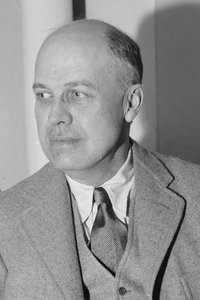
Edward Hopper

Edward Hopper

1882 - 1967, Estados Unidos da América

Informações rápidas sobre Edward Hopper

  • Artistas Ou Movimentos Influenciados Por Este Artista: ['Pierre Sanford Ross']
  • Artistas Que Influenciaram Este Artista:
    • William Merritt Chase
    • Robert Henri
    • Edgar Degas
    • Édouard Manet
  • Data De Morte: 1967
  • Data De Nascimento: 1931
  • Local De Nascimento: Upper Nyack, Estados Unidos da América
  • Movimento Ou Estilo Artístico: Realismo americano
  • Nacionalidade: Americano
  • Nome Completo: Edward Hopper
  • Obras De Arte Notáveis:
    • Nighthawks
    • Gas
    • House by the Railroad
    • Automat
    • Office in a Small City
    • Summertime

Biografia do Artista

A Quietude da Cena Americana

Edward Hopper nasceu em Upper Nyack, Estados Unidos da América. Seus primeiros anos foram dedicados a observar o mundo com um olhar atento, um hábito que começou com esboços de infância meticulosamente datados e assinados. Embora seus pais tenham sugerido um caminho prático na ilustração comercial, seu foco permaneceu nas belas artes. Ele estudou na New York School of Art sob a orientação de William Merritt Chase e Robert Henri. Esses anos lhe conferiram a habilidade técnica necessária para retratar o mundo de forma crua e honesta. Ele não buscou as pinceladas fugazes dos Impressionistas que encontrou em Paris; em vez disso, desenvolveu uma forma de ver que privilegiava a quietude de um momento em detrimento do movimento de uma multidão.

Sua obra frequentemente se concentra no cotidiano. Ele observava casas, lanchonetes, escritórios e quartos de hotel, despojando as cenas de detalhes desnecessários para encontrar a verdade emocional subjacente. Em House by the Railroad (1925), uma composição simples revela um senso de mistério e isolamento. Ele utilizava a luz e a sombra não apenas para descrever um ambiente, mas para estabelecer um estado de espírito. A renderização precisa de uma sombra em uma parede ou a maneira como a luz incide sobre uma janela tornou-se sua forma de comunicar o estado psicológico de seus sujeitos.

Luz e o Interior Urbano

A maneira como a luz penetra em um espaço é um personagem central em suas pinturas. Em Nighthawks (1942), a luz fluorescente e crua de uma lanchonete de madrugada corta a escuridão de uma rua urbana deserta. As figuras no interior estão fisicamente próximas, mas parecem perdidas em seus próprios pensamentos, desconectadas umas das outras. Esse senso de anonimato em uma cidade lotada tornou-se um tema recorrente. Ele capturou a tensão de estar sozinho em um lugar público, um sentimento que ressoa em obras como Automat e Office in a Small City. Ele estava interessado na forma como a luz artificial interage com a escuridão natural da noite.

Sua esposa, Josephine Nivison Hopper, era uma presença constante. Ela era uma artista e frequentemente servia como sua modelo, e sua presença é sentida na caracterização de muitas de suas figuras femininas. Juntos, eles levavam uma vida modesta, passando frequentemente os verões na Nova Inglaterra, o que influenciou as paisagens que ele pintava. Suas representações da paisagem americana, tanto rurais quanto urbanas, frequentemente enfatizam uma certa austeridade ou vazio. Seja em um posto de gasolina à beira da estrada em Gas (1940) ou em um quarto silencioso de um hotel, o tema é sempre a intersecção entre um lugar físico e uma experiência interna e privada.

Um Legado de Observação

A influência de Hopper estende-se à linguagem visual do cinema e da literatura. Sua capacidade de criar uma sensação de tensão psicológica através da composição foi notada por muitos que estudam a forma como histórias são contadas por meio de imagens. Suas pinturas permanecem em grandes museus ao redor do mundo, integradas a coleções como a do Whitney Museum of American Art e do Museum of Fine Arts, em Boston. Ele não buscava grandes narrativas históricas; encontrou seu tema nos cantos silenciosos da vida cotidiana, transformando uma janela simples ou um estranho que passa em um estudo da condição humana. Sua obra permanece como um estudo do silêncio que existe entre as pessoas.

Informações Rápidas

  • style: Realism
  • title: Excursion into Philosophy
  • movement: American Realism
  • subject: Figures in an interior space

Quiz de Arte

Cada pergunta possui apenas uma resposta correta.

Pergunta 1:
Edward Hopper is most closely associated with which art movement?
Pergunta 2:
What is a prominent symbolic element within 'Excursion into Philosophy' that suggests the passage of time?
Pergunta 3:
Based on the image description, what is a dominant characteristic of the color palette used in 'Excursion into Philosophy'?
Pergunta 4:
The composition of 'Excursion into Philosophy', as described, evokes a sense of…