American Realism
Excursion into Philosophy (Edward Hopper)
Edward Hopper (1882–1967) criou Excursion into Philosophy. Pertence ao movimento American Realism. É feito em Oil On Canvas.
- Oil On Canvas

 Visualizar na parede

 Pintura a Óleo Feita à Mão
 Compartilhar
 Compartilhar
 Ficha técnica


 Baixar imagem
 Semelhantes
 Raio X
 Ver diaporama
 Perguntas e Respostas

 Estatísticas
Excursion into Philosophy, em resumo
- Título
- Excursion into Philosophy
- Artista
- Edward Hopper (1882–1967)
- Artista nascido em
- Upper Nyack, Estados Unidos da América
- Técnica
- Oil On Canvas
- Movimento
- American Realism
- Período
- Modern
- Tema
- solitude, isolation, reflection, urban scene, interior, light & shadow
O que Excursion into Philosophy retrata?
A Quiet Drama: Unveiling Edward Hopper’s “Excursion into Philosophy”
Edward Hopper's "Excursion into Philosophy" is a profoundly evocative work that encapsulates the core tenets of American Realism, offering a glimpse into the introspective lives of ordinary individuals. Painted during a period of rapid social and cultural change in America, this piece transcends mere representation to become a meditation on solitude, contemplation, and the passage of time. Hopper masterfully captures a moment suspended between action and reflection, inviting viewers to project their own narratives onto the scene.Decoding the Scene: Subject & Composition
The painting depicts an intimate interior – a sparsely furnished room dominated by a bed and a window allowing soft, natural light to flood the space. A man sits on the edge of the bed, his gaze directed towards a woman lying prone on the floor nearby. A small table between them holds a book, suggesting intellectual engagement or perhaps a shared moment of quiet study. The composition is deliberately restrained; Hopper eschews dramatic gestures in favor of subtle positioning and nuanced body language. Two figures are partially visible in the background, adding to the sense of enclosure and hinting at lives unfolding beyond the immediate frame. The overall impression is one of stillness and psychological tension.Technique & Style: A Masterclass in Realism
Hopper’s technical prowess shines through in his meticulous rendering of light and shadow. Executed in oil, the painting boasts a rich texture and depth, achieved through careful layering and blending of pigments. His use of color is equally deliberate – a muted palette of blues, browns, and grays creates a somber yet serene atmosphere. The flattened perspective contributes to the sense of theatricality, almost as if we are observing a scene unfolding on a stage. This stylistic choice emphasizes the emotional weight of the moment rather than strict adherence to realistic spatial representation. Hopper’s dedication to realism wasn't about photographic accuracy; it was about capturing the essence of modern American life with honesty and psychological insight.Symbolism & Interpretation: Layers of Meaning
Several symbolic elements enrich the painting’s narrative complexity. The clock prominently displayed above the man serves as a potent reminder of time's relentless march, adding a philosophical dimension to the scene. Is it a symbol of lost opportunities, impending change, or simply the inevitable flow of existence? The book on the table suggests intellectual pursuit, but its closed position could imply stagnation or unresolved questions. The figures themselves are imbued with symbolic weight – their postures and expressions hinting at unspoken emotions and complex relationships. The expansive view visible through the window offers a contrasting sense of freedom and possibility, perhaps representing a longing for escape from the confines of the room—and potentially, from the constraints of life itself.Historical Context & Hopper’s Legacy
“Excursion into Philosophy” reflects the anxieties and uncertainties of post-World War I America. The painting emerged during a period marked by rapid urbanization, social upheaval, and a growing sense of alienation. Hopper's work resonated with audiences because it captured these feelings with unflinching honesty. He became one of the most important chroniclers of 20th-century American life, influencing generations of artists with his distinctive style and thematic concerns. His paintings continue to be celebrated for their emotional depth, technical brilliance, and enduring relevance.Emotional Resonance & Collecting Considerations
“Excursion into Philosophy” evokes a range of emotions – melancholy, introspection, quiet desperation, and perhaps even a glimmer of hope. It’s a painting that stays with the viewer long after they've turned away, prompting contemplation on the human condition. For collectors and interior designers, a reproduction of this work offers a sophisticated touch of American Realism, adding depth and intellectual weight to any space.- The muted color palette complements a variety of décor styles.
- The painting’s introspective mood creates a calming and contemplative atmosphere.
- Its iconic status ensures lasting artistic value.
Imagens em alta resolução de Excursion into Philosophy

Protected by copyright: these files are for personal reference, not a licence to republish.
Edward Hopper, Excursion into Philosophy.
Perguntas sobre Excursion into Philosophy respondidas
Qual é a técnica utilizada em "Excursion into Philosophy", de Edward Hopper?
Edward Hopper utilizou a técnica de Oil On Canvas para "Excursion into Philosophy". A técnica define a natureza material da obra original.
Quais temas aparecem em "Excursion into Philosophy", de Edward Hopper?
Os temas presentes em "Excursion into Philosophy", de Edward Hopper incluem solitude, isolation, reflection, urban scene, interior, light & shadow, american life, philosophical. Juntos, eles sintetizam o assunto da obra.
"Excursion into Philosophy" está em domínio público?
Informação de direitos autorais para "Excursion into Philosophy", de Edward Hopper: a obra está em ainda protegido por direitos autorais. Isso determina se reproduções da imagem podem ser feitas livremente.
Quem é o artista por trás de "Excursion into Philosophy"?
O artista por trás de "Excursion into Philosophy" é Edward Hopper. A obra está catalogada sob o nome de Edward Hopper.
A qual movimento artístico "Excursion into Philosophy", de Edward Hopper pertence?
O movimento associado a "Excursion into Philosophy", de Edward Hopper é American Realism. Esta classificação situa a obra entre artistas e obras de arte relacionados.
A que período da carreira de Edward Hopper pertence "Excursion into Philosophy"?
"Excursion into Philosophy" pertence ao Mature Period da carreira de Edward Hopper. Esta classificação relaciona a obra ao desenvolvimento do artista.
Qual é a situação dos direitos autorais de "Excursion into Philosophy", de Edward Hopper?
"Excursion into Philosophy", de Edward Hopper, está em ainda protegido por direitos autorais. Os termos de direitos autorais são calculados a partir do falecimento do artista, e Edward Hopper faleceu em 1967.
O que "Excursion into Philosophy" compartilha com o restante da obra de Edward Hopper?
Na produção de Edward Hopper, "Excursion into Philosophy" insere-se no estilo American Realism, acompanhando os temas de captures quiet, introspective moments.
Como "Excursion into Philosophy" se posiciona entre os temas recorrentes de Edward Hopper?
"Excursion into Philosophy" retrata solitude, isolation, reflection, urban scene, interior, light & shadow, american life, philosophical, enquanto os temas recorrentes de Edward Hopper são captures quiet, introspective moments. A comparação entre ambos revela como a obra se relaciona com os temas habituais do artista.
Sobre o artista, Edward Hopper
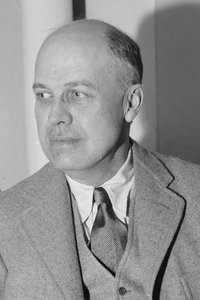
1882–1967, Estados Unidos da América
Edward Hopper
A Quietude da Cena Americana Edward Hopper nasceu em Upper Nyack, Estados Unidos da América. Seus primeiros anos foram dedicados a observar o mundo com um olhar atento, um hábito que começou com esboços de infância meticulosamente datados e assinados. Embora seus pais tenham sugerido um caminho prático na ilustração comercial, seu foco permaneceu nas belas artes. Ele estudou na New York School of Art sob a orientação de William Merritt Chase e Robert Henri.
Também de Edward Hopper
 Edward Hopper1942
 Automat (pequeno)
 Casa à Beira da Ferrovia1925
 Filme de Nova York1939
Ensaios sobre Excursion into Philosophy
 Mastering Solitude: The Top 25 Iconic Artworks by Edward HopperStep into the quiet world of American Realism with our curated guide to the top 25 Edward Hopper artworks. Explore the light, shadow, and s…
 American contemporary realist paintersAmerican contemporary realist painters like Edward Hopper define modern life. Explore the full collection online at OriginalUniqueArt.com.
 Time's Relentless March: Decoding the Symbolism of Clocks and Hourglasses in Vanitas ArtExplore the profound symbolism of clocks and hourglasses in Dutch Vanitas art. Decode these Baroque masterpieces with our expert guide.