

 Visualizar em escala
 Enviar
 Compartilhar
 Ver detalhes
 Guia de Obras do Aluno

 Baixar imagem
 Semelhantes
 Raio X
 Apresentação de slides
 Estatísticas
Trinity
 Oil On Panel
- Mannerist
 1513
1513- Renaissance
 152.0 x 228.0 cm
 Pinacoteca Nazionale
 Ver mais
Reprodução em Óleo Feita à Mão
Óleo sobre tela pintado à mão no tamanho e moldura de sua escolha, feito sob encomenda pelos nossos artistas. ( Alternar para Impressão Ver Imagem Digital)




P118B €10

P118H €10

P118W €10

P438Z €10

P508JH €12

P508YH €12

P805H €10

P805Z €10

P919BZ €10

P919G €10

P919XJ €10

P959ZH €10

P968JZ €12

W106C €8

W218G €10

W218JH €8

W218Y €10

W307PJ €10

W316G €10

W316PJ €8

W316Y €10

W398PJ €8

W4111J €10

W500HY €15

W500JH €15

W692G €12

W849H €8

W940BG €15

W953PJ €8




Escolha entre os nossos tamanhos pré-definidos que respeitam as proporções originais da obra de arte.

Digite a largura e a altura de que necessita, para se ajustar à sua moldura ou à sua parede. Esta obra é pintada à mão, por isso, para um tamanho com uma proporção diferente, o artista pode pintar um pouco mais ao redor da imagem ou cortar um pouco — você escolhe. Enviamos-lhe uma maquete digital para aprovação antes de a pintura começar. A imagem exibida nesta página não mostra o resultado real — apenas a maquete mostra.
Após o pedido, a equipa OriginalUniqueArt.com enviará um e-mail ao cliente para solicitar instruções e fornecer uma prévia do esboço.
Entrega mundial () em 3 a 4 semanas, em vez das 5 semanas padrão. (23 Outubro). Sem comprometer a qualidade.

Envio expresso gratuito para todo o mundo

Tela de Linho Premium

Seguro de transporte total

Garantia de Reembolso de Impostos Alfandegários

Garantia de Fidelidade de Cor

Política de Devolução em 100 Dias (Apenas para Defeitos)

Garantia de reembolso de 100%

Desconto para múltiplas unidades
 A opção de vidro está disponível apenas para tamanhos inferiores a 110 cm

Trinity
Técnica de Reprodução
Dimensões da Reprodução
-


Preço Total
€ 264
A Visionary Symphony of Faith and Light
In the heart of the Italian Renaissance, amidst the burgeoning humanism of the early sixteenth century, Domenico di Pace Beccafumi crafted a masterpiece that transcends the boundaries of mere religious iconography. His Trinity, completed in 1513, is not simply a depiction of divine figures but a profound exploration of the spiritual psyche. As a prominent figure of the Sienese school, Beccafumi moved away from the rigid, polished perfection found in Florentine works, opting instead for a more emotive and atmospheric approach. This monumental triptych serves as a window into a period where art began to grapple with the tension between classical harmony and the expressive, often distorted, beauty of the emerging Mannerist style.
The composition is a breathtaking tripartite journey, guiding the viewer through layers of celestial and earthly devotion. In the central panel, the Crucifixion takes center stage, anchored by the figure of Christ, flanked by the poignant presence of Mary Magdalene and John the Evangelist. The use of light here is nothing short of miraculous; Beccafumi employs a technique known as glazeware, applying thin, translucent layers of oil paint to create a luminous depth that seems to glow from within. This mastery of light and shadow—the dramatic chiaroscuro—imbues the figures with a weight and a soul, making their divine suffering and eternal grace feel tangibly present to the observer.
The Artistry of Sienese Mannerism
To behold this work is to witness the birth of a new aesthetic language. Beccafumi’s brushwork avoids the static nature of his predecessors, favoring elongated forms and a sense of rhythmic movement that anticipates the complexities of Mannerism. The left panel introduces us to an angelic presence, where soft, light-colored robes contrast against a deep, mysterious background, creating a sense of infinite space. Conversely, the right panel offers a more grounded, yet equally sacred, scene featuring the Virgin Mary and Joseph, wrapped in rich blues and warm earth tones that ground the divine narrative in human emotion.
For the discerning collector or interior designer, this piece offers an unparalleled opportunity to introduce a sense of historical grandeur and intellectual depth into a space. The intricate details—from the delicate folds of the drapery to the expressive, searching gazes of the saints—provide endless points of visual fascination. A high-quality reproduction of this triptych does more than decorate a wall; it anchors a room with a sense of timelessness and contemplative peace. It is an invitation to pause, to reflect, and to immerse oneself in the golden age of Siena, making it a profound centerpiece for any curated collection or sophisticated living environment.
Perguntas e Respostas
Qual nível de contraste apresenta "Trinity" de Domenico Di Pace Beccafumi?
O nível de contraste de "Trinity" de Domenico Di Pace Beccafumi é Statement.
Que humor "Trinity" de Domenico Di Pace Beccafumi expressa dentro de Mannerist?
A emoção Mysterious de "Trinity" acompanha seu estilo Mannerist.
Existem obras semelhantes a "Trinity"?
Obras semelhantes a "Trinity" estão listadas na página de Semelhantes da obra.
Biografia do Artista
Domenico Beccafumi (1486 – 1551): A Sienese Visionary
Domenico di Pace Beccafumi, a name that resonates less immediately than those of his Florentine contemporaries, nonetheless occupies a pivotal position in the narrative of Italian Renaissance art. Born around 1486 in Montaperto, near Siena, Beccafumi’s artistic journey was one of remarkable development, culminating in a style that bridged the High Renaissance and the burgeoning complexities of Mannerism. His story isn't simply about technical skill; it is about a deeply individual vision—a sensibility steeped in the traditions of his Sienese heritage yet boldly reaching towards new expressive possibilities. His origins were humble: the son of Giacomo di Pace, a peasant who worked for Lorenzo Beccafumi, his talent was recognized by Lorenzo Beccafumi, who adopted him and provided for his initial artistic training with Mechero, a local Sienese artist. This early grounding in the Sienese school would prove foundational, even as he ventured beyond its established conventions. The Sienese tradition, already diverging from the classical ideals embraced elsewhere in Italy, fostered an environment where emotional intensity and decorative detail were valued, qualities that would become hallmarks of Beccafumi’s unique style.Early Influences and Artistic Training
Domenico's formative years instilled within him a profound appreciation for Sienese artistic sensibilities—a preference for expressive color palettes and intricate ornamentation that distinguished it from the more restrained aesthetic of Florence during this period. Recognizing his exceptional aptitude, Lorenzo Beccafumi took on Domenico as his protégé, securing him instruction with Mechero, a respected Sienese painter who honed his skills in mastering traditional techniques. This mentorship proved crucial in shaping Beccafumi’s artistic approach—one characterized by meticulous observation and an unwavering commitment to faithfully conveying the emotional essence of his subjects. The influence of Fra Bartolommeo and Pacchiarotto, prominent figures within Siena's artistic landscape, further enriched Domenico’s understanding of visual expression, encouraging him to explore innovative compositional strategies and stylistic nuances.Rome: Encountering Renaissance Giants
Around 1509, Domenico embarked on a transformative journey to Rome—a pivotal moment exposing him to the epicenter of artistic innovation during the High Renaissance. He encountered the monumental works of Raphael and Michelangelo firsthand, absorbing their groundbreaking advancements in anatomy, perspective, and dramatic staging. Unlike many artists of his generation who sought to emulate these masters with slavish imitation, Beccafumi skillfully synthesized Roman influences through his own distinctive lens—a process that resulted in a style markedly different from prevailing trends. He didn’t merely *copy* the grandeur of St. Peter's Basilica or the idealized beauty of Raphael’s Madonnas; he filtered these inspirations through the bedrock of Sienese tradition, resulting in an aesthetic that retained its provincial character while simultaneously embracing new expressive horizons. This careful balance—a fusion of classical ideals with medieval sensibilities—became a defining feature of Beccafumi's oeuvre.The Flourishing Style: Mannerism Takes Root
Beccafumi’s artistic style evolved rapidly during his Roman sojourn, transitioning from the harmonious elegance of High Renaissance painting to the unsettling dynamism and psychological complexity of Mannerism. This stylistic shift manifested in a deliberate rejection of classical balance—favoring distorted figures, exaggerated poses, and jarring color combinations that conveyed emotional turmoil rather than serene contemplation. Artists like Il Sodoma and Peruzzi had already begun experimenting with these techniques during Beccafumi’s time in Rome, but Domenico pushed Mannerist principles to their furthest limits—creating images that defied conventional expectations and challenged viewers' perceptions of reality. His paintings pulsated with an inner energy—a palpable sense of unease and psychological depth—reflecting a profound engagement with the anxieties of his era. This stylistic innovation cemented Beccafumi’s reputation as one of the most daring and influential artists of his time, securing his place among the vanguard of Mannerist aesthetics.Monumental Frescoes and Artistic Legacy
Domenico Beccafumi's artistic legacy rests primarily upon his monumental frescoes—particularly those adorning the Oratory of St. Benedict in Siena—which stand as enduring testaments to his mastery of technique and expressive vision. The Trinity Triptych, housed in the Pinacoteca Nazionale di Siena, exemplifies Beccafumi’s ability to convey religious devotion with both grandeur and intimacy—a feat achieved through masterful use of color and composition. Similarly, *The Annunciation*, also at the Pinacoteca Nazionale, showcases his distinctive stylistic approach—characterized by a subtle distortion of perspective and an evocative depiction of emotion. However, Domenico's most ambitious undertaking was undoubtedly his direction of the pavement for Siena Cathedral between 1517 and 1544—a project that spanned over half a century and involved intricate designs inlaid with marble and mosaics. He skillfully employed innovative techniques to depict biblical narratives—Ahab, Elijah, Melchisedec, Abraham, and Moses—creating images that captivated audiences and solidified Siena’s artistic prestige. Domenico Beccafumi died in Siena in 1551, marking a symbolic end to the city's illustrious tradition of painting. He remains a compelling figure—a testament to the enduring power of individual vision within the broader currents of art history, securing his place as one of the last undiluted representatives of the Sienese School and profoundly influencing subsequent generations of artists.
Domenico Di Pace Beccafumi
1486 - 1551 , Itália
Informações Rápidas
- Artistic Movement Or Style: Mannerismo
- Artists Who Influenced This Artist:
- Raphael
- Michelangelo
- Date Of Birth: c. 1486
- Date Of Death: May 18, 1551
- Full Name: Domenico di Pace Beccafumi
- Nationality: Italiano
- Notable Artworks:
- Trinity Triptych
- The Annunciation
- Place Of Birth: Montaperto, Itália
Artigos Relacionados

Mannerism: Bridging Renaissance Harmony & Baroque Drama – A Study of Style & Affectation
Explore the fascinating world of Mannerism! Discover its key characteristics, pioneering artists like Pontormo & Bronzino, and its pivotal role in bridging Renaissance harmony to Baroque drama. A comprehensive guide for art enthusiasts.
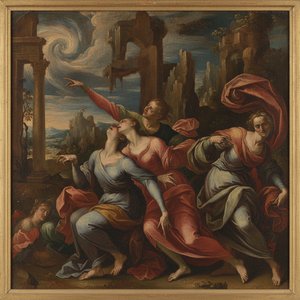
Drama & Distortion: A Journey Through the Captivating World of Baroque Mannerism
Explore the dramatic tension of Mannerism and the opulent grandeur of Baroque art. Discover how masters used light, shadow, and distortion to redefine European history through a captivating journey of emotional intensity and spiritual fervor.
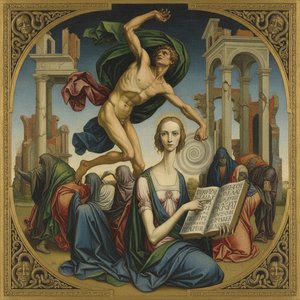
Beyond Perfection: The Dramatic Elegance and Intellectual Tension of Renaissance Mannerism
Explore the captivating world of Renaissance Mannerism. Discover how artists moved beyond High Renaissance harmony into a realm of elegant distortion, psychological tension, and dramatic beauty that bridged the gap to the Baroque era.

Northern Mannerism: The Dramatic Evolution of European Art through Elegant Distortion and Tension
Explore the dramatic evolution of Northern Mannerism. Discover how 16th-century artists moved from Renaissance harmony to elegant distortion, tension, and complex symbolism in European art history.
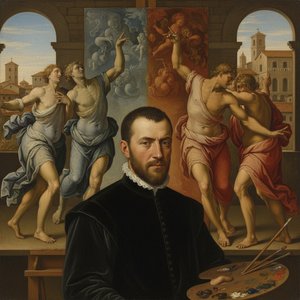
Domenico Beccafumi: A Sienese Master Between Mannerism & Baroque Anticipation
Explore the captivating world of Domenico Beccafumi, a pivotal figure bridging Mannerism & Baroque art. Discover his unique style, religious masterpieces, and lasting legacy with OriginalUniqueArt.

