A Vida e os Primeiros Anos de David Hockney
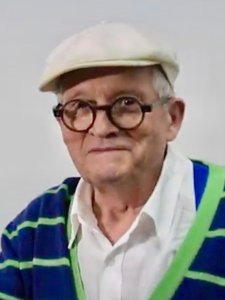
David Hockney chegou ao mundo em 9 de julho de 1937, em Bradford, West Yorkshire, na Inglaterra. Ele cresceu em um lar composto por cinco filhos, sendo o quarto do grupo. Seu pai, Kenneth Hockney, trabalhava como auxiliar de contabilidade e fora um objetor de consciência durante a Segunda Guerra Mundial. Sua mãe, Laura, era metodista e uma vegetariana rigorosa. Estes anos iniciais foram vividos sob a paisagem industrial de Yorkshire, um cenário de fábricas de tijolos e mercados vibrantes.
Sua trajetória escolar teve início na Wellington Primary School e continuou na Bradford Grammar School. Durante esse período, o entorno de Bradford moldou sua forma de enxergar o mundo. A aspereza do coração industrial e a luz peculiar da região serviram de pano de fundo para seus anos formativos. Ele era o filho de uma família que valorizava o pensamento independente, profundamente influenciada pelas convicções de seu pai durante o conflito mundial.
Formação Artística e Educação na Grã-Bretanha
A base de sua prática foi construída através de anos de um olhar atento e profundo sobre o mundo. Entre 1953 e 1957, ele estudou na Bradford School of Art, um período dedicado inteiramente à mecânica do ato de ver. Ele dedicou seu tempo ao desenho de observação e à retratística, aperfeiçoando as habilidades tradicionais de observação que permaneceriam centrais em sua obra por décadas. Havia um foco rigoroso na precisão da linha e na maneira como um sujeito se posiciona no espaço.
Ao deixar a paisagem industrial de Yorkshire para seguir em direção a Londres, ele ingressou no Royal College of Art. Este foi um tempo de intenso desenvolvimento técnico, onde ele percorreu o currículo com um foco absoluto nos fundamentos da forma e nas nuances da luz. Em 1962, graduou-se no Royal College of Art com a distinção de uma Medalha de Ouro. Esse reconhecimento marcou o fim de sua educação formal na Grã-Bretanha e o início de uma carreira definida por uma curiosidade constante e inquieta sobre como representar as coisas que via.
O Movimento Pop Art e Los Angeles
A década de 1960 testemunhou a ascensão de David Hockney como uma figura central no movimento Pop Art. Enquanto outros expoentes do movimento se inclinavam para a estética comercial da cultura de massa americana, sua abordagem manteve-se profundamente pessoal. Em 1964, sua mudança de Londres para Los Angeles representou um divisor de águas que transformou radicalmente sua percepção de cor e luz. A luminosidade intensa da Califórnia tornou-se uma presença constante em sua obra, despojando-a dos tons suaves de seus anos formativos. Ele passou a documentar o charme da cidade sob a perspectiva de um observador externo, concentrando-se na maneira como a luz incide sobre as superfícies e nos azuis saturados e específicos de uma piscina.
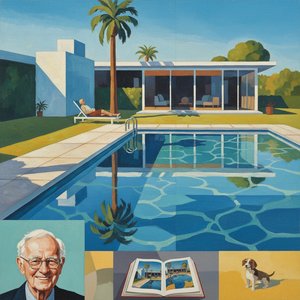
Este período é definido por sua fascinação pelo lazer e pela geometria da vida suburbana. David Hockney dedicou grande parte de seu tempo a observar o movimento e o reflexo da água, um desafio que enfrentou através de sua celebrada série de pinturas de piscinas. Essas obras capturaram a quietude hedonista da vida à beira da piscina com linhas nítidas e precisas. Afastando-se das tendências abstratas da época, ele optou por retratar pessoas e objetos reconhecíveis. Sua produção desta era explorou frequentemente a intimidade silenciosa dos relacionamentos e a forma como o espaço é percebido através de uma lente de luz brilhante e direta.
Técnica e a Evolução da Linguagem Visual
A prática de David Hockney é um movimento contínuo entre diferentes formas de ver. Ele nunca se limitou aos confines de um único meio, transitando com fluidez entre a pintura, o desenho, a gravura e a fotografia. Sua abordagem frequentemente tem origem na observação direta e no desenho do natural; ele utiliza o retrato para estudar a maneira como um rosto retém a semelhança, mas também experimenta a própria estrutura do espaço. Ao empregar a perspectiva reversa, ele rompe com a forma tradicional como contemplamos uma cena, criando uma sensação de profundidade que se distingue de uma fotografia convencional. Frequentemente, ele recorre à fotografia como um meio preparatório, utilizando a câmera para capturar um instante efêmero antes de traduzi-lo para a tela.
A maneira como ele manipula a cor e a luz transformou-se à medida que suas ferramentas evoluíram. Em seus anos iniciais, trabalhou com acrílicos para alcançar matizes saturados, especialmente ao retratar o movimento da água em piscinas. Mais tarde, voltou-se para as mídias digitais. Utilizando iPads, ele começou a reimaginar paisagens, encontrando uma nova forma de capturar a luz mutável e as cores do mundo natural. Essa transição da tinta física para as telas digitais revela um interesse persistente em como a tecnologia pode alterar nossa percepção de um lugar. Sua obra é um registro vivo dessas mudanças técnicas, que vão da linha precisa de um desenho às composições estratificadas de uma paisagem digital.
Obras-Chave e Pinturas Icônicas
A maneira como a luz incide sobre uma superfície muitas vezes dita a direção de uma pintura. Em 1961, We Two Boys Together Clinging explorou a intimidade da conexão através de uma lente de simbolismo e texto. Esta obra de sua fase inicial revela um foco nas relações entre as pessoas e nas marcas deixadas pela sua presença. Mais tarde, a transição para as cores vibrantes e saturadas da Califórnia transformou a forma como a água era tratada na tela. A Bigger Splash, criada em 1967, captura um momento de movimento em uma piscina, utilizando linhas nítidas para definir a interação entre a luz e o líquido.
O foco oscila frequentemente entre a paisagem e as pessoas que nela habitam. Em 1971, Mr and Mrs Clark and Percy reuniu um senso de companheirismo e caráter. Essa abordagem do retrato continuou com Portrait of an Artist (Pool with Two Figures em 1972, onde o uso da fotografia como meio preparatório ajudou a definir o arranjo espacial. Estas obras demonstram um interesse persistente em como percebemos o espaço e a forma como os seres humanos o ocupam.
- We Two Boys Together Clinging (1961)
- A Bigger Splash (1967)
- Mr and Mrs Clark and Percy (1971)
- Portrait of an Artist (Pool with Two Figures) (1972)
Cenografia e Comissões de Ópera
A linguagem visual que David Hockney desenvolveu sobre a tela encontrou, muitas vezes, um ritmo distinto dentro do universo teatral. Seu trabalho em cenografia exigia longos períodos de concentração, estendendo-se por vezes por mais de um ano para uma única produção. Ele transitou da superfície plana da pintura para o espaço tridimensional do palco, criando cenários para a A Flauta Mágica de Mozart. Essa transição demandou uma mudança profunda na forma como ele manipulava a luz e o movimento, traduzindo seu interesse pela perspectiva em ambientes capazes de acolher a performance ao vivo.
Seu envolvimento com a ópera incluiu a encenação de O Progresso do Libertino, de Igor Stravinsky, em 1975. Mais tarde, em 1990, ele criou os designs para Turandot, de Giacomo Puccini. Tais projetos exigiam que ele refletisse sobre a trajetória de um personagem através do espaço e sobre como um cenário pode se transformar à medida que a música flui. David Hockney também aplicou seu olhar apurado para a composição ao mundo da moda, desenhando a capa e as páginas da edição de dezembro de 1985 da Vogue francesa. Em todos esses momentos, o foco permaneceu na maneira como o sujeito é enquadrado e em como a cor interage com o olhar do espectador.
Legado e Reconhecimento Global
O peso de uma longa carreira muitas vezes se consolida nas honrarias concedidas por grandes instituições. No ano de 2000, David Hockney foi laureado com o prestigiado Praemium Imperiale na categoria de Pintura. Mais tarde, em 2003, foi eleito Membro da Royal Society. Tais reconhecimentos surgiram paralelamente a uma presença constante no olhar do público, evoluindo desde os primórdios do movimento Pop Art até alcançar o patamar de um dos artistas britânicos mais influentes dos séculos XX e XXI.
Seu lugar no panorama cultural foi ainda mais consolidado em 2018, quando foi nomeado Companheiro da Ordem do Mérito (Order of the Companion of Honour). Este reconhecimento é o coroamento de décadas de um trabalho que partiu da aspereza de Yorkshire para a luz vibrante da Califórnia e, eventualmente, mergulhou no reino digital através de seus desenhos no iPad. Sua influência é sentida não apenas nas galerias, mas na própria maneira como ele transformou nossa percepção de espaço e perspectiva através de seus diversos meios de expressão.
Onde Ver Suas Obras Hoje
Para contemplar sua obra pessoalmente, uma jornada pode levar ao 1853 Gallery, no Salts Mill, em Saltaire. Este espaço abriga diversas de suas peças, mantendo um elo vivo com a paisagem industrial de sua juventude. Além disso, a David Hockney Foundation preserva um vasto conjunto de seus trabalhos, salvaguardando grande parte de sua produção para fins de estudo e apreciação.
Suas pinturas e desenhos estão espalhados por grandes instituições em diferentes continentes. No Reino Unido, a coleção da Tate inclui suas obras icônicas. Do outro lado do Atlântico, sua presença é sentida no Metropolitan Museum of Art e no Museum of Modern Art. Essas coleções guardam várias fases de sua carreira, desde seus primeiros trabalhos figurativos até suas explorações tardias sobre a luz e a cor.
- A bigger splash
- American Collectors (Fred and Marcia Weisman)
- Portrait of an artist pool with two figures
- A bigger grand canyon
- Place furstenberg, paris

 Alternar para Impressão
 Ler mais







































 Para obras de arte ou reproduções com mais de 105 cm (aproximadamente 41 polegadas) em qualquer um dos lados, a moldura será enviada como um kit desmontado. Este método garante uma entrega segura e evita danos durante o transporte.


 Visualizar na parede
 Compartilhar
 Compartilhar
 Detalhes
 Guia
Guia

 Baixar imagem
 Semelhantes
 Raio X
 Ver diaporama
 Perguntas e Respostas
 Estatísticas