

 Visualizar em escala
 Enviar
 Compartilhar
 Ver detalhes
 Guia de Obras do Aluno

 Baixar imagem
 Semelhantes
 Raio X
 Apresentação de slides
 Estatísticas
Cuenca
 Oil On Canvas
- WallArt
- Cubist Landscape
 1934
1934- Modern
 32.0 x 40.0 cm
 Walker Art Gallery
 Ver mais
A obra de arte exibida nesta página é protegida por leis de direitos autorais, o que significa que não podemos criar ou vender legalmente uma reprodução idêntica. Esta proteção é aplicada por meio de acordos internacionais, tais como a Convenção de Berna e pelas leis nacionais, incluindo as estabelecidas por Lei de Direitos Autorais dos EUA - Título 17.
Como uma alternativa respeitosa e legal, oferecemos obras de arte personalizadas e pintadas à mão, inspiradas na obra original. Nossos artistas profissionais e experientes estudam cuidadosamente o estilo, a atmosfera e a essência artística da obra original para criar uma peça nova e única que evoque a mesma sensação — permanecendo como uma criação original por direito próprio.
Este método cumpre plenamente as regulamentações de direitos autorais, pois não envolve a cópia ou duplicação da obra protegida. Em vez disso, trata-se de uma reinterpretação criativa — uma nova pintura que é influenciada pela original, mas não idêntica a ela.
Reprodução em Óleo Feita à Mão
Óleo sobre tela pintado à mão no tamanho e moldura de sua escolha, feito sob encomenda pelos nossos artistas. ( Alternar para Impressão Ver Imagem Digital)




P118B €10

P118H €10

P118W €10

P438Z €10

P508JH €12

P508YH €12

P805H €10

P805Z €10

P919BZ €10

P919G €10

P919XJ €10

P959ZH €10

P968JZ €12

W106C €8

W218G €10

W218JH €8

W218Y €10

W307PJ €10

W316G €10

W316PJ €8

W316Y €10

W398PJ €8

W4111J €10

W500HY €15

W500JH €15

W692G €12

W849H €8

W940BG €15

W953PJ €8




Escolha entre os nossos tamanhos pré-definidos que respeitam as proporções originais da obra de arte.

Digite a largura e a altura de que necessita, para se ajustar à sua moldura ou à sua parede. Esta obra é pintada à mão, por isso, para um tamanho com uma proporção diferente, o artista pode pintar um pouco mais ao redor da imagem ou cortar um pouco — você escolhe. Enviamos-lhe uma maquete digital para aprovação antes de a pintura começar. A imagem exibida nesta página não mostra o resultado real — apenas a maquete mostra.
Após o pedido, a equipa OriginalUniqueArt.com enviará um e-mail ao cliente para solicitar instruções e fornecer uma prévia do esboço.
Entrega mundial () em 3 a 4 semanas, em vez das 5 semanas padrão. (18 Outubro). Sem comprometer a qualidade.

Envio expresso gratuito para todo o mundo

Tela de Linho Premium

Seguro de transporte total

Garantia de Reembolso de Impostos Alfandegários

Garantia de Fidelidade de Cor

Política de Devolução em 100 Dias (Apenas para Defeitos)

Garantia de reembolso de 100%

Desconto para múltiplas unidades
 A opção de vidro está disponível apenas para tamanhos inferiores a 110 cm

Cuenca
Técnica de Reprodução
Dimensões da Reprodução
-


Preço Total
€ 261
A Mountain Reverie: The Soul of Cuenca
In his 1934 masterpiece, Cuenca, David Bomberg invites the viewer into a profound meditation on solitude and the enduring resilience of life amidst the overwhelming grandeur of nature. This oil on canvas transcends a mere topographical record of a Spanish hillside; it is an evocative window into a landscape where human presence and geological majesty exist in a delicate, poetic tension. The painting captures a panoramic view of a town nestled precariously yet harmoniously upon a rugged slope, where humble dwellings are scattered like quiet thoughts across the vast, undulating terrain. Through his masterful command of the medium, Bomberg distills the essence of this mountainous vista, offering an experience that is as much about emotional depth as it is about visual splendor.
The composition is anchored by a sense of monumental scale, with towering mountains dominating the horizon and creating a backdrop of immense power. In the foreground, trees punctuate the view, providing essential textural contrast and guiding the eye into the expansive scene. The sky, draped in soft, cloudy layers, lends an atmospheric weight to the work, suggesting the shifting moods of a mountain climate. This deliberate framing creates a captivating dialogue between the intimacy of the human settlement and the infinite scale of the natural world, fostering a contemplative space where themes of permanence and vulnerability intertwine.
Technique and the Language of Form
Rooted in the transformative principles of Modernism, Cuenca showcases Bomberg’s sophisticated engagement with the legacies of Cubism and the structural insights of Cézanne. The artist employs a technique that prioritizes geometric simplification and multiple perspectives to sculpt spatial depth within the landscape. Rather than relying on rigid outlines, he utilizes loose, expressive brushstrokes that capture the very dynamism of the mountain air, imbuing the scene with a palpable sense of movement and life. This fluid application of paint allows the forms of the mountains and buildings to emerge organically from the canvas.
The color palette is masterfully restrained, leaning toward muted, earthy tones—predominantly rich browns and deep greens—that reflect the subdued, soulful hues characteristic of an autumnal landscape. Bomberg’s skillful use of tonal gradations allows him to define mass and volume, creating a sense of "the artist's consciousness of mass." This approach ensures that every element, from the smallest stone structure to the most distant peak, possesses a physical presence that feels both grounded and ethereal. For the discerning collector or interior designer, this work offers a sophisticated interplay of texture and tone, making it a timeless addition to any curated space.
Historical Resonance and Emotional Impact
To understand Cuenca is to understand a pivotal moment in Bomberg’s artistic evolution. Created during a period when the artist was moving away from the radical, fractured geometries of his earlier Cubo-Futurist years, this work represents a return to an aesthetic rooted in nature and organic form. The trauma of the First World War and the subsequent shift toward a more figurative, landscape-driven style are palpable here; there is a search for the sublime within the natural world that replaces the mechanical fervor of his youth. The painting reflects a period of profound transition, where the artist sought to realize the poetry found in mankind's contemplation of nature.
The emotional impact of the piece lies in its ability to evoke a sense of quiet awe. It is a work that speaks to the heart of anyone moved by the beauty of the untamed world and the quiet strength of those who inhabit it. Whether viewed as a study of light and shadow or as a symbolic representation of human endurance, Cuenca remains a visually arresting composition. For those seeking to bring a sense of historical depth and tranquil majesty into their surroundings, this reproduction serves as a powerful testament to Bomberg’s ability to capture the very breath of the landscape.
Perguntas e Respostas
De que material é feita a obra "Cuenca"?
A técnica de "Cuenca" de David Bomberg é Oil On Canvas. As reproduções visam reproduzir a aparência desta técnica.
Posso ver "Cuenca" de David Bomberg sob diferentes luzes?
A visualização em Raio-X de "Cuenca" de David Bomberg encontra-se na página Raio X da obra: um exame interativo da imagem através de onze camadas ópticas.
David Bomberg, criador(a) de "Cuenca", é conhecido(a) por outros nomes?
David Bomberg também é conhecido como David Garshen Bomberg.
Biografia do Artista
Primeiros Anos e Formação Artística
- Nascimento: Birmingham, Reino Unido (5 de dezembro de 1890)
- Falecimento: Londres, Reino Unido (19 de agosto de 1957)
- Um dos 'Whitechapel Boys' – um grupo de artistas do East End que emergiu no início do século XX.
Nascido de pais imigrantes polaco-judeus, Abraham e Rebecca Bomberg, estudou inicialmente na City and Guilds Technical Art School antes de se formar como litógrafo em Birmingham.
Estudou sob a tutela de Walter Sickert na Westminster School of Art (190los-1910), influenciado pelo foco de Sickert na forma e na vida urbana. Teve uma exposição significativa à obra de Paul Cézanne através da exposição de 1910 de Roger Fry, "Manet and the Post-Impressionists". Frequentou a Slade School of Art (1911), onde conquistou o Prêmio Tonks pelo seu desenho do colega de turma Isaac Rosenberg.
Os Anos de Vanguarda: Cubismo, Futurismo e Controvérsia
- Na Slade, Bomberg integrou uma geração notável que incluía Mark Gertler, Stanley Spencer, C.R.W. Nevinson e Dora Carrington.
- Influenciado pelas exposições de 1912 em Londres dos Futuristas Italianos e pela segunda exposição pós-impressionista de Fry (Picasso, Matisse, Fauvistas, Wyndham Lewis).
- Desenvolveu um estilo distinto que combinava o Cubismo e o Futurismo – caracterizado por composições geométricas, paletas de cores limitadas, figuras angulares e estruturas em grelha.
- A sua abordagem radical levou à sua expulsão da Slade School of Art em 1913, considerada demasiado audaciosa para os métodos convencionais da instituição.
- Esteve brevemente associado aos Omega Workshops do Grupo Bloomsbury e expôs com o Camden Town Group. Demonstrou afinidade com o movimento Vorticista de Wyndham Lewis, mas manteve-se independente, recusando um envolvimento total.
Da Guerra à Paisagem: Uma Mudança de Estilo
As experiências como soldado raso durante a Primeira Guerra Mundial impactaram profundamente a sua visão artística, levando-o a afastar-se da abstração.
A década de 1920 viu Bomberg adotar um estilo mais figurativo, focando-se em retratos e paisagens extraídas diretamente da natureza. Desenvolveu uma técnica cada vez mais expressionista, marcada pelo impasto texturizado e pela intensidade emocional.
As extensas viagens pelo Médio Oriente (particularmente na Palestina) e pela Europa influenciaram significativamente a sua obra tardia. As suas representações de Jerusalém são particularmente notáveis.
Anos Tardios e Legado
- De 1945 a 1953, lecionou no Borough Polytechnic (atualmente London South Bank University), influenciando uma geração de artistas, incluindo Frank Auerbach, Leon Kossoff, Philip Holmes, Cliff Holden, Edna Mann, Dorothy Mead, Gustav Metzger, Dennis Creffield, Cecil Bailey e Miles Richmond.
- Casou-se com a pintora de paisagens Lilian Holt.
- Apesar de períodos de relativo obscurantismo durante a sua vida, a obra de Bomberg ganhou um reconhecimento crescente nas últimas décadas como uma contribuição significativa para a arte moderna britânica.
- A David Bomberg House na London South Bank University foi nomeada em sua honra.
- O seu legado reside na síntese única dos movimentos de vanguarda europeus e no seu desenvolvimento posterior de um estilo de paisagem poderoso e expressivo, que capturou a essência do lugar e da experiência humana.

David Bomberg
1890 - 1957 , Reino Unido
Informações Rápidas
- Artistas Ou Movimentos Influenciados Por Este Artista:
- Frank Auerbach
- Leon Kossoff
- Artistas Que Influenciaram Este Artista:
- Paul Cézanne
- Walter Sickert
- Wyndham Lewis
- Data De Falecimento: 19 de agosto de 1957
- Data De Nascimento: 5 de dezembro de 1890
- Local De Nascimento: Birmingham, Reino Unido
- Movimento Ou Estilo Artístico:
- Cubismo
- Futurismo
- Expressionismo
- Nacionalidade: Britânico
- Nome Completo: David Garshen Bomberg
- Obras De Arte Notáveis:
- Autorretrato (1937)
- Kitty, a irmã do artista (1929)
- Estudo para uma pintura
- Jerusalém
Artigos Relacionados

David Cox the Elder: Landscape, Light & the Romantic Vision of Rural England
Explore the captivating landscapes of David Cox the Elder, a pivotal figure in British Romanticism. Discover his masterful watercolour techniques, enduring legacy & find timeless art for your home at OriginalUniqueArt.

Evocations of Place: A Historical Journey Through Landscape Art
Explore the rich history of landscape art with OriginalUniqueArt. Discover renowned artists, movements like Impressionism & Romanticism, and expert guidance for collecting timeless pieces. Find your perfect serene escape today!

John Constable: As 25 Obras-Primas que Definem o Mestre da Paisagem Inglesa | OriginalUniqueArt
Descubra as 25 obras-primas de John Constable, o mestre da paisagem inglesa! Explore a arte romântica, cores vibrantes e histórias fascinantes por trás de 'Hay Wain' e outras pinturas icônicas. Encontre reproduções de alta qualidade para decorar sua casa com OriginalUniqueArt.com.
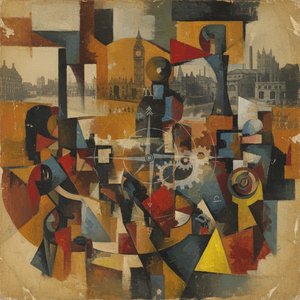
David Bomberg: Reassessing the Pioneering Spirit of Early British Abstraction
Explore the groundbreaking work of David Bomberg, a pivotal figure in British abstraction. Discover his artistic evolution, influences, and lasting legacy through insightful analysis & expert commentary.

Os 10 Mestres da Paisagem Romântica: Arte para Inspirar a Sua Casa
Descubra os 10 quadros mais emblemáticos da Paisagem Romântica! Explore a história de Turner, Friedrich e outros mestres. Encontre reproduções de arte exclusivas para inspirar sua decoração em OriginalUniqueArt.com.


