A Infância de Claude Monet
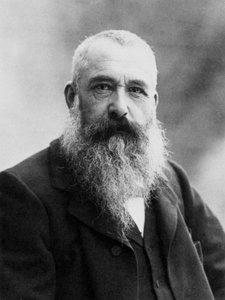
Para compreender a mecânica da percepção moderna, é necessário mergulhar nas origens específicas e, muitas vezes, turbulentas de Claude Monet. Nascido em 14 de novembro de 1840, em Paris, França, ele era o segundo filho de Claude-Adolphe Monet e Louise-Justine Aubrée Monet. Sua chegada ao mundo foi marcada por um batismo formal em 20 de maio de 1841, na Notre-Dame-de-Lorette, em Paris, onde foi registrado sob o nome de Oscar-Claude. No entanto, essa existência parisiense inicial foi breve; já em 1845, a família havia se mudado para Le Havre, na Normandia, um movimento que transportou seu ambiente do centro urbano para a atmosfera salgada e enevoada do litoral.
A estabilidade de sua juventude foi fragmentada pela perda pessoal. Em janeiro de 1857, quando tinha apenas dezesseis anos, sua mãe faleceu, um evento que lhe retirou uma das principais fontes de apoio durante seus anos formativos. Embora seu pai tivesse inicialmente a intenção de que ele ingressasse no mundo do comércio, a trajetória de sua vida já se movia em direção a uma preocupação diferente e muito mais visual. A transição da vida estruturada de um lar parisiense para os elementos imprevisíveis da Normandia forneceu os dados ambientais brutos que, eventualmente, definiriam toda a sua abordagem em relação à luz e à atmosfera.
Formação Artística e Primeiras Influências
A base técnica de Claude Monet foi construída sobre uma série de lições práticas e despojadas, que priorizavam a observação direta em detrimento da teoria acadêmica. Sua educação formal teve início quando ingressou na escola secundária de artes de Le Havre, em 1º de abril de 1851. Antes de mergulhar no ambiente estruturado da escola, ele recebeu suas primeiras lições de desenho com Jacques-François Ochard. Esses exercícios iniciais conferiram a destreza básica necessária para uma carreira profissional, mas foram apenas o ponto de partida para uma abordagem muito mais radical em relação ao meio artístico.
A verdadeira mudança ocorreu por meio de seu contato com Eugène Boudin. Boudin fez muito mais do que ensiná-lo a manusear as tintas a óleo; ele introduziu o conceito de pintar en plein air. Essa insistência em trabalhar ao ar livre, enfrentando os elementos da natureza, despojou a arte da segurança do estúdio. Quando Claude Monet se mudou para Paris e estudou sob a tutela de Charles Gleyre, em 1862, sua trajetória já estava traçada em direção ao imediato e ao perceptivo. No ateliê de Gleyre, ele não era um aluno isolado, mas parte de um grupo específico de pintores, que incluía colegas como Auguste Renoir e Frédéric Bazille. Essas associações não eram meramente sociais; elas foram o cadinho para uma nova forma de enxergar, que rejeitava os ambientes escuros e controlados do Salão tradicional.
A Rebelião do Impressionismo
O establishment artístico do século XIX apoiava-se nas restrições rígidas e sombrias do Salão Acadêmico, mas Claude Monet escolheu um caminho distinto. Em 1874, ele uniu-se a um grupo de artistas para organizar uma exposição independente, um desafio direto aos padrões conservadores da época. Não se tratava de um mero desacordo sobre técnica; era uma ruptura fundamental com a tradição. Ao buscar registrar o mundo tal como era realmente percebido pelo olhar, ele tornou-se um precursor essencial do modernismo. Monet afastou-se do realismo fotográfico e polido exigido pelas academias para focar na sensação subjetiva de uma cena.
O movimento acabou por extrair seu nome de uma única obra: Impression, Sunrise. Originalmente, o termo "Impressionismo" foi concebido como uma zombaria por parte de críticos que viam suas pinceladas soltas e sua aparência inacabada com escárnio. Claude Monet não lutou contra o rótulo. Pelo contrário, ele o abraçou, utilizando o conceito para definir um estilo centrado no momento fugaz e transitório. Ele substituiu os tradicionais fundos escuros por primários de cores claras, permitindo que a luz ditasse a composição, em vez de uma perspectiva linear rigorosa.
- Impression, Sunrise (1873)
A Vida em Argenteuil e Vétheuil
O período entre 1871 e 1878 em Argenteuil foi uma era de observação intensa. Vivendo às margens do Sena, Claude Monet voltou seu olhar para o doméstico e o imediato. Esta fase deu origem a obras como The Promenade at Argenteuil, Soleil Couchant (1874), que capturou a luz singular de um pôr do sol. Sua vida naquele local era definida pela presença de sua esposa, Camille, e de seu filho, Jean. Essa estabilidade ofereceu o alicerce necessário para seus experimentos com luz e cor, antes que as pressões sociais do movimento impressionista se intensificassem.
Contudo, a tragédia interrompeu esse ritmo. Após a morte de Camille em 1879, Claude Monet mudou-se para Vétheuil, onde permaneceu até 1881. Esta transição marcou uma mudança profunda em sua trajetória pessoal e profissional. A perda de sua esposa coincidiu com um período de transformações significativas em sua vida doméstica e em sua abordagem à paisagem. Ele seguiu para Poissy, onde residiu de 1881 até 1883. Estes anos não foram meramente de transição; foram fundamentais para um artista que refinava sua habilidade de traduzir a percepção sensorial em tinta.
O Santuário de Giverny
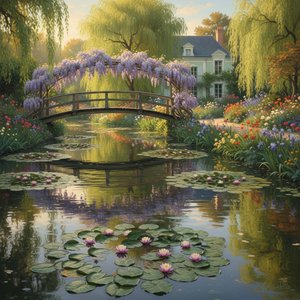
A mudança de Claude Monet para Giverny, em 1883, marcou uma transição profunda: de um observador da natureza para um construtor ativo dela. Ele dedicou os 43 anos seguintes a transformar essa propriedade em um ambiente controlado, meticulosamente desenhado para o estudo visual. Não se tratava de um simples jardinagem; ele projetou uma paisagem elaborada, composta por um lago de nenúfares e uma ponte japonesa. Ao manipular o terreno, Claude Monet criou um laboratório vivo, onde a luz e a água interagiam sob seus próprios termos. Ele deixou de ser apenas um espectador da paisagem para tornar-se seu arquiteto.
O foco de seus anos tardios concentrou-se inteiramente neste ecossistema aquático. Durante os últimos 31 anos de sua vida, o lago de nenúfares tornou-se seu tema primordial. Ele utilizou o jardim para documentar a maneira como a luz dissolvia as formas e como as sombras deslizavam pela superfície. Este período de observação intensa resultou em uma produção massiva de telas que despojaram a arte da perspectiva tradicional. Sua obra desta era permanece como um registro direto de sua obsessão pelas qualidades efêmeras de sua própria criação.
Técnica e Estilo Artístico
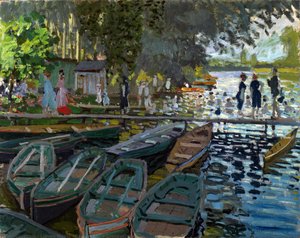
A abordagem de Claude Monet em relação à tela era uma rejeição deliberada dos ambientes escuros e controlados do estúdio tradicional. Ele priorizava a pintura en plein air, levando seu cavalete diretamente para o confronto com os elementos imprevisíveis da natureza, buscando capturar a luz em seu funcionamento real e imediato. Esse compromisso com a instantaneidade exigia um vocabulário técnico muito específico: ele utilizava pinceladas rápidas e visíveis, empregando um método de cor fragmentada, onde pigmentos não misturados eram aplicados lado a lado. Esse recurso forçava o olho do espectador a realizar a mistura óptica, criando uma verdade visual que uma superfície lisa e perfeitamente mesclada jamais poderia alcançar. Ao abandonar os fundos pesados e escuros favorecidos pela Academia, ele optou por bases de cores claras, que maximizavam a luminosidade vibrante de sua paleta.
Suas composições frequentemente descartavam a segurança da perspectiva linear. Em vez disso, ele favorecia arranjos assimétricos, uma escolha estrutural profundamente influenciada pelos planos achatados das gravuras japonesas em blocos de madeira. Essa mudança afastou sua obra da modelagem tridimensional tradicional, conduzindo-a para uma experiência sensorial mais direta do objeto. Monet parecia menos interessado na forma sólida de um objeto e mais focado em como a luz solar e a atmosfera dissolviam essas formas em cores mutáveis. Seu método era uma tentativa calculada de registrar a sensação subjetiva de uma cena, em vez de buscar uma semelhança fotográfica.
A Monumental Série dos Nenúfares
As últimas décadas da vida de Claude Monet foram consumidas por um foco singular e obsessivo: o lago de nenúfares em sua casa em Giverny. Este não era um tema casual. Ele produziu aproximadamente 250 pinturas a óleo dessas flores, uma produção massiva que definiu sua fase tardia de criação artística. A série afastou-se das estruturas tradicionais da paisagem, concentrando-se, em vez disso, na superfície imediata e mutável da água. Este período de trabalho foi complicado pelo seu declínio físico, já que muitas dessas telas foram pintadas enquanto ele lutava contra as cataratas. Essa deficiência visual provavelmente influenciou a abstração e a ênfase profunda na cor e na luz que caracterizam a série.
A escala e a repetição das obras revelam um compromisso em documentar as qualidades específicas e transitórias de seu jardim. Ele não apenas pintou um lago; ele registrou a maneira como a luz e a atmosfera interagiam com a água ao longo do tempo. A coleção resultante é um corpo de trabalho massivo e coeso que prioriza a experiência sensorial do ambiente em detrimento de contornos claros e definidos. Este foi o seu esforço mais sustentado, uma tentativa implacável de capturar a essência de um único e mutável tema através do puro volume e da repetição.
Legado e Influência Moderna
Claude Monet alterou fundamentalmente a trajetória da arte moderna. Ele é um precursor essencial do modernismo, tendo deslocado o foco da pintura da representação de objetos sólidos para o registro da percepção visual. Essa mudança forçou um afastamento das restrições rígidas e sombrias da tradição acadêmica. Sua insistência em capturar a sensação subjetiva de uma cena transformou a maneira como os artistas abordavam a tela. Ele não apenas pintava paisagens; ele documentava a forma como a luz e a atmosfera dissolvem a matéria.
Sua popularidade e fama ascenderam durante a segunda metade do século XX. Esse ressurgimento consolidou sua posição como uma influência primordial para muitas gerações de artistas. Seu método de utilizar cores não misturadas e pinceladas fragmentadas proporcionou uma nova linguagem visual que caminhava em direção a um estado quase abstrato. Essa evolução é mais evidente em suas obras tardias, onde a linha do horizonte desaparece e o espectador é imerso em cores mutáveis. Sua habilidade de traduzir a natureza transitória da luz em um meio permanente permanece como um ponto central de estudo para aqueles que examinam as raízes do pensamento visual moderno.
Onde Contemplar Suas Obras Hoje
Para testemunhar a realidade física do seu impacto artístico, é preciso viajar até Paris. O Musée Marmottan Monet abriga a maior coleção de suas pinturas no mundo, proporcionando um olhar concentrado sobre sua evolução estética. Próximo dali, o Musée d'Orsay contém 45 de suas obras, oferecendo uma densidade significativa de sua produção dentro de uma única instituição. Essas coleções permitem uma comparação direta de como o seu tratamento da luz se transformou ao longo das décadas.
O alcance de sua influência estende-se muito além das fronteiras da França. Nos Estados Unidos, o Metropolitan Museum of Art, em Nova York, detém 25 de suas obras, enquanto o Art Institute of Chicago mantém 17. Esse acervo garante que sua linguagem visual permaneça acessível a um público global. Ver essas telas pessoalmente revela a textura real de sua pincelada, que muitas vezes apresenta nuances distintas sob a iluminação de um museu em comparação com as reproduções digitais.
- Impression, Sunrise (1873)
- The Walk. Lady with a Parasol (1875)
- The Japanese Bridge (1918)

 Alternar para Impressão
 Ler mais







































 Para obras de arte ou reproduções com mais de 105 cm (aproximadamente 41 polegadas) em qualquer um dos lados, a moldura será enviada como um kit desmontado. Este método garante uma entrega segura e evita danos durante o transporte.


 Visualizar na parede
 Compartilhar
 Compartilhar
 Detalhes
 Guia
Guia

 Baixar imagem
 Semelhantes
 Raio X
 Ver diaporama
 Perguntas e Respostas
 Estatísticas