Rococo · 1736
Bear Hunt (Charles André van Loo, 1736)
Charles André van Loo (1705–1765) criou Bear Hunt. Data de 1736. Pertence ao movimento Rococo. É feito em Oil On Canvas. Está conservada no Musée de Picardie, em Amiens, França. Mede 184 × 129 cm.
- 1736
- Oil On Canvas
- 184 × 129 cm
- Musée de Picardie, Amiens

 Visualizar na parede

 Pintura a Óleo Feita à Mão
 Compartilhar
 Compartilhar
 Ficha técnica


 Baixar imagem
 Semelhantes
 Raio X
 Ver diaporama
 Perguntas e Respostas

 Estatísticas
Bear Hunt, em resumo
- Título
- Bear Hunt
- Artista
- Charles André van Loo (1705–1765)
- Artista nascido em
- Nice, França
- Data
- 1736
- Técnica
- Oil On Canvas
- Dimensões
- 184 × 129 cm
- Onde ver
- Musée de Picardie, Amiens, França
- Movimento
- Rococo
- Período
- Early Modern
- Tema
- people, bears, dogs, horses, guns, rocks
O que Bear Hunt retrata?
Identification of the Artwork and Artist
The oil on canvas titled Bear Hunt was painted by Charles-André van Loo in 1736. This work emerged from the hand of an artist born in Nice, France, in 1705. He belonged to a successful dynasty of Dutch painters, a lineage of creators who shaped the visual language of their era. His life spanned the decades between his birth and his death in 1765.
Charles-André van Loo brought a specific precision to this scene. The canvas captures a moment of movement within the wilderness. It is a piece from a period of significant activity for the artist. His brushwork defines the tension of the chase. The light falls upon the figures and the animals in the landscape.
The work remains a specific record of a hunt. It carries the weight of the artist's early career. A quiet stillness exists beneath the action of the hunt. The shadows of the trees stretch across the ground.
Visual Composition and Subject Matter
This large oil on canvas captures a moment of sudden movement in the wild. Near a cluster of jagged rocks, the landscape opens into a rugged wilderness. Several men grip guns, their bodies poised for the chase. Dogs weave through the brush, their instincts driving them toward the scent of the prey. Horses stand nearby, silent witnesses to the exertion, ready to carry the hunters across the uneven ground.
The bears are scattered throughout the scene, some looming in the foreground and others fading into the distant greenery. The composition relies on this distribution of weight to create a sense of scale. There is a palpable tension in the air, a rush of adrenaline that defines the hunt. The great outdoors provides a chaotic, unscripted stage for this encounter. The hunt moves with a sudden, sharp energy.
Related Works by the Same Artist
The artist’s hand moved through many realms, from the quietude of a Self Portrait to the grand scale of mythological drama. In Venus and Amor, held at the Kunsthalle Bremen, the brush captures a different kind of grace. He explored the tension of legend in Jupiter and Antiope and rendered the myth of Perseus and Andromeda in multiple versions. These figures exist alongside the courtly presence of the Portrait of Marie Leszczynska, Queen of France. A smaller, focused study of Mademoiselle Clairon as Medea appeared in 1760.
The hunt remains a recurring pulse in his oeuvre. He captured aristocratic leisure in Halt of the Hunt, a work now held at The Metropolitan Museum of Art. This interest in the chase extends to the overdoor paintings created for the petits appartements of Louis XV at Versailles. Such works reflect a life spent navigating the precise requirements of royal patronage and the fluid movement of the Rococo style. The paint dries on the canvas, leaving only the shadow of the chase.
Em qual museu se encontra Bear Hunt?
Musée de Picardie
Amiens, França
Um Santuário do Tempo: A Alma do Musée de Picardie Aninhado no coração histórico de Amiens, na França, o Musée de Picardie ergue-se como um testemunho profundo do diálogo duradouro entre a humanidade e os seus impulsos criativos. Cruzar as suas portas é entrar num reino onde as fronteiras do tempo se dissolvem, tal como a luz que dança através dos seus salões grandiosos e arejados. A própria estrutura do museu, uma obra-prima da era do Segundo Império, concebida pelos arquitetos Henri Parent e Arthur-Stanislas Diet, serve como um narrador silencioso da ascensão cultural da França.


Imagens em alta resolução de Bear Hunt
Charles André van Loo, Bear Hunt (1736), Musée de Picardie. Domínio público.
Perguntas sobre Bear Hunt respondidas
Em qual museu se encontra a obra original de "Bear Hunt"?
A obra original "Bear Hunt" pode ser vista no Musée de Picardie, Amiens, França.
Em que ano foi criado "Bear Hunt", de Charles André van Loo?
"Bear Hunt", de Charles André van Loo foi criado em 1736.
Qual técnica foi utilizada em "Bear Hunt", de Charles André van Loo?
"Bear Hunt" é executada em Oil On Canvas.
Quais são as dimensões de "Bear Hunt", de Charles André van Loo na vida real?
A obra original "Bear Hunt", de Charles André van Loo mede 184 x 129 cm.
O que "Bear Hunt", de Charles André van Loo retrata?
Os temas de "Bear Hunt" são people, bears, dogs, horses, guns, rocks, wilderness.
"Bear Hunt", de Charles André van Loo está em domínio público?
Informação de direitos autorais para "Bear Hunt", de Charles André van Loo: a obra está em em domínio público — seus direitos autorais expiraram. Isso determina se reproduções da imagem podem ser feitas livremente.
Quem criou "Bear Hunt"?
"Bear Hunt" é atribuída a Charles André van Loo.
A qual movimento artístico pertence "Bear Hunt", de Charles André van Loo?
O movimento associado a "Bear Hunt", de Charles André van Loo é Rococo. Esta classificação situa a obra entre artistas e obras de arte relacionados.
A que fase da trajetória de Charles André van Loo "Bear Hunt" pertence?
"Bear Hunt" pertence ao Mature Period da carreira de Charles André van Loo. Esta classificação relaciona a obra ao desenvolvimento do artista.
Sobre o artista, Charles André van Loo
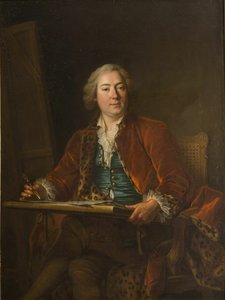
1705–1765, França
Charles André van Loo
Primeira Vida e Formação Nascimento: 15 de fevereiro de 1705, em Nice, França Origem Familiar: Filho de Louis-Abraham van Loo e irmão mais novo de Jean-Baptiste van Loo. Membro de uma bem-sucedida dinastia de pintores holandeses. Educação Inicial: Formação inicial em Turim, seguida por estudos em Roma (1712) sob a tutela de Benedetto Luti e Pierre Legros. Estudos Parisienses: Frequentou a Académie royale, conquistando o primeiro prêmio de desenho em 1723 e de pintura histórica em 1727.
Sobre Charles André van Loo Obras notáveis de Charles André van Loo
Também de Charles André van Loo
 Spanish Concert (Spanish Сonversation)1754
 Aeneas Carrying Anchises1729
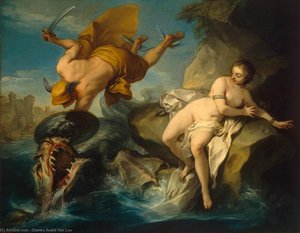 Perseus and Andromeda1735
 The sultana1747
Ensaios sobre Bear Hunt
 Charles-André van Loo: A Study in Rococo Portraiture & the French Court's Artistic DynamicsExplore the elegant world of Charles-André van Loo, a master of Rococo portraiture at the French court. Discover his life, techniques, and …
 16th century Flemish paintersMasterpieces by Bruegel and Jan Brueghel define 16th century Flemish art. Explore the full collection online at OriginalUniqueArt.com.
 17th century Flemish paintersMasterpieces by Van Dyck and Teniers define Flemish Baroque. Explore museum-quality reproductions on OriginalUniqueArt.com.