Rococo Style · 1735
Perseus and Andromeda (Charles André van Loo, 1735)
Charles André van Loo (1705–1765) criou Perseus and Andromeda. Data de 1735. Pertence ao movimento Rococo Style. É feito em Oil On Canvas. Está conservada no Museu Hermitage, em São Petersburgo, Rússia. Mede 73 × 92 cm.
- 1735
- Oil On Canvas
- 73 × 92 cm
- Museu Hermitage, São Petersburgo

 Visualizar na parede

 Pintura a Óleo Feita à Mão
 Compartilhar
 Compartilhar
 Ficha técnica


 Baixar imagem
 Semelhantes
 Raio X
 Ver diaporama
 Perguntas e Respostas

 Estatísticas
Perseus and Andromeda, em resumo
- Título
- Perseus and Andromeda
- Artista
- Charles André van Loo (1705–1765)
- Artista nascido em
- Nice, França
- Data
- 1735
- Técnica
- Oil On Canvas
- Dimensões
- 73 × 92 cm
- Onde ver
- Museu Hermitage, São Petersburgo, Rússia
- Movimento
- Rococo Style
- Período
- Early Modern
- Tema
- mythology, heroism, mythology narrative, sea monster, perseus, andromeda
O que Perseus and Andromeda retrata?
A Struggle Amidst the Waves
The air feels heavy with the salt of the sea and the tension of a life hanging in the balance. Perseus moves with a sudden, decisive energy, his sword poised to strike as he confronts the terror of the Gorgon's legacy. Below him, the massive, lifeless form of the sea monster lies slumped, its struggle ended, while Andromeda remains a vision of vulnerability. She rests near the creature, her hands pressed to her head in a gesture of profound distress, her jewelry catching the light amidst the chaos of the rescue. The scene pulses with the immediate drama of a hero's arrival, capturing the exact moment where salvation meets certain peril.
The Language of Rococo Elegance
The composition flows with a grace that defies the violence of the subject matter. Rather than focusing on raw, gritty realism, the brushwork emphasizes a certain decorative fluidity. The palette relies on soft, luminous tones that transform a scene of death and rescue into something ethereal.- The use of delicate blue and gold hues to create an atmosphere of aristocratic refinement.
- Meticulous layering of glazes that lends a textural richness to the drapery and skin.
- A focus on rhythmic movement through the subtle folds of fabric and the curves of the bodies.
- The interplay of light and shadow to heighten the sense of divine intervention.
Symbolism and the Royal Court
This work emerges from the opulent atmosphere of Louis XV’s reign, reflecting a period fascinated by the ideals of classical mythology. Perseus represents more than a mere warrior; he embodies the triumph of intellect and courage over overwhelming obstacles. Andromeda, in her innocence, reflects the virtues of grace and the necessity of divine protection. During this era, such mythological narratives functioned as visual celebrations of authority and the heroic spirit. The painting carries the weight of the French court's aesthetic, where beauty and moral allegory are woven into every brushstroke, turning a myth into a statement of cultural sophistication.
Em qual museu se encontra Perseus and Andromeda?
Museu Hermitage
São Petersburgo, Rússia
Origens e História do Museu Hermitage A trajetória do Museu Hermitage remonta ao ano de 1764, tendo sua fundação enraizada na aquisição de uma coleção de 225 pinturas do mercador berlinense Johann Ernst Gotzkowsky. Foi a imperatriz Catarina, a Grande, quem deu o pontapé inicial a esta coleção, consolidando a presença do museu em São Petersburgo, na Rússia. Estas aquisições primordiais constituíram o núcleo do que viria a ser um vasto e inestimável repositório de arte europeia ocidental.


Imagens em alta resolução de Perseus and Andromeda

Charles André van Loo, Perseus and Andromeda (1735), Museu Hermitage. Domínio público.
Perguntas sobre Perseus and Andromeda respondidas
Em qual museu se encontra a obra original de "Perseus and Andromeda"?
"Perseus and Andromeda", de Charles André van Loo está em exibição no Museu Hermitage, São Petersburgo, Rússia. A referência ao museu diz respeito à obra original, não a reproduções.
Em que ano foi criada a obra "Perseus and Andromeda", de Charles André van Loo?
"Perseus and Andromeda", de Charles André van Loo foi criado em 1735.
Qual técnica foi utilizada em "Perseus and Andromeda", de Charles André van Loo?
A técnica de "Perseus and Andromeda", de Charles André van Loo é Oil On Canvas. As reproduções visam reproduzir a aparência desta técnica.
Quais são as dimensões da obra original "Perseus and Andromeda", de Charles André van Loo?
A obra original "Perseus and Andromeda", de Charles André van Loo mede 73 x 92 cm.
O que representa "Perseus and Andromeda"?
Os temas presentes em "Perseus and Andromeda", de Charles André van Loo incluem mythology, heroism, mythology narrative, sea monster, perseus, andromeda, classical art. Juntos, eles sintetizam o assunto da obra.
A imagem de "Perseus and Andromeda", de Charles André van Loo pode ser reproduzida livremente?
Quanto aos direitos autorais, "Perseus and Andromeda" está em em domínio público — seus direitos autorais expiraram.
A qual artista "Perseus and Andromeda" é atribuída?
"Perseus and Andromeda" é atribuída a Charles André van Loo.
A qual movimento artístico "Perseus and Andromeda", de Charles André van Loo pertence?
"Perseus and Andromeda" é uma obra do Rococo Style. O movimento indica a tradição artística da qual a obra faz parte.
A que fase da trajetória de Charles André van Loo "Perseus and Andromeda" pertence?
Dentro da trajetória de Charles André van Loo, "Perseus and Andromeda" pertence ao período Mature Period. Esta fase permite compará-la com outras obras do artista.
Sobre o artista, Charles André van Loo
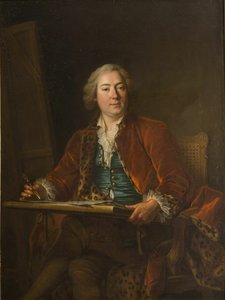
1705–1765, França
Charles André van Loo
Primeira Vida e Formação Nascimento: 15 de fevereiro de 1705, em Nice, França Origem Familiar: Filho de Louis-Abraham van Loo e irmão mais novo de Jean-Baptiste van Loo. Membro de uma bem-sucedida dinastia de pintores holandeses. Educação Inicial: Formação inicial em Turim, seguida por estudos em Roma (1712) sob a tutela de Benedetto Luti e Pierre Legros. Estudos Parisienses: Frequentou a Académie royale, conquistando o primeiro prêmio de desenho em 1723 e de pintura histórica em 1727.
Sobre Charles André van Loo Obras notáveis de Charles André van Loo
Também de Charles André van Loo
 Spanish Concert (Spanish Сonversation)1754
 Aeneas Carrying Anchises1729
 The sultana1747
 Jerusalem Delivered Tancredi Fighting Clorinda1733

Ensaios sobre Perseus and Andromeda
 Captured Courage: A Study of Dramatic Artworks Depicting Heroic Rescues and Human ResilienceExplore the powerful history of heroic rescue art from Cellini to Géricault. Discover tales of human resilience through masterworks.
 Charles-André van Loo: A Study in Rococo Portraiture & the French Court's Artistic DynamicsExplore the elegant world of Charles-André van Loo, a master of Rococo portraiture at the French court. Discover his life, techniques, and …
 25 Masterpieces by Jean-Antoine Watteau: The Essence of Rococo EleganceExplore 25 iconic Rococo masterpieces by Jean-Antoine Watteau. Discover the full collection online at OriginalUniqueArt.com.