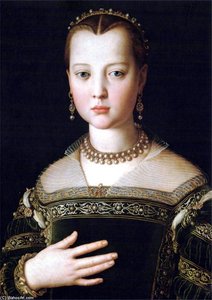
Visualizar em escala
 Enviar
 Compartilhar
 Ver detalhes
 Guia de Obras do Aluno

 Baixar imagem
 Semelhantes
 Raio X
 Apresentação de slides
 Estatísticas
Pieta
 Óleo sobre tela
- Arte de Parede
- Renaissance Mannerism
 1530
1530 105.0 x 100.0 cm
 Galleria degli Uffizi
 Ver mais
Reprodução em Óleo Feita à Mão
Óleo sobre tela pintado à mão no tamanho e moldura de sua escolha, feito sob encomenda pelos nossos artistas. ( Alternar para Impressão Ver Imagem Digital)




P118B €10

P118H €10

P118W €10

P438Z €10

P508JH €12

P508YH €12

P805H €10

P805Z €10

P919BZ €10

P919G €10

P919XJ €10

P959ZH €10

P968JZ €12

W106C €8

W218G €10

W218JH €8

W218Y €10

W307PJ €10

W316G €10

W316PJ €8

W316Y €10

W398PJ €8

W4111J €10

W500HY €15

W500JH €15

W692G €12

W849H €8

W940BG €15

W953PJ €8




Escolha entre os nossos tamanhos pré-definidos que respeitam as proporções originais da obra de arte.

Digite a largura e a altura de que necessita, para se ajustar à sua moldura ou à sua parede. Esta obra é pintada à mão, por isso, para um tamanho com uma proporção diferente, o artista pode pintar um pouco mais ao redor da imagem ou cortar um pouco — você escolhe. Enviamos-lhe uma maquete digital para aprovação antes de a pintura começar. A imagem exibida nesta página não mostra o resultado real — apenas a maquete mostra.
Após o pedido, a equipa OriginalUniqueArt.com enviará um e-mail ao cliente para solicitar instruções e fornecer uma prévia do esboço.
Entrega mundial () em 3 a 4 semanas, em vez das 5 semanas padrão. (22 Outubro). Sem comprometer a qualidade.

Envio expresso gratuito para todo o mundo

Tela de Linho Premium

Seguro de transporte total

Garantia de Reembolso de Impostos Alfandegários

Garantia de Fidelidade de Cor

Política de Devolução em 100 Dias (Apenas para Defeitos)

Garantia de reembolso de 100%

Desconto para múltiplas unidades
 A opção de vidro está disponível apenas para tamanhos inferiores a 110 cm

Pieta
Técnica de Reprodução
Dimensões da Reprodução
-


Preço Total
€ 306
Pieta: A Florentine Meditation on Grief
Agnolo Bronzino’s “Pieta,” completed around 1530, stands as an emblem of Renaissance artistic refinement and profound spiritual contemplation—a testament to the enduring power of grief rendered with breathtaking precision. Executed in oil paint on canvas, this monumental artwork captures a scene from Christian iconography: Mary Magdalene, Mary (the Virgin Mother), and possibly John the Apostle kneeling before the lifeless body of Jesus Christ. More than just a depiction of sorrow, it’s an exploration of faith, compassion, and the sublime beauty found within suffering—themes central to the humanist ideals that flourished in Florence during Bronzino's lifetime.A Style Defined by Restraint and Detail
Bronzino’s artistic vision firmly rooted itself in Mannerism, a stylistic movement reacting against the exuberant dynamism of High Renaissance art. Unlike Michelangelo’s emotionally charged sculptures or Leonardo da Vinci’s masterful sfumato technique, Bronzino favored a cool composure and meticulous observation—a deliberate antithesis to expressive gestures. This approach is evident in the painting's smooth surfaces, subtly modulated tones, and exquisitely rendered drapery folds that convey an illusion of depth without resorting to dramatic perspective shifts. The artist skillfully employs lines to delineate forms with remarkable accuracy, prioritizing clarity and elegance over flamboyant ornamentation.Technique and Materials: Mastering Oil Paint
The artwork’s execution showcases Bronzino's mastery of oil painting—a technique favored by Renaissance artists for its ability to achieve luminous colors and subtle gradations of tone. Pigments mixed with linseed oil were painstakingly applied to the canvas, resulting in a velvety texture that captures the nuances of light and shadow. This meticulous attention to detail extends beyond mere visual representation; it speaks to Bronzino’s profound understanding of anatomy and drapery—skills honed through extensive studies under influential masters like Andrea del Sarto. The careful layering of paint creates an atmosphere of solemn beauty, mirroring the spiritual seriousness of the subject matter.Symbolism: Grief Embodied in Sacred Form
“Pieta” is laden with symbolic significance—a visual language designed to communicate theological concepts beyond mere depiction. The draped cloth symbolizes burial and represents Mary’s acceptance of Christ's sacrifice for humanity. The expressions on the faces of the mourners convey palpable grief, reflecting the universal human experience of loss and sorrow. Furthermore, Mary’s halo signifies her holiness and divine grace—a reminder of her role as Mother of God and exemplar of compassion. These elements coalesce into a powerful meditation on faith and mourning, elevating the artwork beyond its formal beauty to achieve a deeper spiritual resonance.A Legacy Enduring Through Reproduction
Today, OriginalUniqueArt offers exceptional reproductions of Agnolo Bronzino’s “Pieta,” allowing art enthusiasts worldwide to experience the grandeur and emotional depth of this iconic Renaissance masterpiece. Crafted with archival pigments and printed on premium canvas—a faithful reflection of Bronzino's original technique—these reproductions capture not only the visual splendor but also the artistic spirit that defines this timeless work of art. Bring home a piece of Florentine history and contemplate the enduring beauty of grief transformed into sublime devotion.Perguntas e Respostas
Onde "Pieta" se posiciona entre os temas recorrentes de Agnolo Bronzino?
Entre os temas registrados de Agnolo Bronzino — michelangelo’s anatomical precision, religious grief & devotion, medici patronage influence, elegant composition style, symbolic renaissance legacy — "Pieta" traz seu próprio foco em pieta, mary magdalene, christ lamentation, renaissance art, religious iconography, classical sculpture, florence painting.
Quem criou "Pieta"?
O artista por trás de "Pieta" é Agnolo Bronzino. A obra está catalogada sob o nome de Agnolo Bronzino.
Posso ver "Pieta" como um slideshow em tela cheia?
Um slideshow está disponível: a página Apresentação de slides de "Pieta" de Agnolo Bronzino.
Biografia do Artista
Agnolo Bronzino: The Sculptor's Touch in Florentine Portraiture
Agnolo di Cosimo, known to history as Bronzino, emerged from the vibrant artistic landscape of Renaissance Florence in 1503, a period already brimming with genius. Born the son of a butcher, his path diverged sharply from familial trade, guided instead by an innate talent that would see him become one of the most sought-after portraitists of his era and a defining figure of Mannerism. His early training began with Raffaellino del Garbo, but it was under the tutelage of Jacopo da Pontormo that Bronzino’s artistic sensibilities truly took shape. While absorbing Pontormo's innovative style—characterized by expressive emotion and dynamic composition—he ultimately forged his own distinct voice—one characterized by a cool composure and refined detail markedly different from his teacher’s often emotionally charged works. This early period was also influenced by studies with Andrea del Sarto, exposing him to the legacies of Michelangelo and Leonardo da Vinci, foundational influences that would subtly permeate his mature style. The young Bronzino quickly demonstrated an aptitude for capturing not just physical likeness but a certain psychological depth, even in his earliest commissions.Early Influences and Artistic Formation
Bronzino’s formative years were marked by exposure to the artistic currents of Florence under Pontormo and Sarto. Pontormo's embrace of expressive distortion—a technique that would become synonymous with Mannerism—challenged the prevailing ideals of naturalistic representation, pushing artists to explore new visual languages. Bronzino absorbed this stylistic boldness, adapting it to his own distinctive style while simultaneously grounding it in the anatomical precision championed by Michelangelo and Leonardo da Vinci. This dual influence shaped his artistic vision—a commitment to both intellectual rigor and emotional restraint—principles that would underpin his entire oeuvre. His early portraits showcased a remarkable sensitivity to gesture and posture, conveying subtle nuances of emotion without resorting to overt sentimentality. These formative experiences instilled in him a profound understanding of artistic technique and conceptual innovation—qualities that would prove crucial to his subsequent success as a court painter and Mannerist master.The Medici Patronage and Florentine Artistic Zenith
Bronzino’s career ascended dramatically with the patronage of Cosimo I de’ Medici, Duke of Tuscany. Recognizing Bronzino's exceptional talent, Cosimo appointed him official court painter—a position he held until his death in 1572—solidifying his influence within Florentine artistic circles and securing commissions that would propel him to international renown. This relationship fostered an environment conducive to experimentation and innovation, allowing Bronzino to explore ambitious projects—including the lavish decorations celebrating Cosimo’s wedding to Eleonora di Toledo in 1539—that reflected the grandeur and sophistication of the Medici court. The portraits emanating from this period are not merely likenesses; they are carefully constructed statements of power, status, and dynastic ambition. Cosimo and Eleonora themselves became frequent subjects, immortalized in paintings that exude an aristocratic aloofness and polished elegance. These works weren’t simply about capturing physical resemblance but crafting enduring symbols of Medici authority—a testament to Bronzino's ability to translate political aspirations into visual masterpieces.The Mannerist Style: Precision and Psychological Depth
Bronzino’s artistic style is quintessentially Mannerist—a movement that flourished in Italy during the mid-16th century as a reaction against the High Renaissance's emphasis on naturalism and harmonious balance. He embraced elongated forms, stylized poses, and an often cool, detached emotionality. His figures are rarely caught in moments of spontaneous action; instead, they appear carefully posed, almost sculptural in their stillness. This stylistic choice—a deliberate departure from the idealized beauty of earlier Renaissance art—reflected a broader intellectual preoccupation with philosophical concepts such as illusion and artificiality. Bronzino’s meticulous attention to detail—the textures of fabrics, the gleam of jewels, the subtle nuances of expression—all rendered with an almost enamel-like precision—served to heighten the sense of visual drama and psychological complexity. He wasn't interested in simply replicating reality; he sought to elevate it through artifice and stylistic control. As a result, Bronzino’s portraits stand apart from their contemporaries, embodying a distinctive aesthetic that continues to fascinate scholars and viewers alike.Legacy and Enduring Influence
Bronzino’s legacy extends far beyond his individual artworks—he established the Accademia delle Arti del Disegno in 1563, fostering artistic excellence and shaping the intellectual landscape of Florence. His influence permeated European court portraiture for decades after his death, establishing Mannerist principles as benchmarks of aristocratic representation. Bronzino's ability to convey psychological depth within a framework of formal elegance—a hallmark of his style—continues to inspire artists today. He remains one of the most celebrated figures of Florentine Mannerism—a testament to his unwavering dedication to artistic innovation and his enduring contribution to the history of art. His portraits are treasured for their exquisite craftsmanship and profound insight into human character—works that transcend time and continue to captivate audiences worldwide.- Born: Florence, Italy, 1503
- Died: Florence, Italy, 1572
- Key Movement: Mannerism
- Notable Works: *Venus, Cupid, Folly & Time*, Portraits of Cosimo I de’ Medici and Eleonora di Toledo

Agnolo Bronzino
1503 - 1572 , Itália
Informações Rápidas
- Artistic Movement Or Style: Mannerism
- Artists Who Influenced This Artist:
- Pontormo
- Michelangelo
- Leonardo da Vinci
- Date Of Birth: 17 Nov. 1503
- Date Of Death: 23 Nov. 1572
- Full Name: Agnolo di Cosimo
- Nationality: Italian
- Notable Artworks:
- Venus, Cupid, Folly & Time
- Ugolino Martelli
- Place Of Birth: Monticelli, nr. Florence
Artigos Relacionados
Illuminating Belief: Faith & Symbolism Across Art History's Canvas
Explore the rich history of faith through art! Discover religious symbolism, Renaissance masterpieces & iconic artists. Expert analysis for collectors & enthusiasts. Learn more at OriginalUniqueArt.
Sacred Narratives Embodied: A Comprehensive Exploration of Religious Iconography in Art History
Explore the rich history of religious iconography in art! Discover symbolism, movements & masterpieces from Byzantine to Renaissance periods. Expert insights for collectors and enthusiasts at OriginalUniqueArt.

Echoes of Faith: Devotion as Central Theme in Western Art History
Explore the rich history of religious art with OriginalUniqueArt.com! Discover iconic artworks, symbolism & techniques from antiquity to the Renaissance. Enhance your art appreciation today.
Agnolo Bronzino: Mastering Courtly Portraiture & the Enigmatic Gaze of Renaissance Florence
Explore the captivating world of Agnolo Bronzino, Renaissance master portraitist. Discover his elegant style, symbolic depth & lasting influence on art history. Expert insights for collectors.
Divine Masterpieces: A Curated Guide to the Spiritual Power and Iconography of Sacred Art
Explore the profound beauty of iconic religious artworks. From Renaissance masterpieces to sacred iconography, our expert guide delves into the spiritual power, symbolism, and enduring legacy of history's most divine paintings for the true art enthusiast.