

 Visualizar em escala
 Enviar
 Compartilhar
 Ver detalhes

 Baixar imagem
 Semelhantes
 Raio X
 Apresentação de slides
 Estatísticas
The temple entrance
 Oil On Canvas
- WallArt
- Dutch Baroque
 1679
1679- Early Modern
 71.0 x 91.0 cm
 Royal Picture Gallery Mauritshuis
 Ver mais
Giclée / Impressão de Arte
Impressão giclée ou em tela de qualidade de museu, com produção rápida e opções flexíveis de acabamento. ( Encomendar reprodução pintada à mão Ver Imagem Digital)




P118B $10

P118H $10

P118W $10

P438Z $10

P508JH $12

P508YH $12

P805H $10

P805Z $10

P919BZ $10

P919G $10

P919XJ $10

P959ZH $10

P968JZ $12

W106C $8

W218G $10

W218JH $8

W218Y $10

W307PJ $10

W316G $10

W316PJ $8

W316Y $10

W398PJ $8

W4111J $10

W500HY $15

W500JH $15

W692G $12

W849H $8

W940BG $15

W953PJ $8




Escolha entre os nossos tamanhos pré-definidos que respeitam as proporções originais da obra de arte.

Você pode inserir suas próprias dimensões para se ajustar a uma moldura ou espaço específico. Se o tamanho selecionado não corresponder às proporções da imagem original, iremos recortar a obra de arte ou estender a imagem com uma borda espelhada ou preenchimento sólido. Um mockup digital será enviado para sua aprovação antes do início da produção.
Por favor, observe que a visualização na tela não reflete o recorte ou a extensão real. Apenas o mockup mostrará com precisão a composição final.
Embora tamanhos personalizados estejam disponíveis, recomendamos selecionar uma dimensão da lista predefinida para preservar as proporções originais.
Entrega mundial () em 2 semanas, em vez das 4/5 semanas padrão. (20 Setembro)

Envio expresso gratuito para todo o mundo

Tela de Linho Premium

Seguro de transporte total

Garantia de Reembolso de Impostos Alfandegários

Garantia de Fidelidade de Cor

Política de Devolução em 100 Dias (Apenas para Defeitos)

Garantia de reembolso de 100%

Desconto para múltiplas unidades
 A opção de vidro está disponível apenas para tamanhos inferiores a 110 cm

The temple entrance
Giclée / Impressão de Arte
Dimensões da Reprodução
-


Preço Total
$ 80
A Moment Frozen in Time: The Soul of the Temple Entrance
To stand before Aert de Gelder’s “The Temple Entrance” is to step into a world where the boundaries between the physical and the spiritual begin to blur. Painted in 1679, this monumental canvas serves as a profound testament to the enduring legacy of Rembrandt van Rijn. As one of Rembrandt's most devoted pupils, De Gelder did not merely mimic his master; he inhaled the very essence of the Dutch Golden Age’s dramatic spirit. In this work, we encounter a scene that is far more than a mere architectural study. It is a complex tapestry of human emotion and narrative depth, where every shadow seems to whisper a story of devotion, and every light beam illuminates a moment of profound significance.
The composition draws the viewer into a bustling yet solemn gathering at the threshold of a sacred space. A group of figures, draped in rich, textured costumes and evocative headwear, congregates before the imposing stone arches of a temple. There is a palpable sense of ceremony in their assembly, as if they are pilgrims paused at the precip de la spiritualité. The architecture itself, with its heavy, weathered stone surfaces, provides a grounding permanence to the fleeting human drama unfolding before it. Through De Gelder's eyes, the temple entrance becomes a liminal space—a gateway between the mundane world of the street and the divine sanctuary that lies beyond.
The Mastery of Light and Shadow
Technically, “The Temple Entrance” is a masterclass in chiaroscuro, the dramatic interplay of light and dark that defines the late Baroque period. De Gelder employs light not just to illuminate, but to sculpt. The way the light catches the rough grain of the stone and the heavy folds of the men's garments creates a tactile reality that is almost overwhelming. You can almost feel the coolness of the shadows and the warmth of the sun hitting the central figures. This meticulous attention to texture—from the rugged masonry to the soft fabrics—lends the painting an incredible sense of atmosphere, making the scene feel less like a distant historical record and more like a living, breathing moment.
The artist’s brushwork carries a certain rhythmic energy, a characteristic learned in the studios of Amsterdam. While he maintains the psychological realism and emotional gravity of his mentor, De Gelder introduces a unique, expressive quality to his surfaces. This technique allows for a dynamic equilibrium within the composition; while the central group of men anchors the eye, the surrounding shadows create a sense of movement and depth that prevents the scene from feeling static. For the collector or the interior designer, this creates a piece that possesses both a commanding presence and an inviting intimacy.
A Timeless Addition to the Curated Space
Beyond its technical brilliance, the painting resonates with a deep symbolic weight. The temple entrance serves as a metaphor for access—to knowledge, to faith, and to the inner self. This layer of meaning makes the artwork particularly compelling for those who seek pieces that offer intellectual and emotional nourishment. It is a work that invites contemplation, encouraging the viewer to look past the surface and consider the transitions and thresholds within their own lives.
For the discerning decorator or art enthusiast, a high-quality reproduction of “The Temple Entrance” offers an unparalleled opportunity to introduce historical gravity and dramatic flair into a room. Whether placed in a quiet study to inspire deep thought or as a focal point in a grand hall to evoke a sense of classical grandeur, this painting brings with it the prestige of the Dutch masters. It is an investment in atmosphere, a way to anchor a modern interior within the rich, storied traditions of art history, and a permanent invitation to experience a moment of sacred stillness.
Biografia do Artista
O Eco de um Mestre: A Devoção de Aert de Gelder ao Espírito de Rembrandt
Estar diante das obras de Aert de Gelder é encontrar um eco — uma ressonância vibrante e apaixonada de um dos maiores mestres da história. Embora sua jornada terrena tenha sido tragicamente breve, De Gelder esculpiu um nicho significativo nos anais da arte holandesa, eternamente ligado pela devoção ao profundo chiaroscuro e à profundidade emocional de Rembrandt van Rijn. Nascido em Dordrecht por volta de 1645, sua vida parece quase curta demais para abranger uma produção artística tão intensa. No entanto, dentro desses anos fugazes, ele absorveu a própria essência da técnica de um mestre, canalizando-a em um corpo de trabalho que diz muito sobre o drama humano e o fervor espiritual.
Seu treinamento não foi meramente acadêmico; foi uma imersão. Estudar no próprio ateliê de Rembrandt entre 1661 e 1663 colocou-o no epicentro da inovação artística. Este aprendizado provou ser formativo, permitindo-lhe absorver não apenas pinceladas, mas uma filosofia — uma maneira de enxergar o drama inerente tanto nos momentos cotidianos quanto nas narrativas sagradas.
Dominando o Estilo Tardio de Rembrandt
O estilo característico de De Gelder é inseparável do brilho do período tardio de seu mentor. É um estilo caracterizado por uma carga emocional quase palpável. Suas telas não apenas retratam cenas; elas as trazem à vida, atraindo o espectador para momentos de profunda contemplação ou ação intensa. Seja abordando grandes narrativas bíblicas ou estudos íntimos de personagens, o elemento humano permanece primordial.
Considere a amplitude dramática de peças como "O Batismo de Cristo" ou a tensão carregada capturada em "Abimeleque Entregando a Espada de Golias a Davi". Estas obras não são meras ilustrações; são meditações sobre fé e conflito. De Gelder possuía um dom notável para a narrativa visual, utilizando a luz e a sombra — aquela técnica assinatura de Rembrandt — para guiar o olhar e aprofundar a ressonância emocional de cada figura.
Sua retratística atesta ainda mais esse domínio. Em obras como "Ester e Mardoqueu" ou sua representação do "Rei Davi", sente-se não apenas a semelhança física, mas a alma. Ele possuía uma habilidade extraordinária de transmitir a turbulência interior, a dignidade silenciosa ou o espírito triunfante que residia em seus modelos.
Significância Histórica e Legado
A carreira de Aert de Gelder serve como uma ponte fascinante na história da arte. Sua adesão ao emocionalismo e ao peso narrativo dos mestres da Era de Ouro Holandesa permitiu-lhe manter uma conexão poderosa com o auge daquela era, mesmo quando os gostos artísticos começaram a mudar em direção ao século XVIII. Ele atuou como um guardião do legado de Rembrandt, garantindo que seu vocabulário dramático permanecesse vibrante.
Sua importância duradoura reside nesta continuidade. Ele provou que era possível construir sobre as conquistas monumentais de um mestre sem simplesmente imitá-lo; em vez disso, ele internalizou o espírito e o adaptou. O fato de instituições como o Rijksmuseum abrigarem suas peças ressalta seu lugar dentro do cânone do gênio holandês, solidificando sua reputação ao lado de gigantes como Jan Lievens.
Contemplar a arte de De Gelder é testemunhar a devoção tornada visível — um compromisso em capturar o drama sublime inerente à condição humana, tudo filtrado pela lente inesquecível da visão incomparável de Rembrandt.

Aert De Gelder
1645 - 1645 , Países Baixos
Informações Rápidas
- Artistic Movement Or Style: Estilo tardio de Rembrandt
- Artists Who Influenced This Artist: ['rembrandt van rijn']
- Date Of Birth: 1645
- Date Of Death: 1645
- Full Name: aert de gelder
- Nationality: Holandês
- Notable Artworks:
- O batismo de Cristo
- Rei Davi
- Place Of Birth: Dordrecht, Países Baixos
Artigos Relacionados

10 Iconic Masterpieces That Defined the Dutch Golden Age
Immerse yourself in the luminous mastery of the Dutch Golden Age. From Rembrandt’s dramatic shadows to Vermeer’s serene light, explore 10 iconic masterpieces and find museum-quality art reproductions to elevate your decor. Discover all masterpieces on OriginalUniqueArt.com.
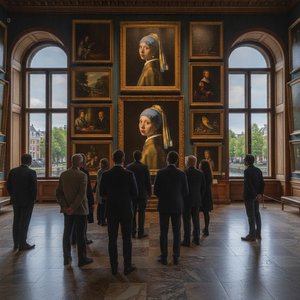
25 Must-See Masterpieces at the Mauritshuis: A Journey Through Dutch Golden Age Art
Step into the Dutch Golden Age with our curated guide to the 25 greatest masterpieces at the Mauritshuis. From Vermeer’s luminous light to Rembrandt’s drama, explore the stories behind these iconic works and find museum-quality art reproductions. Discover all masterpieces on OriginalUniqueArt.com.

Golden Light & Dutch Skies: The Timeless Magic of Dutch Golden Age Landscapes
Discover the breathtaking beauty of Dutch Golden Age landscapes. Explore the mastery of light, chiaroscuro, and 17th-century realism through an expert art history lens, celebrating the enduring legacy of the Dutch Masters for discerning collectors and art lovers.

25 Must-See Masterpieces at the Mauritshuis: A Journey Through Dutch Golden Age Art
Step into the Dutch Golden Age with our curated guide to the 25 greatest masterpieces at the Mauritshuis. From Vermeer’s luminous light to Rembrandt’s drama, explore the stories behind these iconic works and find museum-quality art inspiration. Discover all masterpieces on OriginalUniqueArt.com.

25 Must-See Masterpieces at the Mauritshuis: A Journey Through Dutch Golden Age Art
Step into the Dutch Golden Age with our curated guide to 25 iconic masterpieces from the Mauritshuis. From Vermeer’s luminous light to Rembrandt’s drama, explore the stories behind these timeless works and find museum-quality art inspiration. Discover all masterpieces on OriginalUniqueArt.com.