
 Visualizar na parede
 Compartilhar
 Compartilhar
 Detalhes
 Guia
Guia

 Baixar imagem
 Semelhantes
 Raio X
 Ver diaporama
 Q&A
Q&A Estatísticas
Diana Banhando


 Ler mais
Giclée / Impressão de Arte
Impressão giclée ou em tela de qualidade de museu, com produção rápida e opções flexíveis de acabamento. ( Comprar pintura feita à mão Alternar para Imagem Digital)




P118B €10

P118H €10

P118W €10

P438Z €10

P508JH €12

P508YH €12

P805H €10

P805Z €10

P919BZ €10

P919G €10

P919XJ €10

P959ZH €10

P968JZ €12

W106C €8

W218G €10

W218JH €8

W218Y €10

W307PJ €10

W316G €10

W316PJ €8

W316Y €10

W398PJ €8

W4111J €10

W500HY €15

W500JH €15

W692G €12

W849H €8

W940BG €15

W953PJ €8




Escolha entre os nossos tamanhos pré-definidos que respeitam as proporções originais da obra de arte.

Insira a largura e a altura desejadas para se ajustarem à sua moldura ou parede. Uma impressão pode ser apenas cortada, nunca ampliada além da imagem original; portanto, um tamanho com proporções diferentes resultará na perda de parte da imagem. Enviamos uma maquete digital para sua aprovação antes de realizarmos a impressão. A imagem exibida nesta página não mostra o corte real — apenas a maquete o faz.
Entrega mundial () em 2 semanas, em vez das 4/5 semanas padrão. (2 Novembro)

Envio expresso gratuito para todo o mundo

Tela de Linho de Alta Qualidade

Seguro de transporte completo

Garantia de Reembolso de Impostos Alfandegários

Garantia de Fidelidade Cromática

Política de Devolução em 100 Dias (Apenas para Defeitos)

Garantia de reembolso de 100%

Oferta de desconto por quantidade
 A opção de vidro está disponível apenas para tamanhos inferiores a 110 cm

Diana Banhando
Giclée / Impressão de Arte
Tamanho da Reprodução
-


Preço Total
€ 71
Abraham van Cuylenborch: Uma Sinfonia de Luz e Mito na Aquarela Barroca
A obra "Diana Bathing" atribuída ao pintor holandês Abraham van Cuylenborch representa um marco significativo da pintura barroca flamenga, capturando uma cena que transcende o mero retrato visual para mergulhar nas profundezas da mitologia clássica e da psicologia humana. Pintada em 1634, esta tela monumental encontra seu lugar permanente na Galleria Borghese de Roma, Itália, onde permanece como um testemunho da maestria artística de Cuylenborch e da influência do estilo italiano no cenário artístico holandês da época. A pintura apresenta uma composição cuidadosamente equilibrada que utiliza princípios clássicos da perspectiva atmosférica para criar uma sensação de profundidade espacial impressionante. Os artistas empregam técnicas inovadoras para transmitir a beleza natural e o movimento suave das figuras humanas e animais em um ambiente rochoso iluminado por uma luz difusa, evocativa do amanhecer ou do crepúsculo. Esta atenção meticulosa aos detalhes técnicos demonstra o profundo conhecimento de Cuylenborch sobre os métodos de pintura utilizados pelos artistas italianos contemporâneos, como Caravaggio e Rembrandt. O tema central da obra é a figura divina Diana, protetora das jovens mulheres e símbolo da fertilidade e da beleza idealizada. Ao lado dela, uma série de figuras humanas – incluindo um jovem homem em posição de reverência – participam de uma cena que sugere uma narrativa complexa sobre desejo, contemplação e o poder da natureza. Os animais presentes na tela – aves majestosas, um cachorro leal e uma antílopa graciosa – reforçam a atmosfera simbólica da pintura, representando elementos da mitologia grega e romana que celebram os valores da ordem e da harmonia estética. Além de sua beleza visual excepcional, "Diana Bathing" possui uma carga emocional poderosa que convida o espectador à reflexão sobre questões existenciais fundamentais. A luz suave e a paleta cromática rica contribuem para criar uma atmosfera contemplativa que transmite uma sensação de paz interior e admiração pela natureza sublime. Esta obra permanece como um exemplo supremo da capacidade da arte barroca em comunicar ideias filosóficas e religiosas através da linguagem visual, consolidando o legado artístico de Abraham van Cuylenborch como um dos artistas mais importantes do século XVII.- Artista: Abraham Hendricksz van Beyeren
- Nascimento: Utrecht c. 1620
- Falecimento: Utrecht 1658
- Influência: Cornelis van Poelenburgh
Detalhes Técnicos e Estéticos
A pintura foi executada em óleo sobre tela, utilizando uma técnica meticulosa que combina camadas de tinta fina para criar efeitos de luz e sombra profundos. Os artistas aplicam pigmentos cuidadosamente selecionados para obter tonalidades vibrantes e precisas, capturando a beleza natural das figuras humanas e animais com uma fidelidade impressionante. Além disso, Cuylenborch emprega técnicas inovadoras de pintura à mão livre para transmitir o movimento suave das figuras e criar uma sensação de atmosfera realista que transporta o espectador para o ambiente da pintura.Contexto Histórico e Influência Barroca
"Diana Bathing" foi produzida durante o período dourado da arte holandesa, quando artistas como Rembrandt e Vermeer alcançaram o auge de sua criatividade e inovação técnica. Esta obra reflete a influência do estilo barroco italiano, que enfatiza o drama emocional, a composição equilibrada e o uso magistral da luz para criar efeitos visuais poderosos. Cuylenborch incorpora elementos característicos da estética barroca em suas pinturas, como a perspectiva atmosférica, o contraste entre luz e sombra e a atenção meticulosa aos detalhes técnicos – características que o distinguem de outros artistas holandeses da época.Simbolismo Mitológico e Filosofico
A pintura está repleta de símbolos mitológicos que celebram os valores da beleza idealizada, da ordem estética e da contemplação espiritual. Diana representa a força feminina e a proteção das jovens mulheres, enquanto seus acompanhantes simbolizam o desejo humano e a busca pela perfeição física e moral. Os animais presentes na tela reforçam a atmosfera simbólica da obra, representando elementos da mitologia grega e romana que celebram os valores da harmonia natural e da beleza sublime. Esta riqueza simbólica convida o espectador à reflexão sobre questões filosóficas fundamentais relacionadas à natureza humana e ao papel da arte na expressão das emoções e ideias mais profundas.Perguntas e Respostas
Existem obras semelhantes a "Diana Banhando"?
Obras semelhantes a "Diana Banhando" estão listadas na página de Obras semelhantes desta obra.
Qual artista e qual estilo estão por trás de "Diana Banhando"?
"Diana Banhando" foi criada por Abraham Van Cuylenborch no estilo Baroque. O artista e o movimento identificam a tradição da obra.
Posso encomendar uma reprodução a óleo de "Diana Banhando"?
Reproduções pintadas à mão de "Diana Banhando", de Abraham Van Cuylenborch podem ser adquiridas no este site: uma reprodução a óleo pintada à mão sobre tela de linho, através da sua página de encomendas Reprodução Pintada à Mão.
Biografia do Artista
Abraham van Cuylenborch: A Master of Dutch Grotto Landscapes
Born in Utrecht around 1620 and tragically passing away in the same city in 1658, Abraham van Cuylenborch remains a captivating figure within the rich tapestry of 17th-century Dutch painting. While his life was relatively short, his artistic output—primarily characterized by idyllic landscapes populated with mythological figures and evocative grotto scenes—left an indelible mark on the genre, establishing him as a key interpreter of Italianate influences within the burgeoning Dutch art scene.
Cuylenborch’s early training unfolded under the tutelage of Cornelis van Poelenburgh, a prominent Utrecht painter known for his elegant landscapes and skillful rendering of classical motifs. Van Poelenburgh's style profoundly shaped Cuylenborch’s artistic development, imbuing him with a deep appreciation for atmospheric perspective, balanced compositions, and a refined sense of detail. This foundational influence is readily apparent in Cuylenborch’s early works, which often feature meticulously rendered foliage, distant horizons, and figures engaged in pastoral activities.
The Grotto Motif: A Defining Characteristic
Cuylenborch's most distinctive contribution to the Dutch landscape tradition lies in his fascination with grottoes—small, enclosed caves or grottos—and their inhabitants. These scenes, frequently depicted as idyllic retreats where nymphs and mythological figures frolic amidst lush vegetation, became a hallmark of his oeuvre. The grotto itself served not merely as a setting but as a symbolic space, often imbued with an atmosphere of mystery, tranquility, and sensual delight. He wasn't simply painting landscapes; he was constructing miniature worlds brimming with allegorical meaning.
The depiction of these grottos is remarkably detailed, showcasing Cuylenborch’s skill in capturing the textures of stone, moss, and water. He frequently employed a technique known as ‘chiaroscuro,’ utilizing dramatic contrasts between light and shadow to heighten the sense of depth and create a captivating visual drama. The figures within these scenes—often inspired by classical mythology or biblical narratives—were rendered with a delicate grace and an awareness of their surroundings, contributing to the overall atmosphere of enchantment.
Influences and Artistic Style
Cuylenborch’s artistic style is often described as ‘Italianate,’ reflecting the profound influence of Italian Renaissance landscape painting. He drew inspiration from artists such as Claude Lorrain and Andrea Pozzo, adopting their techniques for creating atmospheric perspective, balanced compositions, and dramatic lighting effects. However, Cuylenborch skillfully adapted these influences to suit the specific conventions of Dutch art, resulting in a unique synthesis of styles.
Beyond Italianate traditions, Cuylenborch’s work also demonstrates an awareness of contemporary trends within the Dutch landscape genre. He shared with his contemporaries a fascination with depicting natural beauty and exploring the relationship between humanity and nature. His compositions often feature elements of ‘arcadianism,’ a popular trend in 17th-century art that idealized rural life and celebrated the virtues of simplicity and harmony.
Notable Works and Legacy
Among Cuylenborch’s most celebrated works are “A Tomb in a Grotto,” currently housed at the Glasgow Museums, and “Landscape with Bacchus and the Nymphs,” held by The Metropolitan Museum of Art. These paintings exemplify his mastery of composition, color, and detail, capturing the essence of his distinctive artistic vision.
Despite his relatively short career, Abraham van Cuylenborch left a significant legacy on Dutch art. His innovative depictions of grotto landscapes influenced generations of artists and helped to establish the genre as a prominent feature of the Dutch Golden Age. His work continues to be admired for its beauty, elegance, and evocative power, offering viewers a glimpse into a world of mythic enchantment and serene natural splendor.

Abraham Van Cuylenborch
1620 - 1658 , Netherlands
Dados Rápidos
- Full Name: Abraham van Cuylenborch
- Nationality: Dutch
- Date Of Birth: 1620
- Date Of Death: 1658
- Place Of Birth: Utrecht, Netherlands
- Notable Artworks:
- Bacchus and Nymphs
- Grotto with figures
- Artistic Movement Or Style: Dutch Baroque Landscape
- Artists Who Influenced This Artist: ['Cornelis van Poelenburgh']
- Artists Or Movements Influenced By This Artist: ['Flemish Landscape Painting']
Artigos Relacionados

Jan van Goyen: Master of Dutch Landscape & Atmospheric Perspective
Discover Jan van Goyen, the master of Dutch landscape painting. Explore his subtle technique, atmospheric realism & lasting influence on art history. Learn about this 17th-century pioneer at OriginalUniqueArt.
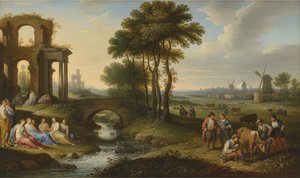
Cornelis van Poelenburch: Bridging Mannerism & the Dutch Baroque Landscape
Discover Cornelis van Poelenburch, a pivotal Dutch Baroque landscape painter bridging Mannerism & Italianate styles. Explore his life, key works, and lasting influence on 17th-century art with OriginalUniqueArt.
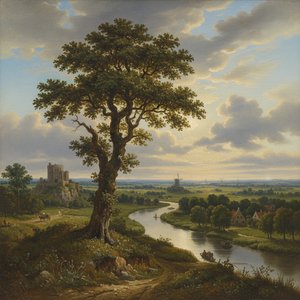
Jacob van Ruisdael: Master of Dutch Landscape & the Evocation of National Identity
Explore the life & work of Jacob van Ruisdael, the preeminent Dutch landscape painter. Discover his technical brilliance, symbolic depth, and lasting influence on art history. Learn about collecting Ruisdael's masterpieces.

Rembrandt van Rijn: As 25 Obras-Primas que Definem um Mestre da Luz e Sombra | OriginalUniqueArt
Descubra as 25 obras-primas de Rembrandt van Rijn, o mestre da luz e sombra! Explore a história por trás de 'A Ronda Noturna', seus auto-retratos e muito mais. Encontre reproduções de arte exclusivas para decorar sua casa com OriginalUniqueArt.com.

Os 10 Mestres do Barroco Holandês: Obras Essenciais para Decorar com Arte e História
Descubra os 10 mestres do Barroco Holandês! Explore a história e o legado de Rembrandt, Vermeer e outros artistas icônicos. Encontre reproduções de arte de alta qualidade para decorar sua casa com elegância em OriginalUniqueArt.com.
