

Portal przez czas: Dusza florenckiej pobożności
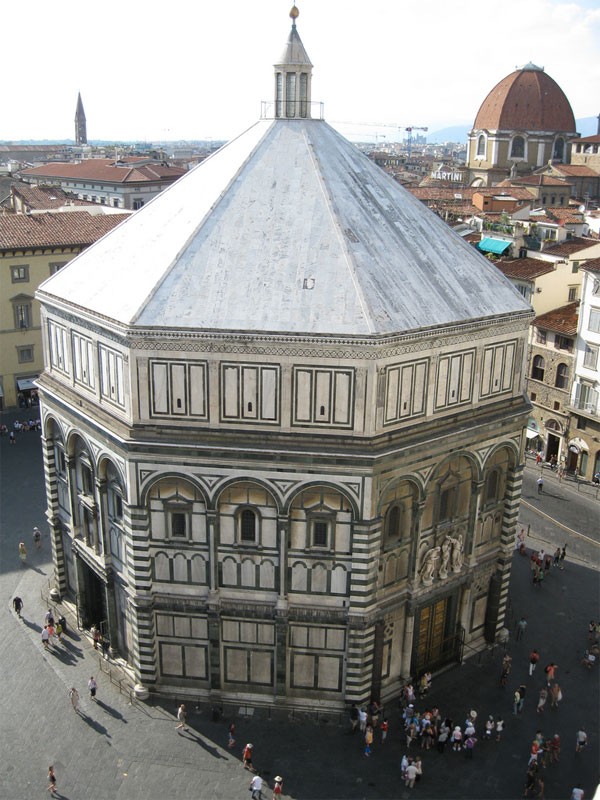
Florencja oddycha historią wyrytą w kamieniu i pozłoconą kunsztem artystycznym, a w samym jej sercu wznosi się Baptisterium San Giovanni — monument, który nie został jedynie zbudowany, lecz wyrósł z wieków wiary, obywatelskiej dumy i artystycznych innowacji. Stojąc naprzeciw majestatycznej Duomo, Santa Maria del Fiore, ta ośmioboczna budowla jest czymś więcej niż tylko kościołem; to palimpsest florenckiej tożsamości, przestrzeń, w której pogańskie korzenie przeobraziły się w chrześcijańską pobożność, a ziarna Renesansu zostały nieodwołalnie zasiane. Podejście do jej fasady jest jak krok wstecz w czasie, świadectwo rozwijającej się opowieści miasta, które ukształtło sztukę zachodnią taką, jaką znamy. Same kamienie zdają się szeptać historie o rzymskich świątyniach, średniowiecznych cechach i rodzącym się duchu humanizmu, który miał zdefiniować całą epokę.
Początki Baptisterium spowite są mgłą antyku; wierzy się, że wzniosło się ono na fundamentach rzymskiej świątyni poświęconej Marsowi — co stanowi dowód na wielowarstwową przeszłość Florencji. Do IV wieku miejsce to przekształciło się w kościół chrześcijański, przechodząc kolejne renowacje i rozbudowy, które odzwierciedlały rosnącą potęgę i zmieniającą się wrażliwość artystyczną miasta. Przez całe średniowiecze służyło ono jako centrum życia obywatelskiego, będąc miejscem zgromadzeń publicznych i, co najważniejsze, chrztów — świętego rytuału wstąpienia do wiary chrześcijańskiej. Struktura, którą widzimy dzisiaj, uroczyście poświęcona w 1059 roku, ucieleśnia istotę toskańskiego romanizmu, prezentując harmonijne połączenie klasycznych ideałów i lokalnego rzemiosła, wyrażone poprzez ikoniczne biało-zielone marmurowe panele, półkoliste łuki i geometryczną precyzję.
Arcydzieła z brązu i złota
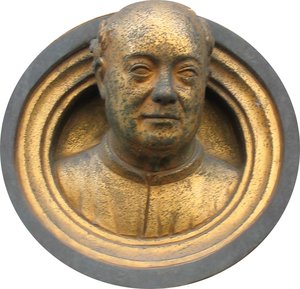
Jednak to w artystycznych skarbach Baptisterium kryje się jego prawdziwy majestat. Mozaiki zdobiące wewnętrzne ściany zapierają dech w piersiach swoją skalą i szczegółowością, stanowiąc migotliwy gobelin biblijnych narracji, stworzony przez mistrzów takich jak Jacopo Torriti i Andrea Pisano. Te żywe przedstawienia Księgi Rodzaju i Księgi Wyjścia przenoszą widza w inny wymiar, zapraszając do kontemplacji tematów stworzenia, odkupienia i opatrzności Bożej. Niemniej jednak to dzieło Lorenzo Ghibertiego, „Wrota Raju” — brązowe drzwi zamówione w znaczącym roku 1403 — naprawdę porywa wyobraźnię. Słynny konkurs na ich projekt dał początek karierze samego Michała Anioła, lecz to Ghiberti ostatecznie triumfował, tworząc arcydzieło, które przedefiniowało rzeźbę renesansową.
Każdy panel jest świadectwem jego nieporównywalnych umiejętności, przedstawiając sceny ze Starego Testamentu z oszałamiającym poziomem realizmu i siły wyrazu. Drzwi te nie są jedynie dekoracją; są portalami do innego świata, zapraszającymi nas do rozważań nad głębokimi tajemnicami wiary i ludzkiej egzystencji. Dla kolekcjonera lub miłośnika drobnych detali, Wrota Wschodnie stanowią okno na moment, w którym klasyczny design spotkał się z chrześcijańską narracją, prezentując misterną reliefową pracę, która pozostaje jednym z największych osiągnięć w historii metalurgii i kompozycji rzeźbiarskiej.
Architektoniczna harmonia i wieczny symbolizm
Sama architektura Baptisterium mówi wiele o jego symbolicznej doniosłości. Ośmioboczny plan reprezentuje wieczność i boską harmonię — celową próbę odzwierciedlenia porządku kosmicznego, który według wierzeń rządzi stworzeniem. Wewnątrz strzeliste kolumny podtrzymują sklepione sufity, tworząc atmosferę wielkości i uroczystego nabożeństwa. Każdy element, od marmurowych intarsji po misterne mozaiki, przyczynia się do poczucia zachwytu i zdumienia — uczucia, które przekracza czas i łączy nas z pokoleniami, które odeszły przed nami.
Tym, co naprawdę wyróżnia Baptisterium, jest jego trwałe dziedzictwo jako kolebki idei renesansowych. To właśnie tutaj, pośród artystycznego fermentu Florencji, zaczęły wyłaniać się nowe sposoby patrzenia i myślenia — sposoby, które na zawsze zmieniły bieg zachodniej sztuki i kultury. Odwiedziny w Baptisterium to nie tylko podziwianie wspaniałego budynku; to wyprawa przez wieki florenckiej historii, wiary i artystycznego geniuszu — pielgrzymka do samego miejsca narodzin Renesansu.