Portret Federico Barocci

94 najsłynniejszych obrazów artysty Federico Barocci, każdy niepowtarzalny

Aktualizacja: Listopad 2026 · ranking według naszego wskaźnika popularności (liczba wyszukiwań, wizyt i zamówień dla każdego dzieła) · 116 dzieł Federico Barocci w naszym katalogu

W skrócie

Virgin and Child with Sts Simon and Jude (Madonna di San Simone) (1567) to obraz autorstwa Federico Barocci, który przyciąga najwięcej spojrzeń; oryginał znajduje się w Galleria Nazionale delle Marche, Urbino. Następnie wzrok kieruje się na River Divinity (Città del Vaticano, Casino of Pius IV) (1563) i Three Studies with One Figure Supporting Another; Figure Sketch and Landscape Sketch (for “Deposition”, Perugia, Cathedral of San Lorenzo) (1569). Spośród 116 dzieł Federico Barocci w naszym katalogu, tych 94 jest najbardziej znanych – każde z nich to unikatowy oryginał, przedstawiony wraz z rokiem powstania, muzeum oraz powodem, dla którego przetrwało próbę czasu.

1535 – 1612, Urbino Manieryzm Najwięcej dzieł: Galleria degli Uffizi

10 najlepszych obrazów autorstwa Federico Barocci według oka galerii

1
Virgin and Child with Sts Simon and Jude (Madonna di San Simone) (1567) autorstwa Federico Barocci

Virgin and Child with Sts Simon and Jude (Madonna di San Simone)

1567 · Acrylic On Canvas · Galleria Nazionale delle Marche, Urbino

Federico Fiori Barocci’s “Virgin and Child with Sts Simon and Jude,” painted in 1567, stands as a cornerstone of Italian Renaissance art—a pivotal moment marking the transition towards the exuberant dynamism of the Baroque style. Executed for the Santuario Madonna dei Miracoli basilica in Saronno, Lombardy, this altarpiece embodies Barocci’s signature blend of meticulous observation and emotive spirituality, capturing an idealized depiction of motherhood and faith.

2
River Divinity (Città del Vaticano, Casino of Pius IV) (1563) autorstwa Federico Barocci

River Divinity (Città del Vaticano, Casino of Pius IV)

1563 · Graphite · Galleria degli Uffizi, Florencja

To gaze upon Federico Fiori Barocci's "River Divinity" is to step into a moment suspended between classical repose and profound vulnerability. This exquisite drawing, executed with the delicate precision of graphite on paper, immediately draws the viewer into its monochromatic embrace. It is not merely an image; it is a meditation rendered in shades of gray, black, and white—a visual whisper from the heart of the Renaissance spirit, yet imbued…

3
Three Studies with One Figure Supporting Another; Figure Sketch and Landscape Sketch (for “Deposition”, Perugia, Cathedral of San Lorenzo) (1569) autorstwa Federico Barocci

Three Studies with One Figure Supporting Another; Figure Sketch and Landscape Sketch (for “Deposition”, Perugia, Cathedral of San Lorenzo)

1569 · Charcoal · Galleria degli Uffizi, Florencja

To gaze upon this preparatory drawing by Federico Fiori Barocci is to witness art not as a finished statement, but as pure, unbridled thought taking physical form. This piece, titled "Three Studies with One Figure Supporting Another; Figure Sketch and Landscape Sketch (for “Deposition”, Perugia, Cathedral of San Lorenzo)," offers us an intimate glimpse into the mind of a master at work. It is less a depiction to be admired…

4
Holy Family with Saint Giovannino and Saint Elizabeth (Città del Vaticano, Casino of Pius IV) (1563) autorstwa Federico Barocci

Holy Family with Saint Giovannino and Saint Elizabeth (Città del Vaticano, Casino of Pius IV)

1563 · Oil On Canvas · Galleria degli Uffizi, Florencja

In this 1563 fresco, Federico Barocci arranges the figures of the Holy Family within a pyramidal structure. At the center, the Virgin Mary and the infant Jesus are positioned beneath a concentrated halo of light. To their side, Saint Elizabeth is depicted with an outstretched hand, a gesture directed toward the central group. The young Saint Giovannino, representing John the Baptist, is also present within the scene. Surrounding these primary…

5
Five Studies of Male Figure and two of His Right Hand and Arm (for “Madonna del Popolo”, Firenze, Galleria degli Uffizi) (1579) autorstwa Federico Barocci

Five Studies of Male Figure and two of His Right Hand and Arm (for “Madonna del Popolo”, Firenze, Galleria degli Uffizi)

1579 · Acrylic On Canvas · Galleria degli Uffizi, Florencja

Federico Barocci’s “Five Studies of Male Figure and two of His Right Hand and Arm,” created in 1579, isn’t merely a preparatory drawing; it’s a profound meditation on the act of creation itself. This intimate charcoal study, measuring just 20 x 32 cm, offers an unparalleled glimpse into the artist's meticulous process – a testament to Barocci’s dedication and his revolutionary approach to capturing human form. Far from a static…

6
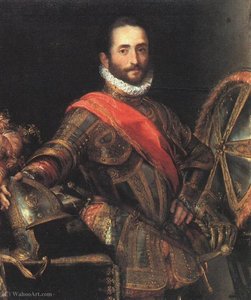
Francesco II della Rovere (1572) autorstwa Federico Barocci

Francesco II della Rovere

1572 · Acrylic On Canvas · Galleria degli Uffizi, Florencja

Federico Fiori Barocci’s “Francesco II della Rovere” – A Portrait of Power and Renaissance Grace Federico Fiori Barocci, later known simply as Baroccio, stands as a pivotal figure bridging the Mannerist elegance of the late 16th century with the burgeoning dynamism of the Baroque. His portrait of Francesco Maria II della Rovere, painted in 1572, is not merely a likeness; it’s a carefully constructed tableau of power, lineage, and the…

7
Young Man’s Head with His Right Hand on His Face (for “Assumption of the Virgin”, Milano, Collezione Castelbarco Albani) (1612) autorstwa Federico Barocci

Young Man’s Head with His Right Hand on His Face (for “Assumption of the Virgin”, Milano, Collezione Castelbarco Albani)

1612 · Acrylic On Canvas · Galleria degli Uffizi, Florencja

Federico Fiori Barocci’s “Young Man’s Head with His Right Hand on His Face” – often referred to as “Assumption of the Virgin, Milano, Collezione Castelbarco Albani” – is not merely a portrait; it's a distilled essence of human vulnerability and a poignant meditation on mortality. Painted in 1612 during a period of profound artistic transition from Mannerism to Baroque, this intimate work offers a glimpse into the soul of its…

8
Composition Study (for “Circumcision”, Paris, musée du Louvre) (1590) autorstwa Federico Barocci

Composition Study (for “Circumcision”, Paris, musée du Louvre)

1590 · Acrylic On Canvas · Galleria degli Uffizi, Florencja

Federico Fiori Barocci's "Composition Study (for ‘Circumcision’, Paris, musée du Louvre)” isn’t merely a preparatory sketch; it’s a profound distillation of the artist’s vision for a monumental work depicting a pivotal scene from biblical history. Completed around 1590, this drawing offers an intimate glimpse into Barocci's meticulous process and reveals a remarkable sensitivity to light, gesture, and the emotional weight of the subject matter – the Circumcision of Isaac. It’s…

9
Ritratto di monsignor Giuliano della Rovere (1595) autorstwa Federico Barocci

Ritratto di monsignor Giuliano della Rovere

1595 · Oil On Canvas · Kunsthistorisches Museum, Wiedeń

The portrait presents Monsignore Giuliano della Rovere in a moment of quiet study. Seated at a three-quarter length, the subject faces the viewer with a direct, focused gaze. He is positioned within an austere room characterized by grey walls, which provides a somber backdrop for his dark clerical attire. A diagonal line guides the eye from the upper left across the composition, leading toward a collection of books stacked in…

10
Obraz przedstawiający Chrząstunku Jezusa (1500) autorstwa Federico Barocci

Obraz przedstawiający Chrząstunku Jezusa

1500 · Obraz olejny na płótnie · Museo Archeologico Nazionale di Taranto, Taranto

The Chiesa della Confraternita del Nome di Gesù in Pesaro stands as a testament to the artistic fervor of the Italian Renaissance, primarily thanks to the monumental frescoes executed by Federico Fiori Barocci in 1590. These canvases offer more than just visual splendor; they encapsulate the spiritual convictions and cultural sensibilities of a pivotal moment in Pesaro’s history.

Słynne obrazy artysty Federico Barocci, od 11 do 94

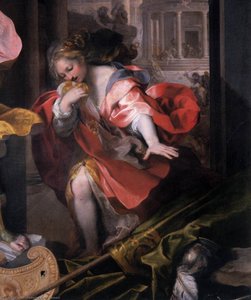
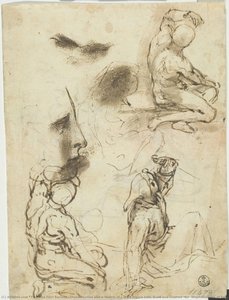
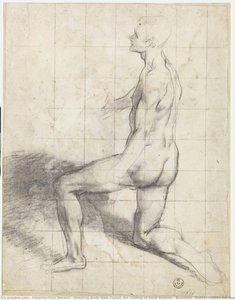
11Portrait of a Man (1579) autorstwa Federico BarocciPortrait of a Man1579 · Ermitaż 12Madonna di san Giovanni (1564) autorstwa Federico BarocciMadonna di san Giovanni1564 · Galleria Nazionale delle Marche 13Il Perdono di Assisi (1580) autorstwa Federico BarocciIl Perdono di Assisi1580 · Galleria Nazionale delle Marche 14Quintilia Fischieri (1600) autorstwa Federico BarocciQuintilia Fischieri1600 · National Gallery of Art 15Immacolata Concezione (1575) autorstwa Federico BarocciImmacolata Concezione1575 · Galleria Nazionale delle Marche 16Head of an Old Bearded Man, 1584-1586 (1586) autorstwa Federico BarocciHead of an Old Bearded Man, 1584-15861586 · Albertina 17Portrait of Ippolito della Rovere (1602) autorstwa Federico BarocciPortrait of Ippolito della Rovere1602 · Ambasada Włoch w Londynie 18Head of Saint Mary Magdalene (1550) autorstwa Federico BarocciHead of Saint Mary Magdalene1550 · Musée Bonnat-Helleu 19Burial of Christ (1550) autorstwa Federico BarocciBurial of Christ1550 20Communion of Saint Magdalene (1573) autorstwa Federico BarocciCommunion of Saint Magdalene1573 · Bawarskie Państwowe Zbiory Malarstwa 21Crocifissione con i dolenti (1566) autorstwa Federico BarocciCrocifissione con i dolenti1566 · Galleria Nazionale delle Marche 22The Virgin and Child in Glory with Saint Anthony Abbot and Saint Lucy (1587) autorstwa Federico BarocciThe Virgin and Child in Glory with Saint Anthony Abbot and Saint Lucy1587 23Cristo e la Maddalena (1590) autorstwa Federico BarocciCristo e la Maddalena1590 · Bawarskie Państwowe Zbiory Malarstwa 24Assumption (1606) autorstwa Federico BarocciAssumption1606 · Galleria Nazionale delle Marche 25Portrait of men (1602) autorstwa Federico BarocciPortrait of men1602 26Saint Francis (1604) autorstwa Federico BarocciSaint Francis1604 · Metropolitan Museum of Art 27Martyrdom of Saint Catherine of Alexandria (1610) autorstwa Federico BarocciMartyrdom of Saint Catherine of Alexandria1610 28Annunciation (1610) autorstwa Federico BarocciAnnunciation1610 29Portrait of Antonio Galli (1600) autorstwa Federico BarocciPortrait of Antonio Galli1600 · Statens Museum for Kunst 30Three Studies of Male Bust and Two of a Knee (for “Martyrdom of Saint Vitalis”, Milano, Pinacoteca di Brera) (1583) autorstwa Federico BarocciThree Studies of Male Bust and Two of a Knee (for “Martyrdom of Saint Vitalis”, Milano, Pinacoteca di Brera)1583 · Galleria degli Uffizi 31Aeneas' Flight from Troy (detail) (1598) autorstwa Federico BarocciAeneas' Flight from Troy (detail)1598 · Galleria Borghese 32Three Studies of Bending Figure and One of His Head (for “Assumption of the Virgin”, Milano, Collezione Castelbarco Albani) (1612) autorstwa Federico BarocciThree Studies of Bending Figure and One of His Head (for “Assumption of the Virgin”, Milano, Collezione Castelbarco Albani)1612 · Galleria degli Uffizi 33The Nativity (1597) autorstwa Federico BarocciThe Nativity1597 · Museo del Prado 34Three Studies of Sitting Figure, Drapery Sketches (for “Martyrdom of Saint Vitalis”, Milano, Pinacoteca di Brera) (1583) autorstwa Federico BarocciThree Studies of Sitting Figure, Drapery Sketches (for “Martyrdom of Saint Vitalis”, Milano, Pinacoteca di Brera)1583 · Galleria degli Uffizi 35Three Studies of a Male Figure both Nude and Clothed (for “Stigmatization of Saint Francis”, Urbino, Galleria Nazionale delle Marche) (1595) autorstwa Federico BarocciThree Studies of a Male Figure both Nude and Clothed (for “Stigmatization of Saint Francis”, Urbino, Galleria Nazionale delle Marche)1595 · Galleria degli Uffizi 36Head of a Woman, 1568-1569 (1569) autorstwa Federico BarocciHead of a Woman, 1568-15691569 · Albertina 37Annunciation (1582) autorstwa Federico BarocciAnnunciation1582 · Pinakoteca Watykańska 38Donkey (for “Rest on the Flight to Egypt”, Città del Vaticano, Pinacoteca dei Musei Vaticani) (1573) autorstwa Federico BarocciDonkey (for “Rest on the Flight to Egypt”, Città del Vaticano, Pinacoteca dei Musei Vaticani)1573 · Galleria degli Uffizi 39Nude Male Figure Playing Hurdy-gurdy, Studies of His Bust, Head and Hands (for “Madonna del Popolo”, Firenze, Galleria degli Uffizi) (1579) autorstwa Federico BarocciNude Male Figure Playing Hurdy-gurdy, Studies of His Bust, Head and Hands (for “Madonna del Popolo”, Firenze, Galleria degli Uffizi)1579 · Galleria degli Uffizi 40Presentation of Virgin Mary at the Temple (1600) autorstwa Federico BarocciPresentation of Virgin Mary at the Temple1600 · Santa Maria in Vallicella 41Portrait of a Man (1572) autorstwa Federico BarocciPortrait of a Man1572 42Portrait of a Lady (1595) autorstwa Federico BarocciPortrait of a Lady1595 · Ermitaż 43The Farewell of Christ to His Mother (1612) autorstwa Federico BarocciThe Farewell of Christ to His Mother1612 · Musée Condé 44Reclining Monk with Left Arm Leaning on a Rock (for “Stigmatization of Saint Francis”, Urbino, Galleria Nazionale delle Marche) (1595) autorstwa Federico BarocciReclining Monk with Left Arm Leaning on a Rock (for “Stigmatization of Saint Francis”, Urbino, Galleria Nazionale delle Marche)1595 · Galleria degli Uffizi 45Figure genuflesse e studi di mani (per la autorstwa Federico BarocciFigure genuflesse e studi di mani (per laGalleria degli Uffizi 46Portrait of a Young Lady (1600) autorstwa Federico BarocciPortrait of a Young Lady1600 · National Gallery of Denmark 47Portrait of a Young Woman (1570) autorstwa Federico BarocciPortrait of a Young Woman1570 · Galleria degli Uffizi 48The Adoration of the Magi (1561) autorstwa Federico BarocciThe Adoration of the Magi1561 · Rijksmuseum 49Christ on the Cross (1604) autorstwa Federico BarocciChrist on the Cross1604 · Museo del Prado 50Male Figure Stooping to Lift a Cauldron (1590) autorstwa Federico BarocciMale Figure Stooping to Lift a Cauldron1590 · Luwr 51Female Portrait autorstwa Federico BarocciFemale PortraitErmitaż 52St Jerome (1598) autorstwa Federico BarocciSt Jerome1598 · Galleria Borghese 53Eternal Father and Angels autorstwa Federico BarocciEternal Father and AngelsGalleria Nazionale delle Marche 54The Head of a Priest, study for The Circumcision autorstwa Federico BarocciThe Head of a Priest, study for The CircumcisionNationalmuseum 55Head of Christ autorstwa Federico BarocciHead of ChristBonnefanten Museum 56Con una figura che sorregge l autorstwa Federico BarocciCon una figura che sorregge lGalleria degli Uffizi 57Francesco II della Rovere autorstwa Federico BarocciFrancesco II della Rovere 58Rest on the Flight into Egypt autorstwa Federico BarocciRest on the Flight into EgyptStädel Museum 59Cloaked Male Figure and Studies of His Left Leg; Drapery Studies (for “Calling of Saint Andrew”, Bruxelles, Musées royaux des Beaux-Arts de Belgique) (1583) autorstwa Federico BarocciCloaked Male Figure and Studies of His Left Leg; Drapery Studies (for “Calling of Saint Andrew”, Bruxelles, Musées royaux des Beaux-Arts de Belgique)1583 · Galleria degli Uffizi 60Stone-thrower for the Martyrdom of St Vitalis (1582) autorstwa Federico BarocciStone-thrower for the Martyrdom of St Vitalis1582 · Art Gallery of South Australia 61Head of a Shepherd, study for The Circumcision autorstwa Federico BarocciHead of a Shepherd, study for The CircumcisionNationalmuseum 62Saint Lawrence autorstwa Federico BarocciSaint LawrenceGalleria Nazionale delle Marche 63Half-Bust Nude Male Figure (for “Presentation of the Virgin in the Temple”, Roma, Church of Santa Maria in Vallicella) (1603) autorstwa Federico BarocciHalf-Bust Nude Male Figure (for “Presentation of the Virgin in the Temple”, Roma, Church of Santa Maria in Vallicella)1603 · Galleria degli Uffizi 64Two Figure Studies, One Nude and the Other Clothed with a Putto in His Arms (for “Madonna del Popolo”, Firenze, Galleria degli Uffizi); Drapery Studies (1579) autorstwa Federico BarocciTwo Figure Studies, One Nude and the Other Clothed with a Putto in His Arms (for “Madonna del Popolo”, Firenze, Galleria degli Uffizi); Drapery Studies1579 · Galleria degli Uffizi 65Man’s Head (for “Calling of Saint Andrew”, Bruxelles, Musées royaux des Beaux-Arts de Belgique) (1583) autorstwa Federico BarocciMan’s Head (for “Calling of Saint Andrew”, Bruxelles, Musées royaux des Beaux-Arts de Belgique)1583 · Galleria degli Uffizi 66Partial Study of Two Nude Male Figures, One with Raised Arm, the Other on the Ground and Leg and Arm Studies of the First One (for “Martyrdom of Saint Vitalis”, Milano, Pinacoteca di Brera) (1583) autorstwa Federico BarocciPartial Study of Two Nude Male Figures, One with Raised Arm, the Other on the Ground and Leg and Arm Studies of the First One (for “Martyrdom of Saint Vitalis”, Milano, Pinacoteca di Brera)1583 · Galleria degli Uffizi 67Three Studies and a Sketch of a Male Figure both Nude and Clothed (for “Stigmatization of Saint Francis”, Urbino, Galleria Nazionale delle Marche); Profile (1595) autorstwa Federico BarocciThree Studies and a Sketch of a Male Figure both Nude and Clothed (for “Stigmatization of Saint Francis”, Urbino, Galleria Nazionale delle Marche); Profile1595 · Galleria degli Uffizi 68Self-Portrait (1600) autorstwa Federico BarocciSelf-Portrait1600 · Residenzgalerie 69Studies of Hand, Fingers and Leg, Foot Sketch (for “Rest on the Flight to Egypt”, Città del Vaticano, Pinacoteca Vaticana) (1573) autorstwa Federico BarocciStudies of Hand, Fingers and Leg, Foot Sketch (for “Rest on the Flight to Egypt”, Città del Vaticano, Pinacoteca Vaticana)1573 · Galleria degli Uffizi 70Kneeling Nude Male Figure (for “Calling of Saint Andrew”, Bruxelles, Musées royaux des Beaux-Arts de Belgique) (1583) autorstwa Federico BarocciKneeling Nude Male Figure (for “Calling of Saint Andrew”, Bruxelles, Musées royaux des Beaux-Arts de Belgique)1583 · Galleria degli Uffizi 71Bending Male Bust; Two Hand Studies (for “Presentation of the Virgin in the Temple”, Roma, Church of Santa Maria in Vallicella) (1603) autorstwa Federico BarocciBending Male Bust; Two Hand Studies (for “Presentation of the Virgin in the Temple”, Roma, Church of Santa Maria in Vallicella)1603 · Galleria degli Uffizi 72Study of a Bent Right Arm (1590) autorstwa Federico BarocciStudy of a Bent Right Arm1590 · Luwr 73Three Studies of One Figure Supporting Another and Figure Sketch (for “Lamentation”, Bologna, Palazzo D’Accursio) autorstwa Federico BarocciThree Studies of One Figure Supporting Another and Figure Sketch (for “Lamentation”, Bologna, Palazzo D’Accursio)Galleria degli Uffizi 74Drapery Study (for “Immaculate Conception”, Urbino, Galleria Nazionale delle Marche) autorstwa Federico BarocciDrapery Study (for “Immaculate Conception”, Urbino, Galleria Nazionale delle Marche)Galleria degli Uffizi 75Self portrait autorstwa Federico BarocciSelf portrait 76One Study of a Standing Nude Male Figure and Two Studies of a Kneeling Nude Male Figure (for “Calling of Saint Andrew”, Bruxelles, Musées royaux des Beaux-Arts de Belgique) (1583) autorstwa Federico BarocciOne Study of a Standing Nude Male Figure and Two Studies of a Kneeling Nude Male Figure (for “Calling of Saint Andrew”, Bruxelles, Musées royaux des Beaux-Arts de Belgique)1583 · Galleria degli Uffizi 77Putto autorstwa Federico BarocciPuttoGalleria degli Uffizi 78Face of a Woman with Downcast Eyes autorstwa Federico BarocciFace of a Woman with Downcast EyesLuwr 79Kneeling Male Figure and Studies of His Right Foot, Arms, Head and Drapery (for “Last Supper”, Urbino, Cathedral of Santa Maria Vergine Assunta) autorstwa Federico BarocciKneeling Male Figure and Studies of His Right Foot, Arms, Head and Drapery (for “Last Supper”, Urbino, Cathedral of Santa Maria Vergine Assunta)Galleria degli Uffizi 80Schizzo compositivo (per l autorstwa Federico BarocciSchizzo compositivo (per lGalleria degli Uffizi 81Angels in Flight and Drapery Studies autorstwa Federico BarocciAngels in Flight and Drapery StudiesGalleria degli Uffizi 82Tre schizzi di figure autorstwa Federico BarocciTre schizzi di figureGalleria degli Uffizi 83The Institution of the Eucharist (1608) autorstwa Federico BarocciThe Institution of the Eucharist1608 · Basilica di Santa Maria sopra Minerva 84The nativity autorstwa Federico BarocciThe nativityMuseo del Prado 85Studies for the figure of Christ in the painting Noli me tangere autorstwa Federico BarocciStudies for the figure of Christ in the painting Noli me tangereKupferstichkabinett 86Madonna del Popolo (1575) autorstwa Federico BarocciMadonna del Popolo1575 · Galleria degli Uffizi 87The Madonna of the Cat (La Madonna del Gatto) autorstwa Federico BarocciThe Madonna of the Cat (La Madonna del Gatto)National Gallery 88Descent from the Cross (1568) autorstwa Federico BarocciDescent from the Cross1568 89Aeneas' Flight from Troy autorstwa Federico BarocciAeneas' Flight from TroyGalleria Borghese 90Rest on the Flight to Egypt autorstwa Federico BarocciRest on the Flight to Egypt 91Portrait of a Young Man (1580) autorstwa Federico BarocciPortrait of a Young Man1580 · Musée Des Beaux 92Annunciation autorstwa Federico BarocciAnnunciationMusée des Beaux-Arts de Nancy 93The Circumcision (1590) autorstwa Federico BarocciThe Circumcision1590 · Luwr 94Self-Portrait (1570) autorstwa Federico BarocciSelf-Portrait1570 · Galleria degli Uffizi

Słynne obrazy Federico Barocci epoka po epoce

Tematy, które przyciągnęły wzrok Federico Barocci

Cztery motywy najczęściej powracające w tych oryginałach, z których każdy doczekał się swojego najdoskonalszego przykładu.

Muzea przechowujące oryginały Federico Barocci

8 muzeów, w których znajduje się najwięcej obrazów z tej strony.

Muzea Miasto Dzieła artysty Federico Barocci Obrazy z tej listy
Galleria degli Uffizi, FlorencjaGalleria degli Uffizi Florencja 36 River Divinity (Città del Vaticano, Casino of Pius IV), Three Studies with One Figure Supporting Another; Figure Sketch and Landscape Sketch (for “Deposition”, Perugia, Cathedral of San Lorenzo), Holy Family with Saint Giovannino and Saint Elizabeth (Città del Vaticano, Casino of Pius IV)
Galleria Nazionale delle Marche, UrbinoGalleria Nazionale delle Marche Urbino 8 Virgin and Child with Sts Simon and Jude (Madonna di San Simone), Madonna di san Giovanni, Il Perdono di Assisi
Luwr, ParyżLuwr Paryż 4 Male Figure Stooping to Lift a Cauldron, Study of a Bent Right Arm, Face of a Woman with Downcast Eyes
Ermitaż, Sankt PetersburgErmitaż Sankt Petersburg 3 Portrait of a Man, Portrait of a Lady, Female Portrait
Galleria Borghese, RzymGalleria Borghese Rzym 3 Aeneas' Flight from Troy (detail), St Jerome, Aeneas' Flight from Troy
Museo del Prado, MadrytMuseo del Prado Madryt 3 The Nativity, Christ on the Cross, The nativity
Albertina, WiedeńAlbertina Wiedeń 2 Head of an Old Bearded Man, 1584-1586, Head of a Woman, 1568-1569
Bawarskie Państwowe Zbiory Malarstwa, MonachiumBawarskie Państwowe Zbiory Malarstwa Monachium 2 Communion of Saint Magdalene, Cristo e la Maddalena

Federico Barocci na przestrzeni dekad: jeden unikatowy oryginał dla każdego

Dzieła według dekad

Wybierz dekadę, aby zobaczyć dzieło, które ją definiuje.

Obrazy artysty Federico Barocci: pytania do galerii

Jakie jest najsłynniejsze dzieło artysty Federico Barocci?Odkryj odpowiedź

Virgin and Child with Sts Simon and Jude (Madonna di San Simone) (1567), Galleria Nazionale delle Marche, Urbino. Następne są River Divinity (Città del Vaticano, Casino of Pius IV) (1563) oraz Three Studies with One Figure Supporting Another; Figure Sketch and Landscape Sketch (for “Deposition”, Perugia, Cathedral of San Lorenzo) (1569).

W jakim wieku Federico Barocci stworzył/a Virgin and Child with Sts Simon and Jude (Madonna di San Simone)?Odkryj odpowiedź

32 lat: Virgin and Child with Sts Simon and Jude (Madonna di San Simone) pochodzi z 1567, a Federico Barocci urodził(a) się w 1535.

Które dziesięć obrazów Federico Barocci jest najbardziej znanych?Odkryj odpowiedź

Virgin and Child with Sts Simon and Jude (Madonna di San Simone), River Divinity (Città del Vaticano, Casino of Pius IV), Three Studies with One Figure Supporting Another; Figure Sketch and Landscape Sketch (for “Deposition”, Perugia, Cathedral of San Lorenzo), Holy Family with Saint Giovannino and Saint Elizabeth (Città del Vaticano, Casino of Pius IV), Five Studies of Male Figure and two of His Right Hand and Arm (for “Madonna del Popolo”, Firenze, Galleria degli Uffizi), Francesco II della Rovere, Young Man’s Head with His Right Hand on His Face (for “Assumption of the Virgin”, Milano, Collezione Castelbarco Albani), Composition Study (for “Circumcision”, Paris, musée du Louvre), Ritratto di monsignor Giuliano della Rovere i Obraz przedstawiający Chrząstunku Jezusa. Powyższy ranking zawiera rok powstania oraz muzeum dla każdego z nich.

Ile znanych dzieł stworzył Federico Barocci?Odkryj odpowiedź

Nasz katalog zawiera 116 dzieł artysty Federico Barocci, datowanych od 1550 do 1612.

Gdzie można zobaczyć najsłynniejsze oryginały Federico Barocci?Odkryj odpowiedź

W większości znajdują się w Galleria degli Uffizi (Florencja), Galleria Nazionale delle Marche (Urbino) i Luwr (Paryż). Powyższa tabela muzeów zawiera ich pełną listę.

W jakim okresie Federico Barocci stworzył/a swoje najsłynniejsze obrazy?Odkryj odpowiedź

W 1570s: 13 z 94 dzieł na tej stronie powstało w tym czasie, w tym Five Studies of Male Figure and two of His Right Hand and Arm (for “Madonna del Popolo”, Firenze, Galleria degli Uffizi).

Który z najsłynniejszych obrazów artysty Federico Barocci powstał najwcześniej, a który najpóźniej?Odkryj odpowiedź

Na tej stronie najwcześniejszy to Head of Saint Mary Magdalene (1550), a najpóźniejszy Young Man’s Head with His Right Hand on His Face (for “Assumption of the Virgin”, Milano, Collezione Castelbarco Albani) (1612).

Jakie tematy preferował Federico Barocci?Odkryj odpowiedź

Renaissance (30), Man (19) i Woman (19), w ramach 94 dzieł na tej stronie.

Jakich materiałów Federico Barocci używał najczęściej?Odkryj odpowiedź

Oil On Canvas, dla 33 z 94 dzieł na tej stronie.

Do jakiego nurtu należy twórczość Federico Barocci?Odkryj odpowiedź

Manieryzm, sądząc po oryginałach na tej stronie.

Jakie oryginały Federico Barocci można zobaczyć w Galleria degli Uffizi?Odkryj odpowiedź

River Divinity (Città del Vaticano, Casino of Pius IV), Three Studies with One Figure Supporting Another; Figure Sketch and Landscape Sketch (for “Deposition”, Perugia, Cathedral of San Lorenzo) i Holy Family with Saint Giovannino and Saint Elizabeth (Città del Vaticano, Casino of Pius IV): Galleria degli Uffizi, Florencja posiada 36 dzieł widocznych na tej stronie.

Federico Barocci: portret artysty

Wczesne życie i kształcenie

Federico Fiori, znany powszechnie jako Federico Barocci (ur. 1535 w Urbino, zm. 1612), był jednym z najwybitniejszych malarzy włoskiego renesansu, którego twórczość stanowiła pomost między manieryzmem a barokiem. Jego przydomek, “il Baroccio”, wywodzi się od regionalnego określenia dwukołowego wozu ciągniętego przez woły – swoistego symbolu jego pochodzenia i skromnych początków. Pierwsze lekcje sztuki Federico odebrał u ojca, Ambrogio Barocciego, lokalnie cenionego rzeźbiarza. Jednak to nauka pod skrzydłami Battisty Franco w Urbino położyła fundamenty jego przyszłej kariery artystycznej. Franco wprowadził młodego Fiori w arkana malarstwa, rozwijając jego talent i przygotowując go do dalszych wyzwań.

Rozkwit twórczości i inspiracje

Barocci szybko zyskał uznanie dzięki niezwykłej wrażliwości kolorystycznej i umiejętności oddawania emocji na płótnie. Jego prace, choć osadzone w tradycji renesansowej, zapowiadały już dynamiczną ekspresję baroku, szczególnie widoczną w dziełach Petera Paula Rubensa, który czerpał z jego stylu liczne inspiracje. Artysta pracował w renomowanym studio Taddea i Federica Zuccariego w Rzymie, gdzie miał okazję zetknąć się z różnorodnymi prądami artystycznymi i poszerzyć swoje horyzonty. Jednym z pierwszych znaczących dzieł Barocciego była *Święta Małgorzata*, zamówiona przez bractwo Świętego Sakramentu. Zaproszenie od papieża Piusa IV do dekoracji Pałacu Watykańskiego było dla niego niezwykłą szansą, którą wykorzystał, tworząc monumentalne freski z wizerunkiem Madonny z Dzieciątkiem oraz scenę *Zwiastowania*. Styl Barocciego charakteryzował się unikalnym połączeniem elementów manierystycznych i barokowych – elegancja form łączyła się z dramatyzmem kompozycji, a subtelne kolory z intensywnym światłocieniem.

Wybitne dzieła i dziedzictwo

Twórczość Barocciego obfituje w arcydzieła, które do dziś zachwycają swoją urodą i głębią emocjonalną. *Pięć studiów męskiej postaci oraz dwa jego prawej ręki i ramienia* (Galeria Uffizi we Florencji) to dowód niezwykłego kunsztu artysty w oddawaniu ludzkiego ciała. *Studium kompozycyjne* (dla “Obrzezania”, Luwr w Paryżu) świadczy o jego zdolnościach w balansowaniu kompozycją i wyrazem. *Głowa mężczyzny* (dla “Powołania świętego Andrzeja”, Królewskie Muzea Sztuk Pięknych w Brukseli) ukazuje dbałość Barocciego o detale i precyzję portretu. Do jego najbardziej znanych dzieł należą również *Narodziny Pańskie* (olej na płótnie z 1597 roku, Prado), *Madonna del Popolo* (Galeria Uffizi we Florencji) oraz niezwykle urocza *Madonna z kotem (La Madonna del Gatto)*. W 1582 roku powstało monumentalne *Zwiastowanie*, które do dziś stanowi jeden z najważniejszych przykładów jego twórczości.

Wpływ na sztukę i kontynuatorzy

Barocci wywarł ogromny wpływ na rozwój malarstwa europejskiego, inspirując wielu artystów, w tym samego Petera Paula Rubensa, który podziwiał jego dramatyczny gest i ekspresyjną paletę barw. Jego innowacyjne podejście do kompozycji, subtelne operowanie światłem i cieniem oraz umiejętność oddawania emocji na płótnie zrewolucjonizowały ówczesną sztukę. Dziedzictwo Barocciego jest nadal celebrowane poprzez liczne wystawy i publikacje poświęcone jego twórczości, a jego dzieła można podziwiać w prestiżowych muzeach na całym świecie, takich jak Galeria Uffizi we Florencji oraz Luwr w Paryżu. Federico Barocci pozostaje jednym z najważniejszych malarzy włoskiego renesansu, którego wpływ na rozwój sztuki europejskiej jest niepodważalny.