Portret Hans The Elder Holbein

41 najsłynniejszych obrazów artysty Hans The Elder Holbein – wybór z galerii

Aktualizacja: Listopad 2026 · ranking według naszego wskaźnika popularności (liczba wyszukiwań, wizyt i zamówień dla każdego dzieła) · 47 dzieł Hans The Elder Holbein w naszym katalogu

W skrócie

Spośród wszystkich dzieł oryginalnych, które pozostawił Hans The Elder Holbein, najsłynniejszym jest Death of the Virgin (1491), znajdujący się w kolekcji Szépművészeti Múzeum w Budapeszt. Tuż za nimi znajdują się The Martyrdom of Saint Sebastian (1516) oraz Portrait of the Artist's Sons (1514). Nasz katalog zawiera 47 dzieł autorstwa Hans The Elder Holbein; galeria zachowała 41 najbardziej podziwianych na świecie prac, z których każda została przedstawiona wraz z datą powstania, informacją o muzeum oraz jej historią.

1497 – 1543, Augsburg Northern renaissance Najwięcej dzieł: Szépművészeti Múzeum

10 najlepszych obrazów artysty Hans The Elder Holbein: wybór galerii

1
Death of the Virgin (1491) autorstwa Hans The Elder Holbein

Death of the Virgin

1491 · Oil On Canvas · Szépművészeti Múzeum, Budapeszt

To gaze upon this depiction of the Death of the Virgin is to step across the threshold of earthly life into an atmosphere thick with divine grace and profound serenity. The scene, rendered in rich oil on canvas, immediately envelops the viewer in a moment suspended between sorrow and eternal glory. It is not merely a portrait of passing; it is a monumental testament to devotion, capturing the culmination of…

2
The Martyrdom of Saint Sebastian (1516) autorstwa Hans The Elder Holbein

The Martyrdom of Saint Sebastian

1516 · Oil On Panel · Alte Pinakothek, Monachium

To stand before Hans Holbein the Elder's The Martyrdom of Saint Sebastian is to be enveloped in an atmosphere thick with dramatic tension and profound spiritual fervor. This masterpiece, executed in 1516, transcends a mere depiction of suffering; it is a visceral meditation on faith confronting brutality. The scene unfolds with breathtaking dynamism, capturing that precise, agonizing moment when the physical ordeal meets the sublime endurance of the human spirit.…

3
Portrait of the Artist's Sons (1514) autorstwa Hans The Elder Holbein

Portrait of the Artist's Sons

1514 · Acrylic On Canvas · Ermitaż, Sankt Petersburg

Hans Holbein the Elder's “Portrait of the Artist’s Sons,” painted in 1514, is more than just a depiction of two young men; it’s a poignant glimpse into the heart of a burgeoning family and a masterful demonstration of the artist’s evolving style. Housed within the walls of the State Hermitage Museum in St. Petersburg, this intimate piece transcends its simple subject matter to become a powerful meditation on lineage, affection,…

4
Portrait of a Woman (1518) autorstwa Hans The Elder Holbein

Portrait of a Woman

1518 · Oil On Panel · Thyssen-Bornemisza Museum, Madryt

In the quiet corridors of the Thyssen-Bornemisza Museum in Madrid, there exists a portal to another era—a moment frozen in 1518 through the masterful hand of Hans Holbein the Elder. His Portrait of a Woman is far more than a mere likeness; it is an enduring emblem of Northern Renaissance achievement, capturing a profound psychological depth that transcends the boundaries of time. As one gazes upon this oil on panel…

5
Matthäus Roritzer (1495) autorstwa Hans The Elder Holbein

Matthäus Roritzer

1495 · Ink On Paper

In this intimate portrait from 1495, we find ourselves looking directly into the eyes of Matthäus Roritzer. It is a work of quiet intensity, captured through the precise application of pen and ink on paper. The subject is presented in a three-quarter view, his gaze directed slightly off-center, creating a sense of a private moment caught in time. There is a certain dignity in his expression, a subtle weight that…

6
Maria als Schmerzensmutter (1495) autorstwa Hans The Elder Holbein

Maria als Schmerzensmutter

1495 · Oil On Panel

Maria als Schmerzensmutter by Hans The Elder Holbein presents a solemn and contemplative portrait of a religious figure, likely Mary Magdalene or another saint. The subject dominates the frame, occupying most of the available space in a tight, frontal composition. Clad in a veil, the figure is captured in a moment of devotion, with hands clasped in a gesture of prayer. A starburst halo is positioned directly above her head,…

7
Konrad Mörlin, Benediktinerabt an St. Ulrich und Afra, Augsburg (1500) autorstwa Hans The Elder Holbein

Konrad Mörlin, Benediktinerabt an St. Ulrich und Afra, Augsburg

1500 · Engraving

The portrait titled Konrad Mörlin, Benediktinerabt an St. Ulrich und Afra, Augsburg by Hans The Elder Holbein is a black and white depiction of an elderly man. The composition is centered on the head and shoulders of the subject. He is presented with a stern expression, characterized by a furrowed brow and a downturned mouth. His eyes appear small and are slightly hooded. A heavy cloak drapes around his shoulders,…

8
Sebastiansaltar (1516) autorstwa Hans The Elder Holbein

Sebastiansaltar

1516 · Oil On Panel

A single figure rises against the architecture of a sacred space. In this 1516 oil on panel, the air feels heavy with the tension of a life suspended between the earthly and the divine. The central scene captures a moment of profound spiritual endurance, where the physical body meets the quiet resolve of the soul. Light falls from an unseen source, casting shadows that define the curve of a limb…

9
Anna Laminit (1511) autorstwa Hans The Elder Holbein

Anna Laminit

1511 · Silverpoint

The portrait of Anna Laminit by Hans The Elder Holbein captures a woman in a moment of quiet presence. Created about 1511, this work focuses on the individual likeness of the subject. The artist sought to render her features with a direct and realistic intention. Every line serves to fix her gaze upon the viewer.

10
Maria mit dem schlafenden Christuskind (1520) autorstwa Hans The Elder Holbein

Maria mit dem schlafenden Christuskind

1520 · Oil

In this intimate composition, titled Maria mit dem schlafenden Christuskind, Hans The Elder Holbein presents a quiet moment of devotion. Created about 1520, the work focuses on a traditional Christian iconographic representation of the Madonna and Child. The scene captures the Virgin Mary in a moment of repose, cradling the sleeping Christ Child within her arms. It is a depiction that emphasizes the tender, maternal bond between mother and son…

Kontynuacja zestawienia Hans The Elder Holbein, od 11 do 41

11Leonhard Wagner, Profil nach rechts (1520) autorstwa Hans The Elder HolbeinLeonhard Wagner, Profil nach rechts1520 12The head of a crossbowman taking aim (1515) autorstwa Hans The Elder HolbeinThe head of a crossbowman taking aim1515 · National Gallery of Denmark 13Portrait of Robert Cheseman autorstwa Hans The Elder HolbeinPortrait of Robert Cheseman 14Death of the Virgin (1490) autorstwa Hans The Elder HolbeinDeath of the Virgin1490 · Szépművészeti Múzeum 15Virgin and Child (1500) autorstwa Hans The Elder HolbeinVirgin and Child1500 16Teile vom Hochaltar der Frankfurter Dominikanerkirche (Fragment) (1500) autorstwa Hans The Elder HolbeinTeile vom Hochaltar der Frankfurter Dominikanerkirche (Fragment)1500 · Toledo Museum of Art 17Teile vom Hochaltar der Frankfurter Dominikanerkirche (Fragment) (1500) autorstwa Hans The Elder HolbeinTeile vom Hochaltar der Frankfurter Dominikanerkirche (Fragment)1500 18Sitzende Frau von hinten (1500) autorstwa Hans The Elder HolbeinSitzende Frau von hinten1500 19Emperor Maximilian on Horseback (1510) autorstwa Hans The Elder HolbeinEmperor Maximilian on Horseback1510 20The Virgin and Child Before a Column (1518) autorstwa Hans The Elder HolbeinThe Virgin and Child Before a Column1518 21Portrait of a Man (1518) autorstwa Hans The Elder HolbeinPortrait of a Man1518 · Thyssen-Bornemisza Museum 22Christus am Kreuz autorstwa Hans The Elder HolbeinChristus am Kreuz 23Ambrosius and Hans, the sons of the artist autorstwa Hans The Elder HolbeinAmbrosius and Hans, the sons of the artistKupferstichkabinett 24Death of the Virgin (1501) autorstwa Hans The Elder HolbeinDeath of the Virgin1501 25Portrait of 34-year-old Woman (1516) autorstwa Hans The Elder HolbeinPortrait of 34-year-old Woman1516 · Kunstmuseum Basel 26Porträt der Katharina Schwarz mit den Attributen ihrer Nahmensheiligen (1509) autorstwa Hans The Elder HolbeinPorträt der Katharina Schwarz mit den Attributen ihrer Nahmensheiligen1509 27Madonna and Child autorstwa Hans The Elder HolbeinMadonna and ChildGemäldegalerie 28Wings of the Kaisheim Altarpiece (1502) autorstwa Hans The Elder HolbeinWings of the Kaisheim Altarpiece1502 · Alte Pinakothek 29Reliquary of St Sebastian autorstwa Hans The Elder HolbeinReliquary of St Sebastian 30Death of the Virgin (detail) autorstwa Hans The Elder HolbeinDeath of the Virgin (detail) 31Maria, the child a pomegranate-reaching autorstwa Hans The Elder HolbeinMaria, the child a pomegranate-reachingKunsthistorisches Museum 32Maria crowned by angels autorstwa Hans The Elder HolbeinMaria crowned by angelsBawarskie Państwowe Zbiory Malarstwa 33Portrait of Ulrich Schwarz and his family (detail) autorstwa Hans The Elder HolbeinPortrait of Ulrich Schwarz and his family (detail) 34Presentation of Christ Child in the temple autorstwa Hans The Elder HolbeinPresentation of Christ Child in the templeHamburger Kunsthalle 35Leaded glass windows in the mortuary, Eichstätt Cathedral autorstwa Hans The Elder HolbeinLeaded glass windows in the mortuary, Eichstätt Cathedral 36Christ Discovered in the Temple(detail) autorstwa Hans The Elder HolbeinChrist Discovered in the Temple(detail) 37Weingartener altar tempelgang mariae autorstwa Hans The Elder HolbeinWeingartener altar tempelgang mariae 38Portrait of Katharina Schwarz with the attributes of their Nahmensheiligen autorstwa Hans The Elder HolbeinPortrait of Katharina Schwarz with the attributes of their Nahmensheiligen 39Exterior Wings of the Frankfurt Dominican Altarpiece autorstwa Hans The Elder HolbeinExterior Wings of the Frankfurt Dominican AltarpieceStädel Museum 40Maria, Kołysanka Maryi (1499) autorstwa Hans The Elder HolbeinMaria, Kołysanka Maryi1499 · Kunsthistorisches Museum 41Kaiser Maximilian I in travel dress on horseback autorstwa Hans The Elder HolbeinKaiser Maximilian I in travel dress on horsebackKupferstichkabinett

Słynne obrazy Hans The Elder Holbein epoka po epoce

Tematy, które przyciągnęły wzrok Hans The Elder Holbein

Cztery motywy najczęściej powracające w tych oryginałach, z których każdy doczekał się swojego najdoskonalszego przykładu.

Muzea przechowujące oryginały Hans The Elder Holbein

8 muzeów, w których znajduje się najwięcej obrazów z tej strony.

Muzea Miasto Dzieła artysty Hans The Elder Holbein Obrazy z tej listy
Szépművészeti Múzeum, BudapesztSzépművészeti Múzeum Budapeszt 2 Death of the Virgin, Death of the Virgin
Alte Pinakothek, MonachiumAlte Pinakothek Monachium 2 The Martyrdom of Saint Sebastian, Wings of the Kaisheim Altarpiece
Thyssen-Bornemisza Museum, MadrytThyssen-Bornemisza Museum Madryt 2 Portrait of a Woman, Portrait of a Man
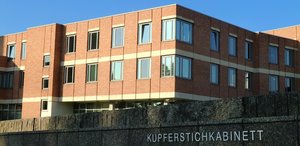
Kupferstichkabinett, BerlinKupferstichkabinett Berlin 2 Ambrosius and Hans, the sons of the artist, Kaiser Maximilian I in travel dress on horseback
Kunsthistorisches Museum, WiedeńKunsthistorisches Museum Wiedeń 2 Maria, the child a pomegranate-reaching, Maria, Kołysanka Maryi
Ermitaż, Sankt PetersburgErmitaż Sankt Petersburg 1 Portrait of the Artist's Sons
National Gallery of Denmark, KopenhagaNational Gallery of Denmark Kopenhaga 1 The head of a crossbowman taking aim
Toledo Museum of Art, ToledoToledo Museum of Art Toledo 1 Teile vom Hochaltar der Frankfurter Dominikanerkirche (Fragment)

Hans The Elder Holbein dekada po dekadzie: oryginały definiujące każdy okres

Dzieła według dekad

Wybierz dekadę, aby zobaczyć dzieło, które ją definiuje.

Pytania kolekcjonerów o obrazy Hans The Elder Holbein

Z jakiego dzieła najbardziej znany jest Hans The Elder Holbein?Odkryj odpowiedź

Death of the Virgin (1491), Szépművészeti Múzeum, Budapeszt. Następne są The Martyrdom of Saint Sebastian (1516) oraz Portrait of the Artist's Sons (1514).

Jakie są dziesięć najsłynniejszych obrazów, których autorem jest Hans The Elder Holbein?Odkryj odpowiedź

Death of the Virgin, The Martyrdom of Saint Sebastian, Portrait of the Artist's Sons, Portrait of a Woman, Matthäus Roritzer, Maria als Schmerzensmutter, Konrad Mörlin, Benediktinerabt an St. Ulrich und Afra, Augsburg, Sebastiansaltar, Anna Laminit i Maria mit dem schlafenden Christuskind. Powyższy ranking zawiera rok powstania oraz muzeum dla każdego z nich.

Ile obrazów pozostawił po sobie Hans The Elder Holbein?Odkryj odpowiedź

Nasz katalog zawiera 47 dzieł artysty Hans The Elder Holbein, datowanych od 1509 do 1520.

W których muzeach znajdują się arcydzieła Hans The Elder Holbein?Odkryj odpowiedź

W większości znajdują się w Szépművészeti Múzeum (Budapeszt), Alte Pinakothek (Monachium) i Thyssen-Bornemisza Museum (Madryt). Powyższa tabela muzeów zawiera ich pełną listę.

W których latach Hans The Elder Holbein namalował swoje najsłynniejsze dzieła?Odkryj odpowiedź

W 1510s: 10 z 41 dzieł na tej stronie powstało w tym czasie, w tym The Martyrdom of Saint Sebastian.

Jakie są pierwsze i ostatnie słynne oryginały Hans The Elder Holbein?Odkryj odpowiedź

Na tej stronie najwcześniejszy to Porträt der Katharina Schwarz mit den Attributen ihrer Nahmensheiligen (1509), a najpóźniejszy Maria mit dem schlafenden Christuskind (1520).

Jakie tematy Hans The Elder Holbein wybierał najczęściej?Odkryj odpowiedź

Portraiture (8), Woman (8) i Portrait (6), w ramach 41 dzieł na tej stronie.

Której techniki Hans The Elder Holbein używał najczęściej?Odkryj odpowiedź

Oil On Panel, dla 8 z 41 dzieł na tej stronie.

Do jakiego nurtu artystycznego należy Hans The Elder Holbein?Odkryj odpowiedź

Northern renaissance, sądząc po oryginałach na tej stronie.

Które dzieła Hans The Elder Holbein znajdują się w Szépművészeti Múzeum?Odkryj odpowiedź

Death of the Virgin i Death of the Virgin: Szépművészeti Múzeum, Budapeszt posiada 2 dzieł widocznych na tej stronie.

Hans The Elder Holbein: życie i twórczość

Hans Holbein Starszy: Mistrz Detalu i Portretu na Progu Renesansu

Urodzony około 1465 roku w tętniącym życiem artystycznym Augsburgu – poprawka wobec wcześniejszych przypisywań wskazujących na pochodzenie włoskie – Hans Holbein Starszy wyłonił się jako kluczowa postać, łącząca późnogotycką tradycję z nowatorskimi innowacjami północnego Renesansu. Jego życie toczyło się w okresie głębokich przemian religijnych i politycznych, co subtelnie, lecz istotnie wpłynęło na jego wizję artystyczną. W przeciwieństwie do wielu artystów, którzy udawali się na włoski półwysep w poszukiwaniu inspiracji, Holbein doskonalił swoje umiejętności w niemieckim krajobrazie artystycznym, czerpiąc wpływy od mistrzów takich jak Albrecht Dürer, jednocześnie rozwijając swój unikalny styl. Jego wczesna kariera rozkwitła w Bazylei, Szwajcarii, gdzie szybko zyskał uznanie jako twórca religijnych obrazów, skomplikowanych fresków zdobiących przestrzenie publiczne i prywatne oraz pięknie wykonanych ilustracji do książek. Jednak to jego rosnący talent portretowy ostatecznie zdefiniował jego dziedzictwo – uchwycił nie tylko podobieństwo, ale i esencję swoich modeli.

Synteza Stylów: Gotycka Szczegółowość i Renesansowy Humanizm

Podejście artystyczne Holbeina nie było radykalnym zerwaniem z przeszłością, lecz mistrzowskim połączeniem różnych wpływów. Nie porzucił on skrupulatnego detalu i precyzyjnego rysunku charakterystycznych dla późnogotyckiego okresu; wręcz przeciwnie, wkomponował je w humanistyczne ideały niosące się z Włoch do Europy. Widoczny jest wpływ Leonardo da Vinci i Sandro Botticellego – nie poprzez bezpośrednie naśladowanie, lecz przez przyjęcie ich nacisku na naturalizm, głębię psychologiczną i wyrafinowane zrozumienie anatomii. Ta fuzja zaowocowała portretami niezwykle realistycznymi, emanującymi obecnością rzadko spotykaną wcześniej. Posiadał nadzwyczajną zdolność do oddawania tekstur – połysku jedwabiu, ciężaru aksamitu, subtelnych niedoskonałości skóry – z zapierającym dech w piersiach realizmem. Maria, das Kind liebkosend (Maryja kołysząca Dzieciątko), stworzone w roku 1499 i znajdujące się obecnie w Kunsthistorisches Museum w Wiedniu, doskonale ilustruje to wczesne mistrzostwo; jest to pełne emocjonalnego rezonansu przedstawienie, osiągnięte dzięki delikatnym pociągnięciom pędzla i ostrej obserwacji ludzkiej formy. Jego tablica z inskrypcją ze św. Piotrem i Pawłem dodatkowo demonstruje jego umiejętności, ukazując nie tylko techniczną biegłość, ale również rozwijającą się wrażliwość narracyjną w kompozycjach.

Poza Podobieństwem: Uchwycenie Charakteru i Kontekstu

Portrety Holbeina to nie były jedynie ćwiczenia w wizualnej dokładności; stanowiły wnikliwe studia nad charakterem i statusem społecznym. Rozumiał, że odzież, biżuteria, a nawet postawa mogą zdradzić wiele o tożsamości i pozycji danej osoby w społeczeństwie. Nie malował jedynie *wyglądu* ludzi, lecz *kim* oni byli – ich ambicje, lęki, miejsce w świecie. Ta zdolność do uchwycenia głębi psychologicznej wyróżniała go spośród wielu ówczesnych artystów. Choć tworzył dzieła o tematyce religijnej przez całą swoją karierę, to właśnie skupienie się na portrecie utrwaliło jego reputację i zapewniło trwające wpływy. Jego prace dostarczają bezcennych wglądów w życie jednostek w okresie znaczących przemian, oferując historykom sztuki i entuzjastom artystycznym okno do skomplikowanej tkanki społecznej XVI wieku.

Trwałe Dziedzictwo: Wpływ i Ponowne Odkrycie

Mimo że w pewnych aspektach był nieco przyćmiony przez swojego sławniejszego syna, Hansa Holbeina Młodszego, wpływ Holbeina Starszego na historię sztuki jest niezaprzeczalny. Jego innowacyjne połączenie gatunków, połączone ze skrupulatną dbałością o szczegóły i wglądem psychologicznym, otworzyło drogę dla przyszłych pokoleń artystów portretowych. Jak słusznie zauważa historyk sztuki Ellis Waterhouse, nawet portrety tworzone przez jego syna zawdzięczają wiele umiejętnościom i wrażliwości estetycznej, które zostały w niego wpojenie podczas wczesnego szkolenia pod kierunkiem ojca. Dziś reprodukcje dzieł Holbeina – dostępne na platformach takich jak OriginalUniqueArt.com – pozwalają miłośnikom sztuki z całego świata docenić jego geniusz. Możliwość posiadania ręcznie malowanego olejem reprodukcji arcydzieł, takich jak Ambasadorowie (autorstwa młodszego Holbeina), w połączeniu z eksploracją wkładu Starszego, zapewnia bogatsze zrozumienie linii artystycznej i ewolucji portretu renesansowego. Jego dziedzictwo jest nadal celebrowane, przypominając nam o sile sztuki nie tylko odzwierciedlającej, ale również oświetlającej kondycję ludzką.