Early Renaissance · 1448
St Agnes (Zanobi Strozzi, 1448)
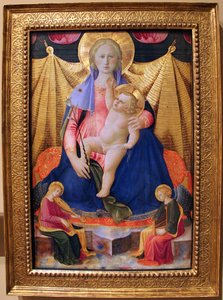
Zanobi Strozzi (1412–1468) stworzył St Agnes. Dzieło pochodzi z 1448. Należy do nurtu Early Renaissance. Wykonano w technice Tempera On Panel. Przechowywane jest w Konwent San Marco w Florencja, Włochy. Wymiary to 63 × 47 cm.
- 1448
- Tempera On Panel
- 63 × 47 cm
- Konwent San Marco, Florencja

 Podgląd w skali 1:1

 Ręcznie malowany obraz olejny
 Wyślij jako kartkę
 Udostępnij
 Karta informacyjna


 Pobierz obraz
 Podobne obiekty
 RTG
 Pokaz slajdów
 Pytania i odpowiedzi

 Statystyki
St Agnes w skrócie
- Tytuł
- St Agnes
- Artysta
- Zanobi Strozzi (1412–1468)
- Miejsce urodzenia artysty
- Florencja, Włochy
- Data powstania
- 1448
- Technika wykonania
- Tempera On Panel
- Wymiary
- 63 × 47 cm
- Gdzie można je zobaczyć
- Konwent San Marco, Florencja, Włochy
- Epoka
- Renaissance
- Temat
- st agnes, zanobi strozzi, renaissance art, tempera panel, religious painting, italian art
Co przedstawia St Agnes?
Zanobi Strozzi’s ‘St Agnes’: A Florentine Echo of Devotion
The tempera panel painting, “St Agnes,” attributed to Zanobi Strozzi and completed in 1448, is more than simply a depiction of a saint; it's a meticulously crafted window into the artistic sensibilities of early Renaissance Florence. Measuring just 63 x 47 cm, this work housed within the Museo di San Marco possesses an intimate quality that draws the viewer into its serene and profoundly devotional world. Strozzi, a pupil of the celebrated Fra Angelico, established himself as a master of detail and color, creating works imbued with a quiet spirituality that resonated deeply during his time.
- Subject & Narrative: The painting portrays Saint Agnes, martyred for her refusal to succumb to pagan temptations. The narrative is conveyed through the saint’s posture – dignified yet vulnerable – and the surrounding symbolic elements.
- Technique - Tempera on Panel: Strozzi's masterful use of tempera paint on a wooden panel creates a remarkable depth and luminosity. This technique, favored for its durability and ability to achieve rich colors, is evident in the subtle gradations of tone and the meticulous rendering of textures – from the folds of Agnes’ cloak to the intricate patterns adorning her surroundings.
A Symphony of Color and Decorative Detail
The visual impact of “St Agnes” stems largely from Strozzi's bold use of color and his extraordinary attention to decorative detail. Predominantly employing shades of blue, red, and gold – colors deeply associated with piety and royalty in the late medieval period – he constructs a complex tapestry of patterns that frame the central figure. Swirls, floral motifs, and other decorative elements aren’t merely ornamental; they serve as a visual language, amplifying the saint's solemnity and invoking a sense of heavenly grace. The background isn’t a simple backdrop but an active participant in the narrative, contributing to the overall atmosphere of reverence.
Historical Context & Artistic Influences
Created during a period of immense artistic innovation in Florence – a time when artists were rediscovering classical ideals while simultaneously developing their own unique styles – “St Agnes” reflects the evolving aesthetic sensibilities of the era. Strozzi’s close association with Fra Angelico undoubtedly influenced his approach, sharing a commitment to clarity, emotional intensity, and a profound sense of spirituality. The painting's style aligns perfectly with the artistic trends of the Florentine Renaissance, showcasing a sophisticated understanding of perspective and proportion, albeit within the constraints of the tempera medium.
Symbolism & Emotional Resonance
Beyond its technical brilliance, “St Agnes” is rich in symbolism. The red cloak, traditionally associated with sacrifice and martyrdom, underscores the saint’s tragic fate. The serene expression on her face conveys a sense of acceptance and unwavering faith. The overall effect is one of profound contemplation – an invitation to reflect on themes of devotion, courage, and ultimately, redemption. This painting continues to resonate with viewers today, offering a tangible connection to the artistic and spiritual values of Renaissance Florence.
W którym muzeum znajduje się St Agnes?
Konwent San Marco
Florencja, Włochy
Sanktuarium Wiary i Sztuki Klasztor San Marco stanowi niezwykłe świadectwo artystycznego dziedzictwa Florencji – to miejsce, w którym duch renesansu przeplata się z głęboką religijną pobożnością. Nie jest on jedynie domem dla arcydzieł; oferuje on immersyjną podróż do XV wieku, zapraszając zwiedzających do kontemplacji spuśczeniu Fra Angelico oraz Girolamo Savonarola w murach pięknie zachowanego dominikańskiego klasztoru. Założony pierwotnie jako klasztor vallombrosan w XIII wieku, San Marco przekształcił się w tętniące życiem centrum myśli humanistycznej i artystycznej innowacji dzięki mecenatowi Cosimo de' Medici – był to przełomowy moment, który zapewnił przybycie zreformowanego zakonu dominikanów i zapoczątkował erę niespotykanej kreatywności.


Zdjęcia w wysokiej rozdzielczości dzieła St Agnes
Domena publiczna: artysta zmarł w 1468.
Zanobi Strozzi, St Agnes (1448), Konwent San Marco. Domena publiczna
Odpowiedzi na pytania dotyczące St Agnes
W którym muzeum znajduje się oryginał "St Agnes"?
Oryginał dzieła „St Agnes” – Zanobi Strozzi znajduje się w Konwent San Marco, Florencja, Włochy. Reprodukcja pozwala na eksponowanie pracy w domu.
W którym roku powstało „St Agnes” – Zanobi Strozzi?
"St Agnes" powstało w 1448 roku. Data ta pozwala umiejscowić dzieło w kontekście twórczości Zanobi Strozzi oraz epoki, w której powstało.
W jakiej technice wykonano „St Agnes” – Zanobi Strozzi?
Zanobi Strozzi wykorzystał/a technikę Tempera On Panel w pracy „St Agnes”. Technika ta definiuje materię oryginalnego dzieła.
Jakie są wymiary oryginału "St Agnes"?
Oryginalne wymiary dzieła „St Agnes” to 63 x 47 cm. Znajomość pierwotnej skali może być pomocna przy wyborze odpowiedniego rozmiaru reprodukcji.
Co przedstawia "St Agnes"?
„St Agnes” – Zanobi Strozzi przedstawia: st agnes, zanobi strozzi, renaissance art, tempera panel, religious painting, italian art, medieval text.
Czy obraz „St Agnes” – Zanobi Strozzi można swobodnie reprodukować?
„St Agnes” – Zanobi Strozzi znajduje się w domenie publicznej (należy do domeny publicznej – autorskie prawa majątkowe wygasły). Status ten określa zasady reprodukcji obrazu tego dzieła.
Kto jest autorem dzieła "St Agnes"?
„St Agnes” zostało stworzone przez Zanobi Strozzi. Informacje na tej stronie dotyczą oryginalnego dzieła autorstwa Zanobi Strozzi.
Do jakiego nurtu artystycznego należy „St Agnes” – Zanobi Strozzi?
„St Agnes” – Zanobi Strozzi należy do nurtu Early Renaissance. Nurt ten stanowi stylistyczny kontekst dzieła.
Do którego okresu twórczości Zanobi Strozzi należy dzieło "St Agnes"?
W dorobku artystycznym Zanobi Strozzi dzieło „St Agnes” przypada na Early Renaissance. Ten etap pozwala zestawić je z innymi pracami twórcy.
O artyście: Zanobi Strozzi
1412–1468, Włochy
Zanobi Strozzi
Florentyński Wizjoner: Życie i Dziedzictwo Zanobi Strozzi W złotej erze florenckiego Renesansu, kiedy światło i cień zaczęły tańczyć z nowo odkrytą humanistyczną głębią, nazwisko Zanobi Strozzi wyłoniło się jako istotna nić w artystycznej tkaninie miasta. Urodzony w 1412 roku w znamienitej rodzinie Strozzi, wczesne lata Zanobiego zostały ukształtowane przez głębokie przemiany polityczne Florencji. Choć jego pochodzenie wiązało go z arystokracją, przedwczesna śmierć ojca, gdy Zanobi miał zaledwie piętnaście lat, pchnęła go ku zupełnie innego rodzaju przeznaczeniu. Ten okres osobistej straty zaprowadził go w transformujące objęcia praktyki pod okiem Battisty di Biagio Sanguigniego – mentora, który ostatecznie wyćwiczył jego dłoń i zaszczepił w nim techniczną precyzję niezbędną do opanowania delikatnej sztuki iluminacji manuskryptów oraz malarstwa tablicowego.
Inne prace Zanobi Strozzi
 Madonna and Child with Angels1434
 Camaldolese Friars in Choir1450
 The Annunciation1442
 Virgin and Child with Four Angels and the Redeemer1450
Eseje o St Agnes
 From Gold to Gravity: Italo-Byzantine Style vs. the Proto-RenaissanceMaster the shift from Byzantine gold to Proto-Renaissance naturalism. Learn to spot the evolution of art history today.
 Italian early Renaissance paintersMasterpieces by Botticelli and Giotto define the Italian Early Renaissance. Explore the full collection online at OriginalUniqueArt.com.
 Divine Beauty: The 25 Most Iconic Masterpieces by Fra AngelicoJourney through the divine beauty of Fra Angelico's finest works. Explore 25 iconic Renaissance masterpieces, from ethereal frescoes to sac…