Cubism · 1966
Study for Kites (William Roberts, 1966)
William Roberts (1895–1980) stworzył Study for Kites. Dzieło pochodzi z 1966. Należy do nurtu Cubism. Wykonano w technice Watercolor. Przechowywane jest w Royal Albert Memorial Museum - Art Gallery w Exeter, United Kingdom.
- 1966
- Watercolor
- Royal Albert Memorial Museum - Art Gallery, Exeter

 Podgląd w skali 1:1

 Ręcznie malowany obraz olejny
 Wyślij jako kartkę
 Udostępnij
 Karta informacyjna


 Pobierz obraz
 Podobne obiekty
 RTG
 Pokaz slajdów
 Pytania i odpowiedzi

 Statystyki
Study for Kites w skrócie
- Tytuł
- Study for Kites
- Artysta
- William Roberts (1895–1980)
- Miejsce urodzenia artysty
- London, United Kingdom
- Data powstania
- 1966
- Technika wykonania
- Watercolor
- Gdzie można je zobaczyć
- Royal Albert Memorial Museum - Art Gallery, Exeter, United Kingdom
- Ruch
- Cubism
- Epoka
- Modern
- Temat
- people, kites, sand, group of people, outdoor scene
Co przedstawia Study for Kites?
W którym muzeum znajduje się Study for Kites?
Royal Albert Memorial Museum - Art Gallery
Exeter, United Kingdom
A Sanctuary of Stories: Unveiling the Royal Albert Memorial Museum Nestled within the historic heart of Exeter, Devon, the Royal Albert Memorial Museum (RAMM) isn’t merely a repository for artifacts; it's an immersive journey through time and culture. Stepping through its imposing Gothic Revival doors is akin to entering a meticulously curated world where centuries collide, diverse traditions converge, and the echoes of the past resonate with vibrant contemporary life. The building itself—a magnificent testament to local New Red Sandstone – immediately captivates, its warm hues radiating an inviting atmosphere that belies the extraordinary breadth of treasures within.


Zdjęcia w wysokiej rozdzielczości dzieła Study for Kites

Chronione prawem autorskim: pliki te służą wyłącznie do osobistego wglądu i nie stanowią licencji na ich powielanie.
William Roberts, Study for Kites (1966), Royal Albert Memorial Museum - Art Gallery.
Odpowiedzi na pytania dotyczące Study for Kites
W którym muzeum znajduje się oryginał "Study for Kites"?
„Study for Kites” – William Roberts znajduje się w zbiorach Royal Albert Memorial Museum - Art Gallery, Exeter, United Kingdom. Informacja o muzeum dotyczy oryginału, a nie reprodukcji.
W którym roku powstało dzieło „Study for Kites” – William Roberts?
"Study for Kites" powstało w 1966 roku. Data ta pozwala umiejscowić dzieło w kontekście twórczości William Roberts oraz epoki, w której powstało.
W jakiej technice wykonano „Study for Kites” – William Roberts?
William Roberts wykorzystał/a technikę Watercolor w pracy „Study for Kites”. Technika ta definiuje materię oryginalnego dzieła.
Co przedstawia „Study for Kites” – William Roberts?
Tematyka dzieła "Study for Kites" to people, kites, sand, group of people, outdoor scene.
Czy „Study for Kites” – William Roberts znajduje się w domenie publicznej?
„Study for Kites” – William Roberts znajduje się w domenie publicznej (nadal objęte ochroną prawa autorskiego). Status ten określa zasady reprodukcji obrazu tego dzieła.
Któremu artyście przypisuje się "Study for Kites"?
„Study for Kites” zostało stworzone przez William Roberts. Informacje na tej stronie dotyczą oryginalnego dzieła autorstwa William Roberts.
Do jakiego nurtu artystycznego należy „Study for Kites” – William Roberts?
„Study for Kites” – William Roberts należy do nurtu Cubism. Nurt ten stanowi stylistyczny kontekst dzieła.
Do którego okresu twórczości William Roberts należy dzieło "Study for Kites"?
W dorobku artystycznym William Roberts dzieło „Study for Kites” przypada na Late Period. Ten etap pozwala zestawić je z innymi pracami twórcy.
Ile lat miał William Roberts, gdy powstało dzieło „Study for Kites”?
William Roberts miał 71 lat w momencie powstania „Study for Kites” w 1966. Wiek ten obliczono na podstawie roku urodzenia artysty, 1895.
O artyście: William Roberts

1895–1980, United Kingdom
William Roberts
The Architect of Fragmented Reality: The Life of William Patrick Roberts In the turbulent landscape of early twentieth-century British art, few figures navigated the tension between tradition and the avant-garde as uniquely as William Patrick Roberts. Born in London in 1895, Roberts emerged during a period of profound aesthetic upheaval, where the stability of Victorian realism was being dismantled by the rapid pulse of modernity. As an artist often categorized as an English Cubist, he did not merely adopt a style; he forged a visual language that captured the fractured, energetic essence of a world in transition. His journey was one of constant movement, reflecting the very dynamism he sought to portray on canvas.
Inne prace William Roberts
 The Boxing Match1890
 The First German Gas Attack at Ypres1918
 The Cinema1920
 The Garden of Eden1926
Eseje o Study for Kites
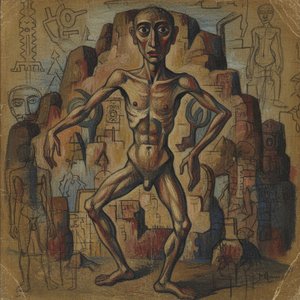 Henry Lamb: Reassessing Modern British Primitivism & the Poetics of DiscomfortExplore the compelling work of Henry Lamb, a key figure in British Primitivism. Discover his unsettling portraits, poignant war art & uniqu…
 Cubism and Futurism: A Comparison of Form and MotionMaster the differences between Cubism and Futurism through expert analysis. Explore the evolution of modern art today.
 Geometry with Purpose: Distinguishing Suprematism from ConstructivismMaster the differences between Suprematism and Constructivism with our expert guide. Discover the soul of the Russian avant-garde now.