Rozmiar tekstu
Holy Cross Abbey - autorstwa William Henry Bartlett, olej na płótnie, malowane ręcznie

() ·

Obraz stworzony dla Ciebie, własnoręcznie

Holy Cross Abbey - (William Henry Bartlett) Obraz olejny, namalowany ręcznie wyłącznie dla Ciebie

Obraz olejny, malowany ręcznie specjalnie dla Ciebie

Ręcznie malowany obraz olejny na płótnie, wykonany na zamówienie przez naszych artystów w wybranym przez Ciebie wymiarze i oprawie. ( Wersja olejowa )

Ręcznie malowany obraz olejny od zł996, wymiary: 26 x 38 cm

Holy Cross Abbey - autorstwa William Henry Bartlett oraz to, co czyni to dzieło wyjątkowym

A detailed steel engraving of stone ruins by a river, where a bridge leads the eye toward the quiet, atmospheric arches of the abbey.

William Henry Bartlett: biografia

William Henry Bartlett (1809-1854) – brytyjski ilustrator topograficzny, znany z precyzyjnych rysunków krajobrazów i architektonicznych. Jego prace to wizualna podróż przez Anglię, Amerykę i Bliski Wschód!

od zł996 ·

Rozdział 1

Jak duży powinien być ten format?

Przesuń suwak, aby zmienić rozmiar; obraz po lewej stronie przedstawia ramę w jej rzeczywistej szerokości. Zachowano proporcje oryginału.

Wybierz spośród naszych standardowych rozmiarów, które zachowują oryginalne proporcje dzieła sztuki.

szerokość
wysokość

Wpisz wymaganą szerokość i wysokość, aby obraz pasował do Twojej ramy lub ściany. Ponieważ jest to dzieło malowane ręcznie, w przypadku rozmiaru o innych proporcjach artysta może domalować nieco więcej wokół obrazu lub przyciąć jego fragmenty — wybór należy do Ciebie. Przed rozpoczęciem pracy prześlemy Ci cyfrową wizualizację do zatwierdzenia. Obraz widoczny na tej stronie nie przedstawia rzeczywistego efektu — jedynie wizualizacja oddaje realny rezultat.

Standardowy format
personalizowane
CM
CALE

Rozdział 2

W jaki sposób ma zostać dostarczone?

Wybierz krawędzie płótna naciągniętego na ramę

Wybierz ramę

Próbka narożnika wykończenia krawędzi płótna WhiteWrap, naciągniętego na listwy lite drewno
Białe krawędzie zł1
Próbka narożnika wykończenia krawędzi płótna BlurSideWrap, naciągniętego na listwy lite drewno
rozmyte krawędzie zł1
Próbka narożnika wykończenia krawędzi płótna ExtendedWrap, naciągniętego na listwy lite drewno
Przedłużony zł1
Próbka narożnika ramy obrazu P118B: polistyren formowany, szerokość 5 cm i grubość 3 cm
P118B zł10
Próbka narożnika ramy obrazu P118H: polistyren formowany, szerokość 5 cm i grubość 3 cm
P118H zł10
Próbka narożnika ramy obrazu P118W: polistyren formowany, szerokość 5 cm i grubość 3 cm
P118W zł10
Próbka narożnika ramy obrazu P438Z: polistyren formowany, szerokość 5.5 cm i grubość 3.5 cm
P438Z zł10
Próbka narożnika ramy obrazu P508JH: polistyren formowany, szerokość 7 cm i grubość 3.5 cm
P508JH zł12
Próbka narożnika ramy obrazu P508YH: polistyren formowany, szerokość 7 cm i grubość 3.5 cm
P508YH zł12
Próbka narożnika ramy obrazu P805H: polistyren formowany, szerokość 5 cm i grubość 3.5 cm
P805H zł10
Próbka narożnika ramy obrazu P805Z: polistyren formowany, szerokość 5 cm i grubość 3.5 cm
P805Z zł10
Próbka narożnika ramy obrazu P919BZ: polistyren formowany, szerokość 7 cm i grubość 3.5 cm
P919BZ zł10
Próbka narożnika ramy obrazu P919G: polistyren formowany, szerokość 7 cm i grubość 3.5 cm
P919G zł10
Próbka narożnika ramy obrazu P919XJ: polistyren formowany, szerokość 7 cm i grubość 3.5 cm
P919XJ zł10
Próbka narożnika ramy obrazu P959ZH: polistyren formowany, szerokość 5 cm i grubość 3 cm
P959ZH zł10
Próbka narożnika ramy obrazu P968JZ: polistyren formowany, szerokość 6 cm i grubość 4 cm
P968JZ zł12
Próbka narożnika ramy obrazu W106C: lite drewno, szerokość 5 cm i grubość 3 cm
W106C zł8
Próbka narożnika ramy obrazu W218G: lite drewno, szerokość 5 cm i grubość 3 cm
W218G zł10
Próbka narożnika ramy obrazu W218JH: lite drewno, szerokość 5 cm i grubość 3 cm
W218JH zł8
Próbka narożnika ramy obrazu W218Y: lite drewno, szerokość 5 cm i grubość 3 cm
W218Y zł10
Próbka narożnika ramy obrazu W307PJ: lite drewno, szerokość 6 cm i grubość 3 cm
W307PJ zł10
Próbka narożnika ramy obrazu W316G: lite drewno, szerokość 6 cm i grubość 3 cm
W316G zł10
Próbka narożnika ramy obrazu W316PJ: lite drewno, szerokość 6 cm i grubość 3 cm
W316PJ zł8
Próbka narożnika ramy obrazu W316Y: lite drewno, szerokość 6 cm i grubość 3 cm
W316Y zł10
Próbka narożnika ramy obrazu W398PJ: lite drewno, szerokość 5 cm i grubość 3 cm
W398PJ zł8
Próbka narożnika ramy obrazu W4111J: lite drewno, szerokość 6.5 cm i grubość 3.5 cm
W4111J zł10
Próbka narożnika ramy obrazu W500HY: lite drewno, szerokość 7 cm i grubość 5 cm
W500HY zł15
Próbka narożnika ramy obrazu W500JH: lite drewno, szerokość 7 cm i grubość 5 cm
W500JH zł15
Próbka narożnika ramy obrazu W692G: lite drewno, szerokość 8 cm i grubość 4 cm
W692G zł12
Próbka narożnika ramy obrazu W849H: lite drewno, szerokość 5 cm i grubość 3 cm
W849H zł8
Próbka narożnika ramy obrazu W940BG: lite drewno, szerokość 7.5 cm i grubość 4.5 cm
W940BG zł15
Próbka narożnika ramy obrazu W953PJ: lite drewno, szerokość 6 cm i grubość 3.5 cm
W953PJ zł8
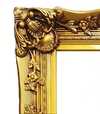
Próbka narożnika ramy obrazu H24-GOLD: rzeźbione drewno pokryte gipsem, szerokość 10 cm i grubość 6 cm
H24-GOLD zł30
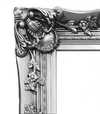
Próbka narożnika ramy obrazu H24-SILVER: rzeźbione drewno pokryte gipsem, szerokość 10 cm i grubość 6 cm
H24-SILVER zł30
Próbka narożnika ramy obrazu H36-GOLD: rzeźbione drewno pokryte gipsem, szerokość 15 cm i grubość 6.5 cm
H36-GOLD zł70
Próbka narożnika ramy obrazu H36-SILVER: rzeźbione drewno pokryte gipsem, szerokość 15 cm i grubość 6.5 cm
H36-SILVER zł70

Profil: . Wymiar całkowity w ramie: .

Rozdział 3

Kto go maluje i czy coś powinno ulec zmianie?

Przykłady możliwych zmian: Zastąpienie twarzy zdjęciem klienta; Dodanie zwierzęcia (np. zamiana kota na psa); Ukrycie wiadomości w tle; Zmiana krajobrazu lub elementów tła.
Po złożeniu zamówienia zespół OriginalUniqueArt.com skontaktuje się z klientem drogą mailową w celu uzyskania instrukcji i prześle podgląd projektu

Rozdział 4

Dostawa na cały świat () w 3/4 tygodnie zamiast standardowych 4/5 tygodni (26 Grudzień). Bez kompromisów w kwestii jakości.

Ostatnie szlify

Tabliczka informacyjna, jak w muzeum?

Szczegóły grawerowanej brązowej tabliczki

Ta elegancka tabliczka zawiera imię i nazwisko artysty oraz tytuł dzieła, precyzyjnie wygrawerowane dla ponadczasowej prezentacji.

Wykonana z brązu o wyrafinowanym, eleganckim wykończeniu. Tekst jest precyzyjnie grawerowany laserowo, co zapewnia wyraźny i trwały efekt. Tabliczka o wymiarach 9x2 cm jest kompaktowa, a jednocześnie czytelna. Została zaprojektowana tak, aby była trwała i odporna na zarysowania, zapewniając profesjonalny wygląd o jakości muzealnej. Montaż jest prosty dzięki dołączonej taśmie mocującej.

Szczegóły przezroczystej tabliczki akrylowej

Tabliczka zawiera niezbędne grawerowane informacje, takie jak nazwisko artysty, tytuł dzieła, data powstania, rodzaj użytych materiałów – np. olej na płótnie lub akwarela – krótki opis pracy oraz kod QR prowadzący do pełnych informacji o dziele.

Wykonana z przezroczystego akrylu, zapewnia gładkie, nowoczesne wykończenie. Tekst jest grawerowany metodą UV w kolorze czarnym, co zapewnia wyraźny kontrast. Dzięki wymiarom 10x15 cm tabliczka zapewnia optymalną czytelność. Jest wyposażona w dwa metalowe uchwyty, które umożliwiają bezpieczny montaż na ścianie. Tabliczka jest odporna na warunki atmosferyczne, dzięki czemu nadaje się do ekspozycji w różnych miejscach, a także posiada funkcje interaktywne, które współpracują z telefonami komórkowymi po zeskanowaniu.

Szczegóły czarnej tabliczki akrylowej

Ta elegancka tabliczka zawiera wygrawerowane informacje, takie jak nazwisko artysty, tytuł dzieła, data powstania, technika wykonania (np. olej na płótnie lub akwarela), krótki opis utworu oraz kod QR umożliwiający szybki dostęp do dodatkowych informacji.

Tabliczka wykonana jest z wysokiej jakości czarnego akrylu o eleganckim wykończeniu. Tekst jest grawerowany laserowo na biało, co zapewnia wysoki kontrast i doskonałą czytelność. Tabliczka o wymiarach 10x15 cm została zaprojektowana tak, aby była łatwa do odczytania. W zestawie znajdują się dwa metalowe uchwyty umożliwiające profesjonalny montaż. Nowoczesny design sprawia, że tabliczka pasuje do każdego stylu wnętrza. Jest ona również odporna na warunki atmosferyczne i trwała, a dzięki wbudowanej integracji cyfrowej zapewnia kompatybilność z urządzeniami mobilnymi.

Werniks ochronny?

Kiedy potrzebujesz dostawy?

Rozdział 5

Twoje dzieło, dokładnie tak, jak zamówiłeś

Holy Cross Abbey -

Technika reprodukcji

Wymiary reprodukcji

-

Wybitny mistrz artystyczny

Większa szczegółowość, finezja i dodatkowy czas na realizację

-

Opcje oprawy reprodukcji

-

-

W przypadku dzieł sztuki lub reprodukcji, których którykolwiek z boków przekracza 105 cm (około 41 cali), rama zostanie wysłana w formie zestawu do samodzielnego montażu. Metoda ta zapewnia bezpieczną dostawę i zapobiega uszkodzeniom podczas transportu.

Wymagany profesjonalny montaż – nie jest to produkt typu DIY.
Zestaw musi zostać złożony, a płótno naciągnięte przez doświadczonego profesjonalnego ramiarza, przy użyciu kleju do drewna (brak w zestawie), kleszczy do naciągania płótna oraz ścisków, które utrzymają krosna w równej pozycji podczas schnięcia kleju. Nieprawidłowy montaż lub nierównomierne napięcie płótna może trwale uszkodzić dzieło sztuki i nie podlega naszej gwarancji.

  • W zestawie znajdują się wszystkie listwy z litego drewna, precyzyjnie docięte do wymiarów.

  • Montaż odbywa się przy użyciu dołączonych wkrętów oraz kleju do drewna do łączenia narożników, którego zestaw nie zawiera i który musi zostać dostarczony przez ramiarza.

  • Wymagane są profesjonalne narzędzia, których nie ma w zestawie: kleszcze do naciągania płótna (napinacz) oraz zaciski, które pozwolą utrzymać listwy w równej pozycji podczas schnięcia kleju.

Ważne:
Do połączenia narożników niezbędny jest klej do drewna, listwy należy unieruchomić za pomocą ścisków do momentu całkowitego wyschnięcia kleju, a naciągnięcie płótna na złożoną ramę wymaga użycia kleszczy do naciągania płótna. Żaden z tych elementów nie jest dołączony do zestawu. Przed zamówieniem tego rozmiaru zalecamy konsultację z doświadczonym ramiarzem.

Etykieta obiektu

-

-

Lakier ochronny

Lakier z połyskiem (pogłębia kolory, chroni przed światłem i wilgocią)

-

Personalizacja dzieła

Przykłady możliwości personalizacji: zastąp twarz zdjęciem klienta; dodaj zwierzę domowe (np. zamień kota na psa); umieść ukrytą wiadomość w tle; zmień krajobraz lub elementy tła.

-

Ekspresowa

Dostawa na cały świat () w ciągu 3/4 tygodni zamiast standardowych 4/5 tygodni (26 Grudzień). Bez kompromisów w kwestii jakości.

-

Przesyłka ekspresowa

Dostawa na cały świat () w ciągu 4-5 tygodni. (2 Styczeń).

W cenie

Cena całkowita

zł 1458

Suma całkowita zł 1458

Opcja ze szkłem jest dostępna wyłącznie w rozmiarach poniżej 110 cm

W każdym zamówieniu

  • Bezpłatna ekspresowa wysyłka na cały świat
  • Wysokiej jakości płótno lniane
  • Pełne ubezpieczenie przesyłki
  • Gwarancja zwrotu należności celnych i podatków importowych
  • Gwarancja wiernego odwzorowania kolorów
  • 100 dni na zwrot, gwarancja zwrotu pieniędzy
  • Gwarancja 100% zwrotu pieniędzy
  • Zniżka przy zakupie wielu sztuk

The Depiction of Holy Cross Abbey

In Holy Cross Abbey - by William Henry Bartlett, the viewer finds themselves standing before the weathered remains of a Cistercian monastery. The scene unfolds along the banks of the River Suir, where the water flows quietly past the stone structures. This site, located in Holycross near Thurles, County Tipperary, Ireland, appears through the artist's eyes as a place where nature and architecture have begun to merge. The abbey's ruins rise from the landscape, their pointed arches and heavy masonry catching the light in a way that suggests a long, quiet history of presence and decay.

William Henry Bartlett captures the abbey not as a static monument, but as a living part of the Irish countryside. The river provides a reflective surface for the surrounding trees and the skeletal remains of the monastic buildings. There is a sense of stillness here. The architecture, once a center of religious life, now rests amidst the foliage and the shifting shadows of the riverbank. Every line in the engraving traces the texture of the stone and the movement of the water, grounding the viewer in this specific, tranquil corner of Tipperary.

Composition and Visual Elements

The abbey sits centrally within the frame, its weathered stone architecture anchoring the landscape. To the left, a stone bridge reaches into the scene, its path guiding the eye toward the heart of the ruins. In the foreground, the water rests in a calm, reflective surface that mirrors the sky and the surrounding structures. This liquid plane adds a sense of depth, pulling the viewer toward the architectural remains. On the left side of the image, two figures appear to be resting or observing the view, their presence providing a sense of scale against the massive stone walls.

Trees and dense foliage frame the sides of the view, creating a natural enclosure that focuses all attention on the abbey. The interplay of light and shadow defines the scene, with bright highlights catching the edges of the pointed arches and the ripples on the water. These highlights contrast against deep, dark shadows tucked within the crevices of the masonry and the thickets of the trees. The verticality of the abbey's ruins cuts through the horizontal lines of the bridge and the shoreline, creating a structured tension between the man-made stone and the organic shapes of the natural world.

Technique and Artistic Style

The scene unfolds through the meticulous precision of a fine-line engraving. Every stone in the abbey and every ripple in the water emerges from a web of delicate, intersecting lines. This work belongs to the tradition of 19th-century Romantic landscape art, where the atmosphere carries a heavy sense of drama and history. The artist does not rely on color to convey mood; instead, the entire composition lives within a strict monochromatic realm of gray, black, and white. Deep shadows pool in the recesses of the architecture, while bright, stark whites catch the light on the edges of the ruins and the surface of the river.

Before the steel plate ever met the engraver's tool, the vision began as a sepia wash drawing. These initial sketches captured the subtle nuances of light and shadow, providing a blueprint for the intense detail seen in the final print. The artist then transferred these observations onto steel plates, where the metal was cut with exacting care to translate soft washes into sharp, permanent lines. This transition from the fluid movement of a drawing to the rigid, disciplined nature of steel engraving allows for a clarity that brings the textures of foliage and weathered masonry into sharp relief.

The History of the Abbey Site

The stones of this Cistercian monastery hold memories reaching back to the 1180s, when Dónal Mór Ó Briain founded the site. For centuries, it functioned as a sacred space, drawing pilgrims who sought the presence of a relic of the True Cross. This spiritual life faced a sudden fracture in 1536 during the Henrician Reformation, when the abbey was suppressed. The landscape of power shifted as the lands were granted to Thomas Butler, the 10th Earl of Ormond, in 1561.

As the years pass, the abbey transitioned from a place of active prayer to a site of quiet decay. Following the Cromwellian conquest, the buildings fell into ruins. After 1740, local people began to use these roofless remains as a burial place. The site eventually gained official protection when it became a scheduled national monument in 1880. Despite the long silence of the ruins, the site eventually returned to its original purpose, seeing restoration as a place of Catholic worship in 1969.

Theft and Recovery of Relics

Shadows fall heavily over the site following a sudden robbery on 11 October 2011. The silence of the ruins is broken by the news that two crosses have been stolen. These are no ordinary objects; they carry the weight of history and the presence of the True Cross. The loss leaves a void in the spiritual heart of the abbey, a sudden absence where sacred remnants once rested.

Hope returns as the months pass. In January 2012, the authorities, specifically An Garda Siochána, successfully locate the missing items. The relics are recovered, appearing once again after their brief, uncertain disappearance. They are returned to the Abbey, restored to their place within the stone walls, ensuring the continuity of the site's long history of veneration.

The Artist's Career and Travels

Born in 1809 in Kentish Town, London, United Kingdom, William Henry Bartlett begins his path not with a brush, but through the disciplined eyes of an apprentice. Under the guidance of John Britton, he learns to see the world through the lens of time, absorbing the intricate details of architecture and the stories etched into stone. This early training shapes a man who seeks to capture the very essence of a place through meticulous observation.

His life is one of constant movement across vast distances. He moves beyond the familiar shores of Britain to explore the rugged landscapes of the Balkans and the ancient reaches of the Middle East. Between 1836 and 1852, he makes four visits to North America, documenting a rapidly changing landscape with a precision that brings distant vistas into the homes of many. His sketches and drawings are the precursors to detailed steel engravings that record the textures of a world in transition.

The movement eventually leads him toward the Mediterranean. On 13 September 1854, his travels reach a sudden end off the coast of Malta, where he passes away while aboard a French ship. His life remains a collection of these observed sights, from the quiet corners of Europe to the expansive territories of the New World.

The Legacy of William Henry Bartlett

The influence of this British topographical artist and illustrator ripples through the history of nineteenth-century visual documentation. His intricate steel engravings possess a clarity that draws the eye toward every fine line and shadow. These works find their way into the hands of many through collaborative volumes, where they accompany descriptive texts to bring distant landscapes to life. Because his vision is so distinct, his engravings are widely copied by other artists, spreading his specific way of seeing across many different mediums and collections.

He remains a prominent figure in the study of topography from this era. His ability to translate a scene into a detailed print allows the viewer to feel the presence of the architecture and the weight of the stone. Through his meticulous technique, he captures the essence of a place, ensuring that the details of the landscape remain fixed for those who study his work. His legacy lives on in the precision of his lines and the enduring popularity of his published views.

Pytania i odpowiedzi

Czy Holy Cross Abbey - jest dziełem namalowanym ręcznie, czy wydrukiem?

Malowane ręcznie: wykwalifikowany artysta wykonuje olejną kopię Holy Cross Abbey - na płótnie lnianym.

Jaki rozmiar wybrać dla Holy Cross Abbey -?

Dostępne rozmiary obejmują zakres od 26.3 x 38.0 cm (zł996) do 167.7 x 242.6 cm (zł7060); tabela na tej stronie przedstawia główne warianty oraz ich ceny.

Ile trwa dostawa?

Czas dostawy wynosi od 4 do 5 tygodni, przy czym oferujemy bezpłatną ekspresową wysyłkę na cały świat; na tej stronie dostępna jest również opcja pilnej produkcji. Możesz dokonać zwrotu w ciągu 100 dni z pełnym zwrotem kosztów, bez żadnych dodatkowych warunków.

Jakiej techniki użył/a William Henry Bartlett w pracy Holy Cross Abbey -?

Engraving

Więcej o tym obrazie

Podgląd w skali 1:1 Podgląd AR Wersja olejowa Wyślij jako kartkę
Szczegóły dzieła Karta informacyjna Dodaj do ulubionych Pobierz obraz Podobne obiekty RTG Pokaz slajdów Pytania i odpowiedzi Pobierz prezentację Statystyki

W liczbach

  • 29dostępne ramy do wyboru
  • standardowe formaty, w ich własnych proporcjach
  • 5tygodni na namalowanie i dostarczenie dzieła
William Henry Bartlett

William Henry Bartlett

1809 - 1854, Wielka Brytania

Krótkie informacje o William Henry Bartlett

  • Artistic Movement Or Style: Topografia
  • Artists Or Movements Influenced By This Artist: ['Victorian']
  • Artists Who Influenced This Artist: ['John Britton']
  • Date Of Birth: 26 marca 1809
  • Date Of Death: 13 września 1854
  • Full Name: William Henry Bartlett
  • Nationality: Brytyjczyk
  • Notable Artworks:
    • American Scenery
    • Canadian Scenery
    • Jeruzalem
    • Pilgrims
  • Place Of Birth: Londyn, Wielka Brytania

Najważniejsze informacje

  • Artysta: William Henry Bartlett
  • Technika wykonania: Engraving
  • Artistic style: Romanticism
  • Title: Holy Cross Abbey -

  • Artist: William Henry Bartlett

Quiz

Do każdego pytania dotyczy tylko jedna poprawna odpowiedź.

Pytanie 1:
What is the primary medium used for this artwork?
Pytanie 2:
Which architectural elements are used to define the buildings in the scene?
Pytanie 3:
What is the color palette of the artwork?
Pytanie 4:
What type of landscape feature is positioned in the foreground to create depth?
Pytanie 5:
According to the description, what is the primary subject matter?