Podgląd w skali
 Wyślij jako kartkę
 Udostępnij
 Szczegóły dzieła

 Pobierz
 Podobne obiekty
 RTG
RTG Pokaz slajdów
 Statystyki
Powrót Zmartwychwstania


 Rozwiń treść
Ręcznie malowana reprodukcja olejowa
Ręcznie malowany obraz olejny na płótnie, wykonany na zamówienie przez naszych artystów w wybranym przez Ciebie wymiarze i oprawie. ( Przełącz na wydruki Przełącz na obraz cyfrowy)




P118B $10

P118H $10

P118W $10

P438Z $10

P508JH $12

P508YH $12

P805H $10

P805Z $10

P919BZ $10

P919G $10

P919XJ $10

P959ZH $10

P968JZ $12

W106C $8

W218G $10

W218JH $8

W218Y $10

W307PJ $10

W316G $10

W316PJ $8

W316Y $10

W398PJ $8

W4111J $10

W500HY $15

W500JH $15

W692G $12

W849H $8

W940BG $15

W953PJ $8




Wybierz spośród naszych standardowych rozmiarów, które zachowują oryginalne proporcje dzieła sztuki.

Możesz wprowadzić własne wymiary, aby dopasować obraz do konkretnej ramy lub przestrzeni. Jeśli wybrany rozmiar nie będzie odpowiadał proporcjom oryginału, przytniecie dzieło sztuki lub rozszerzymy je o dodatkowe elementy, ręcznie domalowane przez artystę. Przed rozpoczęciem produkcji wyślemy projekt cyfrowy do Twojej akceptacji.
Należy pamiętać, że podgląd na ekranie nie odzwierciedla rzeczywistego przycinania ani rozszerzania obrazu. Tylko projekt dokładnie pokaże ostateczną kompozycję.
Choć oferujemy możliwość zamówienia niestandardowych rozmiarów, zalecamy wybór wymiaru z gotowej listy, aby zachować oryginalne proporcje dzieła.
Po złożeniu zamówienia zespół OriginalUniqueArt.com skontaktuje się z klientem drogą mailową w celu uzyskania instrukcji i prześle wizualizację projektu
Dostawa na całym świecie () w ciągu 3–4 tygodni zamiast standardowych 5 tygodni. (13 Wrzesień). Bez kompromisów w kwestii jakości.

Bezpłatna ekspresowa wysyłka na cały świat

Wysokiej jakości płótno lniane

Pełne ubezpieczenie przesyłki

Gwarancja zwrotu należności celnych i podatków importowych

Gwarancja wiernego odwzorowania kolorów

100-dniowa polityka zwrotów (tylko w przypadku wad)

Gwarancja 100% zwrotu kosztów

Zniżka przy zamówieniu wielu produktów
 Opcja ze szkłem jest dostępna wyłącznie w rozmiarach poniżej 110 cm

Powrót Zmartwychwstania
Technika reprodukcji
Wymiary reprodukcji
-


Cena całkowita
$ 525
William Blake’s “The Resurrection”: A Vision of Spiritual Awakening
William Blake's "The Resurrection" stands as an arresting testament to the Romantic spirit—a fervent yearning for transcendence, an overwhelming surge of emotion, and a defiant rejection of artistic conventions dictated by reason. Created during a period marked by seismic shifts in British society – industrialization’s relentless advance alongside burgeoning anxieties about faith and mortality – this pencil drawing transcends mere depiction; it embodies Blake's profound engagement with existential questions. Rather than presenting a straightforward retelling of biblical narrative, Blake delves into the psychological landscape of spiritual rebirth, inviting viewers to contemplate humanity’s ceaseless struggle for meaning amidst chaos.Subject & Composition: Chaos and Divine Intervention
The drawing immediately confronts us with a vortex of figures rendered in dynamic poses that convey both palpable fear and fervent anticipation. Blake eschews traditional perspective, immersing the viewer within the turbulent experience of resurrection itself—a scene far removed from serene ascension. Instead, we witness a whirlwind of faces contorted in expressions of anguish, hope, and awe as they react to a central figure proclaiming a divine message. This deliberate lack of spatial coherence underscores the overwhelming nature of spiritual awakening, mirroring the tumultuous inner turmoil experienced during conversion or profound revelation. The composition isn’t designed for comfortable contemplation; it demands active engagement with its unsettling dynamism.Technique & Style: Masterful Lines and Dramatic Shadows
Blake's mastery is evident in his meticulous use of hatching and crosshatching—a technique he honed during his apprenticeship with James Basire – to sculpt form, establish depth, and generate an extraordinary sense of texture. These lines aren’t merely descriptive; they *are* the very embodiment of energy—restless, urgent, and powerfully expressive. Blake's manipulation of light and shadow echoes the influence of luminaries like Rembrandt and Caravaggio, but filtered through his uniquely visionary lens. He skillfully highlights key figures, intensifying their emotional impact and reinforcing the overarching feeling of dramatic tension. This deliberate stylistic choice speaks to Blake’s desire to capture not just what is seen, but what *feels*—a visceral response to spiritual experience.Symbolism & Spiritual Meaning: Light as Revelation
Light occupies a central position in “The Resurrection,” functioning as a potent symbol of divine revelation and the triumph over darkness – both literal and metaphorical. Blake’s use of chiaroscuro—the interplay between light and shadow—is particularly striking, emphasizing the radiant figure at the core of the composition. This illumination isn't merely illuminating; it represents enlightenment, spiritual awakening, and the transformative power of faith. The faces surrounding this central figure express a spectrum of emotions – grief, terror, but also burgeoning hope—reflecting the profound psychological complexities inherent in confronting mortality and embracing the promise of eternal life. Blake’s symbolism resonates deeply with broader theological concepts concerning redemption and divine grace.Historical Context & Legacy
Created during the Romantic era (roughly 1798-1837), “The Resurrection” reflects the anxieties and aspirations of a society grappling with rapid industrialization and questioning established religious dogma. Blake’s rejection of academic conventions aligns perfectly with the movement's emphasis on emotion, imagination, and individualism—a deliberate defiance against Enlightenment rationalism. His influence extends far beyond the art world, impacting literature, philosophy, and even social activism. Today, “The Resurrection” continues to inspire artists and collectors alike, serving as a timeless reminder of the enduring power of visionary art to grapple with fundamental human concerns – questions of faith, death, and the possibility of spiritual rebirth.O artyście
William Blake - A Visionary’s Journey: The Life and Art of William Blake
William Blake, born in London on November 28, 1757, was a figure perpetually out of step with his time, yet destined to become one of the most celebrated artists and poets of the Romantic Age. His life unfolded against the backdrop of a rapidly changing England—a world grappling with industrialization, political upheaval, and shifting spiritual beliefs. From humble beginnings as the son of a hosier, Blake’s early years were marked by an intensely vivid imagination and a propensity for visionary experiences that would profoundly shape his artistic trajectory. Though largely self-taught in formal academics, he received drawing instruction at a young age, quickly revealing a talent that hinted at the extraordinary path ahead. His apprenticeship with engraver James Basire proved pivotal, providing him not only with technical mastery but also an understanding of printmaking techniques he would later revolutionize. These early influences—the Gothic grandeur of Westminster Abbey, the classical forms of Raphael and Michelangelo—served as foundational elements in his developing aesthetic, though Blake was never one to remain bound by convention.Early Life and Artistic Training
Blake’s formative years instilled within him a deep appreciation for both beauty and terror – sensations he would translate into unforgettable imagery throughout his artistic career. Despite lacking formal schooling, he possessed an innate aptitude for drawing, nurtured by encouragement from his father who recognized his son's exceptional talent. This early training honed his observational skills and established a bedrock of classical knowledge that informed his stylistic choices. His apprenticeship with James Basire, London’s leading engraver, was instrumental in developing his printmaking abilities—a craft he would elevate to an art form through his groundbreaking technique of illuminated printing. It wasn't merely copying existing designs; it demanded meticulous attention to detail and a profound understanding of tonal gradation, skills that would prove invaluable as he pursued his artistic vision.Illuminated Printing: A Revolutionary Technique
Blake’s artistic innovation resided fundamentally in *how* he created—a departure from the prevailing methods of engraving prevalent during his era. Dissatisfied with conventional printing processes, he devised a unique method known as “illuminated printing,” which involved etching both text and illustrations onto copper plates before applying hand-colored inks to produce stunning prints. This wasn’t simply illustration accompanying poetry; it was an integrated art form where image and verse were inextricably linked, each enriching the meaning of the other. Blake's meticulous process demanded considerable labor—often taking weeks or months to complete—but it afforded him unparalleled artistic control over color, texture, and overall visual impact. This technique allowed for a level of expressive nuance unattainable through traditional methods, cementing his place as a pioneer in printmaking history. He skillfully combined etching with watercolor washes and gouache pigments, creating images that pulsed with vibrant hues and captivating detail—a stylistic hallmark that distinguishes his work from many of his contemporaries.Major Works and Artistic Style
Blake’s oeuvre encompasses poetry, engravings, watercolors, drawings, and illuminated manuscripts—each reflecting his distinctive worldview and artistic sensibilities. Among his most celebrated works are *Songs of Innocence & Experience* (1794), a dual collection exploring themes of innocence and corruption through allegorical narratives; *The Marriage of Heaven & Hell* (1793), a provocative prose poem challenging societal morality with its embrace of energy, desire, and rebellion; and *Jerusalem*, an ambitious epic poem depicting a utopian vision of Albion—ancient name for Britain—inspired by biblical prophecy. His engravings are equally remarkable for their dramatic compositions, symbolic imagery, and masterful execution. Illustrations for Dante’s *Divine Comedy* exemplify his ability to translate complex literary narratives into powerful visual representations—a feat achieved through meticulous attention to detail and a deliberate rejection of linear perspective in favor of emotive symbolism. Blake's artistic style is characterized by its bold use of color, its incorporation of fantastical elements, and its unwavering commitment to conveying profound spiritual truths. He rejected the conventions of academic art, prioritizing imaginative vision over realistic representation—a stance that aligned him with the burgeoning Romantic movement and cemented his legacy as a visionary artist.Blake’s Enduring Influence
Despite facing considerable obscurity during his lifetime, William Blake's influence on subsequent generations of artists and writers has proven to be profound. The Pre-Raphaelites, captivated by his stylistic innovations and symbolic depth, embraced him as a kindred spirit—drawing inspiration from his use of color, texture, and imaginative storytelling. Later movements—Symbolism and Modernism—found resonance in his exploration of psychological complexity and spiritual yearning—a testament to the enduring power of Blake’s artistic vision. Today, William Blake is recognized as a cornerstone of Romantic art, an artist whose uncompromising pursuit of creative freedom continues to inspire artists worldwide. His work serves as a reminder that true artistry lies not merely in technical skill but in conveying profound emotional truths—a legacy that transcends time and resonates powerfully with audiences across cultures.
William Blake
1757 - 1827 , Wielka Brytania
Krótka nota
- Artistic Movement Or Style: Romanticizm
- Artists Who Influenced This Artist:
- Rafael
- Michał Anioł
- Date Of Birth: Londyn, Wielka Brytania (1757)
- Date Of Death: Londyn, Wielka Brytania (1827)
- Full Name: William Blake
- Nationality: Brytyjski
- Notable Artworks:
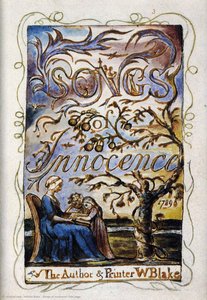
- Pieśni Innocencji i Doświadczenia
- Święcący Smok i Żona Ubierana na Słońce
- Żądza i Jego Rodzina Odzyskuje Dobrobyt
- Place Of Birth: Londyn
Powiązane artykuły

Romantic Realism's Finest: 10 Masterpieces for Your Home | OriginalUniqueArt
Explore 10 defining masterpieces of Romantic Realism! Discover Courbet, Millet & Daumier's powerful paintings—capturing emotion and social realities. Find museum-quality reproductions for your home at OriginalUniqueArt.com.
The Nuances of Graphite: Exploring Emotional Depth & Technical Mastery in Pencil Drawing
Explore the captivating world of graphite drawing! Discover its rich history, master essential techniques like chiaroscuro, and learn how artists evoke emotion through this timeless medium. Expert insights for art enthusiasts.
William Blake: Romantic Visionary & Mystical Genius of the Imagination
Explore the mystical art & poetic genius of William Blake (1757-1827). Discover his revolutionary illuminated printing, rich symbolism, and lasting influence on Romanticism. Find handmade reproductions at OriginalUniqueArt.
Mastering Graphite Pencil: The Art of Precision, Shadow, and the Alchemy of Carbon
Explore the profound mastery of graphite pencil art. From the historical alchemy of carbon to advanced chiaroscuro techniques, learn to navigate grades and shadows like a master. Discover the precision and depth that define the world's most iconic drawings.
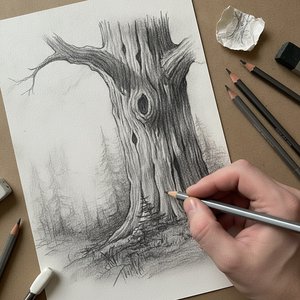
The Power of Graphite: Mastering Depth, Texture, and Detail in the Art of Pencil Drawing
Explore the profound artistry of graphite drawing. Discover professional techniques for mastering depth, texture, and detail through a lens of art history, from classical sketches to modern masterpieces. Elevate your understanding of the pencil medium with our expert guide.