Podgląd w skali 1:1
 Wyślij jako kartkę
 Udostępnij
 Szczegóły dzieła
 Przewodnik

 Pobierz obraz
 Podobne obiekty
 RTG
RTG Pokaz slajdów
 Pytania i odpowiedzi
 Statystyki
Old Man with a Top Hat


 Rozwiń treść
Giclée / Wydruk artystyczny
Wydruki giclée lub płótna o jakości muzealnej, szybka realizacja i szeroki wybór opcji wykończenia. ( Zamów ręcznie malowaną reprodukcję Przejdź do wersji cyfrowej)




P118B zł10

P118H zł10

P118W zł10

P438Z zł10

P508JH zł12

P508YH zł12

P805H zł10

P805Z zł10

P919BZ zł10

P919G zł10

P919XJ zł10

P959ZH zł10

P968JZ zł12

W106C zł8

W218G zł10

W218JH zł8

W218Y zł10

W307PJ zł10

W316G zł10

W316PJ zł8

W316Y zł10

W398PJ zł8

W4111J zł10

W500HY zł15

W500JH zł15

W692G zł12

W849H zł8

W940BG zł15

W953PJ zł8




Wybierz spośród naszych standardowych rozmiarów, które zachowują oryginalne proporcje dzieła sztuki.

Wpisz wymaganą szerokość i wysokość, aby dopasować grafikę do ramy lub ściany. Wydruk można jedynie przyciąć, nigdy nie powiększając go poza oryginalny obraz, dlatego format o innych proporcjach spowoduje utratę części kompozycji. Przed rozpoczęciem druku prześlemy Ci cyfrowy podgląd do zatwierdzenia. Obraz wyświetlany na tej stronie nie pokazuje rzeczywistego przycięcia — jedynie podgląd oddaje ten efekt.
Dostawa na cały świat () w ciągu 2 tygodni zamiast standardowych 4/5 tygodni. (8 Listopad)

Bezpłatna ekspresowa wysyłka na cały świat

Wysokiej jakości płótno lniane

Pełne ubezpieczenie przesyłki

Gwarancja zwrotu należności celnych i podatków importowych

Gwarancja wiernego odwzorowania kolorów

100-dniowa polityka zwrotów (tylko w przypadku wad)

Gwarancja 100% zwrotu pieniędzy

Zniżka przy zakupie wielu sztuk
 Opcja ze szkłem jest dostępna wyłącznie w rozmiarach poniżej 110 cm

Old Man with a Top Hat
Giclée / Wydruk artystyczny
Wymiary reprodukcji
-


Cena całkowita
zł 317
Old Man with a Top Hat: A Window Into Van Gogh’s Early Vision
Vincent Willem van Gogh's "Old Man with a Top Hat," painted in 1882 during his formative years in The Hague, Netherlands, stands as an arresting testament to the artist’s burgeoning talent and unwavering dedication to capturing the essence of human experience. Unlike the swirling landscapes that would later define his signature style—a stylistic leap born from profound emotional exploration—this crayon drawing embodies a remarkable degree of realism, reflecting Van Gogh's initial fascination with meticulous observation and detailed representation. It’s a deceptively simple composition: an elderly gentleman seated in profile, adorned with a distinguished top hat, gazing intently at the viewer. Yet, within this quiet stillness lies a wealth of artistic significance.The Technique of Crayon – A Departure From Impressionism
Van Gogh's choice of crayon distinguishes “Old Man with a Top Hat” from the prevailing Impressionist movement. While Impressionists prioritized capturing fleeting moments of light and color—often employing loose brushstrokes—Van Gogh sought to achieve a more tactile and expressive result. The crayon medium allowed for layering colors gradually, creating subtle tonal variations that imbue the portrait with depth and luminosity. This technique is particularly evident in the rendering of the man’s face and clothing, where meticulous shading brings forth textures and contours that convey both physicality and psychological nuance. It speaks to a desire to portray not just what is seen but also how it feels—a characteristic that would become increasingly prominent throughout his oeuvre.Symbolism Within Everyday Observation
Beyond its technical prowess, “Old Man with a Top Hat” resonates with symbolic undertones rooted in Van Gogh’s broader artistic concerns. The top hat itself serves as more than just an accessory; it represents status, dignity, and perhaps even a hint of melancholy—a visual shorthand for the complexities of human existence. Similarly, the old man's gaze directs attention outward, suggesting contemplation and introspection. He embodies wisdom gained through experience, mirroring Van Gogh’s own spiritual quest to find meaning in the mundane realities of life. The artist wasn’t merely depicting an individual; he was distilling a profound statement about humanity itself.A Reflection of Artistic Evolution
“Old Man with a Top Hat” is undeniably a pivotal piece in understanding Van Gogh's artistic trajectory. It represents his initial foray into realism—a deliberate rejection of Impressionistic ideals—and foreshadows the expressive fervor that would characterize his later masterpieces. Studying this early work alongside pieces like “Digger” and “Eating from a Plate,” available as exquisite hand-painted reproductions on OriginalUniqueArt.com, reveals a remarkable progression toward capturing emotion through color and form. To delve deeper into Van Gogh’s life and artistic journey, visit Wikipedia for invaluable biographical information. Don't miss the opportunity to own a timeless artwork—a tangible connection to one of history’s most influential artists. Explore OriginalUniqueArt.com for stunning reproductions and discover more about Van Gogh's legacy!- Explore the Stedelijk Museum Amsterdam: https://www.stedelijkmuseum.nl/ – Witness masterpieces by Van Gogh alongside contemporaries.
- Discover J. Eugene Grigsby Jr.: https://www.jeffreugrgsbyjr.com/ – Explore his abstract & expressionistic paintings influenced by the Harlem Renaissance.
- Admire “Self-Portrait as an Artist (Detail)” at Rijksmuseum: https://www.rijksmuseum.nl/ – Experience Van Gogh’s expressive brushstrokes.
- Examine “Sketch of a Knee”: https://www.rijksmuseum.nl/ – Observe Van Gogh’s early style and technique.
- Marvel at “Pair of Shoes, A 3”: https://www.rijksmuseum.nl/ – Witness Van Gogh’s masterful use of color and texture.
Pytania i odpowiedzi
Jaki kolor najbardziej dominuje w "Old Man with a Top Hat"?
Kolorem, który najbardziej wyróżnia się w "Old Man with a Top Hat", jest Khaki (#f2e1a6). Dominujący kolor ułatwia dopasowanie dzieła sztuki do wnętrza.
Czy Old Man with a Top Hat jest w ogólnym ujęciu jasny?
Ogólnie rzecz biorąc, poziom jasności dzieła „Old Man with a Top Hat” określany jest jako cień. Postrzegana jasność opisuje, jak jasne lub ciemne wydaje się dane dzieło.
Jakie emocje przekazuje „Old Man with a Top Hat” – Vincent Van Gogh?
„Old Man with a Top Hat” budzi Refleksyjny emocje. Ton emocjonalny opisuje wrażenie, jakie wywołuje to dzieło.
Biografia artysty
Życie namalowane pasją: Vincent van Gogh
Vincent Willem van Gogh, nazwisko będące synonimem żywych barw i surowych emocji, pozostaje jedną z najbardziej rozpoznawalnych i ukochanych postaci w historii sztuki. Urodzony 30 marca 1853 roku w Zundert w Holandii, przeszedł drogę od targanego niepokojami młodzieńca poszukującego celu w życiu do artystycznego wizjonera – jest to przejmująca opowieść o oddaniu, walce i ostatecznie, trwałym dziedzictło. Choć za życia osiągnął niewiele sukcesów komercyjnych – sprzedając przed śmiercią tylko jeden obraz, Czerwona winnica – wpływ Van Gogha na sztukę nowoczesną jest niezmierzony, torując drogę ekspresjonizmowi i inspirując niezliczonych następców. Jego historia to nie tylko opowieść o pociągnięciach pędzla i płótnach; to świadectwo potęgi ludzkiej ekspresji w obliczu przeciwności losu.
Wczesne lata i artystyczne przebudzenie
Wczesne lata Van Gogha naznaczone były serią niespełnionych aspiracji. Próbował swoich sił w różnych profesjach – jako marszand, nauczyciel, a nawet misjonarz – zanim ostatecznie poświęcił się malarstwu w stosunkowo późnym wieku 27 lat. Te wcześniejsze doświadczenia głęboko ukształtowały jego światopogląd i znalazły odzwierciedlenie w jego twórczości. Jego pierwsze prace, przedstawiające sceny z życia chłopów na wiejskiej belgijskiej ziemi, odzwierciedlają głęboką empatię dla klasy pracującej oraz ponurą paletę barw oddającą ich trudny los. Pod wpływem artystów takich jak Jean-François Millet, Van Gogh dążył do uchwycenia godności i wytrwałości tych ludzi poprzez surowy realizm. Jednak to przeprowadzka do Paryża w 1886 roku okazała się przełomowa. Tam zetknął się z impresjonizmem i postimpresjonizkiem, chłonąc techniki mistrzów takich jak Monet, Renoir i Pissarro. To spotkanie poszerzyło jego artystyczne horyzonty, skłaniając go do eksperymentowania z jaśniejszymi kolorami i swobodniejszymi pociągnięciami pędzla, przy jednoczesnym zachowaniu wyraźnej intensywności emocjonalnej, której brakowało wielu jego współczesnym. Kluczową rolę w tym okresie odegrał jego brat Theo, marszand, który zapewniał wsparcie finansowe i stanowił żywe ogniwo łączące Vincenta ze światem paryskiej sztuki. Ich obszerna korespondencja oferuje bezcenną wgląd w rozwój artystyczny Van Gogha oraz jego osobiste zmagania.
Południowe światło i eksplozja kreatywności
Pragnąc odnaleźć bardziej żywy krajobraz i poczucie odnowy, Van Gogh przeniósł się w 1888 roku do Arles w południowej Francji. Ruch ten zapoczątkował okres intensywnej twórczości, charakteryzujący się eksplozją barw i charakterystyczną techniką impasto – nakładaniem grubej warstwy farby na płótno, co tworzyło teksturalną powierzchnię zdającą się pulsować energią. To właśnie tutaj powstały niektóre z jego najbardziej ikonicznych dzieł: Słoneczniki, Nocna kawiarnia oraz Gwiaździsta noc. Intensywne słońce Prowansji zdawało się rozpalać jego wyobraźnię, prowadząc do przedstawiania pejzaży i martwych natur z niespotykaną dotąd witalnością. Pragnienie artystycznej współpracy skłoniło go do zaproszenia Paula Gauguina do Arles, z nadzieją na założenie utopijnej kolonii artystów. Jednak ich relacja okazała się burzliwa i doprowadziła do dramatycznej konfrontacji, w wyniku której Van Gogh okaleczył własne ucho. Wydarzenie to podkreśliło kruchość jego stanu psychicznego i zapoczątkowało okres hospitalizacji oraz narastającego cierpienia psychicznego.
Późniejsze lata i nieprzemijające dziedzictwo
Po załamaniu nerwowym Van Gogh dobrowolnie trafił do azylu w Saint-Rémy, gdzie kontynuował niezwykle płodną twórczość, uwieczniając otaczające go krajobrazy z równą siłą piękna i niepokoju. Dzieła takie jak Gwiaździsta noc, namalowane w tym czasie, są przesycone poczuciem kosmicznej tajemnicy i głębokiej emocjonalnej głębi. Później przeniósł się do Auvers-sur-Oise pod opiekę doktora Paula Gacheta, lecz jego zmagania nie ustawały. 29 lipca 1890 roku, w wieku 37 lat, Van Gogh tragicznie zmarł w wyniku odniesionego przez siebie postrzału. Mimo niewielkiego uznania za życia, jego twórczość zaczęła zdobywać sławę pośmiertną, głównie dzięki niezmordowanym wysiłkom jego bratowej, Johanny van Gogh-Bonger, która odziedziczyła jego spadek i poświęciła się promowaniu jego sztuki. Dziś obrazy Van Gogha są celebrowane na całym świecie za ich emocjonalną intensywnłość, innowacyjne techniki i nieprzemijające piękno. Jego dziedzictwo wykracza daleko poza ramy płótna; stał się on symbolem artystycznej pasji, wytrwałości w obliczu przeciwności oraz potęgi sztuki do wyrażania najgłębszych ludzkich emocji.
Kluczowe wpływy i rozwój artystyczny
- Wczesny realizm: Przedstawienia życia chłopskiego autorstwa Jean-François Milleta wpłynęły na wczesne prace Van Gogha.
- Impresjonizm i postimpresjonizm: Kontakt z Monetem, Renoirem, Pissarrem i innymi artystami w Paryżu poszerzył jego paletę barw oraz technikę.
- Drzeworyty japońskie: Van Gogh był pod głębokim wpływem japońskich drzeworytów, które gorliwie kolekcjonował. Ich odważna kompozycja i płaskie plamy koloru wpłynęły na jego własny styl.
- Ekspresja emocjonalna: Przede wszystkim Van Gogh dążył do przekazania emocji poprzez swoją sztukę, stawiając subiektywne doświadczenie ponad obiektywną reprezentację. Ta koncentracja na intensywności emocjonalnej stała się definiującą cechą jego twórczości i utorowała drogę ekspresjonizmowi.
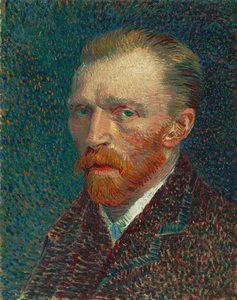
Vincent Van Gogh
1853 - 1890 , Holandia
Krótka nota
- Artistic Movement Or Style: Postimpresjonizm
- Artists Or Movements Influenced By This Artist:
- Ekspresjonizm
- Fawizm
- Artists Who Influenced This Artist:
- Rembrandt
- Millet
- Date Of Birth: 30 marca 1853
- Date Of Death: 29 lipca 1890
- Full Name: Vincent Willem van Gogh
- Nationality: Holender
- Notable Artworks:
- Słoneczniki
- Gwiazda Nocy
- Jedzący kartofle
- Place Of Birth: Zundert, Holandia
Powiązane artykuły
10 Arcydzieł Postimpresjonizmu, Które Zdefiniowały Sztukę. Inspiracje do Dekoracji Domu.
Odkryj 10 arcydzieł postimpresjonizmu Van Gogha, Moneta i Cézanne'a! Poznaj historie artystów, techniki malarskie i inspiracje do dekoracji wnętrz. Reprodukcje obrazów najwyższej jakości na OriginalUniqueArt.com – sztuka dla Twojego domu.

Rembrandt van Rijn: 25 Najwybitniejszych Dzieł Sztuki – Reprodukcje i Inspiracje do Wnętrz
Poznaj 25 arcydzieł Rembrandta van Rijn! Odkryj fascynujące historie, techniki i wpływ holenderskiego mistrza baroku na świat sztuki. Reprodukcje obrazów najwyższej jakości – inspiracje do wnętrz na OriginalUniqueArt.com

25 Arcydzieł National Gallery w Londynie: Sztuka dla Twojego Domu | OriginalUniqueArt
Odkryj 25 arcydzieł National Gallery w Londynie! Poznaj historie Van Gogha, Moneta i Rembrandta. Reprodukcje obrazów najwyższej jakości dla Twojego wnętrza – inspiracje i dekoracje na OriginalUniqueArt.com.
Decoding Van Gogh's Turmoil: OriginalUniqueArt’s Masterful Reproductions of Emotional Depth
Discover exquisite Van Gogh reproductions from OriginalUniqueArt – expert art specialists offering museum-quality prints & custom paintings. Trust our authentic process and elevate your collection today.

25 Arcydzieł Musée d'Orsay: Monet, Van Gogh i Inni – Inspiracje do Twojego Domu
Odkryj 25 arcydzieł Musée d'Orsay! Poznaj historie Monet, Van Gogha i Degasa. Inspiracje wnętrzarskie z impresjonizmem i postimpresjonizmem. Reprodukcje obrazów najwyższej jakości na OriginalUniqueArt.com.