 Podgląd w skali
 Wyślij jako kartkę
 Udostępnij
 Szczegóły dzieła

 Pobierz
 Podobne obiekty
 RTG
RTG Pokaz slajdów
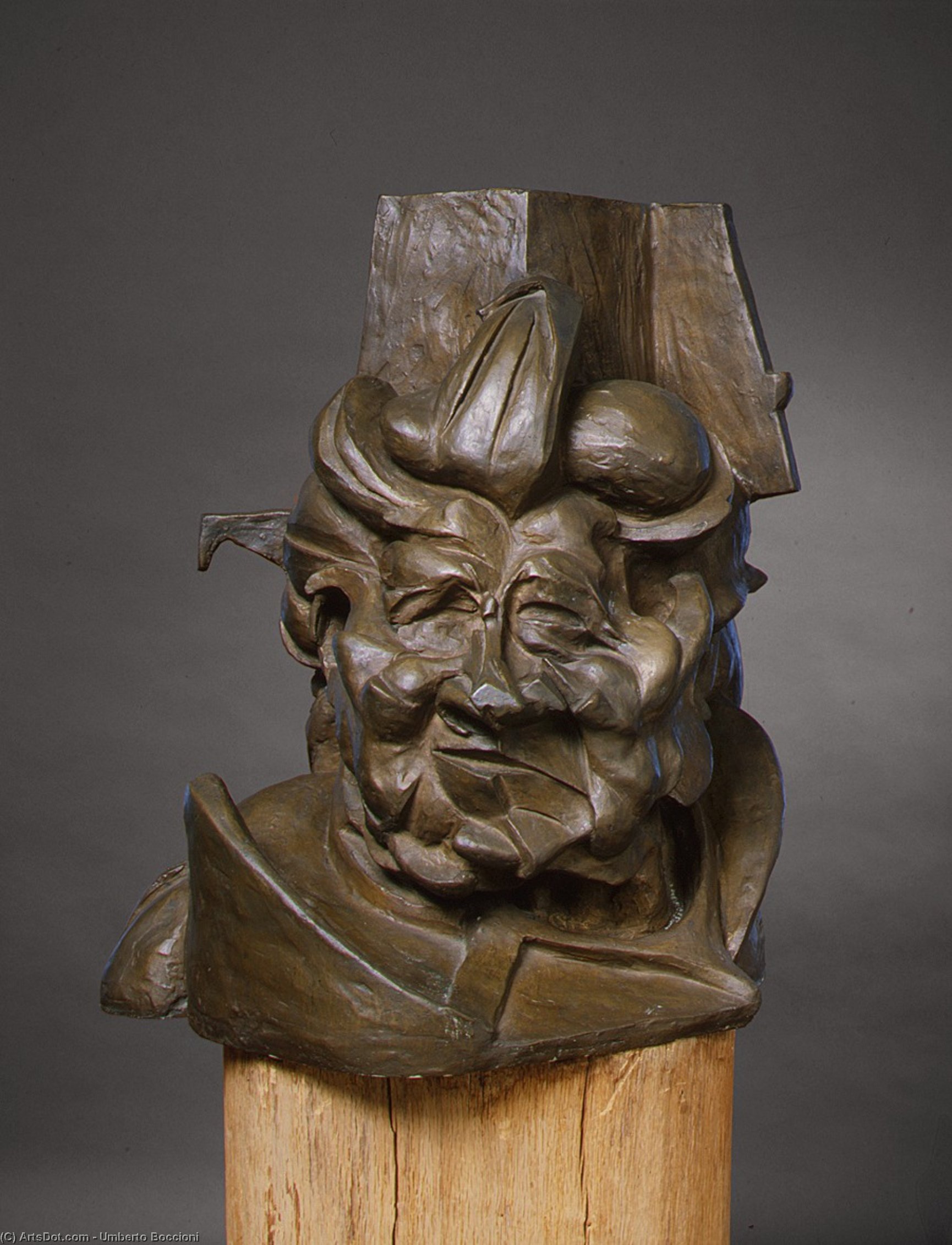
Antigraceful
 Acrylic
- WallArt
- Futurist Dynamism
 1913
1913 23.0 x 20.0 cm
 Rozwiń treść
Giclée / Wydruk artystyczny
Druk giclée lub płótno o jakości muzealnej, szybka realizacja i szeroki wybór opcji wykończenia. ( Zamów ręcznie malowaną reprodukcję Kup obraz wysokiej rozdzielczości)




P118B $10

P118H $10

P118W $10

P438Z $10

P508JH $12

P508YH $12

P805H $10

P805Z $10

P919BZ $10

P919G $10

P919XJ $10

P959ZH $10

P968JZ $12

W106C $8

W218G $10

W218JH $8

W218Y $10

W307PJ $10

W316G $10

W316PJ $8

W316Y $10

W398PJ $8

W4111J $10

W500HY $15

W500JH $15

W692G $12

W849H $8

W940BG $15

W953PJ $8




Wybierz spośród naszych standardowych rozmiarów, które zachowują oryginalne proporcje dzieła sztuki.

Możesz wprowadzić własne wymiary, aby dopasować dzieło do konkretnej ramy lub przestrzeni. Jeśli wybrany rozmiar nie będzie odpowiadał proporcjom oryginalnego obrazu, przytniecie dzieło lub rozszerzymy obraz za pomocą odbicia lustrzanego lub jednolitego wypełnienia krawędzi. Przed rozpoczęciem produkcji prześlemy cyfrową wizualizację do Twojej akceptacji.
Prosimy pamiętać, że podgląd na ekranie nie odzwierciedla faktycznego przycinania ani rozszerzania. Tylko wizualizacja dokładnie pokaże końcową kompozycję.
Mimo dostępności niestandardowych rozmiarów, zalecamy wybór wymiaru z listy zdefiniowanej, aby zachować oryginalne proporcje.
Dostawa na cały świat () w ciągu 2 tygodni zamiast standardowych 4/5 tygodni. (17 Sierpień)

Bezpłatna ekspresowa wysyłka na cały świat

Wysokiej jakości płótno lniane

Pełne ubezpieczenie przesyłki

Gwarancja zwrotu należności celnych i podatków importowych

Gwarancja wiernego odwzorowania kolorów

Polityka 60-dniowego zwrotu (tylko w przypadku wad)

Gwarancja 100% zwrotu kosztów

Zniżka przy zamówieniu wielu produktów
 Opcja ze szkłem jest dostępna wyłącznie w rozmiarach poniżej 110 cm

Antigraceful
Giclée / Wydruk artystyczny
Wymiary reprodukcji
-


Cena całkowita
$ 80
Opis kolekcjonerski
A Study in Contrasting Expressions: Unpacking Umberto Boccioni’s “Antigraceful”
The sculpture "Antigraceful," created by Umberto Boccioni in 1913, stands as a striking embodiment of the Futurist movement's radical rejection of traditional artistic conventions. More than just an aesthetically pleasing object; it’s a deliberate provocation—a visual manifesto grappling with anxieties surrounding modernity and humanity’s relationship to technological advancement. Captured in a photograph that prioritizes clarity on its face, this bronze masterpiece immediately draws the eye with its unsettling duality: two mouths positioned atop one another convey a palpable tension between joy and sorrow, optimism and despair.- Subject Matter & Composition: The sculpture’s central focus is undeniably human – specifically, a portrait of a face rendered in meticulous detail. However, Boccioni doesn't aim for serene beauty; instead, he presents a fractured image, mirroring the fragmented experience of life during the turbulent years leading up to World War I.
- Futurist Style & Technique: Born from Filippo Tommaso Marinetti’s incendiary proclamations, Futurism championed speed, dynamism, and industrial progress. Boccioni expertly translates these ideals into sculptural form through a technique known as *bronze casting*, utilizing molds to reproduce the original sculpture with remarkable accuracy. The resulting surface possesses a rich patina—a subtle sheen achieved through oxidation—that enhances its textural qualities.
Historical Context: Echoes of War and Uncertainty
“Antigraceful” emerged during a period defined by profound societal upheaval. Italy was embroiled in the escalating tensions preceding the Great War, and Futurists like Boccioni actively sought to capture the anxieties and contradictions inherent within this era. The sculpture’s unsettling juxtaposition of expressions reflects the pervasive feeling that even amidst apparent happiness—represented by the smiling mouth—there lurks an underlying apprehension about impending doom.- Symbolism & Interpretation: The two mouths serve as potent symbols, representing opposing forces within the human psyche. The upper mouth’s frown embodies pessimism and disillusionment, while the lower mouth’s smile suggests fleeting moments of pleasure or hope. This deliberate asymmetry underscores Boccioni's intention to portray not idealized beauty but rather a complex portrait of human experience.
- Emotional Impact: Viewing “Antigraceful” evokes a visceral response—a confrontation with the darker side of emotion alongside its brighter hues. It compels contemplation on themes of vulnerability, resilience, and the inescapable awareness that joy and sorrow coexist within our daily lives.
A Legacy of Innovation: Influence Beyond Its Time
Umberto Boccioni’s “Antigraceful” continues to resonate with contemporary audiences precisely because it transcends mere stylistic imitation. It represents a courageous assertion of artistic freedom—a refusal to succumb to the constraints of academic tradition and an embrace of experimental techniques that foreshadowed developments in abstract sculpture decades later. Its enduring appeal lies in its ability to provoke thought and inspire emotion, cementing Boccioni’s place as one of the most influential figures of the Futurist movement.O artyście
A Life Forged in Motion: The Revolutionary Vision of Umberto Boccioni
Umberto Boccioni, born in Reggio Calabria in 1882, was a figurehead of the Italian Futurist movement—a force that sought to shatter artistic conventions and embrace the dynamism of the modern world. His life, though tragically cut short at just thirty-three, became a testament to this fervent belief in progress, speed, and the intoxicating energy of the machine age. Boccioni’s early years were marked by constant relocation due to his father's civil service position, an upbringing that exposed him to diverse landscapes and instilled within him a restless spirit. This nomadic existence eventually led him to Rome, where he initially pursued studies in decorative arts before gravitating towards painting, absorbing influences from the Liberty style poster artists of the time. However, it was his encounter with Futurism, ignited by the writings of Filippo Tommaso Marinetti, that truly set his artistic trajectory ablaze.Embracing the Whirlwind: The Rise of a Futurist
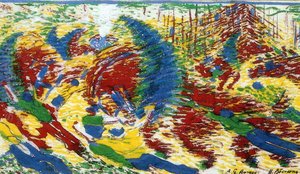
The year 1910 proved pivotal for Boccioni. He signed the *Manifesto dei Pittori Futuristi*, solidifying his commitment to a movement that celebrated technology, velocity, and even violence as emblems of modernity. This wasn’t merely an aesthetic choice; it was a philosophical rebellion against the weight of tradition, a desire to capture the very essence of a world hurtling towards an uncertain future. Boccioni quickly became one of Futurism's most articulate theorists, expanding upon Marinetti’s initial pronouncements and applying them to the visual arts. He argued for a complete break from representational accuracy, advocating instead for paintings that conveyed not just *what* things looked like, but *how* they felt in motion—the sensation of speed, the fragmentation of form, the overwhelming energy of urban life. His early works, while still hinting at Impressionist and Divisionist influences, began to demonstrate this burgeoning obsession with dynamism. Paintings such as *The City Rises* (1910-1911) are monumental in scale and ambition, depicting the chaotic construction of a modern metropolis—a swirling vortex of human figures, buildings, and machinery that embodies the Futurist ideal. The painting’s composition is deliberately unsettling, conveying a sense of overwhelming movement and transformation.Deconstructing Reality: Technique and Themes
Boccioni’s artistic development was characterized by an increasingly radical approach to form. He moved away from traditional notions of perspective and composition, embracing fragmentation as a means of conveying movement and energy. Objects were broken down into their constituent parts, lines of force radiated outwards, and colors blended in swirling patterns—all designed to create a sense of visual vibration. This deconstruction wasn’t merely stylistic; it was rooted in Boccioni's belief that reality itself was fluid and constantly changing. He sought to represent not the static appearance of things, but their dynamic essence. Key themes emerged throughout his oeuvre: dynamism, the celebration of modernity, and a fascination with the human body as a vehicle for expressing energy and motion. This is powerfully illustrated in works like *Dynamism of a Human Body* (1913), where a figure is depicted not as a solid form but as a series of fragmented shapes suggesting movement through space. The painting captures the sensation of a runner in full stride, conveying both power and vulnerability simultaneously. His sculpture *Unique Forms of Continuity in Space* (1913) further exemplifies this approach—a bronze figure that appears to be caught mid-stride, its limbs and torso elongated and distorted, conveying a sense of unstoppable momentum. The work’s innovative use of materials and techniques pushed the boundaries of sculptural representation.Influences and Artistic Connections
Boccioni's artistic journey was shaped by a diverse range of influences. Early exposure to the landscapes of Southern Italy instilled in him a deep appreciation for nature, which he later sought to capture through dynamic compositions. His studies with Giacomo Balla at the Roman art academy introduced him to techniques like pointillism and divisionism, providing a foundation for his exploration of color and light. However, it was his encounter with Filippo Marinetti and the Futurist movement that truly transformed his artistic vision. He collaborated closely with Marinetti on theoretical works, contributing significantly to the development of Futurism’s core principles. Furthermore, Boccioni maintained friendships with other prominent artists of the era, including Gino Severini and Carlo Carrà, exchanging ideas and influencing each other's work. The shared ambition to break free from traditional artistic conventions fostered a vibrant creative environment within the Futurist circle.Legacy and Lasting Impact
Boccioni’s untimely death in 1916, during World War I, tragically cut short a brilliant career. Despite his brief life, his ideas and artworks had a profound impact on the development of modern art. He profoundly influenced not only subsequent Futurist artists but also movements like Constructivism and Abstract Expressionism. His exploration of motion, dynamism, and the representation of modern life paved the way for new forms of artistic expression, challenging traditional notions of beauty and representation. His work continues to be exhibited in major museums around the world, serving as a testament to his revolutionary vision and enduring legacy. His paintings are not merely depictions of reality; they are embodiments of its relentless energy.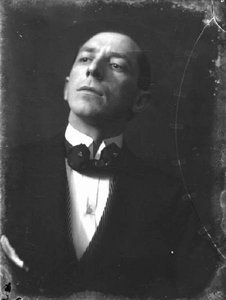
Umberto Boccioni
1882 - 1916 , Włochy
Krótka nota
- Artistic Movement Or Style: Futurismo
- Artists Or Movements Influenced By This Artist:
- Konstrukcjonizm
- Ekspresionizm abstrakcyjny
- Artists Who Influenced This Artist:
- Giacomo Balla
- Cubismo
- Date Of Birth: 1882-10-19
- Date Of Death: 1916-08-17
- Full Name: Umberto Boccioni
- Nationality: Włoski
- Notable Artworks:
- Dynamizm ciała ludzkiego
- Formy ciągłości w przestrzeni
- Miasto rośnie
- Place Of Birth: Reggio Calabria, Italia
Powiązane artykuły

10 Legendarnych Brązów, Które Zrewolucjonizowały Sztukę | OriginalUniqueArt
Odkryj 10 legendarnych rzeźb brązowych, które zrewolucjonizowały sztukę! Poznaj historie Rodina, Donatello i innych mistrzów. Inspiracje wnętrzarskie & reprodukcje najwyższej jakości na OriginalUniqueArt.com.

10 Legendarnych Brązów Rzeźbiarskich, Które Zmieniły Sztukę | OriginalUniqueArt
Odkryj 10 legendarnych rzeźb brązowych od Rodina, Degasa i innych mistrzów! Poznaj historię powstania arcydzieł sztuki i inspiruj się do dekoracji wnętrz. Reprodukcje najwyższej jakości na OriginalUniqueArt.com – zobacz kolekcję!

Trwałe Dziedzictwo Bronzu: Historia, Techniki i Artystyczna Ekspresja dla Kolekcjonera
Poznaj historię i techniki odlewania brązu. Poradnik dla kolekcjonerów o konserwacji, wartościowaniu i inwestycjach w sztukę brązową. Ekspercka wiedza i inspiracje.
Trwała Spuścizna Bronzu: Historia, Technika i Ekspresja Artystyczna dla Kolekcjonera
Poznaj historię i techniki rzeźby z brązu. Ekspercka analiza wartości inwestycyjnej, konserwacji oraz ewolucji stylistycznej dla wymagających kolekcjonerów. Odkryj świat XIX-wiecznych arcydzieł Rodina i innych mistrzów.
Trwała Spuścizna Rzeźby z Brązu: Przewodnik Kolekcjonera po Formie i Znaczeniu Kulturowym
Kompleksowy przewodnik po rzeźbie z brązu dla kolekcjonerów i pasjonatów sztuki. Poznaj historię, techniki, wycenę i konserwację unikalnych dzieł. Ekspercka wiedza i porady inwestycyjne.