Romanticism · 1807
Daniel Wadsworth (Thomas Sully, 1807)
Thomas Sully (1783–1872) stworzył Daniel Wadsworth. Dzieło pochodzi z 1807. Należy do nurtu Romanticism. Wykonano w technice Acrylic On Canvas. Przechowywane jest w Wadsworth Atheneum Museum of Art w Hartford, Stany Zjednoczone Ameryki.
- 1807
- Acrylic On Canvas
- Wadsworth Atheneum Museum of Art, Hartford

 Podgląd w skali 1:1

 Ręcznie malowany obraz olejny
 Wyślij jako kartkę
 Udostępnij
 Karta informacyjna


 Pobierz obraz
 Podobne obiekty
 RTG
 Pokaz slajdów
 Pytania i odpowiedzi

 Statystyki
Daniel Wadsworth w skrócie
- Tytuł
- Daniel Wadsworth
- Artysta
- Thomas Sully (1783–1872)
- Miejsce urodzenia artysty
- Horncastle, Wielka Brytania
- Data powstania
- 1807
- Technika wykonania
- Acrylic On Canvas
- Gdzie można je zobaczyć
- Wadsworth Atheneum Museum of Art, Hartford, Stany Zjednoczone Ameryki
- Ruch
- Romanticism
- Temat
- portraiture, gentleman, buffgloves, travel, patronage, 1807
Co przedstawia Daniel Wadsworth?
A Portrait of Refinement: Daniel Wadsworth by Thomas Sully
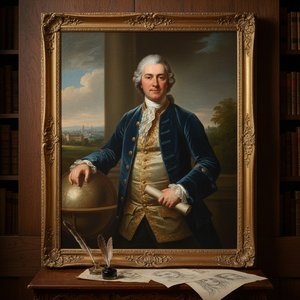
Thomas Sully’s “Daniel Wadsworth” is more than just a likeness; it's a carefully constructed tableau of 19th-century American society, imbued with the quiet dignity and understated elegance characteristic of the era. Painted in 1807, this portrait captures not merely the physical appearance of Daniel Wadsworth, but also his status as a prominent art patron and a man deeply engaged with the burgeoning world of artistic endeavor. The painting immediately draws the eye to Wadsworth’s composed demeanor – a subtle seriousness conveyed through the direct gaze he offers the viewer, an invitation into a private moment of contemplation.
Sully's masterful technique is evident in every detail. He employs a refined tonal palette, favoring muted browns, creams, and grays that lend the scene a sense of understated luxury. The artist’s attention to texture is remarkable; observe the intricate detailing of Wadsworth’s buff leather gloves, stitched with a vibrant red thread – a deliberate flourish suggesting his travels and connections across continents. The folds of his dark suit are rendered with meticulous precision, hinting at wealth and social standing, while the subtle sheen on his cravat speaks to the fashionable sensibilities of the time. Sully's skill in capturing light and shadow creates a remarkable sense of depth and realism, imbuing the portrait with a palpable atmosphere.
The Patron and the Pursuit of Beauty
Daniel Wadsworth’s life was inextricably linked to art. He wasn’t simply a collector; he actively fostered the careers of emerging artists, recognizing their potential and providing them with opportunities to develop their skills. His invitation to Thomas Sully to paint this portrait underscores his commitment to supporting artistic talent. Wadsworth himself was an amateur artist, driven by a passion for capturing beautiful scenes – a pursuit reflected in his travels throughout Europe and America. This dual role as patron and aspiring artist shaped his worldview and informed the choices he made regarding art and culture.
The backdrop of the bookshelf is not merely decorative; it’s symbolic of Wadsworth's intellectual pursuits and his appreciation for knowledge and beauty. Books, representing a vast repository of ideas and artistic inspiration, frame the sitter, suggesting that he was surrounded by a world of learning and refinement. The inclusion of this element speaks to the importance of education and culture within the context of 19th-century American society – a period marked by rapid growth and increasing emphasis on social progress.
A Window into an Era
“Daniel Wadsworth” offers a fascinating glimpse into the world of early America, where wealth, status, and artistic patronage intertwined. The portrait reflects the values and aspirations of a rising elite – individuals who sought to cultivate their own tastes, support the arts, and contribute to the cultural landscape of a young nation. The painting’s meticulous detail and refined aesthetic are hallmarks of Neoclassical portraiture, a style that emphasized order, reason, and classical ideals.
Interestingly, research reveals that Wadsworth was instrumental in establishing the Wadsworth Atheneum Museum of Art in Hartford, Connecticut – a testament to his enduring legacy as a champion of art. His vision extended beyond simply collecting; he sought to create an institution dedicated to promoting artistic excellence and making art accessible to the public. The painting itself serves as a tangible link to this ambitious endeavor, embodying the spirit of innovation and cultural enrichment that defined Wadsworth’s life.
Collecting a Masterpiece: A High-Quality Reproduction
OriginalUniqueArt offers meticulously crafted reproductions of “Daniel Wadsworth” by Thomas Sully, allowing you to bring this captivating portrait into your home or office. Our high-resolution digital prints are produced on archival-quality canvas and stretched over premium wooden frames, ensuring that the artwork’s beauty and detail endure for generations. Whether you're an art enthusiast, a collector, or simply seeking to add a touch of elegance to your space, a OriginalUniqueArt reproduction of “Daniel Wadsworth” is a timeless investment – a celebration of artistic skill and American heritage.
W którym muzeum znajduje się Daniel Wadsworth?
Wadsworth Atheneum Museum of Art
Hartford, Stany Zjednoczone Ameryki
Podróż przez czas i artystyczną ekspresję: Wadsworth Atheneum Museum of Art W samym sercu Hartford, w stanie Connecticut, wznosi się Wadsworth Atheneum Museum of Art – pomnik kultury, który od ponad 175 lat jest świadectwem amerykańskiej pasji do sztuki. Założone w 1842 roku muzeum z dumą nosi tytuł najstarszej publicznej instytucji sztuki w Stanach Zjednoczonych, wyróżnienie, które rezonuje echem pokoleń miłośników piękna i wizjonerskich mecenasów. Dalekie od bycia jedynie skarbnicą antycznych przedmiotów, Wadsworth Atheneum jest żywym, nieustannie ewoluującym organizmem, którego sama architektura opowiada fascynującą historię.


Zdjęcia w wysokiej rozdzielczości dzieła Daniel Wadsworth

Domena publiczna: artysta zmarł w 1872.
Inne rozmiary, kadrowanie i cytowanie →Thomas Sully, Daniel Wadsworth (1807), Wadsworth Atheneum Museum of Art. Domena publiczna
Odpowiedzi na pytania dotyczące Daniel Wadsworth
Gdzie można obecnie zobaczyć dzieło „Daniel Wadsworth” – Thomas Sully?
Oryginał dzieła „Daniel Wadsworth” – Thomas Sully znajduje się w Wadsworth Atheneum Museum of Art, Hartford, Stany Zjednoczone Ameryki. Reprodukcja pozwala na eksponowanie pracy w domu.
W którym roku powstało dzieło "Daniel Wadsworth"?
"Daniel Wadsworth" powstało w 1807 roku. Data ta pozwala umiejscowić dzieło w kontekście twórczości Thomas Sully oraz epoki, w której powstało.
W jakiej technice wykonano „Daniel Wadsworth” – Thomas Sully?
„Daniel Wadsworth” wykonano w technice Acrylic On Canvas.
Co przedstawia „Daniel Wadsworth” – Thomas Sully?
„Daniel Wadsworth” – Thomas Sully przedstawia: portraiture, gentleman, buffgloves, travel, patronage, 1807, wadsworth.
Czy obraz „Daniel Wadsworth” – Thomas Sully można swobodnie reprodukować?
Status praw autorskich dla „Daniel Wadsworth” – Thomas Sully: dzieło znajduje się w należy do domeny publicznej – autorskie prawa majątkowe wygasły. Określa to, czy reprodukcje obrazu mogą być sporządzane swobodnie.
Kto stworzył "Daniel Wadsworth"?
Autorem dzieła „Daniel Wadsworth” jest Thomas Sully. Praca ta figuruje w katalogu pod nazwiskiem Thomas Sully.
Do jakiego nurtu artystycznego należy „Daniel Wadsworth” – Thomas Sully?
„Daniel Wadsworth” to dzieło należące do nurtu Romanticism. Nurt ten określa tradycję artystyczną, w której osadzone jest dzieło.
Do którego etapu twórczości Thomas Sully należy dzieło „Daniel Wadsworth”?
W dorobku artystycznym Thomas Sully dzieło „Daniel Wadsworth” przypada na Early Period. Ten etap pozwala zestawić je z innymi pracami twórcy.
W jakim wieku Thomas Sully stworzył(a) "Daniel Wadsworth"?
Thomas Sully stworzył/a "Daniel Wadsworth" w wieku 24 lat. Artysta urodził/a się w 1783, a datowanie dzieła to 1807.
O artyście: Thomas Sully

1783–1872, Wielka Brytania
Thomas Sully
A Transatlantic Brushstroke: The Life and Art of Thomas Sully Thomas Sully’s story is one of remarkable journeys – a transatlantic passage not just across oceans, but through artistic styles and cultural landscapes. Born in 1783 under the skies of Horncastle, Lincolnshire, England, his early life was shaped by an itinerant upbringing as the son of actors Matthew and Sarah Chester Sully. This exposure to performance, with its demands for capturing fleeting expressions and embodying character, would prove profoundly influential on his artistic sensibilities. His family’s relocation to Charleston, South Carolina in 1792 marked a new chapter, offering opportunities within the burgeoning American theater scene.
Inne prace Thomas Sully
 Queen Victoria1838
 Thomas Jefferson (1743-1826), LL.D. 17861823
 George Washington1840
 Dr. Edward Hudson1810

Eseje o Daniel Wadsworth
 Timeless Elegance: The Soul of Victorian Portraiture Reimagined through Impressionist LightDiscover the enduring beauty of Victorian portraiture reimagined through Impressionist light. Explore exquisite hand-painted oil reproducti…
 British Neoclassical paintersBritish Neoclassical painters like Joshua Reynolds, George Romney, and Thomas Lawrence define an era. Find museum-quality reproductions on …
 Thomas Hudson: A Study in 18th-Century Portraiture & British Artistic IdentityExplore the life & work of Thomas Hudson, a leading 18th-century British portraitist. Discover his mastery of the 'Grand Manner,' influenti…