American Realism · 1892
Home Ranch (Thomas Eakins, 1892)
Thomas Eakins (1844–1916) stworzył Home Ranch. Dzieło pochodzi z 1892. Należy do nurtu American Realism. Wykonano w technice Oil On Canvas. Przechowywane jest w Philadelphia Museum of Art w Filadelfia, Stany Zjednoczone Ameryki.
- 1892
- Oil On Canvas
- Philadelphia Museum of Art, Filadelfia

 Podgląd w skali 1:1

 Ręcznie malowany obraz olejny
 Wyślij jako kartkę
 Udostępnij
 Karta informacyjna


 Pobierz obraz
 Podobne obiekty
 RTG
 Pokaz slajdów
 Pytania i odpowiedzi

 Statystyki
Home Ranch w skrócie
- Tytuł
- Home Ranch
- Artysta
- Thomas Eakins (1844–1916)
- Miejsce urodzenia artysty
- Filadelfia, Stany Zjednoczone
- Data powstania
- 1892
- Technika wykonania
- Oil On Canvas
- Gdzie można je zobaczyć
- Philadelphia Museum of Art, Filadelfia, Stany Zjednoczone Ameryki
- Ruch
- American Realism
- Temat
- guitar, music, conversation, ranch, gathering, leisure
Co przedstawia Home Ranch?
The Quiet Drama of Everyday Life
Thomas Eakins’s “Home Ranch,” painted in 1892 and now residing within the Philadelphia Museum of Art, isn't a grand historical tableau or a dramatic portrait; instead, it offers a remarkably intimate glimpse into the domestic sphere of late 19th-century America. It’s a scene seemingly devoid of overt narrative – a man playing the guitar, two figures observing him, a table laden with books – yet within this simplicity lies a profound exploration of human connection, observation, and the subtle nuances of social interaction. Eakins, a master of realism, eschewed romanticism or idealized representations in favor of an unflinching honesty that captured the essence of his subjects’ lives as he witnessed them.
The painting immediately draws the eye to the central figure, a man absorbed in his music. His posture is relaxed yet focused, his expression hinting at both contentment and perhaps a touch of melancholy. He's not performing for an audience; rather, he seems lost within his own world, creating a private moment of enjoyment. The other figures – a woman and a younger man – are rendered with equal care, their gazes directed towards the musician with varying degrees of interest and contemplation. Eakins’s skill lies in conveying these unspoken exchanges—the shared experience of music, the quiet observation, the subtle dynamics of relationships—without resorting to explicit gestures or dialogue.
A Masterclass in Composition and Light
Eakins's compositional choices are meticulously considered. The room itself is rendered with a remarkable sense of depth and spatial awareness. The placement of the furniture – the dining table, chairs, and books – establishes a comfortable, lived-in atmosphere. Notice how the light, soft and warm, filters through the windows, casting gentle shadows that define the forms and create a sense of intimacy. This use of light isn’t merely decorative; it's integral to the painting’s mood, contributing significantly to the relaxed and casual ambiance.
The artist’s attention to detail is astonishing. The texture of the clothing, the sheen of the guitar strings, the worn surfaces of the furniture – all are rendered with painstaking accuracy. Eakins was a student of anatomy and observation, and this dedication to realism extends beyond mere representation; it reflects a deep understanding of how light interacts with form and how materials possess unique qualities. The subtle variations in tone and color create a sense of visual richness that invites close examination.
The Context of American Realism
"Home Ranch" is firmly rooted within the context of American realism, a movement that emerged in the late 19th century as a reaction against romanticism and idealization. Artists like Eakins sought to depict everyday life with honesty and objectivity, often focusing on working-class subjects and urban environments. Philadelphia, where Eakins spent much of his career, provided a rich source of inspiration—a city of factories, row houses, and diverse communities.
Eakins’s work challenged conventional notions of portraiture by eschewing traditional formal poses and idealized representations. Instead, he captured his subjects in candid moments, revealing their personalities and experiences. “Home Ranch” exemplifies this approach, offering a glimpse into the private lives of ordinary people—a testament to Eakins's belief that beauty and significance could be found in the most unassuming scenes.
Owning a Piece of History
Hand-painted reproductions of "Home Ranch" by Thomas Eakins offer art enthusiasts a unique opportunity to bring this iconic work into their homes. These meticulously crafted reproductions capture the painting’s rich detail, vibrant colors, and evocative atmosphere with remarkable fidelity. Whether displayed in a formal living room or a more casual space, “Home Ranch” will undoubtedly serve as a captivating conversation piece—a window into the world of American realism and a celebration of Eakins's artistic genius.
W którym muzeum znajduje się Home Ranch?
Philadelphia Museum of Art
Filadelfia, Stany Zjednoczone Ameryki
Historia Philadelphia Museum of Art Philadelphia Museum of Art to jeden z najstarszych muzeów sztuki w Stanach Zjednoczonych, którego korzenie sięgają wielkiej wizji wystawy jubileuszowej Centennial Exposition z 1876 roku. W swoich początkach instytucja ta służyła jako miejsce prezentacji sztuk stosowanych oraz nauk, co stanowiło fundament pod jej późniejszy rozwój. Dzięki temu niezwykłemu początkowi, muzeum ewoluowało z przestrzeni celebrującej przemysł i innowację w stronę wszechstronnej instytucji, której misją stało się zachowanie dziedzictwa artystycznego z całego świata.

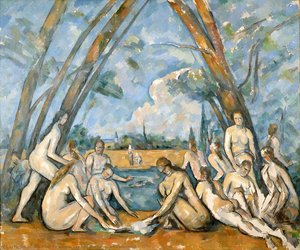

Zdjęcia w wysokiej rozdzielczości dzieła Home Ranch

Domena publiczna: artysta zmarł w 1916.
Inne rozmiary, kadrowanie i cytowanie →Thomas Eakins, Home Ranch (1892), Philadelphia Museum of Art. Domena publiczna
Odpowiedzi na pytania dotyczące Home Ranch
W którym muzeum znajduje się oryginał "Home Ranch"?
„Home Ranch” – Thomas Eakins znajduje się w zbiorach Philadelphia Museum of Art, Filadelfia, Stany Zjednoczone Ameryki. Informacja o muzeum dotyczy oryginału, a nie reprodukcji.
W którym roku powstało dzieło "Home Ranch"?
Powstanie „Home Ranch” – Thomas Eakins datuje się na 1892.
W jakiej technice wykonano „Home Ranch” – Thomas Eakins?
„Home Ranch” wykonano w technice Oil On Canvas.
Co przedstawia "Home Ranch"?
„Home Ranch” – Thomas Eakins przedstawia: guitar, music, conversation, ranch, gathering, leisure, eakins.
Czy „Home Ranch” – Thomas Eakins znajduje się w domenie publicznej?
Jeśli chodzi o prawa autorskie, "Home Ranch" znajduje się w należy do domeny publicznej – autorskie prawa majątkowe wygasły.
Kto stworzył "Home Ranch"?
Autorem dzieła „Home Ranch” jest Thomas Eakins. Praca ta figuruje w katalogu pod nazwiskiem Thomas Eakins.
Do jakiego nurtu w sztuce należy „Home Ranch” – Thomas Eakins?
Nurt związany z „Home Ranch” – Thomas Eakins to American Realism. Ta klasyfikacja sytuuje dzieło wśród pokrewnych artystów i dzieł sztuki.
Do którego etapu twórczości Thomas Eakins należy dzieło „Home Ranch”?
„Home Ranch” pochodzi z okresu Mature Period w twórczości Thomas Eakins. Klasyfikacja ta wiąże dzieło z rozwojem artysty.
Ile lat miał(a) Thomas Eakins, tworząc "Home Ranch" w 1892 roku?
Gdy w 1892 roku powstało dzieło „Home Ranch”, Thomas Eakins – urodzony/a w 1844 – miał/a 48 lat.
O artyście: Thomas Eakins

1844–1916, Stany Zjednoczone
Thomas Eakins
Życie Thomasa Eakinsa Urodzony 25 lipca 1844 roku w Filadelfii, w stanie Pensylwania, Thomas Eakins prowadził życie głęboko zakorzenione w mieście swojego pochodzenia. Był człowiekiem wielu pasji i dyscyplin, rozwijającym się jako malarz, fotograf, rzeźbiarz oraz pedagog sztuk pięknych. Choć artystyczne poszukiwania często wiodły go na zagraniczne studia, geografia jego egzystencji pozostawała w dużej mierze skupiona wokół Filadelfii. Przenikał przez intelektualne i towarzyskie kręgi miasta, z niezwykłą uważnością obserwując ludzi oraz fizyczną rzeczywistość, która definiowała lokalny krajobraz.
Inne prace Thomas Eakins
 Gabinet Grossa1875
 Pływanie1885
 Max Schmitt na łódce jednoszczeblowej1871
 Portrait of Samuel Murray1889
Eseje o Home Ranch
 Thomas Eakins: Realism, Anatomy & the American Spirit – A Comprehensive Exploration of Life and LegacyExplore the life & legacy of Thomas Eakins, a pivotal American Realist painter. Discover his groundbreaking techniques, anatomical precisio…
 25 Masterpieces by William H. Johnson: The Soul of the Harlem RenaissanceImmerse yourself in the vibrant soul of the Harlem Renaissance. Explore 25 iconic masterpieces by William H. Johnson, from bold expressioni…
 Curating Calm: The Connoisseur’s Guide to Selecting Masterpiece Artworks for a Harmonious HomeDiscover the art of serene living with our expert guide to curating masterpieces for a harmonious home. Learn to select fine oil reproducti…