

 Zobacz w skali 1:1
 Wyślij
 Udostępnij
 Szczegóły
 Przewodnik

 Pobierz plik obrazu
 Podobne obiekty
 RTG
RTG Pokaz slajdów
 Statystyki
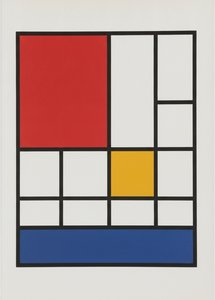
Kompozycja (Krowa)
 Akryl na płótnie
- Sztuka ścienna
- De Stijl
 1917
1917 27.0 x 27.0 cm
 Czytaj więcej
Giclée / Wydruk artystyczny
Wydruki giclée lub płótna o jakości muzealnej, szybka realizacja i szeroki wybór opcji wykończenia. ( Kup ręcznie malowany obraz Przełącz na wersję cyfrową)




P118B zł10

P118H zł10

P118W zł10

P438Z zł10

P508JH zł12

P508YH zł12

P805H zł10

P805Z zł10

P919BZ zł10

P919G zł10

P919XJ zł10

P959ZH zł10

P968JZ zł12

W106C zł8

W218G zł10

W218JH zł8

W218Y zł10

W307PJ zł10

W316G zł10

W316PJ zł8

W316Y zł10

W398PJ zł8

W4111J zł10

W500HY zł15

W500JH zł15

W692G zł12

W849H zł8

W940BG zł15

W953PJ zł8




Wybierz spośród naszych standardowych rozmiarów, które zachowują oryginalne proporcje dzieła sztuki.

Wpisz wymaganą szerokość i wysokość, aby dopasować grafikę do ramy lub ściany. Wydruk można jedynie przyciąć, nigdy nie powiększając go poza oryginalny obraz, dlatego format o innym proporcji spowoduje utratę części kompozycji. Przed rozpoczęciem druku prześlemy Ci cyfrowy podgląd do zatwierdzenia. Obraz wyświetlany na tej stronie nie pokazuje rzeczywistego przycięcia — jedynie podgląd oddaje ten efekt.
Dostawa na cały świat () w ciągu 2 tygodni zamiast standardowych 4/5 tygodni. (18 Październik)

Bezpłatna ekspresowa wysyłka na cały świat

Wysokiej jakości płótno lniane

Pełne ubezpieczenie transportowe

Gwarancja zwrotu należności celnych i podatków importowych

Gwarancja idealnego odwzorowania barw

100-dniowy okres na zwrot dzieła w przypadku wykrycia wad produkcyjnych

Gwarancja 100% zwrotu pieniędzy

Oferta przy zakupie wielu sztuk
 Opcja ze szkłem jest dostępna wyłącznie w rozmiarach poniżej 110 cm

Kompozycja (Krowa)
Giclée / Wydruk artystyczny
Rozmiar reprodukcji
-


Suma do zapłaty
zł 304
Kompozycja (Krowa) – Theo van Doesburg
Theo van Doesburg, pionier De Stijl i neoplasticizmu, zmienił oblicze nowoczesnego sztuki. Jego podróż rozpoczęła się wśród echa impresjonizmu i postimpresjonizmu, początkowo odbijając styl Vincenta van Gogha – zarówno pod względem tematycznym, jak i emocjonalnym. Jednak ten pierwszy etap służył jako kluczowy preludium, niezbędną podstawą dla radykalnej przemiany, która zdefiniowała jego trwałe dziedzictwo. Decydującym momentem okazała się spotkanie z twórczością Wasylija Kandinskiego *Rückblicke*. Tekst ten rozpalił w van Doesburgu głębokie przekonanie: prawdziwym wyrazem sztuki nie jest kopiowanie świata zewnętrznego, lecz kanalizacja wewnętrznej rzeczywistości duchowej poprzez czyste abstrakcję. To właśnie ta wiara narodziła Neoplasticizm – ruch, którego założył i który stał się jednym z najważniejszych kierunków sztuki XX wieku.- Styl: Geometryczna abstrakcja – charakterystyczna dla ruchu De Stijl.
- Technika: Olej na płótnie, wykorzystujący prostą metodę malarską skupiającą się na linii i kolorze podstawowym.
- Kolorystyka: Dominują kolory podstawowe – czarny, biały oraz żółty (który pojawia się jako ochra lub mustard).
- Symbolizm: Kompozycja odzwierciedla ideę harmonii i prostoty, nawiązując do filozofii ruchu De Stijl. Müller-Lyer illusion jest wykorzystywany aby stworzyć iluzję kierunku linii.
Kontekst Historyczny i Inspiracje
Ruch De Stijl narodził się w 1917 roku, zainspirowany przez filozofię Antonego Paneksego oraz wpływem filozofii Nietzschego. Jego twórcy – Piet Mondrian i Theo van Doesburg – szukali nowych sposobów wyrażania rzeczywistości poprzez język abstrakcji geometrycznej. Inspiracją dla ruchu były prace Kandinskiego oraz architektura Bauhaus, która wpłynęła na estetykę De Stijl i jego twórców. Kompozycja odzwierciedla ducha epoki modernistycznej, która kwestionowała tradycyjne wartości i poszukiwała nowych sposobów komunikacji z odbiorcą.Szczegółowy Opis Techniki
Kompozycja przedstawia siatkę prostych linii poziomej i pionowej wypełnionych kolorami podstawowymi – czarnymi, białymi oraz żółtymi. Przestrzeń obrazu jest ograniczona do płaskiego obszaru powierzchni tkaniny, bez śladów pędzla lub faktury, co podkreśla minimalistyczny charakter dzieła. Szczególną uwagę należy zwrócić na zastosowanie iluzji optycznej Müller-Lyer, która wpływa na percepcję kierunku linii i dodaje obrazowi dynamiki oraz głębi przestrzennej. Jest to doskonały przykład sztuki abstrakcyjnej, która wyraża ideę harmonii i prostoty poprzez ograniczenie środków wyrazu do podstawowych elementów geometrii i kolorystyki.Znaczenie Dla Sztuki Współczesnej
Kompozycja Theo van Doesburga pozostaje jednym z najważniejszych dzieł sztuki XX wieku, które wpłynęły na rozwój architektury, projektowania wnętrz oraz innych dziedzin sztuki. Jego twórczość inspirowała kolejne pokolenia artystów i stanowi ważną podstawą dla zrozumienia historii abstrakcji i jej filozoficznych korzeni. Obecnie reprodukcje obrazu są dostępne w galerii OriginalUniqueArt.com, oferując możliwość posiadania dzieła sztuki klasycznej w przystępnej cenie. Dla dodatkowych informacji o ruchu De Stijl oraz jego twórcach zapraszamy do odwiedzania Galleria Nazionale d'Arte Moderna w Rzymie.Pytania i odpowiedzi
Jaki nastrój towarzyszy stylowi De Stijl w dziele „Kompozycja (Krowa)”?
"Kompozycja (Krowa)" niesie ze sobą Spokój wydźwięk emocjonalny w obrębie nurtu De Stijl.
Do jakiego nurtu artystycznego należy „Kompozycja (Krowa)” autorstwa Teo van Doesburg?
„Kompozycja (Krowa)” to dzieło należące do nurtu De Stijl. Nurt ten określa tradycję artystyczną, w której osadzone jest dzieło.
Do którego okresu twórczości Teo van Doesburg należy dzieło "Kompozycja (Krowa)"?
"Kompozycja (Krowa)" reprezentuje Mature Period twórczości Teo van Doesburg.
Biografia artysty
The Architect of Abstraction: A Life in Geometric Harmony
Theo van Doesburg, born Christian Emil Marie Küpper in 1883 in Utrecht, Netherlands, wasn’t merely a painter; he was a revolutionary force who fundamentally reshaped the landscape of modern art. His journey began amidst the lingering echoes of Impressionism and Post-Impressionism – initially mirroring styles reminiscent of Vincent van Gogh – both in subject matter and emotional intensity. However, this early phase served as a crucial prelude, a necessary stepping stone toward the radical transformation that would define his enduring legacy. A pivotal moment arrived in 1913 with his encounter with Wassily Kandinsky’s *Rückblicke*. This text ignited within van Doesburg a profound realization: true artistic expression lay not in replicating the external world but in channeling an inner, spiritual reality through pure abstraction. It was this conviction that birthed Neoplasticism – more commonly known as De Stijl – a movement he founded and fiercely championed, becoming its most ardent advocate.Forging a New Visual Language: The Principles of De Stijl
De Stijl wasn’t simply an artistic style; it was a comprehensive philosophical manifesto translated into visual form. Van Doesburg believed in stripping art down to its most essential elements – straight lines, right angles, and the primary colors of red, yellow, and blue, alongside black, white, and gray. This austere palette wasn't born from limitation but from a desire for universality—a belief that these fundamental forms resonated with an underlying cosmic order. He envisioned a *total* work of art, extending beyond the canvas to encompass architecture, design, and even everyday objects. Collaboration was key; van Doesburg worked closely with architects like J.J.P. Oud and Gerrit Rietveld, designing stained glass windows, furniture, and entire interiors that embodied the principles of De Stijl. His collaborations extended to fellow artists such as Piet Mondrian, with whom he co-founded the influential journal *De Stijl*, a platform for disseminating their ideas and attracting like-minded creatives. However, despite their shared origins, tensions arose between van Doesburg and Mondrian regarding the rigidity of Neoplasticism. Van Doesburg introduced “Elementarism” in 1926, advocating for diagonal lines and more dynamic compositions – a departure that ultimately led to a schism within the movement, revealing his restless spirit and constant pursuit of artistic evolution.A Multifaceted Artistic Vision: Beyond Painting
While celebrated as a painter, van Doesburg’s artistic pursuits were remarkably diverse. He was a prolific writer, poet, and critic, using his pen to articulate the theoretical underpinnings of De Stijl and challenge conventional notions of art. His engagement with Dadaism in the early 1920s further broadened his artistic horizons, leading to experimental works that incorporated collage and typography. This period also saw him teaching at the Bauhaus, where he shared his ideas with a new generation of artists and designers. He wasn’t content to remain within the confines of traditional art forms; van Doesburg actively sought to integrate art into everyday life, believing it had the power to transform society. His designs for interiors and furniture weren't merely aesthetic exercises but attempts to create harmonious living spaces that reflected the principles of De Stijl. A prime example is his collaboration with Sophie Taeuber-Arp and Georges Vantongerloo on designing artist residences, showcasing a holistic approach to artistic creation – an attempt to build a world *in* the image of his ideals.Key Works & Lasting Influence
- Study for Simultaneous Compositions XXII (1922): A quintessential example of Neoplasticism, showcasing the movement’s signature geometric forms and limited color palette.
- Composition with half values (1928): Demonstrates van Doesburg's exploration of tonal variations within the De Stijl aesthetic.
- Dancers (1917-1918): Represents a transitional phase in his work, blending figurative elements with emerging abstract tendencies.
- Collaboration on *De Stijl* journal: A crucial platform for disseminating the movement’s ideas and fostering dialogue among artists and intellectuals.
- Elementarism (1926): Van Doesburg's attempt to inject dynamism into Neoplasticism, introducing diagonal lines and a more fluid approach to composition.
The Architect of Abstraction: A Life in Geometric Harmony
Theo van Doesburg, born Christian Emil Marie Küpper in 1883 in Utrecht, Netherlands, was more than a painter; he was a revolutionary force who reshaped the very foundations of modern art. His journey began amidst the lingering echoes of Impressionism and Post-Impressionism, initially mirroring styles reminiscent of Vincent van Gogh – both in subject matter and emotional intensity. However, this early phase served as a crucial prelude, a necessary stepping stone toward the radical transformation that would define his enduring legacy. A pivotal moment arrived in 1913 with his encounter with Wassily Kandinsky’s *Rückblicke*. This text sparked within van Doesburg a profound realization: true artistic expression lay not in replicating the external world but in channeling an inner, spiritual reality through pure abstraction. It was this conviction that birthed Neoplasticism – more commonly known as De Stijl – a movement he founded and fiercely championed, becoming its most ardent advocate.Forging a New Visual Language: The Principles of De Stijl
De Stijl wasn’t simply an artistic style; it was a comprehensive philosophical manifesto translated into visual form. Van Doesburg believed in stripping art down to its most essential elements – straight lines, right angles, and the primary colors of red, yellow, and blue, alongside black, white, and gray. This austere palette wasn't born from limitation but from a desire for universality—a belief that these fundamental forms resonated with an underlying cosmic order. He envisioned a *total* work of art, extending beyond the canvas to encompass architecture, design, and even everyday objects. Collaboration was key; van Doesburg worked closely with architects like J.J.P. Oud and Gerrit Rietveld, designing stained glass windows, furniture, and entire interiors that embodied the principles of De Stijl. His collaborations extended to fellow artists such as Piet Mondrian, with whom he co-founded the influential journal *De Stijl*, a platform for disseminating their ideas and attracting like-minded creatives. However, despite their shared origins, tensions arose between van Doesburg and Mondrian regarding the rigidity of Neoplasticism. Van Doesburg introduced “Elementarism” in 1926, advocating for diagonal lines and more dynamic compositions – a departure that ultimately led to a schism within the movement, revealing his restless spirit and constant pursuit of artistic evolution.A Multifaceted Artistic Vision: Beyond Painting
While celebrated as a painter, van Doesburg’s artistic pursuits were remarkably diverse. He was a prolific writer, poet, and critic, using his pen to articulate the theoretical underpinnings of De Stijl and challenge conventional notions of art. His engagement with Dadaism in the early 1920s further broadened his artistic horizons, leading to experimental works that incorporated collage and typography. This period also saw him teaching at the Bauhaus, where he shared his ideas with a new generation of artists and designers. He wasn’t content to remain within the confines of traditional art forms; van Doesburg actively sought to integrate art into everyday life, believing it had the power to transform society. His designs for interiors and furniture weren't merely aesthetic exercises but attempts to create harmonious living spaces that reflected the principles of De Stijl. A prime example is his collaboration with Sophie Taeuber-Arp and Georges Vantongerloo on designing artist residences, showcasing a holistic approach to artistic creation – an attempt to build a world *in* the image of his ideals.Key Works & Lasting Influence
- Study for Simultaneous Compositions XXII (1922): A quintessential example of Neoplasticism, showcasing the movement’s signature geometric forms and limited color palette.
- Composition with half values (1928): Demonstrates van Doesburg's exploration of tonal variations within the De Stijl aesthetic.
- Dancers (1917-1918): Represents a transitional phase in his work, blending figurative elements with emerging abstract tendencies.
- Collaboration on *De Stijl* journal: A crucial platform for disseminating the movement’s ideas and fostering dialogue among artists and intellectuals.
- Elementarism (1926): Van Doesburg's attempt to inject dynamism into Neoplasticism, introducing diagonal lines and a more fluid approach to composition.

Teo van Doesburg
1883 - 1931 , Holandia
Najważniejsze informacje
- Artistic Movement Or Style: De Stijl, Neoplastyzm
- Artists Or Movements Influenced By This Artist:
- Bauhaus
- Minimalizm
- Artists Who Influenced This Artist:
- Wassili Kandinsky
- Vincent van Gogh
- Date Of Birth: 30 sierpnia 1883
- Date Of Death: 7 marca 1931
- Full Name: Christian Emil Marie Küpper
- Nationality: Holender
- Notable Artworks:
- Badanie dla kompozycji z półwartościami
- Kompozycja z półwartościami
- Tancerze
- Place Of Birth: Utrecht, Holandia
Zobacz także powiązane artykuły

Geometria Sztuki: 10 Arcydzieł Abstrakcji Geometrycznej | OriginalUniqueArt.com
Odkryj 10 arcydzieł abstrakcji geometrycznej! Poznaj historię Mondriana, Kandinskiego i Maleвича. Inspiracje wnętrzarskie z malarstwem abstrakcyjnym – reprodukcje najwyższej jakości na OriginalUniqueArt.com. Eksploruj kolekcję online!
Pure Harmony: Discover the Bold Geometry and Spiritual Order of De Stijl Art
Explore the profound beauty of De Stijl art. Discover how masters like Piet Mondrian used bold geometry and primary colors to seek universal harmony through Neoplasticism. A deep dive into the spiritual order behind the world's most iconic abstract movements.
Poza Formą: Filozoficzne Fundamenty Abstrakcji Geometrycznej i Suprematyzmu
Odkryj filozoficzne korzenie abstrakcji geometrycznej i suprematyzmu Kazimira Malewicza. Analiza dzieł, inspiracji i wpływu awangardy na sztukę XX wieku. Reprodukcje najwyższej jakości na OriginalUniqueArt.

Poza Formą i Kolorem: Ewolucja Abstrakcji Geometrycznej w Sztuce XX i XXI Wieku
Odkryj fascynującą historię abstrakcji geometrycznej w sztuce XX i XXI wieku! Analiza kluczowych nurtów, artystów i technik. Ekspercka wiedza dla kolekcjonerów na OriginalUniqueArt.com.
Theo van Doesburg: Pioneering De Stijl & the Evolution of Neo-Plasticism
Explore the revolutionary De Stijl movement & Neo-Plasticism with our expert guide. Discover Piet Mondrian, Theo van Doesburg, and the lasting impact of this influential art style. Learn about collecting & investing in De Stijl masterpieces.
