Expressionism · 1915
Rocks, Gloucester (Stuart Davis, 1915)
Stuart Davis (1892–1964) stworzył Rocks, Gloucester. Dzieło pochodzi z 1915. Należy do nurtu Expressionism. Wykonano w technice Oil On Canvas. Przechowywane jest w New Orleans Museum of Art w New Orleans, Stany Zjednoczone Ameryki. Wymiary to 76 × 91 cm.
- 1915
- Oil On Canvas
- 76 × 91 cm
- New Orleans Museum of Art

 Podgląd w skali 1:1

 Ręcznie malowany obraz olejny
 Wyślij jako kartkę
 Udostępnij
 Karta informacyjna


 Pobierz obraz
 Podobne obiekty
 RTG
 Pokaz slajdów
 Pytania i odpowiedzi

 Statystyki
Rocks, Gloucester w skrócie
- Tytuł
- Rocks, Gloucester
- Artysta
- Stuart Davis (1892–1964)
- Miejsce urodzenia artysty
- Filadelfia, Stany Zjednoczone
- Data powstania
- 1915
- Technika wykonania
- Oil On Canvas
- Wymiary
- 76 × 91 cm
- Gdzie można je zobaczyć
- New Orleans Museum of Art, New Orleans, Stany Zjednoczone Ameryki
- Ruch
- Expressionism
- Epoka
- Early Modern
- Temat
- american landscape, mountain peaks”, “bold colors”, “dynamic composition”, “abstract forms”, “urban energy”
Co przedstawia Rocks, Gloucester?
Rocks, Gloucester: A Transitional Masterpiece by Stuart Davis
Stuart Davis’s “Rocks, Gloucester,” painted in 1915, stands as a crucial bridge between the artist's early realist explorations and his eventual embrace of abstract expressionism. This vibrant landscape, measuring 76 x 91 cm, offers a compelling glimpse into the burgeoning artistic currents of early 20th-century America, particularly the shift away from traditional representation championed by figures like Robert Henri. The painting’s immediate impact lies in its bold use of color – a fiery palette dominated by reds, oranges, and yellows – which immediately evokes a sense of energy and dynamism. Davis wasn't simply depicting rocks; he was attempting to capture the frenetic pace of modern life, as he himself described, translating the “dynamics of city lights and sounds” onto canvas.
A Style in Formation: Expressionism and the American Landscape
“Rocks, Gloucester” exemplifies a transitional style, leaning heavily towards Expressionism while retaining elements of Davis’s earlier training. The visible brushwork, textured surface, and distorted forms – particularly evident in the jagged peaks of the mountains – betray an emotional intensity that anticipates his later abstract works. The artist's deliberate use of color isn't purely representational; it’s a vehicle for conveying feeling, mirroring the anxieties and excitement of a nation undergoing rapid transformation. The flattened perspective further emphasizes this emotional impact, prioritizing the viewer’s experience over strict adherence to realistic spatial relationships. This approach aligns with the broader artistic experimentation taking place at the time, fueled by influences from European modernism and the desire to forge a distinctly American aesthetic.
Technique and Materials: Oil on Canvas – A Gesture of Form
- Oil on Canvas: The painting is executed in oil on canvas, a technique that allows for rich color saturation and substantial textural variation.
- Visible Brushwork: Davis’s loose, gestural brushstrokes are immediately apparent, contributing to the painting's energetic feel and conveying a sense of immediacy.
- Layered Color: The use of layered colors creates depth and volume within the mountain forms, though the overall effect remains somewhat flattened, prioritizing emotional resonance over photographic realism.
- Undulating Foreground: The large, yellow-ochre mass in the foreground anchors the composition and adds to the sense of solidity and weight.
Symbolic Resonance: Mountains as Metaphor
Beyond its aesthetic qualities, “Rocks, Gloucester” carries symbolic weight. Mountains have long represented strength, resilience, and even the sublime – concepts deeply rooted in human experience. In Davis’s hands, they become a visual embodiment of these ideas, reflecting the challenges and aspirations of a nation grappling with modernity. The dark purple and grey sky provides a dramatic counterpoint to the warm tones below, further amplifying the sense of grandeur and perhaps hinting at an underlying tension between nature's power and humanity's place within it. The artist’s signature in the upper right corner confirms this work as a pivotal moment in Davis’s artistic evolution.
W którym muzeum znajduje się Rocks, Gloucester?
New Orleans Museum of Art
New Orleans, Stany Zjednoczone Ameryki
Okno na Nowy Orlean: Dusza Sztuki w New Orleans Museum of Art Ukryte w tętniącym życiem uścisku City Park, rozległej miejskiej oazy większej niż sam Central Park, New Orleans Museum of Art (NOMA) jest czymś znacznie więcej niż tylko skarbcem arcydzieł; to głębokie odbicie wyjątkowej tożsamości Luizjany i świadectwo jej nieprzemijającego ducha artystycznego. Założone w 1911 roku przez wizjonera Isaaca Delgado, NOMA rozpoczęło swoją działalność z prostym, lecz ambitnym celem: zapewnić Nowemu Orleanowi bezpieczną przystań, w której sztuka mogłaby być pielęgnowana, wystawiana i celebrowana przez wszystkich. Dziś ta fundamentalna zasada rezonuje w muzealnych salach, oferując odwiedzającym immersyjną podróż obejmującą ponad pięć tysiącleci wysiłku artystycznego – od starożytnych egipskich artefaktów po dzieła współczesne, które pulsują nowoczesną energią miasta.


Zdjęcia w wysokiej rozdzielczości dzieła Rocks, Gloucester

Chronione prawem autorskim: pliki te służą wyłącznie do osobistego wglądu i nie stanowią licencji na ich powielanie.
Stuart Davis, Rocks, Gloucester (1915).
Stuart Davis (1892–1964), Rocks, Gloucester, 1915, oil on canvas, New Orleans Museum of Art, Stany Zjednoczone Ameryki. Źródło obrazu: OriginalUniqueArt.com.
Odpowiedzi na pytania dotyczące Rocks, Gloucester
Gdzie można obecnie zobaczyć dzieło „Rocks, Gloucester” – Stuart Davis?
Oryginał dzieła „Rocks, Gloucester” można zobaczyć w New Orleans Museum of Art, New Orleans, Stany Zjednoczone Ameryki.
W którym roku powstało dzieło „Rocks, Gloucester” – Stuart Davis?
"Rocks, Gloucester" powstało w 1915 roku. Data ta pozwala umiejscowić dzieło w kontekście twórczości Stuart Davis oraz epoki, w której powstało.
W jakiej technice wykonano „Rocks, Gloucester” – Stuart Davis?
Technika wykonania dzieła „Rocks, Gloucester” – Stuart Davis to Oil On Canvas. Reprodukcje mają na celu wierne oddanie wyglądu tej techniki.
Jakie są wymiary oryginału "Rocks, Gloucester"?
Oryginalny utwór „Rocks, Gloucester” – Stuart Davis ma wymiary 76 x 91 cm.
Co przedstawia „Rocks, Gloucester” – Stuart Davis?
Tematyka obecna w „Rocks, Gloucester” – Stuart Davis obejmuje american landscape, mountain peaks”, “bold colors”, “dynamic composition”, “abstract forms”, “urban energy”, “1915 art”. Razem stanowią one podsumowanie tematyki dzieła.
Czy „Rocks, Gloucester” – Stuart Davis znajduje się w domenie publicznej?
„Rocks, Gloucester” – Stuart Davis znajduje się w domenie publicznej (nadal objęte ochroną prawa autorskiego). Status ten określa zasady reprodukcji obrazu tego dzieła.
Kto stworzył "Rocks, Gloucester"?
Autorem dzieła „Rocks, Gloucester” jest Stuart Davis. Praca ta figuruje w katalogu pod nazwiskiem Stuart Davis.
Do jakiego nurtu należy "Rocks, Gloucester"?
„Rocks, Gloucester” – Stuart Davis należy do nurtu Expressionism. Nurt ten stanowi stylistyczny kontekst dzieła.
Do którego etapu twórczości Stuart Davis należy dzieło „Rocks, Gloucester”?
„Rocks, Gloucester” pochodzi z okresu Transitional Style w twórczości Stuart Davis. Klasyfikacja ta wiąże dzieło z rozwojem artysty.
O artyście: Stuart Davis
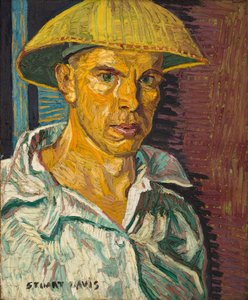
1892–1964, Stany Zjednoczone
Stuart Davis
Stuart Davis: Pionier Amerykańskiego Modernizmu Wczesne lata i edukacja Urodzony 7 grudnia 1892 roku w Filadelfii, Stuart Davis od najmłodszych lat był zanurzony w świecie pełnym sztuki. Jego ojciec, Edward Wyatt Davis, pełnił funkcję redaktora sztuki w Philadelphia Press, podczas gdy jego matka, Helen Stuart Davis, była rzeźbiarką. To rodzinne dziedzictwo bez wątpienia pielęgtał w nim wczesną pasję do sztuk wizualnych. Davis przeszedł formalne kształcenie w Robert Henri School of Art w Nowym Jorku w latach 1909–1912 pod okiem Roberta Henri’ego.
Inne prace Stuart Davis
 Odol
 Lucky Strike1924
 T View1951
 Sixth Avenue El1931
Eseje o Rocks, Gloucester
 Clyfford Still's Abstract Expressionism: A Study of Color, Form & the Existential LandscapeExplore the profound world of Clyfford Still's Abstract Expressionism with OriginalUniqueArt. Discover his unique style, existential themes…
 American abstract expressionist paintersJackson Pollock used his drip technique in 1949 to create Number 1, while Jasper Johns used impasto in 1959 for his work False Start.
 Mastering the Face of a Nation: The Top 25 Gilbert Stuart Artworks1796 marked the creation of the Athenaeum Portrait. How did Stuart use light and shadow to define the very soul of a nascent nation?