Hudson River School · 1944
Dust in Normandy (Stephen Bone, 1944)
Stephen Bone (1904–1958) stworzył Dust in Normandy. Dzieło pochodzi z 1944. Należy do nurtu Hudson River School. Wykonano w technice Obraz olejny na płótnie. Przechowywane jest w Government Art Collection w Londyn, Zjednoczone Królestwo. Wymiary to 27 × 34 cm.
- 1944
- Obraz olejny na płótnie
- 27 × 34 cm
- Government Art Collection, Londyn

 Podgląd w skali 1:1

 Ręcznie malowany obraz olejny
 Wyślij jako kartkę
 Udostępnij
 Karta informacyjna


 Pobierz obraz
 Podobne obiekty
 RTG
 Pokaz slajdów
 Pytania i odpowiedzi

 Statystyki
Dust in Normandy w skrócie
- Tytuł
- Dust in Normandy
- Artysta
- Stephen Bone (1904–1958)
- Miejsce urodzenia artysty
- Chiswick, Wielka Brytania
- Data powstania
- 1944
- Technika wykonania
- Obraz olejny na płótnie
- Wymiary
- 27 × 34 cm
- Gdzie można je zobaczyć
- Government Art Collection, Londyn, Zjednoczone Królestwo
- Temat
- normandy landscape, horse painting, wwii art, british painter, stephen bone, coastal scene
Co przedstawia Dust in Normandy?
Stephen Bone – Dust in Normandy
Dust in Normandy stands as a poignant testament to Stephen Bone’s artistic vision during World War II, capturing not merely a landscape but also the profound emotional resonance of that tumultuous era. Executed in 1944, this oil painting on canvas embodies Bone's signature style—characterized by luminous color palettes and an unwavering commitment to portraying the raw beauty of British countryside despite challenging weather conditions. The artwork’s centerpiece is a sprawling field dusted with autumnal hues, dominated by several horses grazing peacefully amidst hedgerows and grasses. These animals serve as anchors for the viewer’s gaze, grounding the scene in tangible reality while simultaneously conveying a sense of tranquility amidst conflict. A solitary figure rides one of the horses near the center, subtly emphasizing human presence within this expansive natural setting. Bone skillfully employs a muted color scheme—primarily ochre, umber, and ivory black—to evoke a mood of contemplative stillness. The artist’s meticulous brushwork contributes to the painting's textural richness, capturing the subtle nuances of light and shadow that define the Normandy landscape. This technique is particularly evident in the depiction of the horses’ coats and the weathered hedgerows, lending an air of authenticity and immediacy to the composition. The historical context surrounding Dust in Normandy is inextricably linked to Bone’s role as a War Artist's Advisory Committee commissioned painter. Recognizing the importance of documenting the realities of wartime Britain, he sought to convey not just visual splendor but also the psychological impact of displacement and resilience. The painting’s symbolism extends beyond its depiction of pastoral tranquility; it speaks to themes of endurance and connection with nature—values that resonated deeply during a period marked by upheaval and uncertainty. Bone's intention was to capture the spirit of Britain, demonstrating an unwavering belief in the enduring beauty of the natural world even amidst the horrors of war. Bone’s masterful use of color – predominantly earthy tones – reinforces this emotional core. The subtle gradations of hue create depth and luminosity, mirroring the atmospheric conditions prevalent during the Normandy landings. Furthermore, the artist's meticulous attention to detail—evident in the rendering of individual horse hairs and hedgerow textures—elevates Dust in Normandy beyond mere representation; it becomes a conduit for conveying Bone’s profound empathy for both humanity and the natural world. This artwork remains an enduring symbol of British artistic spirit during WWII. The painting's acquisition through the Government Art Collection underscores its significance as a cultural artifact, ensuring its preservation and accessibility for future generations. Its inclusion in exhibitions like those at OriginalUniqueArt.com highlights Bone’s contribution to the broader narrative of British art history—a legacy defined by unwavering dedication to capturing beauty and conveying emotion with remarkable precision.W którym muzeum znajduje się Dust in Normandy?
Government Art Collection
Londyn, Zjednoczone Królestwo
Globalna Galeria Bez Murów Government Art Collection (GAC) stanowi jeden z najbardziej ambitnych i poetyckich eksperymentów w historii dyplomacji kulturalnej. W przeciwieństwie do statycznych, cichych sal tradycyjnych muzeów, GAC opiera się na zasadzie pięknego rozproszenia, działając jako żywa, oddychająca istota, która przekracza fizyczne granice. Założona w 1899 roku dzięki wizjonerskiej dalekowzroczności 2.


Zdjęcia w wysokiej rozdzielczości dzieła Dust in Normandy

Chronione prawem autorskim: pliki te służą wyłącznie do osobistego wglądu i nie stanowią licencji na ich powielanie.
Stephen Bone, Dust in Normandy (1944), Government Art Collection.
Odpowiedzi na pytania dotyczące Dust in Normandy
Gdzie można zobaczyć oryginał „Dust in Normandy” – Stephen Bone?
Oryginał dzieła „Dust in Normandy” można zobaczyć w Government Art Collection, Londyn, Zjednoczone Królestwo.
W którym roku powstało dzieło "Dust in Normandy"?
„Dust in Normandy” – Stephen Bone powstało w 1944.
W jakiej technice wykonano „Dust in Normandy” – Stephen Bone?
Technika wykonania dzieła „Dust in Normandy” – Stephen Bone to Obraz olejny na płótnie. Reprodukcje mają na celu wierne oddanie wyglądu tej techniki.
Jakie są rzeczywiste wymiary dzieła „Dust in Normandy” – Stephen Bone?
Wymiary dzieła „Dust in Normandy” – Stephen Bone to 27 x 34 cm. Reprodukcje można zamówić w innych rozmiarach, zachowując te same proporcje.
Co przedstawia „Dust in Normandy” – Stephen Bone?
„Dust in Normandy” – Stephen Bone przedstawia: normandy landscape, horse painting, wwii art, british painter, stephen bone, coastal scene, rural imagery.
Czy dzieło "Dust in Normandy" znajduje się w domenie publicznej?
Jeśli chodzi o prawa autorskie, "Dust in Normandy" znajduje się w nadal objęte ochroną prawa autorskiego.
Kto stworzył "Dust in Normandy"?
Autorstwo dzieła "Dust in Normandy" przypisuje się Stephen Bone.
Do jakiego nurtu należy "Dust in Normandy"?
„Dust in Normandy” to dzieło należące do nurtu Hudson River School. Nurt ten określa tradycję artystyczną, w której osadzone jest dzieło.
Do którego okresu twórczości Stephen Bone należy dzieło „Dust in Normandy”?
W dorobku artystycznym Stephen Bone dzieło „Dust in Normandy” przypada na Mature Period. Ten etap pozwala zestawić je z innymi pracami twórcy.
O artyście: Stephen Bone

1904–1958, Wielka Brytania
Stephen Bone
Stephen Bone: Życie i Sztuka Wczesne lata i edukacja Urodzony: Chiswick, Wielka Brytania (1904) Zmarł: 1958 Stephen Bone był synem znamienitego artysty, sir Muirheada Bone'a, oraz pisarki Gertrude Heleny Dodd. To artystyczne dziedzictwo rodzinne wywarło głęboki wpływ na jego wczesny rozwój. Edukację rozpoczął w Bedales School, by w 1922 roku podjąć studia w Slade School of Fine Art. Jednakże, zniechęcony akademickim podejściem panującym w Slade, opuścił uczelnię w 1924 roku, aby poświęcić się ilustracji książkowej.
Inne prace Stephen Bone
 Bow Gun, HMS 'Southern Star'1943
 Stormy Evening1926
 Arisaig1940
 Royal Air Force Air Sea Rescue Launches, Stornoway The Fish Quay Beyond1943
Eseje o Dust in Normandy
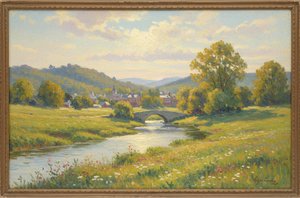 Henry Marvell Carr: A Study in American Impressionism's Evolving Landscape of Light and FormExplore the captivating work of Henry Marvell Carr, a pivotal figure in American Impressionism. Discover his evocative realism, war art, an…
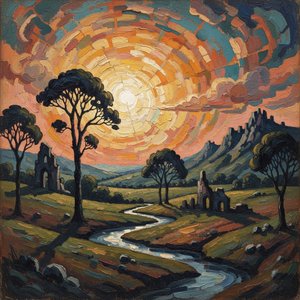 Stephen Bone: A Reassessment of Colour, Form & the British Neo-Romantic Landscape TraditionExplore the vibrant world of Stephen Bone (1904-1958), a key figure in British Neo-Romanticism. Discover his captivating landscapes, impact…
 Art for the Bold: The Connoisseur's Definitive Guide to Commissioning a One-of-a-Kind MasterpieceDiscover the art of bespoke mastery. Learn how to commission one-of-a-kind oil paintings, from transforming digital memories into timeless …