
 Podgląd w skali
 Wyślij jako kartkę
 Udostępnij
 Szczegóły dzieła

 Pobierz
 Podobne obiekty
 RTG
RTG Pokaz slajdów
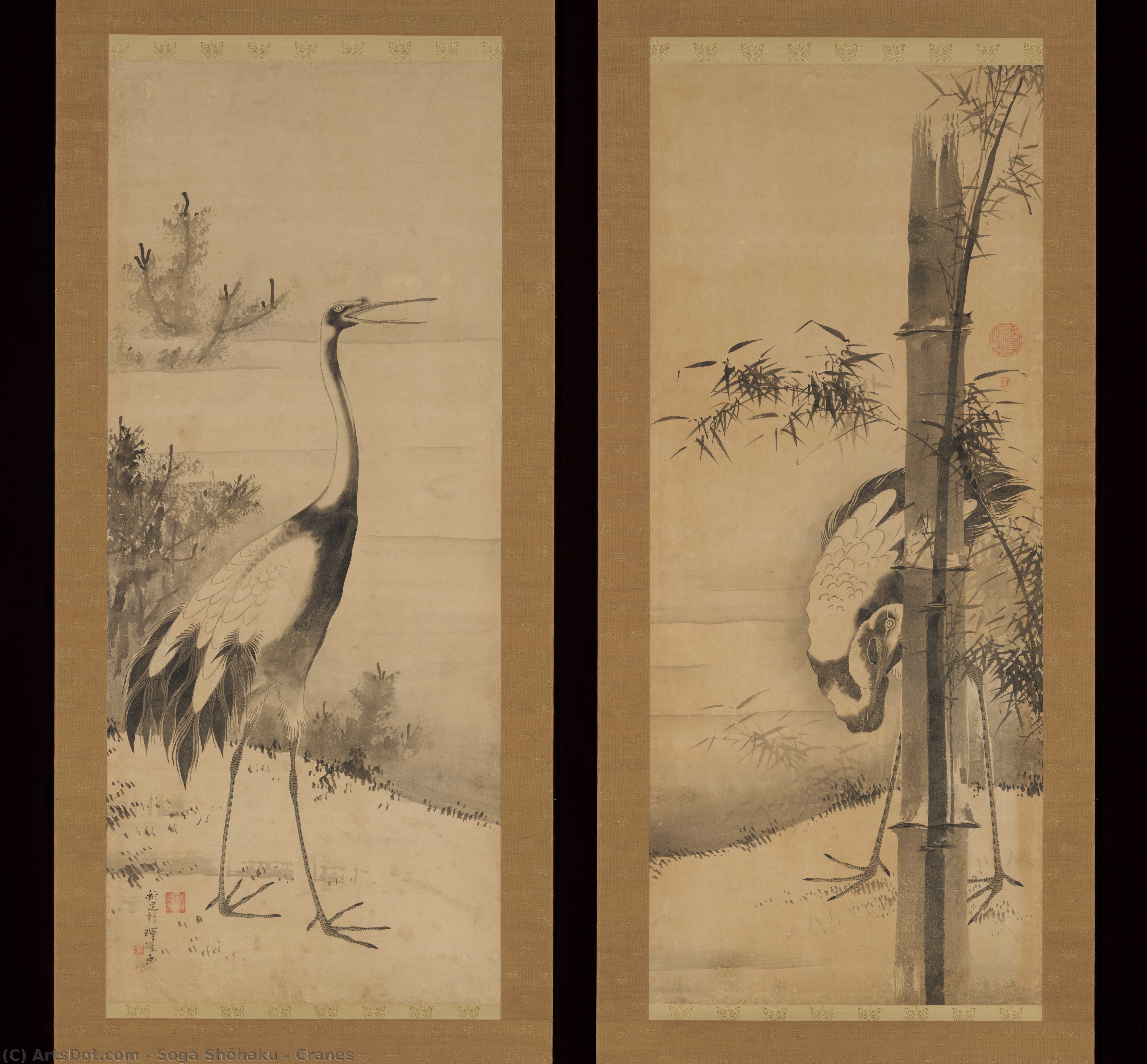
Cranes
 Muromachi Period”
 1760
1760 134.0 x 56.0 cm
 Rozwiń treść
Ręcznie malowana reprodukcja olejowa
Ręcznie malowany obraz olejny na płótnie, wykonany na zamówienie przez naszych artystów w wybranym przez Ciebie wymiarze i oprawie. ( Zamów wydruk Przełącz na obraz)




































Wybierz spośród naszych standardowych rozmiarów, które zachowują oryginalne proporcje dzieła sztuki.

Możesz wprowadzić własne wymiary, aby dopasować obraz do konkretnej ramy lub przestrzeni. Jeśli wybrany rozmiar nie będzie odpowiadał proporcjom oryginału, przytniecie dzieło sztuki lub rozszerzymy je o dodatkowe elementy, ręcznie domalowane przez artystę. Przed rozpoczęciem produkcji wyślemy projekt cyfrowy do Twojej akceptacji.
Należy pamiętać, że podgląd na ekranie nie odzwierciedla rzeczywistego przycinania ani rozszerzania obrazu. Tylko projekt dokładnie pokaże ostateczną kompozycję.
Choć oferujemy możliwość zamówienia niestandardowych rozmiarów, zalecamy wybór wymiaru z gotowej listy, aby zachować oryginalne proporcje dzieła.
Po złożeniu zamówienia zespół OriginalUniqueArt.com skontaktuje się z klientem drogą mailową w celu uzyskania instrukcji i prześle wizualizację projektu
Dostawa na całym świecie () w ciągu 3–4 tygodni zamiast standardowych 5 tygodni. (10 Sierpień). Bez kompromisów w kwestii jakości.

Bezpłatna ekspresowa wysyłka na cały świat

Wysokiej jakości płótno lniane

Pełne ubezpieczenie przesyłki

Gwarancja zwrotu należności celnych i podatków importowych

Gwarancja wiernego odwzorowania kolorów

Polityka 60-dniowego zwrotu (tylko w przypadku wad)

Gwarancja 100% zwrotu kosztów

Zniżka przy zamówieniu wielu produktów
 Opcja ze szkłem jest dostępna wyłącznie w rozmiarach poniżej 110 cm

Cranes
Technika reprodukcji
Wymiary reprodukcji
-


Cena całkowita
$ 300
Opis dzieła
O artyście
life and artistic style
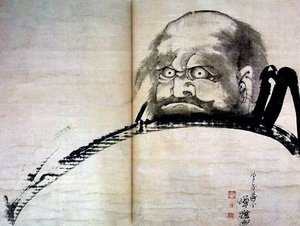
soga shōhaku, a japanese painter from the edo period (1730-1781), defied conventions with his unique brush style, reminiscent of the muromachi period, which was already 150 years out of vogue by the time of his birth. this distinctive approach set him apart from his contemporaries.notable works and their significance
* race at uji river (harvard art museums, cambridge, united states): this polychromatic screen, depicting a famous episode from the 14th-century war epic "the tale of the heike," showcases shōhaku's pictorial grotesquerie. it is a rare example of his work in full color. * the immortal li tieguai (128 x 28 cm, paper): this piece illustrates the story of one of the eight chinese immortals, li tieguai, and demonstrates shōhaku's ability to convey complex narratives through his art.artistic influences and legacy
* shōhaku's preference for the muromachi period's brush style reflects an aesthetic that was already passé by the time of his birth. this choice not only distinguishes him from his contemporaries but also highlights his unique artistic vision. * his monstrous depictions of prominent figures were extremely unusual compared to other painters of his time, further solidifying his position as an unconventional artist.explore more at OriginalUniqueArt
- discover soga shōhaku's works in the artist profile on OriginalUniqueArt.
- learn more about japanese art movements, including the bunjinga art movement, which influenced shōhaku's style.
- view other notable artists from the edo period in OriginalUniqueArt's extensive collection, including mori ransai.
conclusion
soga shōhaku's unorthodox approach to japanese painting during the edo period has left an indelible mark on art history. his unique style, characterized by monstrous depictions and a preference for outdated aesthetics, continues to fascinate art lovers today. explore his works and those of other influential artists at OriginalUniqueArt, the virtual museum for art aficionados. references:- soga shōhaku - artist profile, OriginalUniqueArt
- the bunjinga art movement, OriginalUniqueArt
- mori ransai - artist profile, OriginalUniqueArt
- ito jakuchu, known for his unique use of vegetables and plants in his art.
- kano einō, a prominent member of the preeminent kano family workshop.
soga shohaku
1730 - 1781 , Japan
Krótka nota
- Artistic Movement Or Style: Muromachi Style
- Artists Or Movements Influenced By This Artist: ['Bunjinga']
- Artists Who Influenced This Artist: ['Takada Keiho']
- Date Of Birth: Kyoto, Japan (1730)
- Full Name: Soga Shōhaku
- Nationality: Japanese
- Notable Artworks:
- Race at Uji River
- The Immortal Li Tieguai
- Place Of Birth: Kyoto
Powiązane artykuły

Katsushika Hokusai: 25 Arcydzieł Sztuki Japońskiej dla Kolekcjonerów i Miłośników Dekoracji
Odkryj 25 arcydzieł Katsushika Hokusai, mistrza ukiyo-e! Poznaj historię Wielkiej Fali i innych ikonicznych drzeworytów. Inspiracje wnętrzarskie i reprodukcje obrazów najwyższej jakości na OriginalUniqueArt.com – sztuka japońska dla Twojego domu.
The Alchemy of Ink: Mastering the Timeless Beauty and Art History of Paper and Brush
Embark on a sophisticated exploration of ink wash painting and Sumi-e. Uncover the profound historical lineages, Zen philosophies, and technical mastery behind this timeless medium in our authoritative guide for fine art enthusiasts.

Efemerowe Wyrażenia: Niuanse Malarstwa Tuszem w Historii i Sztuce Współczesnej
Poznaj fascynujący świat malarstwa tuszem! Odkryj historię, techniki i filozofię tej wyjątkowej sztuki azjatyckiej. Przewodnik po mistrzach pędzla i inspiracje dla współczesnych artystów.
Floating World: The Captivating Art and Legacy of Japanese Ukiyo-e
Explore the profound beauty of Japanese Ukiyo-e. Discover the history, masters like Hokusai, and the enduring legacy of the 'Floating World' through an expert art-historical lens.
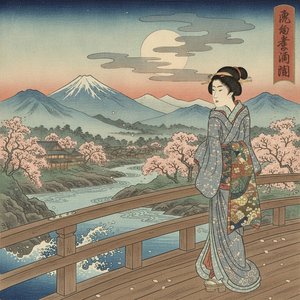
Ukiyo-e's Greatest Hits: 10 Masterpieces That Shaped a Movement | OriginalUniqueArt
Journey into Japan's 'Floating World'! Explore 10 Ukiyo-e masterpieces by Hokusai, Hiroshige & more. Discover the stories behind these iconic woodblock prints and bring timeless Japanese art to your home with OriginalUniqueArt.com. Explore the full collection online.

